
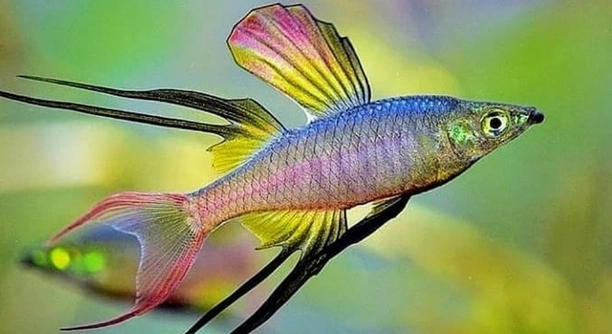
Do you enjoy keeping your home tidy but sometimes wonder how your pets react when you shift furniture around? Threadfins, like many curious creatures, notice subtle changes in their surroundings and may adjust their behavior accordingly.
Threadfins often respond to rearranged decor by exploring new spaces, investigating unfamiliar objects, and occasionally establishing new resting areas. These behaviors reflect both their curiosity and natural instincts to map their environment and maintain comfort in altered surroundings.
Observing these adjustments can reveal insights into your threadfins’ preferences and routines, helping you create a more harmonious and engaging home environment for them.
How Threadfins Adjust to New Furniture
When you move furniture or add new decor, threadfins often become more alert and cautious. They may swim around the room multiple times, examining every corner and surface. This exploration allows them to understand where they can hide, rest, or play safely. Some threadfins may initially avoid areas with sudden changes, especially if items block familiar paths. Over time, most will adapt, showing increased confidence and curiosity. You may notice them using new spots for resting or interacting with their environment. Changes in lighting, shadows, or reflections caused by rearranged items can also capture their attention. Observing these behaviors helps you understand how sensitive threadfins are to spatial alterations. By gradually introducing new elements and allowing ample adjustment time, you can reduce stress and encourage natural exploratory behaviors. Every threadfin reacts differently, so patience and careful observation are essential to support their comfort.
Threadfins explore new spaces at their own pace, often retreating if a change feels overwhelming. Consistent observation ensures they adapt safely.
Adjusting to new furniture can reveal personal preferences in threadfins. Some may favor hiding spots near corners, while others gravitate to open areas with better light. Objects like plants or small decor pieces often become temporary resting points. Their swimming patterns may shift, forming new routines around the altered layout. Paying attention to these adjustments helps you anticipate their behavior and maintain a calm environment. Additionally, subtle changes in water flow caused by rearranged tank structures can influence swimming efficiency. Over time, threadfins typically resume normal activity levels once they recognize safe zones and routes. Supporting this transition with minimal interference allows natural exploration while preventing stress-induced behaviors. Observing how threadfins interact with each new element provides insight into their personalities, helping you create a balanced and engaging space tailored to their needs.
Encouraging Comfortable Exploration
Gradual rearrangements allow threadfins to investigate safely without becoming stressed. Small, incremental changes are most effective.
Introducing new areas or decor slowly gives threadfins time to explore and settle. Sudden changes can lead to avoidance or nervous behaviors, so spacing out modifications helps maintain their confidence. Over several days, they will learn safe routes, favorite spots, and preferred resting areas. Adding familiar elements near new items can create a sense of continuity and reassurance. Observing their swimming and resting patterns during this adjustment phase helps gauge comfort levels. Minor environmental changes, like shifting plants or decorations, often encourage natural curiosity and enrich their surroundings without causing anxiety. Over time, these small changes can improve activity levels, engagement, and overall well-being. By carefully managing the pace of decor changes, you ensure threadfins feel secure, curious, and comfortable, creating a space that supports both exploration and stability.
Recognizing Stress Signals
Threadfins may show stress when decor is rearranged, such as rapid swimming, hiding, or reduced appetite. These signals indicate they are adjusting to changes and need time to feel safe in the new setup.
Not all threadfins react the same way to environmental changes. Some may become immediately cautious, avoiding certain areas entirely, while others inspect new objects steadily. Observing their movements, breathing patterns, and resting habits helps determine their comfort level. Changes in coloration or unusual behaviors, like darting or frequent hiding, often signal that they are unsettled. Providing consistent water conditions and minimizing sudden alterations can reduce stress. Over time, most threadfins regain normal routines, exploring the space confidently once they recognize safe zones. Careful monitoring ensures adjustments do not negatively impact health or well-being.
Small additions like plants or decorations can ease stress by offering hiding spots or visual interest. Allowing gradual exploration lets threadfins regain confidence, balancing curiosity with security. Watching their behavior closely during these periods helps identify areas they prefer, ensuring the environment remains supportive. These observations also guide future decor adjustments, creating a more predictable and comfortable habitat. By responding to these subtle cues, you can help threadfins thrive even amid frequent changes, making the space enriching and stress-free.
Creating Engaging Spaces
Arranging objects strategically encourages natural exploration, providing both comfort and stimulation. Threadfins respond positively to thoughtful placement of decor and plants.
Positioning familiar items near new decor creates safe pathways, allowing threadfins to investigate without anxiety. Open areas combined with hiding spots offer balance between freedom and security, promoting active movement and healthy behavior. Observing their preferred routes and resting locations helps refine placement for long-term engagement. Subtle shifts, like adjusting plant density or spacing objects, can influence swimming patterns and interaction with the environment. Varied textures, heights, and visual elements add interest, encouraging natural curiosity. Structured yet flexible setups ensure threadfins can explore safely while developing routines around the rearranged layout, ultimately supporting their physical and mental well-being.
Monitoring Behavior Changes
Threadfins may shift their swimming patterns or resting spots after rearranging decor. Tracking these changes helps identify areas that cause stress or curiosity. Observing interactions with new objects provides insight into their comfort level.
Subtle differences, like hesitation near new items or increased exploration in open spaces, indicate how threadfins perceive their environment. Paying attention to these details ensures a balanced and safe space.
Adapting Decor Gradually
Introducing new decor in small steps allows threadfins to adjust without feeling threatened. Sudden large changes can trigger avoidance or hiding, while gradual modifications encourage confidence. Slowly adding or moving items helps them recognize safe zones and maintain regular routines. Consistent observation during this process is key.
Encouraging Safe Exploration
Providing familiar objects near new items helps threadfins explore safely. They often use these reference points to navigate and gradually become comfortable with altered spaces.
FAQ
How do threadfins react to completely new decor?
Threadfins often become cautious when new items are added. They may hide or swim slowly near unfamiliar objects at first. Over time, most will investigate and use these new areas for resting or exploring. Gradual exposure reduces stress and encourages natural behavior.
Is it normal for threadfins to avoid certain areas after rearranging furniture?
Yes, avoidance is a common response. Threadfins rely on familiar paths and hiding spots. Sudden changes can make them hesitant. Monitoring these areas and keeping some familiar landmarks helps them feel secure while adapting to the new layout.
How long does it take for threadfins to adjust to changes?
Adjustment varies depending on the individual. Some threadfins adapt within a few days, while others may take several weeks. Consistent environment conditions, such as stable water parameters and lighting, support quicker adaptation and reduce stress.
Can rearranging decor affect a threadfin’s health?
Indirectly, yes. Stress from sudden changes can affect appetite, activity levels, and immune function. Gradual changes, combined with observation, ensure threadfins maintain normal routines and overall well-being. Keeping familiar resting areas intact also minimizes potential health impacts.
Do threadfins prefer open spaces or areas with hiding spots?
Threadfins appreciate a balance. Open areas allow swimming and exploration, while hiding spots provide security. Observing their preferred locations helps you create an environment that encourages activity without causing anxiety. Rotating decor gradually helps maintain this balance.
Should food be moved when rearranging their environment?
Food placement is important. Threadfins may avoid unfamiliar areas initially, so placing food near known locations ensures they continue eating regularly. Slowly relocating feeding spots as they adjust encourages exploration without compromising nutrition.
How can I tell if my threadfin is stressed by changes?
Signs of stress include rapid swimming, hiding more than usual, reduced appetite, or color changes. Subtle behaviors like hesitation near new items or frequent checking of corners also indicate discomfort. Observing these patterns helps adjust the environment to reduce stress.
Is it better to move multiple items at once or one at a time?
One at a time is best. Incremental changes allow threadfins to explore and adapt without feeling threatened. Moving several objects simultaneously can trigger avoidance or prolonged hiding, delaying adjustment and increasing stress levels.
Do threadfins use new decor as resting areas?
Often, yes. After initial caution, they may choose new objects or areas for resting. Plants, rocks, or furniture edges frequently become favorite spots. Providing stable and secure items encourages natural use of new spaces and helps them feel comfortable.
How can I encourage exploration safely?
Place familiar items near new objects and allow gradual interaction. Observing their reactions, maintaining stable water conditions, and minimizing sudden movements around them promotes safe exploration. This method fosters curiosity without overwhelming the threadfins and supports normal behavior patterns.
Should lighting changes be considered when rearranging decor?
Lighting impacts threadfins’ perception of space. Shadows or reflections from new objects can affect comfort. Gradual changes in lighting and positioning items to minimize harsh shadows help threadfins adjust safely and maintain normal activity levels.
Can threadfins remember their favorite spots after rearrangement?
Yes, threadfins have spatial memory. They often return to familiar resting or hiding spots even after slight changes. Preserving some original locations while rearranging ensures continuity, making adaptation smoother and reducing stress-related behaviors.
Is it necessary to monitor threadfins constantly during changes?
Constant observation is not required, but regular monitoring is helpful. Checking behavior patterns, swimming routes, and feeding habits ensures that changes are not negatively affecting comfort or health. Adjustments can be made gradually based on these observations to support well-being.
Do all threadfins react the same way to rearrangements?
No, individual personalities matter. Some are naturally curious and explore quickly, while others are cautious or shy. Recognizing these differences allows for tailored adjustments and ensures each threadfin adapts comfortably at its own pace.
What is the best approach to rearranging decor long-term?
Plan gradual changes, maintain familiar landmarks, and observe behavior closely. Provide a mix of open spaces and hiding spots, stabilize water conditions, and allow threadfins to explore at their own pace. This approach fosters confidence, reduces stress, and supports ongoing engagement with their environment.
Final Thoughts
Rearranging decor in a threadfin’s environment can have a noticeable impact on their behavior. These fish are naturally curious and sensitive to changes in their surroundings. Even small adjustments can alter swimming patterns, resting locations, and interactions with their environment. When furniture or objects are moved, threadfins often take time to explore new spaces and reestablish their routines. Observing how they respond during this period is important, as it provides insight into their preferences and comfort levels. Gradual modifications and careful placement of familiar items can help minimize stress while encouraging natural exploration. Providing a balance of open areas for swimming and secure spots for hiding ensures they feel safe while adapting to changes.
Threadfins show a variety of reactions when their environment changes. Some may immediately investigate new items, swimming confidently around altered spaces, while others may be hesitant or retreat to familiar hiding spots. These behaviors reflect individual personalities and natural instincts to map their surroundings. By paying attention to subtle cues, such as hesitation near new objects or frequent pauses in exploration, caretakers can understand which areas or arrangements cause stress or curiosity. Offering stable resting points and predictable pathways supports confidence, allowing threadfins to gradually incorporate new areas into their routines. Observing their responses over time also helps guide future adjustments and ensures that environmental changes enhance, rather than disrupt, their comfort and well-being.
Long-term management of a threadfin’s environment involves both patience and attentiveness. Regular observation, gradual rearrangement, and maintaining familiar reference points allow threadfins to explore safely and develop new habits without undue stress. Balancing novelty with familiarity helps sustain engagement and activity while preventing anxiety. Small, consistent changes also provide enrichment, encouraging natural behaviors like exploring, resting, and interacting with their surroundings. By respecting their adjustment period and monitoring behavior closely, caretakers can create a stable yet stimulating environment. Ultimately, thoughtful arrangement and gradual modification of decor ensure threadfins remain comfortable, active, and confident in their space, fostering a healthier and more harmonious environment for both the fish and the household.

Hello,
If you enjoy the content that we create, please consider saying a "Thank You!" by leaving a tip.
Every little bit helps us continue crafting quality advice that supports the health, happiness, and well-being of pets around the world, for pets of all shapes, sizes, and species.
We really appreciate the kindness and support that you show us!