
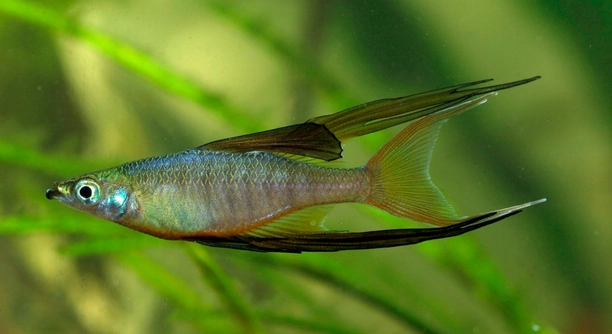
Are your Threadfin Rainbowfish displaying subtle movements that catch your attention? Observing these small details can reveal how comfortable your fish are in their environment. Comfort affects their behavior, health, and overall well-being in the aquarium.
Threadfin Rainbowfish exhibit comfort through consistent swimming patterns, vibrant coloration, calm interactions with tank mates, and relaxed posture near plants or structures. These behaviors indicate reduced stress and positive adaptation to their habitat. Monitoring such cues supports their optimal care.
Recognizing these signs will help you maintain a supportive environment and ensure your Threadfin Rainbowfish thrive happily in their aquatic home.
Smooth, Steady Swimming
Threadfin Rainbowfish that feel comfortable display smooth and steady swimming throughout the tank. Their movements are fluid, without sudden jerks or erratic bursts. Observing them glide across open spaces or weave gently through plants indicates they are not stressed and feel secure. Comfortable fish often maintain a consistent depth, avoiding rapid rises or drops. They also swim alongside tank mates without showing aggression or hiding excessively. These behaviors reflect a balanced environment with appropriate water parameters, lighting, and temperature. Stress-free fish usually explore their surroundings calmly, showing curiosity without fear. Providing a well-planted tank with hiding spaces allows them to express natural swimming patterns. Monitoring these behaviors regularly helps detect early signs of discomfort or illness. A relaxed fish is easier to care for and demonstrates healthy adaptation to its aquarium.
Steady swimming indicates a stable mental state, minimal stress, and satisfaction with tank conditions, reinforcing their overall well-being.
When Threadfin Rainbowfish swim smoothly, it also reflects confidence in their surroundings. This behavior signals that they are receiving adequate nutrition, the water quality is maintained, and social dynamics among tank mates are stable. Fish that dart or cling to corners may be stressed or adjusting to new conditions. Observing swimming patterns over time provides insights into their health and comfort, allowing caretakers to respond quickly to potential problems. A tank designed with open swimming areas, gentle currents, and visual barriers can enhance these positive behaviors, creating a space where fish can move freely while feeling secure. In addition, steady swimming is often accompanied by synchronized movements among schooling fish, which is a clear indicator of comfort and social stability. Maintaining these conditions consistently encourages natural behaviors, supports physical health, and helps Threadfin Rainbowfish thrive in a controlled environment.
Bright, Vibrant Colors
Bright colors are one of the clearest signs your Threadfin Rainbowfish is comfortable and healthy.
Healthy fish display vivid coloration, reflecting proper nutrition and minimal stress. Bright scales show that fish are thriving and the tank environment is suitable.
Color vibrancy is influenced by diet, lighting, and stress levels. Fish receiving balanced nutrition rich in carotenoids and proteins exhibit deeper hues, which indicate robust health. Proper lighting helps highlight these natural colors, while a stable environment reduces fading caused by anxiety. Stress from poor water quality, overcrowding, or aggressive tank mates can lead to dullness or patchy coloration. Observing your fish over time allows you to notice changes early. Subtle shifts in shade or intensity can signal adjustments are needed in diet, water parameters, or tank arrangement. Providing plants, open spaces, and hiding spots supports stress-free behavior, which contributes to maintaining vivid coloration. By keeping conditions consistent and feeding a nutrient-rich diet, the Threadfin Rainbowfish can display its full natural beauty, reflecting comfort, security, and overall health.
Relaxed Fin Position
Relaxed fins indicate that Threadfin Rainbowfish feel secure in their environment. Fins are gently spread and move naturally with water currents, rather than being clamped or rigid. This posture shows low stress and general comfort, reflecting good tank conditions.
Fins held loosely and fluttering naturally suggest fish are not threatened by tank mates or sudden changes. Comfortable Threadfin Rainbowfish will often hover near plants or decorations, allowing their fins to drift with water movement. Clamped fins can signal stress, illness, or poor water quality, so observing relaxed fin position regularly helps identify healthy behavior. This natural fin display also allows proper swimming mechanics, supporting overall mobility and feeding activity. Maintaining stable water conditions, proper temperature, and a peaceful social environment encourages the fish to display their fins openly. Regular monitoring ensures that their comfort level remains high, providing a positive indicator of both mental and physical well-being in their aquarium habitat.
Relaxed fins also support efficient movement, reducing energy expenditure and allowing the fish to explore and forage with ease. This behavior is particularly noticeable when fish swim in groups, maintaining synchronization without conflict. Comfortable fish often flare their fins slightly during social interactions, which is a natural and harmless display. Observing these details over time helps track overall health and environmental suitability, ensuring that Threadfin Rainbowfish remain active, vibrant, and stress-free within their tank.
Social Interaction and Schooling
Threadfin Rainbowfish that are comfortable engage actively with their tank mates, often schooling together naturally.
Schooling behavior reflects security and social stability. Fish swim in coordinated patterns, maintaining close proximity without aggression or avoidance. Dispersed or isolated fish may be stressed or unwell, signaling attention is needed.
Social interaction is a critical indicator of comfort. Threadfin Rainbowfish naturally form schools, staying close to each other while responding fluidly to movement. When comfortable, they synchronize their swimming, demonstrating cohesion and calm behavior. Avoidance, chasing, or aggression often signals stress, territorial disputes, or improper tank conditions. Providing adequate space, hiding spots, and compatible tank mates encourages healthy social behavior. Observing schooling patterns over time allows caretakers to assess both environmental conditions and individual well-being. A harmonious school reflects proper nutrition, suitable water parameters, and low stress, ensuring the fish are thriving together naturally.
Exploring the Tank
Comfortable Threadfin Rainbowfish explore their environment confidently, swimming around plants, decorations, and open spaces without hesitation. This behavior indicates trust in the tank’s safety and stability.
Exploration is often paired with calm swimming and curiosity. Fish that hide constantly or avoid certain areas may feel stressed or unsafe, signaling a need to adjust tank conditions.
Feeding Enthusiasm
Threadfin Rainbowfish that are comfortable show eagerness during feeding times. They approach food promptly and compete gently with others without displaying aggression. This behavior demonstrates good health, proper nutrition, and minimal stress.
Fish that eat actively and consistently maintain energy and color vibrancy. Sudden disinterest in food can indicate discomfort, illness, or environmental issues. Observing feeding habits helps track overall well-being. Regular, balanced feeding supports both growth and behavioral health.
Resting Calmly
Resting calmly near the bottom or among plants shows that Threadfin Rainbowfish feel secure in their surroundings.
Fish that rest quietly without frantic movements demonstrate low stress levels and comfort within their environment.
FAQ
How can I tell if my Threadfin Rainbowfish is stressed?
Stressed Threadfin Rainbowfish often show clamped fins, dull coloration, erratic swimming, or hiding constantly. They may avoid other fish, stay at the bottom of the tank, or refuse food. Monitoring these behaviors regularly helps detect stress early, allowing you to adjust water quality, tank layout, or social dynamics. Maintaining consistent water parameters, proper temperature, and a calm environment reduces stress and promotes natural behaviors, including active swimming, schooling, and feeding.
What is the best tank setup for Threadfin Rainbowfish comfort?
A suitable tank includes open swimming spaces, plants for shelter, and smooth decorations. The water should be clean, well-filtered, and kept at a stable temperature. Lighting should be moderate to highlight natural colors without causing stress. Providing enough space per fish and compatible tank mates supports schooling and social interaction. Smooth gravel or sand substrate prevents injury, while hiding spots reduce anxiety during disturbances. Regular water changes and consistent feeding routines reinforce comfort and reduce aggressive or anxious behaviors.
How often should I feed my Threadfin Rainbowfish?
Feeding two to three times daily in small portions ensures that all fish get adequate nutrition. Overfeeding can pollute the water and lead to stress, while underfeeding affects growth and coloration. Providing a varied diet, including flakes, pellets, and occasional live or frozen food, maintains health and enhances natural colors. Observing feeding responses helps gauge comfort levels; fish that eagerly approach food and compete gently are typically relaxed. Adjust portions based on consumption to avoid leftovers that degrade water quality.
Why are my fish hiding more than usual?
Excessive hiding is a common sign of stress or discomfort. Causes may include sudden changes in water temperature, poor water quality, aggressive tank mates, or inadequate hiding spaces. Ensuring stable conditions and providing plenty of plants and shelters allows fish to feel secure. Observe behavior over time to distinguish normal resting from stress-related hiding. Introducing new fish gradually and maintaining consistent lighting and feeding routines also reduces anxiety, encouraging fish to explore rather than retreat.
What role does social interaction play in comfort?
Threadfin Rainbowfish are naturally social and thrive in schools. Comfortable fish interact with each other through synchronized swimming, gentle chasing, and maintaining proximity. Disruption in social behavior, such as isolation or constant chasing, may indicate stress, illness, or poor tank conditions. Providing a sufficient number of compatible fish supports schooling behavior, reduces aggression, and encourages natural movement. Observing social interactions regularly can reveal subtle changes in health and environmental suitability.
Can water quality affect my fish’s comfort?
Absolutely. Poor water quality is one of the main causes of stress in Threadfin Rainbowfish. High levels of ammonia, nitrites, or nitrates, inconsistent temperature, or low oxygenation can lead to lethargy, hiding, and clamped fins. Regular testing, partial water changes, and proper filtration are essential. Maintaining stable pH and hardness within species-appropriate ranges ensures comfort, promotes healthy coloration, and reduces disease risk. Fish are more likely to display natural swimming, schooling, and feeding behaviors in clean, stable water conditions.
How do I encourage natural behavior in my fish?
Creating a safe and stimulating environment encourages natural behaviors. Provide open swimming areas, plants for shelter, and gentle water flow. Maintain clean water, stable temperature, and compatible tank mates. Observe schooling, feeding, and exploratory behaviors, adjusting conditions when needed. Natural lighting cycles and minimal disturbances also help fish remain relaxed and confident.
Why do some Threadfin Rainbowfish lose color?
Loss of color often signals stress, illness, or inadequate nutrition. Dull coloration can result from poor water quality, lack of hiding spots, overcrowding, or insufficient diet. Bright, natural colors are indicators of comfort and good health. Providing a balanced diet, stable water conditions, and a calm environment supports vibrant coloration. Observing subtle changes in hue helps detect early issues before they escalate.
How long does it take for Threadfin Rainbowfish to feel comfortable in a new tank?
Adjustment periods vary, but most Threadfin Rainbowfish begin showing comfort signs, like steady swimming and feeding, within a week if conditions are stable. Full acclimation, including normal schooling and vivid coloration, may take several weeks. Gradual introduction, consistent care, and minimal disturbances speed up the process, allowing fish to adapt confidently to their surroundings.
Are there signs that indicate long-term comfort?
Long-term comfort is shown through consistent behaviors: smooth swimming, vibrant colors, relaxed fins, regular feeding, and active schooling. Fish explore the tank confidently, interact positively with others, and rest calmly without clamping or hiding excessively. Regular observation ensures these behaviors continue, allowing adjustments to maintain optimal health and comfort in the aquarium.
Final Thoughts
Observing Threadfin Rainbowfish closely can provide valuable insight into their comfort and overall health. These fish display subtle behaviors that signal whether they feel secure in their environment. Smooth, steady swimming, relaxed fins, and active schooling are all indicators that the tank conditions are suitable. Comfort directly impacts physical health, coloration, and appetite, making it important to pay attention to small behavioral cues. By monitoring these signals, you can quickly identify changes that may suggest stress or discomfort, such as clamped fins, erratic swimming, or hiding. Regular observation allows for timely adjustments in water quality, tank layout, and social dynamics, ensuring the fish remain healthy and stress-free. Understanding these behaviors is key to maintaining a balanced aquarium that supports both the physical and psychological well-being of Threadfin Rainbowfish.
Proper tank setup plays a significant role in supporting their comfort. Open swimming areas, planted sections for shelter, smooth substrate, and gentle water flow create an environment where fish can express natural behaviors safely. Maintaining stable water parameters, including temperature, pH, and cleanliness, is essential for reducing stress and promoting vibrant coloration. A balanced diet of flakes, pellets, and occasional live or frozen food helps fish stay active and maintain optimal health. Social interaction is equally important, as Threadfin Rainbowfish naturally form schools. Ensuring compatible tank mates and sufficient numbers allows them to engage in synchronized swimming and positive social behaviors. Observing feeding routines, color changes, and activity levels provides a practical way to gauge comfort, helping caretakers maintain a supportive and stable environment.
Consistency and patience are essential when caring for Threadfin Rainbowfish. They respond positively to stable conditions and gentle, predictable routines. Sudden changes in water, temperature, or tank arrangement can create stress, while a steady environment encourages natural behaviors and long-term well-being. Attention to their subtle signals, such as schooling patterns, fin position, and exploratory movements, allows caretakers to make informed decisions about tank management and nutrition. Providing a balanced combination of open swimming space, hiding areas, clean water, and a suitable diet ensures that Threadfin Rainbowfish thrive both physically and mentally. By prioritizing their comfort and monitoring behavior closely, you can create a healthy and engaging environment where these fish can flourish naturally, displaying the full range of behaviors that indicate true well-being.

Hello,
If you enjoy the content that we create, please consider saying a "Thank You!" by leaving a tip.
Every little bit helps us continue crafting quality advice that supports the health, happiness, and well-being of pets around the world, for pets of all shapes, sizes, and species.
We really appreciate the kindness and support that you show us!