
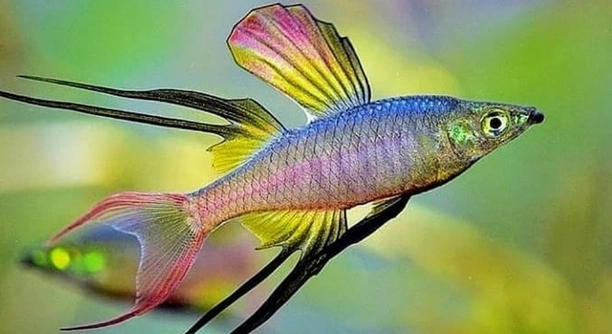
Are your threadfins suddenly refusing food, leaving you worried about their well-being? Sudden changes in appetite can signal underlying issues that require attention. Observing their behavior and environment can provide early clues to potential problems.
When threadfins stop eating, it is essential to examine water quality, temperature, oxygen levels, feeding routines, signs of disease, stress factors, and tank environment. Addressing these areas promptly can prevent health deterioration and restore normal feeding behavior.
Understanding these key factors will help maintain the health of your threadfins and support their recovery. Taking timely action ensures they remain active and thriving in their habitat.
Water Quality and Filtration
Maintaining proper water quality is essential for the health of threadfins. Poor water conditions can quickly stress fish, reducing their appetite and affecting overall behavior. Regular testing for ammonia, nitrite, nitrate, and pH levels ensures the environment is safe. Frequent partial water changes help remove accumulated waste and maintain chemical balance. Using a reliable filtration system supports circulation and oxygenation, preventing harmful buildup. Overcrowding can also impact water quality, so monitoring tank population is important. Observing fish for unusual swimming patterns or lethargy can indicate issues in water conditions. In addition, avoid sudden changes in water chemistry, as threadfins are sensitive to abrupt shifts. Routine maintenance, such as cleaning filters and removing debris, is a simple way to prevent feeding problems. Attention to these details can make the tank a stable and healthy space for threadfins, encouraging consistent eating habits.
Poor water quality often leads to stress, illness, and reduced feeding, making it the first area to check when threadfins stop eating.
Regular water monitoring, combined with proper filtration and consistent maintenance, creates a stable environment. This stability helps threadfins remain healthy and more willing to feed, reducing the likelihood of appetite loss due to environmental stressors. Small adjustments, such as correcting pH or improving aeration, can quickly restore normal behavior. Observing both water parameters and fish reactions ensures that changes are effective and prevents future issues. Consistency in care reinforces the fish’s natural feeding patterns and supports long-term health. Understanding the connection between water quality and appetite allows for targeted interventions that address the root of feeding problems, rather than only treating symptoms. Over time, maintaining a clean, well-oxygenated tank reduces disease risk, promotes energy, and encourages natural behaviors, making the fish more resilient to minor stressors.
Feeding Routine and Diet
Threadfins may refuse food if feeding schedules are inconsistent or diet is inappropriate. Short, regular feeding sessions help maintain appetite and prevent overfeeding. Offering a variety of appropriate foods supports nutritional balance and keeps fish interested.
Altering feeding times and providing small portions ensures threadfins receive nutrients without waste or stress.
A proper feeding routine requires understanding the species’ natural behavior and nutritional needs. Threadfins thrive when meals are offered consistently at the same times each day. Using high-quality pellets, live foods, or frozen options provides essential proteins and vitamins. Avoid sudden changes in diet, as abrupt transitions can cause rejection or digestive issues. Monitoring how much they consume helps prevent leftovers that degrade water quality. If fish appear disinterested, try offering foods that resemble their natural prey or slightly adjusting feeding times to mimic natural light cycles. Consistent feeding promotes healthy growth and energy levels, reducing stress-related health issues. Combining a structured routine with careful observation allows you to detect early signs of feeding problems, ensuring interventions are timely and effective. Over time, threadfins adapt to the schedule, resulting in a more stable appetite and overall well-being.
Temperature and Oxygen Levels
Threadfins stop eating when water temperature is too low or too high. Maintaining a stable, appropriate temperature range prevents stress. Proper oxygenation is equally important, as low oxygen reduces feeding activity.
Temperature directly affects metabolic rate in threadfins. When water is too cold, digestion slows, and fish may refuse food. Conversely, excessively warm water increases metabolism but also stress, leading to lethargy and disinterest in eating. Using a reliable heater and thermometer helps maintain consistent conditions. Aeration devices, such as air stones or strong filters, support oxygen levels and circulation. Monitoring both temperature and oxygen daily ensures the fish remain comfortable. Sudden changes in either parameter can trigger feeding refusal. Observing behavior, like gasping at the surface or sluggish movement, indicates environmental stress. By controlling temperature and oxygen carefully, feeding behavior is more predictable, and overall health is supported.
Proper monitoring of both factors allows for early intervention. Adjusting heaters, adding aeration, or repositioning equipment can restore comfort and appetite.
Balancing temperature and oxygen improves digestion, activity levels, and immunity. Stable conditions reduce stress-induced illness, helping threadfins regain regular feeding habits. Combining careful measurement with gradual adjustments ensures the environment supports natural behavior, encourages appetite, and prevents long-term health problems. Threadfins respond quickly to favorable conditions, making these adjustments critical for recovery and consistent feeding.
Signs of Disease
Illness often causes threadfins to stop eating. Identifying early symptoms, such as unusual spots, swelling, or fin damage, is essential. Prompt treatment prevents worsening conditions.
Observing behavior can reveal hidden issues. Lethargy, erratic swimming, or hiding may indicate internal infections or parasites. Checking water quality and diet first can clarify if symptoms are environmental or disease-related. Quarantining affected fish minimizes spread.
Different diseases require specific responses. Bacterial infections may need antibiotics, while parasites require targeted treatments. Maintaining clean water supports recovery and prevents recurrence. Monitoring appetite alongside other signs allows you to evaluate treatment effectiveness. Providing optimal nutrition, appropriate temperatures, and minimal stress enhances healing. Early intervention increases survival chances and encourages the fish to resume feeding. Keeping a record of symptoms and treatments helps track progress and ensures timely adjustments to care.
Stress Factors
Threadfins may stop eating when stressed by sudden changes in their environment. Loud noises, frequent tapping on the tank, or nearby aggressive fish can trigger stress responses and suppress appetite.
Minimizing disturbances and providing hiding spots helps threadfins feel secure. Consistent routines and calm handling reduce anxiety and support normal feeding behavior.
Tank Environment
Proper tank setup is crucial for threadfin health. Decorations, substrate, and hiding areas should mimic natural conditions. Open swimming space combined with shelter encourages exploration and reduces stress.
A poorly arranged tank can create territorial conflicts or overcrowding, which lowers appetite. Ensuring adequate space, gentle water flow, and resting areas promotes comfort. Regular cleaning and maintenance maintain a safe environment. Observation of daily behavior helps identify if the layout causes stress or limits feeding. Adjusting decorations or spacing can immediately improve eating habits and overall well-being. A balanced, thoughtful setup supports natural instincts, reducing stress-related feeding issues.
Feeding Competition
Threadfins may stop eating if other fish dominate food access. Ensuring equitable feeding helps all fish get sufficient nutrition.
FAQ
Why has my threadfin suddenly stopped eating?
Threadfins may stop eating due to changes in water quality, temperature, oxygen levels, or stress from their environment. Illness or parasites can also cause appetite loss. Observing behavior, water parameters, and tank conditions helps identify the cause quickly.
How do I check if water quality is affecting feeding?
Test ammonia, nitrite, nitrate, and pH levels regularly. Look for discoloration, odor, or debris. A reliable filter and consistent partial water changes maintain stability. Poor water quality is often the first factor to address when threadfins refuse food.
Can temperature changes affect appetite?
Yes, threadfins are sensitive to sudden shifts in water temperature. Cold water slows digestion, while excessively warm water increases stress. Using a heater and thermometer ensures the water stays within the optimal range, supporting natural feeding patterns.
Is low oxygen a common reason for refusal to eat?
Low oxygen levels reduce energy and make fish less likely to feed. Aeration devices or strong filtration help maintain oxygenation. Observing for gasping at the surface or sluggish swimming indicates oxygen may be low.
Could stress from tank mates cause feeding issues?
Yes, aggressive or territorial fish can intimidate threadfins, preventing them from accessing food. Adding hiding spots, rearranging decorations, or separating aggressive fish helps reduce stress and encourages eating.
How can I tell if my threadfin is sick?
Look for abnormal spots, swelling, fin damage, or unusual behavior like lethargy and hiding. Appetite loss often accompanies illness. Quarantining affected fish and consulting treatment guides or veterinarians can prevent disease spread.
What types of food are best for encouraging feeding?
High-quality pellets, live foods, or frozen options provide essential nutrients. Offering small portions and varying types of food helps maintain interest and ensures a balanced diet. Avoid sudden diet changes that could cause rejection.
How often should I feed threadfins?
Feed in short, consistent sessions, usually once or twice a day, depending on the species and tank size. Overfeeding can harm water quality and reduce appetite. Observing consumption patterns helps adjust portion sizes appropriately.
Can I encourage a picky eater to resume feeding?
Yes, slightly adjusting feeding times, providing natural prey-like foods, or enhancing tank conditions can stimulate appetite. Patience and observation are key, as sudden changes may cause more stress and prolong refusal.
When should I seek professional help?
If threadfins show prolonged appetite loss, visible illness, or abnormal behavior despite proper water conditions, diet, and environment, consulting a veterinarian or aquatic specialist is necessary. Early intervention improves recovery chances.
Can tank environment changes impact feeding habits?
Yes, poor tank layout, lack of hiding spots, or overcrowding can cause stress, making threadfins avoid food. Providing open swimming areas, shelters, and stable conditions supports normal behavior and appetite.
How long does it take for threadfins to start eating again?
Recovery varies depending on the cause. Correcting water quality, reducing stress, or treating illness can restore appetite within days to a week. Monitoring behavior ensures the fish respond positively to interventions.
Are there long-term effects if threadfins stop eating?
Prolonged appetite loss can weaken the immune system, slow growth, and increase susceptibility to disease. Addressing the cause promptly prevents long-term health complications and promotes overall well-being.
Can feeding competition be managed effectively?
Yes, feeding in multiple locations or separating dominant fish ensures all threadfins receive enough food. This reduces stress and encourages consistent eating patterns.
Do seasonal changes affect feeding?
Temperature fluctuations and light variations during seasonal changes can impact metabolism and appetite. Maintaining stable tank conditions minimizes these effects and supports regular feeding behavior.
How do I track improvements in appetite?
Keep a daily log of feeding behavior, portions consumed, and water parameters. Noting gradual changes helps evaluate treatment effectiveness and ensures interventions address the root causes of appetite loss.
Can supplements help improve appetite?
Occasionally, vitamin-enriched foods or appetite stimulants designed for fish can encourage feeding, but they should complement a balanced diet. Overuse may cause imbalances or water quality issues.
What signs indicate the feeding issue is resolved?
Threadfins resume regular, active feeding, maintain normal behavior, and appear healthy. Water quality remains stable, and stress indicators such as hiding or lethargy are reduced.
How do I prevent future feeding problems?
Maintain clean water, consistent feeding routines, stable temperatures, adequate oxygen, and a stress-free environment. Regular observation and early intervention are key to keeping threadfins healthy and eating normally.
Final Thoughts
Maintaining the health of threadfins requires attention to several key factors, particularly when they stop eating. Appetite loss is often a sign that something in their environment or health is not optimal. By focusing on water quality, temperature, oxygen levels, and feeding routines, many common causes of feeding problems can be addressed before they lead to serious health issues. Regular monitoring of these conditions ensures that the tank remains a safe and supportive environment for the fish. Even small changes, such as slight adjustments to water parameters or minor improvements to tank layout, can make a noticeable difference in their willingness to eat. Consistency is important because threadfins are sensitive to sudden shifts, and stability helps them feel secure and comfortable in their habitat.
Observing the fish closely is another critical aspect of care. Changes in behavior, appearance, or energy levels can provide early clues that something is wrong. Lethargy, unusual swimming patterns, or hiding more than usual are often linked to stress, illness, or environmental problems. By identifying these signs early, corrective action can be taken, whether it is adjusting water conditions, treating an illness, or reducing stress factors. Paying attention to feeding habits also allows for adjustments in diet or feeding times that may encourage fish to eat. Offering a variety of appropriate foods and feeding in small, consistent portions can prevent overfeeding while ensuring proper nutrition. These steps not only restore appetite but also contribute to long-term health and growth.
Addressing potential problems promptly reduces the risk of complications and supports the overall well-being of threadfins. It is important to remember that patience and observation are key components of successful care. Recovery may take time, especially if the appetite loss has persisted for several days. Gradual improvements in water quality, tank environment, or diet can result in steady progress, and monitoring behavior ensures that the measures taken are effective. Taking a systematic approach to maintaining environmental stability, preventing stress, and supporting proper nutrition promotes a healthy, active fish population. By combining careful observation with practical interventions, feeding problems can be managed efficiently, and threadfins can continue to thrive in a balanced and well-maintained habitat.

Hello,
If you enjoy the content that we create, please consider saying a "Thank You!" by leaving a tip.
Every little bit helps us continue crafting quality advice that supports the health, happiness, and well-being of pets around the world, for pets of all shapes, sizes, and species.
We really appreciate the kindness and support that you show us!