
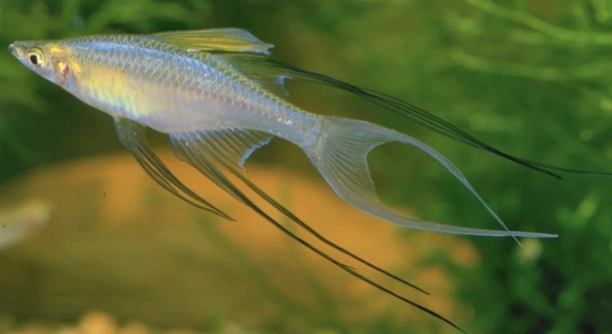
Have you ever watched your threadfins suddenly act restless, moving quickly around the tank, and wondered what might be causing their unusual behavior?
When threadfins become overstimulated, they often display erratic swimming patterns, rapid fin movements, or momentary color changes. This behavior is typically a stress response caused by excessive light, noise, overcrowding, or sudden environmental changes within their habitat.
Learning how to recognize these signs will help you create a calmer, safer environment where your threadfins can thrive peacefully.
Recognizing the Signs of Overstimulation
Threadfins are delicate fish that react quickly to changes in their surroundings. When overstimulated, you might notice them darting back and forth or staying near the surface. Their colors may also shift, appearing slightly duller or brighter depending on the level of stress. They might refuse food or display fin twitching, which signals discomfort. These changes often occur when the tank lighting is too strong or when there is too much movement nearby. Even small adjustments, like tapping on the glass or rearranging decorations, can upset them. Understanding these signs is important because overstimulation can weaken their immune system over time, making them more prone to illness. Keeping an eye on their behavior allows you to respond quickly, ensuring your threadfins stay comfortable and healthy in their environment without unnecessary stress.
Sometimes, overstimulation is caused by external noise, frequent handling, or an environment that lacks hiding spaces.
Creating a stable setting can make a big difference for threadfins that struggle with overstimulation. Soft lighting, minimal tank traffic, and calm surroundings can help them relax. Try maintaining a consistent feeding and cleaning schedule, as sudden changes can increase anxiety. A balanced environment will encourage natural behavior and reduce stress.
Helping Your Threadfins Stay Calm
Overstimulation can easily be reduced by adjusting small details in their environment. Lowering the brightness of tank lights, reducing noise around the aquarium, and providing gentle water movement can instantly help. Threadfins also benefit from having plants or driftwood to retreat behind when they feel uneasy.
It’s helpful to keep the tank setup as consistent as possible. Threadfins become stressed when their surroundings change too often. If you need to clean or rearrange decorations, do it gradually rather than all at once. Stable water temperature and proper filtration are equally important. Avoid overcrowding, as too many tank mates can make them anxious. Regularly test the water parameters to ensure ammonia and nitrate levels stay within a safe range. Feeding should also be moderate—excess food can cloud the water and create imbalance. You’ll notice calmer swimming patterns once the environment becomes predictable. Over time, your threadfins will begin to display their natural grace again, moving gently through the water with ease and confidence.
Adjusting Their Environment Safely
Start by keeping the lighting low and steady. Bright or constantly changing lights can make threadfins nervous. Use soft, dim lighting to mimic natural conditions. Avoid sudden movements around the tank, and keep it away from loud noises or areas with frequent human activity.
When making environmental changes, do them gradually. Threadfins react strongly to sudden shifts, especially in temperature or decor placement. If you’re introducing new plants or tank mates, add them one at a time to prevent stress. Keep water quality stable by testing regularly and performing small water changes instead of large ones. Stability helps them adjust more easily and keeps their stress levels low. Over time, you’ll notice calmer swimming patterns and consistent eating habits. They will appear more vibrant, showing that they feel comfortable and secure in their environment.
Adding enrichment can also make a big difference. Threadfins enjoy having hiding spots made of plants, caves, or smooth rocks. These areas give them privacy when they feel overwhelmed. Natural materials like driftwood can also soften the look of the tank, helping them feel more at ease. It’s important to ensure there’s enough space between objects to prevent crowding. A balanced tank design encourages natural exploration while still offering safety. When they feel secure, threadfins display smoother movements and spend more time exploring rather than hiding.
Understanding Behavioral Changes
Overstimulation often shows through their behavior. Threadfins might swim erratically, stay near the top, or isolate themselves from other fish. They may also flick their fins repeatedly or refuse to eat. These behaviors usually appear when their surroundings feel too busy or unpredictable.
It’s important to observe these patterns closely. Behavioral changes can indicate that something in the environment is affecting their comfort. Pay attention to the timing of these behaviors—after water changes, during feeding, or when lights turn on. This helps you pinpoint the source of stress. Once you identify it, make slow adjustments instead of quick fixes. For example, if noise triggers restlessness, try covering one side of the tank or moving it to a quieter location. Consistent calmness helps threadfins regain balance, promoting healthier interactions and smoother swimming. Their peaceful behavior is a clear sign that they feel safe and unstressed in their home.
Feeding and Routine Adjustments
Feeding your threadfins smaller portions at regular times helps maintain calm behavior. Overfeeding can cloud the water and raise stress levels. A consistent schedule creates predictability, which keeps them more relaxed and focused during feeding times.
Avoid sudden changes in their diet or feeding times. Threadfins are sensitive to disruptions, and irregular routines can cause uneasiness. Keep their diet balanced with high-quality flakes, small live foods, or frozen options. A stable feeding routine supports both their physical health and emotional balance.
Monitoring Water Conditions
Stable water conditions play a major role in reducing overstimulation. Check temperature, pH, and ammonia levels frequently to keep them within the ideal range. Threadfins become anxious when water quality shifts suddenly, so small, consistent adjustments are best. Proper filtration ensures clean water and steady oxygen flow.
Encouraging Natural Behavior
Threadfins thrive when they can move naturally and explore freely. Give them open swimming areas and gentle water currents. Avoid strong filters or bright lights that disturb their rhythm. Supporting their natural habits helps them stay calm, confident, and engaged with their surroundings.
FAQ
Why do my threadfins swim erratically sometimes?
Erratic swimming usually happens when threadfins feel overstimulated or stressed. It can be caused by sudden changes in light, temperature, or tank decorations. Even frequent tapping on the glass or loud noises nearby can trigger this behavior. Observing when it occurs helps pinpoint the source and adjust their environment.
What signs show that my threadfins are stressed?
Common signs include rapid fin flicking, staying near the surface or corners, refusing food, and dull or unusual color changes. Overstimulation may also cause them to hide more often or isolate themselves from other fish. Consistent observation of these behaviors is key to keeping them comfortable.
Can too many tank mates cause overstimulation?
Yes, overcrowding is a major factor in stress for threadfins. When there are too many fish, they compete for space and food, increasing anxiety. Ensuring adequate swimming areas and compatible tank mates helps them feel secure. Overcrowding can also affect water quality, adding another layer of stress.
How does lighting affect threadfin behavior?
Bright or constantly changing lights can overwhelm threadfins. They respond better to soft, consistent lighting that mimics natural conditions. Too much light may make them restless, while low and stable lighting encourages calm and predictable behavior throughout the day.
What is the best way to adjust their environment without stressing them?
Make changes gradually. Rearrange decorations or plants one at a time and avoid sudden water temperature shifts. Threadfins react to abrupt changes, so slow adjustments allow them to adapt naturally. Maintaining consistent water parameters and a predictable routine also minimizes stress.
How important is water quality for keeping threadfins calm?
Water quality is critical. Ammonia, nitrate, and pH levels outside the ideal range can make threadfins stressed and prone to illness. Regular testing and small, consistent water changes maintain stability. Clean, well-oxygenated water reduces overstimulation and supports overall health.
Can diet affect their stress levels?
Yes, feeding plays a role. Overfeeding clouds the water and increases stress. Feeding smaller portions at set times creates predictability and balance. High-quality flakes, live foods, or frozen options keep them healthy and reduce anxiety caused by sudden dietary changes.
Do threadfins benefit from hiding spots?
Absolutely. Plants, driftwood, or small caves provide privacy and comfort when they feel overstimulated. These areas allow them to retreat and feel secure. A tank with both open swimming spaces and hiding spots balances safety and natural behavior.
How do I know if my adjustments are working?
Watch for calmer swimming, regular feeding, and normal coloration. When threadfins start exploring, staying active without erratic movements, it’s a sign they feel secure. Patience is key—changes may take a few days or weeks before noticeable results appear.
Can frequent handling increase stress?
Yes. Threadfins are sensitive to physical contact and sudden disturbances. Avoid unnecessary handling and keep interactions minimal. Use nets gently and only when necessary, and allow them to adjust after any disturbance in the tank.
Is it normal for threadfins to hide a lot?
Occasional hiding is normal, especially if they are adjusting to a new tank or environment. Excessive hiding often indicates stress or overstimulation. Observing patterns and providing consistent care helps reduce excessive hiding while keeping them confident and comfortable.
How long does it take for threadfins to calm down after overstimulation?
The time varies depending on the severity and source of stress. With stable conditions, proper lighting, clean water, and a predictable routine, most threadfins begin showing calmer behavior within a few days to a week. Patience and careful observation ensure they adjust safely.
Can adding more fish make threadfins more stressed?
Adding new fish should be done carefully. Sudden introductions can increase anxiety and lead to erratic swimming or hiding. Introduce one fish at a time, monitor behavior, and maintain stable water conditions to prevent overstimulation during the adjustment period.
Are there any long-term effects of overstimulation?
Yes, prolonged overstimulation can weaken the immune system, making threadfins more susceptible to disease. It can also reduce appetite, slow growth, and affect coloration. Creating a calm and consistent environment helps prevent long-term health issues and supports natural behavior.
What daily habits help maintain calm threadfins?
Keeping a stable feeding schedule, monitoring water quality, providing hiding spots, and maintaining gentle lighting all contribute to lower stress. Minimizing noise and sudden movements around the tank also helps. Daily observation ensures early detection of any signs of overstimulation.
Can temperature swings cause overstimulation?
Threadfins are sensitive to temperature changes. Even a few degrees difference can make them anxious. Use a reliable heater and thermometer to maintain a steady temperature. Gradual adjustments are safer than sudden shifts, which can trigger stress responses and erratic swimming.
Is tank size a factor in overstimulation?
Yes, threadfins need enough space to swim freely. Small or overcrowded tanks increase stress, limit movement, and raise aggression risks. Providing adequate swimming areas along with hiding spots ensures a balanced environment where they feel safe and calm.
How do I tell the difference between normal activity and overstimulation?
Normal activity is steady, purposeful swimming, regular feeding, and occasional hiding. Overstimulation shows as rapid, erratic movements, color changes, fin flicking, or prolonged hiding. Observing behavior over time helps distinguish between regular activity and stress responses.
Are there any environmental triggers I might overlook?
Yes. Loud household sounds, vibrations, sudden lighting changes, or frequent tank maintenance can trigger overstimulation. Even minor disturbances like moving furniture nearby can affect threadfins. Awareness of these subtle factors helps maintain a calm, stable environment.
What role do plants play in reducing stress?
Plants provide cover and mimic a natural habitat, offering security when threadfins feel threatened. They also break up visual space, reducing overstimulation from constant movement or bright lights. A well-planted tank supports exploration while giving fish safe retreat areas.
How do I introduce changes without causing more stress?
Implement one change at a time, such as adding a new decoration or adjusting water flow slightly. Observe their behavior before making further changes. Slow, deliberate adjustments allow threadfins to adapt comfortably without triggering excessive stress.
Can lighting schedules affect their behavior?
Yes, consistent lighting schedules help threadfins establish a rhythm. Sudden shifts or irregular patterns can make them anxious. Using a timer for lights ensures predictability, supporting calm behavior and reducing overstimulation during daily activity cycles.
What is the best way to calm a stressed threadfin?
Provide a quiet, stable environment with gentle lighting, clean water, and hiding spaces. Reduce tank disturbances and maintain a predictable feeding routine. With patience, threadfins gradually return to normal swimming patterns and exhibit natural, relaxed behavior over time.
How do I prevent future overstimulation?
Maintain stable water conditions, avoid overcrowding, and keep a consistent feeding schedule. Provide soft lighting, hiding spots, and gentle water flow. Monitor behavior daily and respond to small changes promptly. Prevention is easier than correcting prolonged stress, ensuring threadfins remain calm and healthy.
What small adjustments make the biggest difference?
Softening lighting, reducing tank noise, spacing out decorations, and providing predictable feeding routines are simple but effective measures. Small, consistent changes create a secure environment, promoting calm behavior and minimizing overstimulation for threadfins.
How often should I check water parameters?
Testing water at least twice a week is recommended. Temperature, pH, ammonia, nitrite, and nitrate levels should remain stable. Regular monitoring prevents sudden changes that could overstimulate threadfins and ensures long-term health and comfort.
Do threadfins need companions to stay calm?
They benefit from compatible tank mates but too many can increase stress. Choose peaceful species and avoid overcrowding. Providing open swimming space and hiding spots ensures both social interaction and personal space, helping them stay calm and balanced.
Can stress affect their coloration permanently?
Prolonged stress can dull threadfins’ colors temporarily and, in extreme cases, may affect long-term vibrancy. Maintaining stable conditions, proper diet, and low-stress surroundings supports healthy, natural coloration and reduces the risk of permanent changes.
How can I tell if hiding behavior is normal?
Short periods of hiding are normal, especially after changes or feeding. Excessive hiding, refusal to eat, or constant isolation indicates stress or overstimulation. Adjusting the environment and monitoring their routine helps restore confidence and balanced behavior.
What are common mistakes that cause overstimulation?
Frequent tank disturbances, sudden water changes, bright or inconsistent lighting, overcrowding, and irregular feeding schedules are common triggers. Awareness of these mistakes helps prevent stress, ensuring threadfins remain calm, healthy, and display natural behaviors consistently.
Is water movement important for calming threadfins?
Yes, gentle, steady water flow supports natural swimming behavior. Strong currents can cause anxiety and erratic movements. Balanced water movement, combined with hiding spots and open swimming areas, creates a calm and comfortable environment.
How do I know if my efforts are working?
Calmer swimming, regular feeding, vibrant coloration, and decreased hiding are signs that adjustments are effective. Threadfins gradually show relaxed and confident behavior when their environment supports comfort and reduces overstimulation.
Can threadfins recover fully from past stress?
Yes, with consistent care and a stable environment, threadfins can recover from overstimulation. Recovery includes normal swimming patterns, healthy feeding, and restored coloration. Patience and attention to their needs ensure they regain comfort and confidence in their habitat.
How important is tank layout in reducing stress?
Tank layout is very important. Open swimming areas combined with hiding spots create balance. Too many decorations or poor spacing increases anxiety, while thoughtful placement promotes natural exploration, calm behavior, and overall well-being.
Can temperature fluctuations at night affect them?
Even small drops in temperature at night can make threadfins uneasy. Using a stable heater and monitoring overnight temperatures prevents stress and supports consistent, calm behavior around the clock.
How do I balance enrichment and calm?
Provide hiding spots, gentle water flow, and space to explore. Avoid overcrowding and sudden changes. Balanced enrichment encourages natural behavior without causing overstimulation, helping threadfins feel safe while remaining active and engaged.
Is consistent observation necessary?
Yes, daily observation helps detect subtle changes in behavior or health. Early detection of stress allows for timely adjustments, preventing overstimulation and supporting long-term well-being for threadfins.
How do I reduce stress during cleaning?
Clean in small sections and avoid disturbing the entire tank at once. Keep water parameters stable, handle fish minimally, and maintain a predictable schedule. This approach reduces anxiety and prevents overstimulation during maintenance.
Can sound and vibration affect threadfins?
Yes, loud sounds and vibrations can cause anxiety. Place tanks away from high-traffic areas and minimize disturbances to reduce overstimulation and help them feel secure in their environment.
How do I know if new tank mates are compatible?
Observe their behavior closely when introducing new fish. Peaceful, slow-moving species usually integrate well. Avoid aggressive or overly active fish, which can stress threadfins and lead to erratic movements or hiding.
Are there any quick fixes for overstimulation?
Immediate fixes are limited. Reducing lighting, noise, and water flow can help temporarily. Long-term calm comes from stable, consistent care, balanced diet, and proper tank setup, which collectively reduce overstimulation more effectively than quick solutions.
Can stress affect their appetite long-term?
Yes, prolonged stress may reduce appetite and slow growth. Maintaining a calm environment, consistent feeding, and stable water conditions restores normal feeding patterns and overall health.
How do I prevent stress when adding decorations?
Introduce new decorations gradually, one at a time, and observe reactions. Ensure open swimming areas remain, and place objects so fish have hiding spots without feeling crowded. Slow changes prevent overstimulation and help threadfins adapt comfortably.
Can lighting color affect them?
Yes, harsh white or blue lights may increase stress. Soft, warm, or natural-colored lighting is more comfortable and supports relaxed behavior while allowing natural coloration to show.
How long should adjustments take to show results?
Behavioral improvements typically appear within days to a week, depending on the fish and severity of stress. Patience is essential—slow, consistent adjustments lead to lasting calm and natural behavior in threadfins.
What daily habits reduce overstimulation most effectively?
Consistent feeding, stable water conditions, gentle lighting, minimal disturbances, and observation form the core habits. These practices prevent stress, maintain calm behavior, and ensure threadfins thrive in their environment.
Can they recognize routine changes?
Yes, threadfins notice sudden changes in feeding, lighting, or tank layout. Predictable routines reduce anxiety and promote calm, while abrupt changes trigger stress responses and erratic behavior.
How do I balance light and darkness for them?
Maintain a regular light schedule using a timer. Ensure some dark periods for rest, mimicking natural day-night cycles. Predictable lighting helps threadfins stay relaxed and reduces overstimulation.
What minor environmental tweaks make the biggest difference?
Soft lighting, gentle water flow, hiding spots, and a stable feeding routine all have significant impact. Small, consistent adjustments create calm conditions, reducing overstimulation and supporting healthy, confident behavior.
Can water chemistry changes affect them immediately?
Yes, sudden shifts in pH, ammonia, or temperature can cause immediate stress. Gradual adjustments and consistent monitoring prevent overstimulation and support long-term health.
Are threadfins more sensitive than other fish?
Threadfins are particularly sensitive to environmental changes and disturbances. Compared to some species, they react more strongly to light, noise, water flow, and tank layout, requiring careful attention to maintain calm conditions.
How do I know if they are comfortable in the tank?
Calm swimming, regular feeding, exploring, and occasional hiding indicate comfort. Erratic movements, color changes, or excessive hiding suggest overstimulation. Observation over time provides clear signs of their comfort level.
Can stress affect breeding behavior?
Yes, overstimulation can reduce interest in breeding and affect reproductive health. Calm, stable environments with proper diet and routine increase the likelihood of normal reproductive behavior in threadfins.
Do seasonal changes affect their stress levels?
Sudden seasonal changes can influence temperature, lighting, and water quality. Maintaining stable conditions inside the tank helps prevent overstimulation despite external seasonal shifts.
What is the most effective way to calm threadfins quickly?
Immediate calming comes from dimming lights, reducing noise, and providing hiding spots. Long-term calm requires consistent care, stable water, and a predictable routine, ensuring they remain comfortable and stress-free.
How do I maintain calm while introducing new elements?
Add one element at a time, monitor behavior, and keep water parameters stable. Gradual introductions prevent overstimulation and help threadfins adapt confidently to changes.
Can small fish movements in the tank stress threadfins?
Yes, overly active or aggressive tank mates can trigger stress. Observe interactions carefully and adjust species composition or tank layout to maintain a calm environment.
How often should I observe their behavior?
Daily observation is ideal. Early detection of erratic swimming, hiding, or color changes allows timely adjustments, preventing prolonged overstimulation and supporting healthy, confident threadfins.
Do hiding spots need to be permanent?
Not necessarily, but consistent access to safe areas reduces stress. Rearranging occasionally is fine if done gradually, maintaining security while allowing natural exploration.
Can overfeeding cause behavioral changes?
Yes, excess food can cloud water, increase bacteria, and cause stress. Smaller, controlled portions at regular times prevent overstimulation and maintain a healthy environment.
Is it normal for threadfins to react to household activity?
Yes, sudden movements, loud sounds, or vibrations can trigger stress responses. Minimizing disturbances near the tank helps maintain calm behavior and reduces overstimulation.
What adjustments help them after tank relocation?
Gradually acclimate them to the new tank, maintain stable water conditions, and provide hiding spots. Avoid sudden movements or handling to reduce stress and encourage natural behavior.
Can temperature swings during water changes stress them?
Yes, large differences in water temperature can cause anxiety. Use water close to tank temperature and add it slowly to prevent overstimulation and maintain calm behavior.
How do I support shy threadfins?
Provide plenty of hiding spots, avoid sudden disturbances, and maintain gentle water flow. Over time, they gain confidence, explore more, and show calmer, more balanced behavior.
Can stress affect growth?
Yes, prolonged stress can slow growth by reducing appetite and impacting overall health. Stable conditions, proper diet, and minimal disturbances support normal growth and development.
Do they recover from short-term overstimulation quickly?
Short-term overstimulation usually resolves within a day or two if the environment stabilizes. Consistent care and reduced stress triggers help threadfins return to normal behavior promptly.
What daily checks prevent overstimulation?
Monitor water quality, observe behavior, ensure proper lighting, maintain feeding routines, and minimize disturbances. Daily attention prevents stress and supports calm, healthy threadfins.
Can adding decorations suddenly stress them?
Yes, abrupt placement of new objects can cause anxiety. Introduce items slowly, monitor behavior, and keep open swimming areas to prevent overstimulation.
Do threadfins respond differently to each type of light?
Yes, harsh or bright lights increase stress. Soft, natural-colored lighting is preferable, encouraging calm behavior and natural coloration.
How can I tell if water movement is too strong?
Erratic swimming against currents, frequent hiding, or fin flicking indicate strong water flow. Adjust filters or pumps to create gentle, steady movement suitable for threadfins.
What is the safest way to handle stressed threadfins?
Minimize handling, move slowly if necessary, and avoid sudden disturbances. Gentle care, combined with a stable environment, helps them recover and stay calm.
Can stress trigger illness?
Yes, prolonged stress weakens the immune system, increasing susceptibility to disease. Maintaining calm conditions, proper diet, and stable water quality helps prevent stress-related health issues.
How do I maintain calm long-term?
Consistency is key. Stable water, gentle lighting, hiding spots, minimal disturbances, regular feeding, and observation ensure threadfins remain comfortable, confident, and healthy over time.
Are threadfins sensitive to vibrations?
Yes, even minor vibrations can trigger stress. Place the tank on a stable surface and reduce nearby activity to prevent overstimulation.
Can adding too many plants cause stress?
Overcrowding with plants can limit swimming space and increase anxiety. Balance hiding spots with open areas for natural exploration to maintain calm behavior.
How do I know if stress is decreasing?
Calmer swimming, regular feeding, exploration, and vibrant coloration indicate reduced stress. Observation over days to weeks shows whether adjustments are effective.
**Do threadfins react to changes in water
Final Thoughts
Threadfins are delicate fish that respond strongly to changes in their environment. Their behavior can shift quickly when they feel overstimulated, whether due to lighting, noise, water quality, or sudden movements around their tank. Observing these behaviors carefully helps in understanding what they need to feel secure. When they dart erratically, hide often, or flick their fins repeatedly, it is usually a sign that something in the tank is stressing them. Even small adjustments, like reducing the brightness of lights or providing more hiding spots, can make a significant difference in calming them. Consistency is key because threadfins rely on predictable routines to feel safe. Gradual changes are better than sudden ones, whether it is introducing new tank mates, rearranging decorations, or performing water changes. By paying attention to their responses, you can make thoughtful adjustments that improve their comfort and overall health.
Maintaining stable water conditions is one of the most important factors in reducing overstimulation. Threadfins are sensitive to changes in temperature, pH, ammonia, and nitrate levels. Even small fluctuations can trigger stress responses that affect their behavior and appetite. Testing water regularly and performing small, consistent water changes helps create a reliable environment. A well-functioning filter and gentle water flow contribute to a calmer atmosphere. Feeding routines also play a role; smaller, consistent portions help threadfins feel secure and maintain predictable habits. Overfeeding or irregular schedules can increase anxiety and make the tank feel chaotic to them. Along with water and feeding management, providing a balanced tank layout that combines open swimming areas with places to hide ensures they can explore naturally without feeling overwhelmed. These combined measures support both their physical health and emotional balance.
Overstimulation in threadfins is manageable when approached with patience and care. Observing their behavior, identifying sources of stress, and making gradual adjustments create an environment where they can thrive. Threadfins benefit from stability, gentle lighting, hiding spots, and compatible tank mates. Noise, vibrations, and sudden movements should be minimized, and enrichment should be balanced with calm areas to encourage natural behaviors. Recovery from stress may take days or weeks, depending on the severity, but with careful attention, threadfins can regain their natural swimming patterns, coloration, and feeding habits. Supporting their well-being is an ongoing process that combines observation, consistent care, and thoughtful changes. By understanding their needs and responding thoughtfully, you can create a calm, safe, and healthy habitat where threadfins remain active, confident, and comfortable in their aquatic home.

Hello,
If you enjoy the content that we create, please consider saying a "Thank You!" by leaving a tip.
Every little bit helps us continue crafting quality advice that supports the health, happiness, and well-being of pets around the world, for pets of all shapes, sizes, and species.
We really appreciate the kindness and support that you show us!