
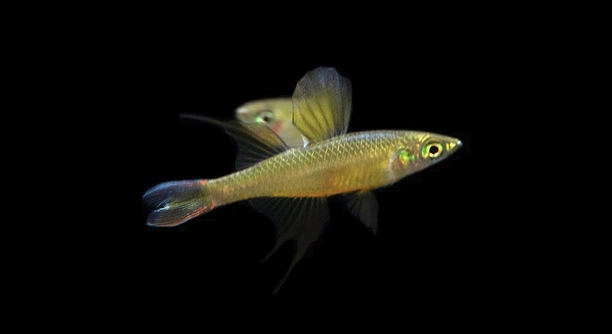
Do you ever notice how your threadfins swim around their tank, gently exploring the plants and decorations you provide? They often linger near greenery, moving gracefully among the leaves, creating a calm and peaceful atmosphere in your aquarium.
Threadfins can detect changes in their environment, including the removal of plants. They respond to such changes through altered swimming patterns and increased exploration, indicating an awareness of their surroundings and the importance of plant structures for comfort and security.
Understanding how these fish react to environmental changes can help you maintain a stable and healthy aquarium for them. Small adjustments in their habitat can significantly influence their behavior and well-being.
How Threadfins Interact With Plants
Threadfins often use plants as more than just decoration in their tanks. They swim through leaves, brushing against them gently, and sometimes rest near plant bases. These fish seem to enjoy having hiding spots, which provide security and reduce stress. When a plant is removed, they may explore the area more cautiously, checking for changes. Threadfins rely on familiar structures in their environment to feel comfortable, so any alteration can slightly disrupt their routine. Even small plants can make a noticeable difference in how they behave. Observing them can reveal subtle signs of curiosity or anxiety. Some threadfins will spend extra time near the remaining plants, almost as if seeking comfort. Others might change their swimming patterns temporarily, adjusting to the new open space. Their awareness of their surroundings shows a level of environmental sensitivity that is interesting to watch.
Plants help threadfins feel safe, and removing them can briefly affect their behavior.
Noticing how threadfins react to plant removal can improve tank management. By adding or rearranging plants carefully, you support natural behaviors. Over time, threadfins learn to adapt, but consistent changes can stress them. Observing their response helps maintain a balanced environment. This approach also encourages healthier swimming patterns and reduces aggression or restlessness. Paying attention to their comfort zones ensures they thrive.
Signs of Plant Removal Stress
Threadfins may display subtle changes in behavior when a plant is removed from their tank.
Changes in swimming habits are one of the first signs of plant removal. Some fish might swim in tighter circles or hover near tank corners. They may spend more time near remaining plants or decorations, seeking safety. A few threadfins could even pause more frequently in open areas, showing hesitation before moving. Their feeding routines may also shift, with some becoming slower to approach food until the environment feels familiar again. Watching for these behaviors helps identify stress early. In addition, physical signs like slight changes in fin movement or color intensity can appear temporarily. By noting these reactions, aquarists can make gradual adjustments to plants, ensuring minimal disruption. Gradual plant removal or rearrangement often allows threadfins to adapt quickly, maintaining their comfort. Observing their response not only improves tank aesthetics but also promotes better overall fish health. Consistent care and attention to these details create a stable and engaging environment for the fish.
Adjusting to Plant Changes
Threadfins often take time to adjust after a plant is removed. They explore the new space slowly, inspecting corners and remaining decorations. This adjustment period is usually short if the tank remains stable.
During this period, threadfins may change their swimming patterns. They might hover near the bottom or edges of the tank, cautiously moving through areas that were once covered by plants. Some fish return repeatedly to remaining plants for reassurance. Providing consistent water conditions and avoiding sudden rearrangements helps them feel secure. Patience is key, as most threadfins gradually resume normal behavior once they become familiar with the new layout.
Keeping a few stable plants or decorations during transitions can support their comfort. Threadfins respond well to gradual changes, and repeated observation can help gauge their stress levels. Offering similar types of plants or hiding spots allows them to maintain a sense of territory. Over time, they learn to navigate the tank confidently, and their swimming patterns normalize. Recognizing these adjustment behaviors can make tank management smoother and keep the fish content.
Best Practices for Plant Removal
Remove plants slowly to minimize stress in threadfins. Sudden changes can increase anxiety and alter behavior noticeably.
Gradual removal allows threadfins to adapt naturally. Start by trimming plants or moving them to different areas rather than removing all at once. Observing their reactions during this process can guide further changes. Maintaining water quality, stable temperature, and consistent feeding routines is equally important. A few remaining plants or decorations provide a sense of security, helping fish feel less exposed. Threadfins quickly notice changes but cope better when adjustments are gentle and predictable. These small steps make the tank environment safer and more comfortable.
Introducing new plants or rearranging existing ones should also follow a careful approach. Consider replacing plants with similar textures or shapes to help threadfins adjust. Avoid overcrowding or creating entirely open spaces that might make them feel vulnerable. Watching their behavior after each modification ensures that stress levels remain low. Using familiar decorations alongside new elements supports exploration while keeping comfort intact. Over time, threadfins become accustomed to these changes, maintaining natural swimming and resting patterns. Consistency, patience, and observation are key to creating a balanced environment where they thrive.
Observing Threadfin Reactions
Threadfins may pause more often near empty spaces where plants once stood. They sometimes swim slowly, inspecting the area carefully.
Some threadfins hover near remaining decorations or the tank edges. This behavior helps them feel secure until they adjust to the change.
Supporting Comfort After Plant Removal
Providing alternative hiding spots or decorations can help threadfins feel secure after a plant is removed. Using similar plants or small structures maintains familiarity. Avoid sudden changes in tank layout, as threadfins respond better to gradual adjustments. Monitoring their swimming and resting patterns ensures they remain comfortable. Consistent feeding routines and stable water conditions also support adaptation. Observing how they interact with remaining plants helps identify if more adjustments are needed. Over time, they become confident moving through new areas, showing reduced stress and returning to normal behavior. Patience and gradual changes create a safer environment.
Minimal Stress Techniques
Keeping a few plants in the tank reduces stress when removing others. Gradual changes help threadfins adapt comfortably.
FAQ
Do threadfins always notice when a plant is removed?
Threadfins are highly aware of their surroundings, so they usually notice when a plant disappears. Their response can vary depending on the size of the tank, the number of remaining decorations, and their previous familiarity with the plant. Some may explore the area cautiously, while others immediately seek alternative hiding spots.
How long does it take for threadfins to adjust to plant removal?
Adjustment time depends on the individual fish and the tank environment. Most threadfins take a few hours to a couple of days to resume normal swimming patterns. Keeping water conditions stable and avoiding additional sudden changes helps shorten the adjustment period.
Will threadfins become stressed if multiple plants are removed at once?
Yes, removing several plants at once can cause noticeable stress. Threadfins may swim in tighter circles, hover near tank edges, or display hesitation when moving through open spaces. Gradual removal is always preferable to prevent stress and maintain comfort.
Can adding new plants help threadfins adapt?
Introducing new plants can support adaptation if done carefully. Choosing plants with similar textures or sizes helps threadfins feel familiar with their environment. Gradual placement and observation ensure the fish remain comfortable while exploring new areas.
Do all threadfins react the same way to plant removal?
No, reactions vary by personality and previous experiences. Some threadfins are naturally bolder and adjust quickly, while others are shy and take longer to regain confidence. Observing each fish’s behavior individually is important for maintaining a balanced environment.
Are there signs of stress specific to plant removal?
Signs include altered swimming patterns, increased hiding, pausing in open spaces, and temporary changes in feeding behavior. Minor color changes or slight fin clamping may also appear. These signs usually fade once the fish adapts to the new environment.
How can I minimize stress during plant removal?
Remove plants gradually, leaving a few remaining for security. Maintain consistent water conditions, stable temperature, and predictable feeding routines. Using decorations or alternative hiding spots helps threadfins feel safe while adapting to the changes.
Is it necessary to replace removed plants immediately?
Not always. Threadfins can adjust to open spaces, but providing similar plants or decorations supports their natural behaviors. If the tank feels too empty, adding replacements gradually can help maintain comfort and reduce stress.
Do threadfins interact differently with remaining plants after removal?
Yes, they often spend more time near remaining plants, using them as safe zones. They may revisit these areas frequently, seeking reassurance until they become confident navigating open spaces. This behavior highlights the importance of stable hiding spots in the tank.
Can frequent plant removal negatively affect threadfins?
Frequent or sudden changes can increase stress over time, leading to disrupted swimming patterns, reduced appetite, or heightened anxiety. Consistency in tank layout and gradual adjustments ensure threadfins remain healthy, comfortable, and engaged in their environment.
Should I monitor threadfins closely after removing a plant?
Yes, close observation helps identify any stress-related behaviors early. Watching swimming patterns, feeding habits, and interactions with remaining plants allows you to make small adjustments to reduce discomfort and support smooth adaptation.
Do threadfins eventually forget about the removed plants?
Over time, threadfins adapt to the absence and resume normal behaviors. While they may initially inspect the empty space, most adjust fully within days, focusing on remaining plants and decorations for comfort and navigation.
Can tank size influence how threadfins react to plant removal?
Yes, smaller tanks often make changes more noticeable, while larger tanks provide more space to explore, which can reduce stress. Tank size, combined with the number of plants and hiding spots, directly affects how quickly threadfins adjust.
Is plant removal stressful if done during feeding time?
Yes, removing plants during feeding can temporarily increase anxiety. Fish may become distracted or hesitant to eat. It is better to remove plants before or after feeding to minimize disruption to their routine and comfort.
Do threadfins need specific types of plants for comfort?
Not necessarily, but soft-leaved or bushy plants provide hiding spaces and reduce exposure. Dense foliage allows threadfins to feel secure, and maintaining a variety of plants supports their natural behaviors.
Can alternative decorations replace plants completely?
Some decorations, like caves or dense structures, can partially replace plants for hiding purposes. However, threadfins often prefer natural plant textures and movement, so using a combination of both works best for maintaining comfort.
Do threadfins explore empty spaces after plant removal?
Yes, they tend to explore open areas cautiously, often pausing or circling before moving through. Gradual exploration is normal and indicates curiosity rather than fear, especially when remaining plants are present as reference points.
Should I rearrange the tank when removing plants?
Rearranging can help balance empty areas but should be done carefully. Sudden major changes can increase stress. Small, incremental adjustments allow threadfins to adapt without disrupting swimming patterns or comfort levels.
How can I tell if a threadfin has fully adjusted to plant removal?
Signs of full adjustment include normal swimming patterns, regular feeding, and reduced hovering near remaining plants. They move confidently through the tank, explore open areas without hesitation, and resume typical resting and social behaviors.
Is it better to remove plants one at a time or in groups?
Removing one plant at a time is safer. This gradual approach minimizes stress, allows threadfins to adjust, and makes it easier to observe reactions and provide support with remaining decorations.
Can lighting changes affect threadfins during plant removal?
Yes, bright or sudden changes in lighting can increase stress. Keeping lighting consistent while removing plants helps threadfins feel secure and reduces anxiety during adjustment.
Do threadfins notice plant removal more in planted tanks than sparsely decorated ones?
Yes, the more planted a tank, the more obvious the absence becomes. Threadfins in sparsely decorated tanks may adapt faster, while heavily planted environments can make the removal more noticeable and initially stressful.
Are some threadfins more sensitive to changes than others?
Yes, individual personalities vary. Shyer threadfins are more likely to display hesitation or hiding behaviors, while bolder fish may explore quickly. Recognizing these differences ensures proper care and smoother adaptation for all fish.
How often can I safely rearrange plants without stressing threadfins?
Occasional adjustments are fine, but frequent major changes can increase stress. Gradual, spaced-out modifications allow threadfins to adapt comfortably while maintaining normal behavior and overall well-being.
Can removing plants affect breeding behavior in threadfins?
Yes, insufficient hiding spaces can reduce comfort and influence breeding behavior. Maintaining some dense foliage or safe areas supports natural spawning habits and reduces stress during plant removal or tank rearrangement.
Do threadfins react to temporary plant removal differently than permanent removal?
Temporary removal usually causes short-term curiosity or hesitation. Permanent removal may lead to longer adjustment periods, but with gradual changes, threadfins typically regain confidence and resume normal behavior within days.
Are artificial plants as effective as real plants for comfort?
Artificial plants can provide hiding spaces, but natural textures often offer more security and stimulation. Combining both types ensures threadfins feel safe while maintaining a manageable tank environment.
Does plant removal affect the social behavior of threadfins?
Yes, fish may cluster near remaining plants or become more cautious around tankmates until they adjust. Observing social interactions helps determine if additional hiding spaces are needed to reduce tension.
How can I monitor stress levels effectively after plant removal?
Watch swimming patterns, feeding behavior, and interactions with remaining plants. Pauses, circling, or excessive hiding indicate stress, while normal activity shows successful adaptation. Gradual adjustments based on these observations keep threadfins comfortable.
Is patience the most important factor when removing plants?
Yes, allowing threadfins time to adjust without rushing changes ensures they remain healthy and confident in their environment. Gradual plant removal and careful observation are key to reducing stress and maintaining natural behavior.
What is the safest approach for removing plants in a multi-species tank?
Remove plants gradually, observe all species’ reactions, and maintain consistent water conditions. Providing multiple hiding spots ensures every fish has security, reducing conflict and stress during adjustments.
Do threadfins explore new plants immediately after introduction?
Most threadfins investigate new plants cautiously. Initial hesitation is normal, but over time, they interact with and use the plants for hiding, resting, or swimming patterns. Gradual introduction supports comfort and natural behavior.
Can I combine plant trimming with removal to reduce stress?
Yes, trimming slowly before removal helps threadfins adjust gradually. This approach prevents sudden empty spaces and allows fish to explore familiar structures while adapting to changes.
Do young threadfins react differently to plant removal than adults?
Younger fish may be more cautious and take longer to explore empty areas. Adults are usually bolder and adjust faster, but individual personality still plays a significant role in reaction and adaptation.
Is monitoring feeding behavior a good indicator of stress?
Yes, threadfins that hesitate to eat or change feeding patterns after plant removal are likely stressed. Consistent observation ensures adjustments can be made to restore comfort and normal behavior.
Do threadfins ever ignore plant removal entirely?
Some bolder individuals may not react strongly, especially in tanks with ample space or remaining hiding spots. Their confidence allows them to explore without noticeable stress, though most notice changes to some degree.
Can removing one large plant have the same effect as several small ones?
Yes, large plants often serve as key hiding spaces. Removing one can have a significant impact, while several small plants may create more gradual changes. Observing fish behavior helps gauge the effect accurately.
Is there a risk of injury when threadfins explore empty spaces after plant removal?
Usually, no, as long as decorations are safe and water conditions are stable. Caution is advised with sharp objects or sudden currents that could increase risk during exploration.
Can plant removal affect overall tank harmony?
Yes, changes in hiding spaces can temporarily alter interactions between fish. Providing multiple secure areas maintains harmony while allowing threadfins to adjust to new tank conditions.
Are there benefits to occasional plant removal?
Yes, occasional removal can improve water flow, reduce debris buildup, and encourage exploration. Gradual changes keep stress minimal while benefiting the overall tank environment and fish activity.
Do threadfins communicate stress to tankmates after plant removal?
Indirectly, yes. Observing cautious behavior, clustering, or hesitation can influence other fish. Ensuring sufficient hiding spaces prevents stress from spreading to tankmates.
How do I know if I removed too many plants at once?
If threadfins show prolonged hiding, reduced feeding, or erratic swimming, it indicates too many plants were removed at once. Gradual restoration or additional hiding spaces helps restore comfort.
Can threadfins form new comfort zones after plant removal?
Yes, over time they learn to use remaining plants or decorations as new reference points, maintaining natural behaviors and secure swimming patterns throughout the tank.
Does water temperature affect adjustment to plant removal?
Stable temperature helps threadfins adjust more easily. Sudden fluctuations can add stress, so keeping conditions consistent during and after plant removal is important for smooth adaptation.
Is it helpful to remove plants during quiet periods in the day?
Yes, doing so during calm periods reduces stress. Fish are less likely to be startled, allowing gradual exploration and better adaptation to changes in the tank.
How often should I check on threadfins after plant removal?
Frequent short observations during the first few hours and daily checks afterward are sufficient. This allows you to detect stress early and make small adjustments if needed.
Can removing plants improve swimming space?
Yes, clearing some areas can encourage exploration and swimming activity. Gradual removal ensures fish remain comfortable while benefiting from additional open space for movement.
Are threadfins more sensitive to plant removal than other species?
Threadfins are generally sensitive due to their reliance on structures for comfort. Other species may be less cautious, but threadfins’ reactions highlight the importance of gradual changes and stable environments.
What is the key to successful plant removal for threadfins?
Patience, gradual changes, consistent water conditions, and close observation. Providing remaining hiding spaces and monitoring behavior ensures threadfins adapt safely and maintain natural habits.
Do artificial plants reduce stress as effectively as live plants?
Artificial plants provide hiding spaces, but live plants offer texture and movement that may feel more natural. A combination ensures security while keeping tank maintenance manageable.
Can sudden plant removal cause long-term behavior changes?
If done carefully, long-term effects are minimal. Sudden, repeated removal can increase stress or cause temporary cautious behavior, but most threadfins adapt fully with proper care.
Is it better to remove plants in stages or all at once?
Removing plants in stages is safer, reduces stress, and allows observation of individual fish reactions. Gradual removal supports adaptation while maintaining comfort and natural behavior.
Do threadfins remember the location of removed plants?
They may initially search or hover in the empty space, but over time, they adapt and shift focus to remaining decorations or new hiding spots.
How can I make plant removal less stressful for shy threadfins?
Leave multiple hiding spots, remove plants gradually, and maintain water and feeding routines. Observing behavior ensures shy fish adjust without prolonged stress.
Do threadfins need visual barriers after plant removal?
Visual barriers, like remaining plants or decorations, reduce exposure and help them feel secure. This is particularly helpful immediately after plant removal for shy or cautious fish.
Can plant removal affect nighttime behavior?
Yes, fewer hiding spots can make threadfins more cautious at night. Maintaining some secure areas helps them rest comfortably without increased anxiety.
Are there behavioral cues that indicate successful adaptation?
Normal swimming patterns, regular feeding, confident exploration of open spaces, and reduced hovering near remaining plants all indicate threadfins have adapted successfully.
Is it safe to remove plants in tanks with multiple species?
Yes, if done gradually and with sufficient hiding spots. Observing interactions ensures all species remain comfortable and reduces the risk of stress-related conflicts.
Can plant removal influence aggression in threadfins?
Temporary increases in caution or clustering may occur, but maintaining hiding spaces and gradual changes prevents significant aggression, ensuring harmonious tank behavior.
Do threadfins prefer certain areas after plant removal?
They often favor remaining plants, corners, or stable decorations, using these areas as reference points and secure zones while adjusting to open spaces.
Can feeding location help threadfins adjust after plant removal?
Yes, feeding near remaining plants encourages exploration while providing security. Gradually moving food locations helps them adapt to open spaces comfortably.
How important is observation during plant removal?
Observation is critical. Watching behavior, feeding, and swimming patterns ensures stress is minimized and allows timely adjustments to support threadfin comfort.
Do all threadfins show visible stress after plant removal?
Not all. Bold or confident individuals may adapt quickly with little visible stress, while shyer fish show clear caution and require more careful observation.
Can I combine plant removal with tank cleaning?
Yes, but avoid sudden large changes. Gradual cleaning combined with careful plant adjustment minimizes stress while keeping the tank healthy.
Are there signs that indicate too frequent plant removal?
Prolonged hiding, loss of appetite, or disrupted swimming patterns suggest changes are too frequent. Gradual, spaced-out adjustments prevent long-term stress.
Does plant type influence stress levels during removal?
Yes, dense or bushy plants are often more critical for hiding, so removing them has a greater impact than thin or sparse plants.
Is gradual removal the safest approach for all tank sizes?
Yes, regardless of tank size, gradual removal reduces stress and allows threadfins to adapt while maintaining natural behavior and comfort throughout the environment.
How does tank complexity affect threadfins’ reaction?
Complex tanks with multiple hiding spots reduce stress during plant removal. Fish have alternative areas to explore, making adaptation smoother and more confident.
Can plant removal affect molting or growth in threadfins?
Indirectly, prolonged stress can slow growth or molting. Gradual adjustments and maintaining hiding spaces ensure normal development and reduce stress-related impacts.
Is it helpful to observe threadfins at different times of day?
Yes, observing both during activity periods and rest periods helps gauge adjustment and comfort levels accurately after plant removal.
Do threadfins react differently to artificial vs. real plant removal?
They notice changes in both, but live plants may elicit stronger initial curiosity due to texture and movement. Gradual removal is important in either case.
How can I tell if threadfins are exploring or stressed?
Exploration is cautious but confident, with pauses followed by movement. Stress shows as repeated hiding, clinging to corners, or erratic swimming patterns.
Does feeding frequency influence adjustment?
Consistent feeding helps threadfins feel secure, making adaptation to plant removal smoother. Sudden changes in feeding schedules can increase anxiety during this period.
Are all adjustments visible immediately?
No, some behaviors, like reduced feeding or cautious swimming, may appear hours later. Continued observation ensures threadfins adapt comfortably over time.
Can social hierarchy affect response to plant removal?
Yes, dominant fish may claim remaining plants or hiding spots first, while subordinate fish take longer to adjust. Providing multiple secure areas helps all fish adapt safely.
Is it normal for threadfins to explore removed plant areas repeatedly?
Yes, repeated inspection of empty spaces is common. They gradually shift focus to new or remaining hiding spots as confidence returns.
Does plant removal impact lighting preferences?
Not directly, but fewer plants may make bright lighting feel more exposing. Maintaining consistent lighting helps reduce stress and supports comfort during adaptation.
Are behavioral changes permanent after plant removal?
Generally, no. Most threadfins return to normal swimming, feeding, and resting behaviors once they adapt to the new tank layout.
Can introducing new plants too soon cause stress?
Yes, sudden new plants may confuse fish. Gradual introduction alongside remaining familiar structures supports comfort and natural exploration.
Is it better to observe threadfins from a distance or closely during adjustments?
A balanced approach works best. Gentle observation without constant interference allows natural behavior while enabling you to notice stress signs.
Do threadfins use removed plant areas for future exploration?
Over time, they may explore these areas as part of general tank navigation. Confidence builds as they recognize the new layout and remaining structures.
Can plant removal affect energy levels?
Temporary cautious swimming may reduce activity, but once adapted, threadfins regain normal energy and swimming patterns.
Do temperature and water flow impact adaptation?
Yes, stable conditions reduce stress and help threadfins adjust more quickly, while fluctuations can prolong cautious behavior after plant removal.
How important is gradual plant removal for shy individuals?
Extremely important. Shy threadf
Final Thoughts
Threadfins are observant and sensitive to changes in their environment, especially when it comes to plants in their tank. Removing plants can temporarily alter their behavior, causing them to explore cautiously or seek security in remaining decorations. This sensitivity is natural and shows that threadfins rely on familiar structures to feel safe. Even small plants can have an important role, serving as hiding spots, resting areas, and reference points for navigation. When a plant is removed, threadfins often spend more time near what is left in the tank, checking their surroundings carefully and adjusting their swimming patterns. Understanding this behavior helps aquarists create a stable and comfortable environment. By observing how threadfins react, you can gauge their comfort levels and determine whether additional hiding spots or decorations are needed. Their reactions are subtle but noticeable if you pay attention to patterns in swimming, feeding, and resting.
Gradual adjustments are the key to keeping threadfins comfortable when plants are removed. Removing all plants at once can create unnecessary stress, while small, staged changes allow them to adapt naturally. Consistency in water conditions, lighting, and feeding routines is equally important during these adjustments. Offering similar plants or alternative structures can maintain a sense of security while giving the fish room to explore. Some threadfins are bolder and adapt quickly, while others are shy and require more time. Patience is essential, as sudden changes may disrupt their behavior and cause unnecessary anxiety. Over time, most threadfins learn to navigate the tank confidently and resume normal swimming patterns. Observing individual reactions provides valuable insights into the comfort of each fish, helping maintain a peaceful and balanced environment for all tank inhabitants.
Providing a stable and thoughtfully arranged tank is beneficial not only for reducing stress but also for encouraging natural behavior. Threadfins are curious and enjoy exploring new spaces gradually, but they depend on familiar elements to feel secure. Keeping a mix of plants and safe decorations supports both their physical activity and mental well-being. Paying attention to their comfort after plant removal ensures that they continue to swim, feed, and rest normally. Even minor changes, like moving a single plant or adding a new structure, can have a noticeable impact. By taking small, deliberate steps and observing reactions closely, aquarists can create a harmonious environment where threadfins thrive. Their awareness of changes in the tank highlights the importance of careful planning, consistency, and patience. In the end, understanding and respecting their natural behavior allows threadfins to adjust safely while keeping the aquarium healthy and enjoyable.

Hello,
If you enjoy the content that we create, please consider saying a "Thank You!" by leaving a tip.
Every little bit helps us continue crafting quality advice that supports the health, happiness, and well-being of pets around the world, for pets of all shapes, sizes, and species.
We really appreciate the kindness and support that you show us!