
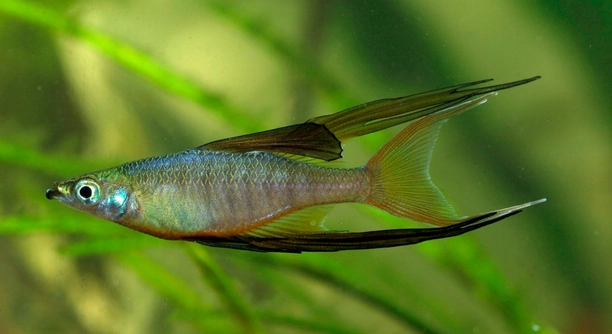
Are your threadfin fish showing signs of sluggish movement or poor color even though their tank looks perfectly fine? Maintaining balanced water flow might be the key they’re missing for better overall health and vitality.
Adjusting water flow is one of the most effective ways to enhance threadfin health. Proper circulation ensures even oxygen distribution, prevents stagnant zones, and supports natural swimming behavior. When water movement mimics their natural habitat, it strengthens immunity and reduces stress-related issues.
From gentle currents to strategic filtration placement, each adjustment plays a role in keeping your threadfins vibrant, active, and thriving in their aquatic home.
Adjusting Flow Speed for Comfort
Creating a gentle yet steady current helps threadfins maintain their natural swimming rhythm without overexertion. When the water moves too quickly, these delicate fish struggle to swim and may become stressed or lose balance. On the other hand, water that’s too still can limit oxygen circulation and allow waste buildup, both of which harm their health. The ideal approach is to find a balanced flow speed that supports calm movement while keeping the water well-oxygenated. Use adjustable pumps or diffusers to test different flow settings, observing how your threadfins respond before deciding what feels right for them.
It’s important to remember that threadfins prefer moderate conditions. Consistency is key—sudden changes in flow speed can cause unnecessary stress and affect feeding behavior. Once you find the right pace, maintain it to ensure steady comfort and better overall stability for your fish.
Balancing water flow not only reduces fatigue but also encourages natural swimming patterns and feeding. Over time, this adjustment can noticeably improve their color and activity level. It’s a simple step that makes their environment feel closer to what they experience in nature, allowing them to move freely and live more comfortably. Subtle changes like these often create the biggest difference in threadfin health.
Redirecting Currents for Better Circulation
Redirecting water flow helps eliminate stagnant spots where waste and uneaten food tend to collect. These areas can lower water quality and lead to harmful bacteria growth, putting your threadfins at risk. By repositioning filters, powerheads, or air stones, you can promote a more even current throughout the tank.
Strategic placement ensures that every part of the aquarium benefits from proper circulation. Start by observing where debris tends to settle, then direct the outflow of your filter or pump toward those zones. If your tank includes plants or decorations, adjust the flow to move gently around them rather than directly through. This maintains a comfortable environment without overwhelming the fish. Proper circulation not only supports cleaner water but also distributes heat and oxygen more evenly. When balanced, it creates a steady rhythm that mimics natural river currents—keeping your threadfins energetic, stress-free, and better protected against health issues related to poor water conditions.
Controlling Surface Agitation
Surface agitation plays a big role in oxygen exchange. Too much movement can make threadfins uncomfortable, while too little can reduce oxygen levels. Aim for a soft ripple that encourages gas exchange without creating harsh waves or excessive turbulence.
A well-balanced surface flow allows oxygen to enter and carbon dioxide to escape efficiently. You can achieve this by adjusting the filter’s outflow angle or using spray bars to spread the movement evenly. If bubbles or foam appear on the surface, it may signal that the agitation is too strong. Threadfins thrive when the water remains calm but active enough to stay fresh. Observing their swimming and breathing habits will help you fine-tune the flow to match their comfort level. Consistency in surface motion ensures a healthy, breathable environment that supports natural activity and prevents stress-related problems.
By keeping the surface flow steady, you also help maintain clear water and reduce biofilm buildup. This balance improves light penetration, supporting plant growth and overall water clarity. It’s a small detail that makes a noticeable difference in the health and appearance of your aquarium. When managed carefully, surface agitation can create an ideal balance of oxygen, comfort, and calmness for your threadfins.
Managing Filtration Output
Filter output is often the main source of water movement in an aquarium, so adjusting it carefully is essential. If the flow is too strong, it can tire threadfins quickly. Reducing or redirecting the outflow helps maintain steady movement without causing fatigue.
Use sponge filters or flow diverters to manage pressure and distribute currents more evenly across the tank. If you notice your threadfins avoiding certain areas, the current may be too harsh. Adjusting filter nozzles to face tank walls or decorations can soften the movement and create calmer spaces. Maintaining clean filters is equally important since debris buildup can change water pressure and disrupt consistency. Properly managed output not only enhances comfort but also ensures balanced oxygen and nutrient distribution. This balance supports both the physical health and natural behavior of your threadfins, keeping them active and stress-free.
Balancing Vertical and Horizontal Flow
Threadfins benefit from a mix of vertical and horizontal currents that support natural swimming and even water circulation. Vertical flow helps oxygen reach deeper layers, while horizontal movement prevents debris from settling and maintains consistent water quality across the tank.
Using multiple outlets or air stones can help create this balance. Adjust them to keep movement gentle yet steady, ensuring all parts of the aquarium receive proper circulation. This balanced flow keeps your threadfins active and promotes a cleaner, more comfortable habitat that mirrors their natural environment.
Adjusting Flow for Tank Size
Tank size directly affects how water movement behaves. In smaller tanks, strong currents can overwhelm threadfins, while larger tanks often need multiple flow sources to maintain balance. Adjusting flow speed and direction based on tank volume ensures even oxygen distribution and prevents stress. Use smaller pumps for compact tanks and adjustable powerheads for larger setups. Always observe your threadfins after changes to confirm comfort and activity remain stable. Proper flow adjustment helps maintain consistent water parameters and promotes a peaceful, well-balanced environment.
Creating Calm Zones
Calm zones allow threadfins to rest and recover without constant movement. These areas can be made using plants, rocks, or driftwood to break strong currents. Offering gentle spaces promotes better energy balance and helps maintain consistent health and natural behavior.
FAQ
How can I tell if the water flow is too strong for my threadfins?
You’ll notice signs of discomfort when threadfins struggle to swim or hide near corners and decorations to escape the current. If they constantly fight against the water movement or show frayed fins, it’s a sign the flow is too strong. Adjusting your filter output or redirecting water toward the tank wall usually helps. Gentle circulation that allows free swimming without visible effort is ideal. Watching how your threadfins move is the best indicator—comfortable fish glide smoothly and explore the entire tank.
What happens if the water flow is too weak?
Weak flow often leads to poor oxygen levels and uneven temperature distribution. You might notice debris collecting on the substrate or surface film forming due to stagnant areas. Threadfins may appear sluggish, breathe faster, or lose color over time. A balanced flow keeps the water fresh and supports their activity. You can fix this by slightly increasing filter output or adding an air stone to improve circulation. Just ensure the change is gradual to avoid stressing your fish.
How often should I adjust water flow in my aquarium?
Flow adjustments should only be made when necessary. Once you find the right balance, consistency is best. However, you might need to reassess the flow after cleaning the filter, rearranging decorations, or adding new fish. Changes in bioload or tank layout can alter water circulation. Observing your threadfins regularly will help you know when to make small corrections. Maintaining stable flow conditions supports better health and reduces stress caused by sudden environmental shifts.
Can plants and decorations affect water flow?
Yes, they can significantly change how water moves in your aquarium. Large plants and rocks often block circulation, creating still areas where debris gathers. This can lower water quality over time. Arrange plants and ornaments to encourage movement around them rather than directly through. Using open spaces in the middle of the tank helps maintain even flow. This layout also allows threadfins to swim freely while enjoying shaded, calmer areas when needed.
Do threadfins prefer stronger or gentler currents?
Threadfins thrive in moderate currents that mimic their natural habitats. They enjoy gentle movement that keeps the water oxygenated without creating excessive force. Strong currents tire them quickly, while stagnant water causes discomfort. The ideal setup includes soft flow across the tank with a few calm zones where they can rest. Each aquarium setup is different, so watch their behavior and make small adjustments until you find what suits them best.
What tools can help manage water flow better?
Flow management tools like adjustable powerheads, spray bars, and sponge filters are useful. Powerheads create direction-controlled movement, while spray bars distribute water more evenly. Sponge filters produce gentle currents, ideal for sensitive fish like threadfins. Flow deflectors and diffusers also help soften strong streams. Combining these tools allows you to fine-tune circulation and create a stable environment. Regular maintenance ensures consistent performance, preventing sudden surges or blockages that could disrupt balance.
Why does consistent flow matter for threadfin health?
Stable flow conditions reduce stress and keep oxygen levels balanced. Constant changes or turbulence can weaken their immune systems, leading to illness or poor appetite. Consistent water movement supports normal breathing and energy use, allowing threadfins to stay active without exhaustion. It also aids in waste removal and even nutrient distribution, which benefits plants and other tank inhabitants. When the flow stays predictable, your fish feel secure and display brighter colors and livelier behavior.
Can I use multiple filters or pumps in one tank?
Yes, using more than one filter or pump can improve circulation, especially in larger tanks. Multiple outlets help distribute flow evenly across all areas, preventing dead zones. However, avoid overlapping streams that create excessive turbulence. Adjust each device so their flows complement one another rather than compete. This method works well for long or heavily planted tanks where a single filter may not reach all corners. Balance remains the priority—steady but gentle currents are always best for threadfins.
What should I do after changing water flow settings?
After making adjustments, observe your threadfins for at least a day. Look for relaxed swimming, even distribution throughout the tank, and natural feeding behavior. If they cluster in calmer areas or seem restless, reduce the flow slightly. Sometimes it takes a few tries to find the perfect setting. Keeping small notes about adjustments can help you track what works best. Patience is key—gradual changes always produce better, safer results for your fish.
How can proper water flow prevent disease?
Good circulation reduces harmful bacteria buildup and prevents debris from settling in corners. It also improves oxygenation, supporting stronger immune systems. Threadfins living in clean, moving water are less prone to infections like fin rot or fungus. Balanced flow helps maintain stable temperature and pH levels, both critical for disease prevention. By keeping the environment clean and oxygen-rich, you’re ensuring your fish have the best defense against illness. Proper water movement is one of the simplest yet most effective ways to protect their health and longevity.
Final Thoughts
Caring for threadfins requires attention to more than just water quality or diet—how the water moves within their environment is equally important. Proper water flow supports oxygen exchange, keeps waste from accumulating, and helps maintain consistent temperature throughout the tank. When circulation mirrors the natural patterns these fish are used to, their movements become smoother, their colors brighter, and their stress levels lower. Every adjustment, whether it’s redirecting a filter output or softening surface agitation, plays a role in shaping a balanced and comfortable habitat. It’s often the subtle, thoughtful changes that make the biggest difference in their overall health and behavior.
Finding the right flow takes time, observation, and patience. Threadfins react quickly to shifts in their surroundings, so making gradual adjustments allows them to adapt without stress. A steady current that promotes activity while leaving calm spaces for rest is ideal. This balance keeps them strong and reduces risks linked to poor water movement, such as bacterial growth or uneven oxygen levels. By monitoring how your threadfins swim, rest, and feed, you gain valuable insight into what they need. Their comfort is a direct reflection of the stability and quality of their environment. Maintaining that stability brings not only visible health improvements but also peace of mind for you as a caretaker.
A well-designed flow system does more than enhance fish health—it creates a self-sustaining ecosystem within your aquarium. Water circulation supports plant growth, helps beneficial bacteria function efficiently, and keeps the entire setup visually clean and stable. When everything in the tank moves in harmony, it forms a natural rhythm that mirrors the calm, steady pace of flowing streams. This harmony benefits not just threadfins but every living element in the tank, from plants to microorganisms. Taking the time to understand and fine-tune your aquarium’s flow helps you create an environment that feels alive and balanced. It’s a reminder that healthy aquariums rely on both science and observation, where each adjustment shapes a more natural, peaceful home. With proper water movement, your threadfins can thrive—showing their full beauty, vitality, and graceful nature in a space that feels just right.

Hello,
If you enjoy the content that we create, please consider saying a "Thank You!" by leaving a tip.
Every little bit helps us continue crafting quality advice that supports the health, happiness, and well-being of pets around the world, for pets of all shapes, sizes, and species.
We really appreciate the kindness and support that you show us!