
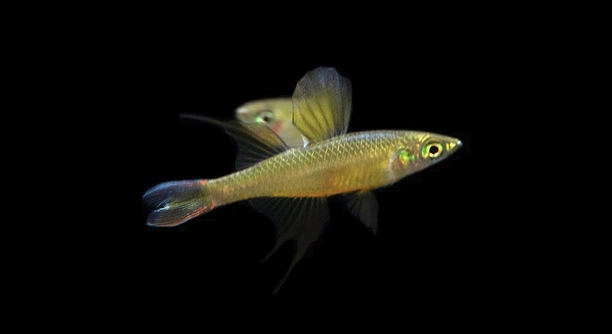
Do you ever find yourself watching your threadfins swim and wonder how they cope when their heater stops working? Keeping these fish healthy requires careful attention, especially when unexpected temperature changes occur in their tank.
When a heater fails, threadfins typically seek areas in the tank that retain warmth, reduce activity to conserve energy, and may display stress behaviors. Monitoring water temperature and providing temporary warmth is critical to prevent health issues.
Understanding threadfins’ responses can help you act quickly and maintain a stable environment. Observing their behavior closely ensures their well-being during sudden temperature drops.
Recognizing Heater Failure in Your Tank
When a heater stops working, the signs can be subtle at first. Threadfins may gather near the top of the tank or cluster in warmer corners. You might notice slower swimming or reduced feeding. Sudden water temperature drops can stress fish, lowering immunity and making them more susceptible to disease. Observing behavior daily is key. Equipment checks are essential; sometimes heaters appear on but fail internally. A thermometer can provide accurate readings and alert you before problems escalate. If the water feels cooler than usual, immediate intervention is needed. Some threadfins may also change color slightly, indicating stress. Maintaining stable conditions requires constant monitoring, especially in smaller tanks. Regular water testing ensures the environment remains safe despite heater issues. Even temporary solutions like a backup heater or warm water additions can help. Understanding these signs can prevent long-term harm. Vigilance is the simplest way to protect your fish.
Careful observation allows early detection of temperature changes, minimizing risks to threadfins’ health and keeping them active.
Immediate steps include checking the heater, adjusting water gradually, and providing temporary warmth until replacement equipment is ready. Threadfins adapt best to slow changes, so sudden fixes should be avoided.
Temporary Measures to Protect Threadfins
Using alternative heat sources can stabilize your tank during a heater outage.
A backup heater, submersible heat mats, or gently adding warm water can help maintain safe temperatures. Ensure the changes are gradual to avoid shocking the fish. Covering part of the tank can reduce heat loss, especially at night. Monitoring the thermometer frequently ensures that water remains in a suitable range for threadfins. Even short-term measures can prevent stress-related behaviors and health issues. Avoid overcompensating, as sudden hot spots can create more problems. Gradual adjustments combined with careful observation are most effective.
It’s important to remember that threadfins are sensitive to sudden temperature swings. Slowly adjusting the water helps them conserve energy and maintain normal feeding and swimming behaviors. Providing a stable environment, even temporarily, reduces stress significantly. Be mindful of oxygen levels when adding heat, as warmer water holds less dissolved oxygen. Small tank heaters should be placed in areas with good water circulation to distribute warmth evenly. Covering the tank partially can help retain heat without overheating sections of the water. If the heater cannot be restored quickly, consider moving the fish temporarily to a well-regulated aquarium to ensure survival. Proper preparation and attentiveness make handling heater failures far less risky for threadfins.
Monitoring Threadfin Behavior
Sudden changes in swimming patterns or appetite are common when heaters fail. Threadfins may slow down, hide near warmer spots, or stop feeding temporarily. Observing these behaviors helps identify stress early and guide corrective actions.
Tracking temperature and behavior together is critical. Keep a log of water readings and note changes in activity. If threadfins cluster or move sluggishly, adjust the tank’s warmth gradually. Feeding smaller portions can reduce stress while maintaining nutrition. Watch for signs like faded colors or fin clamping, which indicate prolonged stress. Consistency in monitoring prevents minor issues from becoming serious health problems.
Behavioral changes often signal the need for intervention before illness occurs. Moving fish to a temporarily warmer area or using a backup heater can restore normal activity. Avoid abrupt temperature adjustments. Gradual restoration helps threadfins regain energy and appetite. Regular observation ensures they remain comfortable and reduces the risk of long-term stress effects.
Preventing Long-Term Stress
Maintaining stable water conditions reduces prolonged stress in threadfins.
Consistent temperature, clean water, and proper oxygen levels are essential. Avoid sudden adjustments when replacing heaters, and monitor behavior closely to ensure fish adapt smoothly. Providing hiding spots can help them feel secure while conditions stabilize.
Long-term stress can weaken immune systems, making threadfins more prone to illness. Gradually restoring warmth helps them maintain normal swimming and feeding habits. Using reliable equipment and keeping spares reduces the risk of sudden failures. Frequent water testing ensures parameters stay within safe ranges. Observing activity levels, appetite, and color helps detect lingering stress early. Creating a stable environment supports recovery and encourages healthy growth. Simple adjustments, like adding plants or shelter, can improve comfort during temperature fluctuations. Consistency and attention prevent stress-related complications over time.
Quick Adjustments During Heater Failure
Adding small amounts of warm water gradually helps maintain a safer temperature. Avoid sudden temperature changes, as threadfins are sensitive and can be shocked easily.
Covering parts of the tank can retain heat for longer periods. Ensure circulation is not blocked to prevent oxygen depletion.
Using Backup Equipment
Having a backup heater or heat source is crucial. Submersible heaters, heat mats, or aquarium-safe warm water additions can stabilize temperature temporarily. Always monitor the thermometer to ensure even distribution of warmth and prevent hot spots. This preparation minimizes stress and keeps threadfins safe until the main heater is fixed.
Maintaining Water Quality
Regular water testing ensures parameters remain safe during heater outages. Keep the tank clean to reduce stress and potential illness.
FAQ
How can I tell if my threadfins are stressed due to a heater failure?
Threadfins show stress through behavior changes like reduced swimming, hiding near warmer spots, or clustering at the water surface. Appetite may decrease, and fins can appear clamped or pale. Observing these signs early allows for immediate adjustments in temperature or temporary warmth to prevent health issues.
What is the safest way to restore warmth in the tank?
Gradual adjustments are essential. Slowly add warm water or use a temporary heater to increase the temperature. Avoid sudden spikes, as abrupt changes can shock the fish. Monitor the thermometer frequently and keep water circulation steady to maintain even warmth.
Can threadfins survive short-term temperature drops?
Yes, they can tolerate mild, short-term drops, but prolonged cold can stress their immune system and affect feeding. Immediate measures like temporary heaters or partial warm water additions help minimize the negative impact.
Should I feed my threadfins differently during a heater outage?
Offering smaller portions is best. Reduced activity lowers their metabolism, so overfeeding can lead to water quality issues. Stick to easily digestible food and feed only what they can consume in a few minutes.
Is moving threadfins to another tank advisable?
Only if the main tank cannot maintain safe temperatures. The temporary tank should be stable, clean, and at the correct temperature. Move fish gently to minimize stress and acclimate them slowly to the new environment.
How do I prevent heater failures in the future?
Regularly inspect heaters for signs of wear or malfunction. Keep a backup heater on hand, and use a thermometer to track water temperature daily. Preventing sudden failures reduces stress and keeps your threadfins healthy.
What are the risks if a heater stays broken for too long?
Extended cold exposure weakens immunity, increases susceptibility to disease, and can slow growth. Behavioral changes like lethargy and hiding may become more pronounced. Immediate corrective action is necessary to avoid long-term health problems.
Can adding insulation help during a heater failure?
Yes, partially covering the tank or insulating it can reduce heat loss. Avoid blocking circulation, as oxygen levels must remain stable. This method works best combined with temporary heat sources to maintain safe conditions.
How often should I monitor the tank during heater problems?
Check water temperature multiple times daily, especially during the first hours after a heater fails. Observe fish behavior closely. Frequent monitoring allows timely interventions, preventing stress from escalating into health issues.
Are there signs that the heater itself is malfunctioning before failure?
Yes. Uneven heating, unusual noises, or inconsistent readings on a thermometer indicate potential problems. Early detection can prevent full heater failure, allowing time to replace or repair it without affecting your fish.
Is it okay to use external heat sources like lamps?
Indirect heat sources can help but must be used carefully. Avoid placing lamps too close to the tank, which may create hot spots. Maintain a gentle, consistent temperature to keep threadfins comfortable.
How long does it take for threadfins to recover after temperature stabilizes?
Recovery depends on the duration and severity of the stress. Short exposures may see normal behavior return within hours. Longer periods may take several days, with gradual resumption of normal swimming and feeding. Close observation ensures recovery continues smoothly.
Can multiple threadfins be affected differently?
Yes, individual fish may respond differently to temperature drops. Some may hide more, while others become lethargic. Monitoring each fish and adjusting conditions accordingly helps protect all members of the tank.
What is the most important thing to remember during a heater failure?
Maintaining stable, safe temperatures and monitoring behavior are critical. Quick action, gradual adjustments, and attention to water quality ensure threadfins remain healthy and reduce long-term stress risks.
Final Thoughts
Maintaining a stable environment for threadfins is essential to their health and well-being. Heater failures can create sudden stress, affecting their swimming, feeding, and overall behavior. Observing how your fish respond to changes is the first step in addressing any issues. By noticing signs such as sluggish movement, clustering in warmer areas, or reduced appetite, you can act quickly to prevent prolonged stress. Small adjustments, like adding warm water gradually or partially covering the tank to retain heat, can make a significant difference. Even temporary measures can help maintain a safe temperature until the main heater is repaired or replaced. Monitoring water quality alongside temperature is equally important, as sudden changes can worsen conditions and make fish more susceptible to illness.
Investing in reliable equipment and backups reduces the chances of emergencies. Regularly checking heaters, keeping spare units on hand, and using thermometers to monitor water temperature ensures that threadfins stay in a comfortable range. When heaters fail, gradual adjustments are always better than sudden fixes. Overheating or rapid temperature changes can shock the fish, causing more harm than the initial cold. Feeding smaller portions during stressful periods helps prevent overfeeding while ensuring the fish receive necessary nutrition. Providing hiding spaces or plants in the tank can give threadfins a sense of security, allowing them to recover more easily. Attention to these details not only addresses immediate problems but also supports long-term health and growth.
Consistency in care is crucial. Threadfins thrive when water conditions remain steady, and they are observed regularly. During heater failures, taking proactive measures, monitoring behavior, and ensuring proper oxygen levels can prevent complications. Recovery after stress depends on the duration of exposure, so early intervention is key. Each fish may react differently, and understanding these differences helps maintain the well-being of the entire tank. By combining gradual temperature adjustments, careful feeding, clean water, and close observation, threadfins can recover from temporary setbacks and continue to grow and thrive. Prioritizing stable conditions and preparedness ensures these fish remain active, healthy, and less prone to stress-related problems in the future.

Hello,
If you enjoy the content that we create, please consider saying a "Thank You!" by leaving a tip.
Every little bit helps us continue crafting quality advice that supports the health, happiness, and well-being of pets around the world, for pets of all shapes, sizes, and species.
We really appreciate the kindness and support that you show us!