
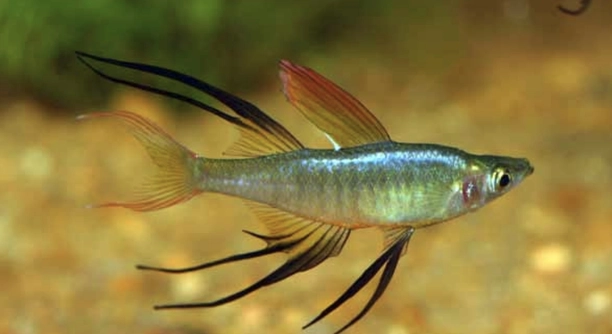
Are your threadfin fish showing duller colors than usual, leaving your aquarium looking less lively than you expected? Many fish owners notice slight changes in color that can signal subtle shifts in their water environment.
Small adjustments in water parameters, including temperature, pH, hardness, lighting, mineral content, flow rate, and nutrient balance, can significantly influence the coloration of threadfin fish. These changes directly affect pigment cells, stress levels, and overall health.
Making these minor tweaks can greatly enhance the natural hues of your threadfin, creating a more vibrant and visually appealing aquarium display.
Temperature Adjustments
Threadfin fish respond strongly to small changes in water temperature. Keeping water slightly warmer, within the species’ comfortable range, encourages metabolic activity that enhances natural colors. A gradual increase of a few degrees can help pigments become more vibrant without stressing the fish. Sudden shifts can cause shock and dull their appearance. Maintaining a stable temperature also supports overall health, reducing susceptibility to disease and improving appetite, which indirectly affects coloration. Heating devices should be carefully monitored with a reliable thermometer. Avoid letting water fluctuate rapidly, especially at night when cooler temperatures can set in. Consistency is more important than extremes; even minor deviations can impact pigment development. Observation is key—watch your fish daily to see how color responds to small changes. Adjusting temperature slightly over time is safer than abrupt shifts. With patience, these small changes can noticeably enhance the vibrancy of your threadfin fish.
Stable temperatures encourage natural coloration and support fish health.
Careful monitoring and gradual adjustment of water temperature can help threadfin fish show their brightest colors, enhancing your aquarium visually.
pH Level Adjustments
Maintaining the correct pH level is crucial for threadfin fish. Slight changes in pH can impact pigment expression, stress response, and overall vitality. Fish in water that is too acidic or too alkaline may appear dull or faded. Using a reliable test kit, monitor pH daily to ensure it remains within the ideal range. If adjustment is needed, introduce pH-altering products slowly to prevent shock. Subtle shifts over time allow fish to adapt naturally. Regular water changes help maintain stability, reducing harmful spikes from waste buildup or uneaten food. Natural buffers like driftwood or crushed coral can also influence pH gently, creating a more balanced environment. Keep records of measurements and responses to changes; this helps identify patterns and the optimal pH for your aquarium. Consistent attention to pH not only enhances color but also improves overall fish well-being, making them more active and visually striking.
A slightly adjusted pH can dramatically improve pigmentation and reduce stress.
Monitoring pH, making gradual corrections, and using natural buffers ensures your threadfin fish thrive. Subtle, consistent management produces healthier, more vibrant fish over time. Maintaining stable pH also prevents sudden color loss and supports long-term vitality. Observing how your fish react helps refine adjustments and ensures optimal environmental conditions.
Hardness and Mineral Content
Adjusting water hardness can influence the vibrancy of threadfin fish. Slightly softer or harder water affects pigment development and overall health. Minerals like calcium and magnesium play a key role in coloration and stress resistance.
Threadfin fish thrive in water with balanced mineral levels. Hard water rich in calcium and magnesium supports strong bones and enhances natural pigments. Conversely, water that is too soft may reduce color intensity and weaken fish over time. Using mineral supplements carefully allows you to fine-tune hardness without causing sudden changes. Regular testing ensures minerals remain within a range that promotes vivid coloration and overall vitality. Over time, consistent attention to water hardness can noticeably improve the brightness and consistency of your threadfin fish’s colors.
Gradual adjustments in mineral content allow fish to adapt naturally. Sudden shifts can cause stress, leading to duller colors or health issues. Monitoring hardness ensures a steady environment, keeping threadfin fish active, healthy, and visually striking in your aquarium.
Lighting Conditions
Proper lighting is essential for threadfin coloration. Bright, consistent light enhances pigment visibility and overall appearance. Avoid overly intense or fluctuating lighting that can stress the fish.
Light spectrum and duration directly affect how pigments develop. Natural sunlight through windows is rarely ideal because it fluctuates and may promote algae growth. LED or fluorescent lighting designed for aquariums provides a controlled spectrum that emphasizes reds, yellows, and other natural hues. Adjusting light duration gradually, around eight to ten hours daily, encourages color enhancement without causing fatigue or stress. Dim areas within the tank give fish a chance to retreat, preventing overstimulation. Observing your threadfin’s response to different lighting setups helps determine the optimal balance. Light that is too weak may result in faded colors, while appropriate intensity highlights natural patterns, giving the aquarium a more lively and vibrant appearance.
Maintaining consistent, controlled lighting allows pigment cells to function effectively. Proper lighting enhances visual appeal while supporting overall health, improving activity, and reducing stress for threadfin fish.
Flow Rate
Threadfin fish benefit from gentle, consistent water flow. Moderate currents help maintain oxygen levels, reduce stress, and encourage healthy pigment development. Avoid strong turbulence that can tire the fish and dull their coloration.
Adjusting pumps or filters slightly can create optimal flow. Observing fish behavior helps determine if the current is too strong or weak. Proper circulation also prevents stagnant areas, keeping nutrients evenly distributed and supporting overall health.
Nutrient Balance
Providing a balanced diet rich in vitamins and carotenoids directly enhances threadfin coloration. Foods high in natural pigments, like shrimp or spirulina, promote brighter hues. Avoid overfeeding, as excess nutrients can degrade water quality and negatively affect color.
Water Changes
Regular water changes remove waste and replenish essential minerals. Maintaining clean water prevents pigment loss and supports healthy, vibrant fish.
FAQ
How often should I adjust the water temperature for threadfin fish?
It’s best to make small temperature adjustments gradually. Changing the water by more than a degree or two at once can stress the fish. Daily observation helps determine if your fish are comfortable, active, and showing vibrant colors. Using a reliable aquarium thermometer ensures precise control.
What is the ideal pH range for enhancing threadfin coloration?
Threadfin fish generally thrive in slightly acidic to neutral water, around 6.5 to 7.5. Staying within this range supports pigment development and reduces stress. Testing water regularly and adjusting slowly with buffers or natural materials like driftwood ensures stability. Sudden pH swings can make colors fade.
Can lighting really affect pigment intensity?
Yes. Pigment cells respond to light spectrum and duration. Using aquarium-specific LEDs or fluorescent lights enhances natural hues like reds, yellows, and golds. Gradually increasing or decreasing light exposure prevents stress and allows fish to adjust. Dim areas in the tank provide a safe retreat, helping fish maintain bright colors.
Do minerals like calcium and magnesium really change color?
Balanced minerals support overall health and pigmentation. Hard water with sufficient calcium and magnesium strengthens bones and helps pigment cells function properly. Soft water can weaken fish and reduce color intensity. Regular testing and careful supplementation prevent sudden changes that might stress the fish or affect their appearance.
How much flow is best for threadfin fish?
Gentle, consistent currents are ideal. Moderate flow helps oxygenate water, prevents stagnation, and supports overall vitality, which improves color. Avoid strong turbulence that tires fish and makes them hide, leading to faded colors. Adjust pumps gradually, observing how fish respond to the flow.
What foods boost coloration most effectively?
Foods high in carotenoids and natural pigments are most effective. Shrimp, krill, and spirulina enhance reds and yellows. A balanced diet supports overall health, which directly impacts coloration. Avoid overfeeding, which can cloud water and reduce pigment vibrancy. Rotate food sources for better results.
How frequently should water be changed to maintain vibrant colors?
Regular water changes remove waste, replenish essential minerals, and prevent toxins that dull coloration. Changing 20–30% weekly is typical. Fresh, clean water reduces stress, allowing pigment cells to function optimally. Sudden, large changes can shock fish, so smaller, consistent changes are better.
Do temperature and pH interact to affect color?
Yes. Both factors influence metabolism and pigment expression. Stable temperature combined with optimal pH allows threadfin fish to maintain bright, consistent colors. Fluctuations in either can stress fish, reduce appetite, and cause fading. Monitoring both closely is essential for long-term color maintenance.
Is it normal for threadfin colors to fade temporarily?
Temporary fading can occur due to stress, illness, or environmental changes. Minor adjustments in temperature, pH, or lighting may take a few days to show results. Observing behavior and maintaining stable conditions usually restores natural coloration over time.
Can overfeeding or underfeeding affect coloration?
Yes. Overfeeding reduces water quality, stressing fish and dulling colors. Underfeeding deprives fish of nutrients needed for pigment development. Providing balanced meals with high-quality, colorful ingredients ensures fish remain healthy and vibrant.
How long does it take to see color improvement after adjustments?
Color changes can be gradual. Some improvements appear in a few days, but full enhancement may take several weeks. Consistency with water quality, diet, and lighting ensures gradual, healthy pigment development rather than sudden, stressful changes.
Are there signs that indicate my adjustments are working?
Look for increased activity, brighter fins, and consistent patterns. Healthy appetite and calm behavior are good indicators. Sudden hiding, lethargy, or faded patches suggest stress or improper adjustments. Tracking progress helps fine-tune water parameters and diet for maximum coloration.
Can multiple adjustments be made at the same time?
It’s better to make one change at a time. Monitoring the fish’s response helps identify what specifically improves coloration. Combining adjustments too quickly can stress fish and mask which factor is effective. Patience and observation are key to success.
Do seasonal changes affect threadfin colors?
Yes, natural light and temperature variations can influence pigmentation. Supplemental lighting and careful temperature control help maintain consistent colors year-round. Adjusting gradually during seasonal shifts prevents stress and fading, keeping the fish vibrant.
Is it necessary to test all water parameters regularly?
Regular testing is crucial. Temperature, pH, hardness, and mineral levels all affect color. Frequent checks allow early detection of problems, so minor corrections can be made before fish show signs of stress or fading pigmentation. Consistency is essential for vibrant, healthy threadfin fish.
This FAQ covers the key adjustments that directly influence threadfin coloration, offering practical, actionable guidance to maintain a lively and healthy aquarium.
Threadfin fish are delicate and responsive to their environment. Even small changes in water conditions can have a noticeable effect on their coloration. By paying attention to temperature, pH, hardness, lighting, water flow, and nutrients, you can create conditions that allow their natural colors to shine. Consistency is more important than extreme adjustments. Sudden changes can stress the fish, making colors fade or even impacting their health. Observing how your fish react over time helps you understand what works best for them. Every aquarium is different, so finding the right balance may take patience and careful monitoring.
Diet also plays a crucial role in maintaining vibrant colors. Foods high in carotenoids, such as shrimp, krill, and spirulina, provide the pigments needed for brighter reds, yellows, and other natural hues. Feeding the right amounts ensures the water stays clean and free from excess nutrients that can harm fish and dull their appearance. Rotating foods and providing variety supports overall health, which in turn affects coloration. Healthy fish are more active, display stronger colors, and are less likely to develop stress-related problems. Even minor improvements in nutrition can make a visible difference, reinforcing the importance of diet alongside environmental management.
Patience and observation are key to successfully enhancing threadfin color. Improvements may take days or even weeks to appear, depending on the adjustments made. Keeping records of water tests, diet changes, and fish behavior can help identify what works best. Regular water changes, stable lighting, and careful attention to flow and mineral content all combine to support strong pigment development. Over time, these small, consistent actions produce healthier, more visually striking fish. The process is gradual but rewarding, allowing you to enjoy an aquarium full of threadfin fish that look vibrant and lively, reflecting both careful care and a stable, well-managed environment.

Hello,
If you enjoy the content that we create, please consider saying a "Thank You!" by leaving a tip.
Every little bit helps us continue crafting quality advice that supports the health, happiness, and well-being of pets around the world, for pets of all shapes, sizes, and species.
We really appreciate the kindness and support that you show us!