
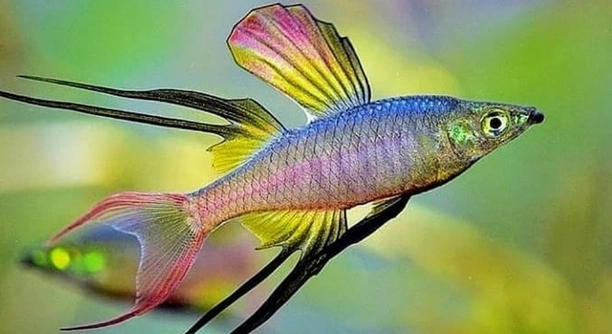
Have you ever admired the vibrant colors of rainbowfish and wondered what makes them such fascinating additions to a community aquarium? Their shimmering bodies and lively movements can brighten any tank, creating a captivating display of aquatic life.
Threadfin Rainbowfish should always be kept in groups rather than alone. These fish are naturally social and thrive best when surrounded by their own kind. Keeping them together helps reduce stress, encourages natural behaviors, and enhances their overall health.
Understanding why group living is essential for Threadfin Rainbowfish will help you create a balanced, stress-free, and visually stunning aquarium environment.
Why Threadfin Rainbowfish Need to Be in Groups
Threadfin Rainbowfish are peaceful, social fish that rely on the presence of their own kind to feel secure. In the wild, they naturally move in schools, which provides protection and comfort. When kept in aquariums, the same principle applies—keeping them in groups creates a supportive environment where they can express their natural instincts. A group setting reduces stress, prevents aggression, and encourages healthy activity. Their colors often appear brighter when they are surrounded by companions, making them more visually appealing. Without enough companions, they may become timid, stressed, or less active in the tank.
In smaller groups or when kept alone, Threadfin Rainbowfish often appear shy and may hide more frequently. This can affect their health and limit the enjoyment of watching their graceful swimming patterns.
By maintaining groups of at least six, you ensure that each fish has the opportunity to interact naturally, feel safe, and thrive.
Creating the Right Aquarium Environment
Threadfin Rainbowfish thrive best when their tank setup supports both their physical and social needs. Clean water, stable temperatures, and gentle filtration help maintain their well-being. Providing open swimming areas combined with planted sections gives them balance and comfort.
A group of Threadfin Rainbowfish requires a tank large enough to accommodate their active swimming. A minimum of 20 gallons is recommended, though larger tanks provide better stability and more space for natural behavior. Plants such as Java moss, floating plants, and fine-leaved varieties create hiding spaces without restricting movement. Soft lighting enhances their delicate colors and reduces stress. Maintaining water parameters with a slightly acidic to neutral pH and temperatures between 74–80°F ensures they remain healthy. It is also important to choose tank mates carefully. Peaceful species like small rasboras, tetras, or Corydoras are excellent companions. With these conditions, your Threadfin Rainbowfish will display vibrant colors and active schooling behavior.
Feeding Threadfin Rainbowfish
Threadfin Rainbowfish are omnivores that benefit from a varied diet. Offering a mix of high-quality flakes, small pellets, and live or frozen foods ensures they get the nutrients needed to stay healthy and maintain their vibrant colors.
A diet rich in variety helps prevent nutritional deficiencies and supports their active lifestyle. Foods such as daphnia, brine shrimp, and micro worms are excellent protein sources. Supplementing with vegetable-based flakes or spirulina adds balance. Feeding small amounts two to three times daily works best, as it reduces waste and keeps them active. Avoid overfeeding, as these fish have small stomachs and benefit from controlled portions. A diverse, portioned diet leads to stronger immunity and brighter coloration in your Threadfin Rainbowfish.
Consistency is just as important as variety. Offering a mix of foods at scheduled times helps build routine and ensures all fish in the group have equal access to meals. Uneaten food should always be removed promptly to keep the water clean.
Tank Mates for Threadfin Rainbowfish
Threadfin Rainbowfish do best with peaceful, similarly sized fish. Aggressive or overly active tank mates can cause stress, reducing their confidence and willingness to swim freely. Choosing gentle companions creates harmony and allows their natural schooling behavior to continue without disruption.
Good tank mates include small rasboras, neon tetras, ember tetras, and Corydoras catfish. Shrimp and snails also coexist well, as Threadfins do not pose a threat to them. Avoid housing them with large or fin-nipping species, as their delicate fins can be easily damaged. Keeping tank mates peaceful and comparable in size ensures a safe environment. Compatibility should always be prioritized, as stress can weaken their health. Selecting the right companions helps showcase their beauty and maintains a balanced aquarium where every species can thrive together without conflict.
Breeding Threadfin Rainbowfish
Breeding Threadfin Rainbowfish requires clean water, gentle filtration, and plenty of fine-leaved plants or spawning mops for egg scattering. Males display brighter colors during courtship, making the group environment even more lively and active.
Eggs are adhesive and usually stick to plants. Removing the parents after spawning prevents them from eating the eggs. Fry require infusoria or powdered fry food at first, followed by newly hatched brine shrimp as they grow.
Lifespan and Health
Threadfin Rainbowfish typically live for three to five years in captivity when cared for properly. Clean water, a balanced diet, and the security of a group play essential roles in keeping them healthy. Stress from poor conditions or loneliness can shorten their lifespan.
Behavior in Groups
Threadfin Rainbowfish display calm, graceful swimming patterns when kept in groups. They interact gently, showing vibrant colors and playful activity. Group living not only supports their health but also highlights their natural beauty in an aquarium setting.
FAQ
How many Threadfin Rainbowfish should be kept together?
Threadfin Rainbowfish thrive best when kept in groups of at least six. Smaller groups often lead to stress, hiding, and a lack of natural behavior. Larger groups encourage schooling, display brighter colors, and create a healthier, more active aquarium environment.
Can Threadfin Rainbowfish live alone?
Keeping a Threadfin Rainbowfish alone is not recommended. These fish are naturally social and depend on the presence of companions for security and comfort. A solitary Threadfin may become withdrawn, stressed, and less active, which can impact its long-term health.
What tank size is ideal for a group of Threadfin Rainbowfish?
A 20-gallon tank is the minimum size for a small group, but larger tanks are better. Bigger tanks provide stability, space for swimming, and more options for aquascaping. The additional space reduces territorial behavior and supports more balanced interactions within the group.
Do Threadfin Rainbowfish get along with other species?
Yes, they coexist peacefully with small, non-aggressive fish. Good options include rasboras, neon tetras, ember tetras, and Corydoras. Avoid larger or aggressive fish, especially fin-nippers, as Threadfins have delicate fins that are easily damaged. Peaceful communities allow them to swim freely without stress.
What do Threadfin Rainbowfish eat?
They enjoy a mix of flakes, pellets, and live or frozen foods. Daphnia, brine shrimp, and micro worms provide protein, while spirulina flakes add plant-based nutrients. Feeding small amounts multiple times daily keeps them active and prevents waste buildup in the tank.
How long do Threadfin Rainbowfish live?
Their average lifespan is three to five years in captivity. Proper care can extend this timeframe. Clean water, a varied diet, and group living conditions are key factors. Stress, poor diet, or being kept alone can significantly reduce their lifespan.
Are Threadfin Rainbowfish hard to care for?
They are relatively easy to care for with proper conditions. Stable water parameters, regular maintenance, and a balanced diet are crucial. Their peaceful temperament and small size make them suitable for community aquariums, provided tank mates are chosen carefully and aggression is avoided.
How do you breed Threadfin Rainbowfish?
Breeding requires fine-leaved plants or spawning mops for egg scattering. Males display brighter colors during courtship. Eggs are adhesive and stick to plants. Removing the parents after spawning is necessary, as they may eat the eggs. Fry need small foods like infusoria before transitioning to brine shrimp.
Do Threadfin Rainbowfish need live plants?
While not essential, live plants are highly recommended. Plants provide shelter, security, and egg-laying sites. They also improve water quality by absorbing nitrates. Java moss, floating plants, and fine-leaved species are particularly beneficial for Threadfin Rainbowfish, creating a more natural and calming environment.
Why are my Threadfin Rainbowfish hiding?
Hiding can be caused by small group sizes, stress, or poor tank conditions. A lack of companions often makes them timid. Ensuring a proper group, peaceful tank mates, and stable water quality usually resolves the issue, encouraging natural swimming behavior.
What is the ideal water temperature for Threadfin Rainbowfish?
They thrive in temperatures between 74–80°F. Stability is more important than perfection, as fluctuations cause stress. Using a reliable heater and thermometer helps maintain the right temperature. Consistency ensures their immune system stays strong and prevents health complications over time.
Can Threadfin Rainbowfish be kept with shrimp?
Yes, they are peaceful toward shrimp. Species such as cherry shrimp or Amano shrimp coexist well with them. Their small mouths prevent them from harming shrimp. Shrimp also help keep the tank clean by consuming algae and leftover food particles.
Do Threadfin Rainbowfish change color?
Yes, their colors intensify when kept in groups, during breeding displays, or under proper lighting. Stress, illness, or poor water quality can cause fading. A healthy environment and group living bring out their best coloration, making them a visually stunning aquarium addition.
How often should I feed Threadfin Rainbowfish?
Feeding two to three small meals daily is ideal. Overfeeding should be avoided, as uneaten food affects water quality. Small portions keep them active and healthy. Consistent feeding times also help establish a routine, reducing competition within the group.
Are Threadfin Rainbowfish suitable for beginners?
Yes, they are a good option for beginners who can maintain stable water conditions. Their peaceful nature and small size make them manageable. Beginners should focus on proper tank setup, routine maintenance, and keeping them in groups to ensure long-term success.
Final Thoughts
Threadfin Rainbowfish are delicate yet fascinating fish that can bring beauty and activity to any freshwater aquarium. Their graceful fins, shimmering colors, and calm nature make them a joy to observe, especially when kept in well-maintained groups. These fish are naturally social, and their health, behavior, and colors improve significantly when surrounded by companions. They rely on group living not only for comfort but also for security, making it one of the most important aspects of their care. A group of Threadfin Rainbowfish creates a dynamic, peaceful display that enhances the atmosphere of your aquarium while giving the fish the supportive environment they need.
Caring for Threadfin Rainbowfish involves more than just providing food and water. It requires attention to their social needs, water quality, and tank setup. Clean water with stable parameters is essential for their health, while a variety of foods keeps them strong and active. Plants and open swimming spaces should be included in their tank to balance shelter with freedom of movement. Selecting peaceful tank mates ensures their delicate fins remain safe and helps them feel secure enough to display their best colors. When all of these conditions are met, Threadfin Rainbowfish thrive, rewarding you with their natural schooling behavior and elegant appearance.
These fish may be small, but they leave a lasting impression in an aquarium. Their short lifespan of three to five years means that giving them the best possible care is especially important. A well-planned setup, proper diet, and group living will help maximize both their health and their beauty. For aquarists who value calm, peaceful fish with striking detail, Threadfin Rainbowfish are an excellent choice. They are not only enjoyable to keep but also offer the satisfaction of watching their natural instincts unfold in a safe and supportive environment. With the right approach, they can flourish and become a highlight in your aquarium for years to come, bringing life, color, and balance to your aquatic space.

Hello,
If you enjoy the content that we create, please consider saying a "Thank You!" by leaving a tip.
Every little bit helps us continue crafting quality advice that supports the health, happiness, and well-being of pets around the world, for pets of all shapes, sizes, and species.
We really appreciate the kindness and support that you show us!