
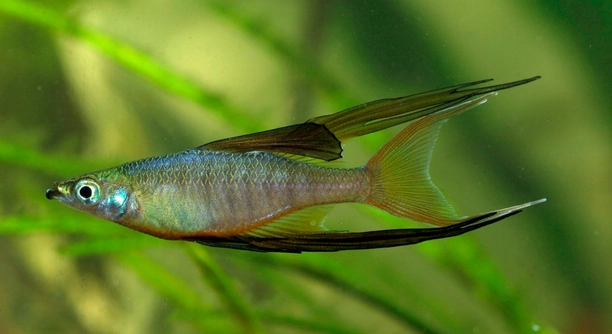
Do you ever notice how your aquarium feels fresher after a strong water change? Threadfins may react in ways that seem sudden or unusual. Observing their behavior during this time can be both interesting and informative.
After a strong water change, threadfins typically exhibit increased activity and exploration. They may swim more energetically, inspect new areas, and feed with greater interest. These behaviors are physiological responses to improved water quality and increased oxygen levels.
Understanding threadfins’ reactions can help you maintain a healthier aquarium environment and ensure their wellbeing over time. Proper observation can make caring for them more rewarding.
Immediate Reactions After a Water Change
Threadfins often respond quickly to a significant water change. Most noticeably, they swim with more energy and cover larger areas of the tank. Some may circle the edges or hover near the surface, taking in the fresher water. Increased activity is normal and signals improved oxygen levels and cleaner conditions. Some individuals might seem restless for a short period, while others appear curious, investigating every corner. Feeding behavior can also shift, as threadfins become more willing to accept food. They may even compete more actively during feeding times, reflecting higher energy levels. Watching these reactions can give insights into their health and comfort, and help identify any issues early. Tank decorations, plants, and hiding spots may influence how freely they move, as some threadfins prefer secure areas even in improved conditions. Properly observing their behavior after changes ensures a balanced and healthy environment.
Immediate changes in behavior usually last a few hours. Restlessness is temporary, and normal patterns resume quickly.
Recognizing these initial reactions helps guide further care. Adjustments in feeding, monitoring water parameters, and checking for stress signs are essential. Keeping a consistent schedule of maintenance allows threadfins to adapt better. Sudden environmental shifts may initially surprise them, but attentive observation ensures their comfort. Some threadfins may respond differently depending on age, size, or temperament, so personalized care matters. Noting behavior patterns over time can highlight subtle signs of stress or illness. Observing movement, coloration, and appetite provides practical information to maintain optimal health. Integrating a stable routine after water changes reduces potential negative impacts. This approach encourages long-term vitality and supports a thriving aquarium environment.
Long-Term Effects of Improved Water Quality
Threadfins tend to become more active and maintain better health over time with consistent water changes.
Regular water changes reduce toxins, balance pH, and support stable oxygen levels, directly impacting growth and behavior. Threadfins exhibit improved coloration, increased feeding efficiency, and more natural schooling patterns when water quality remains high. Poor water conditions can lead to stress, lowered immunity, and erratic swimming, but maintaining clean water prevents these issues. Over months, consistent care encourages stronger, more resilient fish, better able to adapt to minor environmental shifts. Monitoring water parameters, adjusting for temperature, and preventing overcrowding enhance these benefits. Behavioral observations, including interaction with tank mates and reaction to feeding, indicate overall health. Threadfins in stable conditions also show fewer signs of disease and maintain steady growth rates. Proper filtration and periodic water testing complement changes, ensuring long-term stability. By prioritizing water quality, aquarium owners can foster an environment that supports natural behaviors, longevity, and a visually vibrant tank.
Adjusting Feeding Habits
After a strong water change, threadfins often eat more eagerly than usual. Their metabolism responds to the cleaner water and higher oxygen levels, making them more active during feeding times. Monitoring portion sizes helps prevent overfeeding.
Observing threadfins’ appetite is important for maintaining balanced nutrition. Increased feeding is normal after improved water conditions, but overfeeding can lead to water quality problems. Providing smaller, frequent meals can match their energy levels while minimizing waste. Different individuals may show varying responses, so adjusting food type and quantity according to behavior is effective. Watching how quickly they consume food helps gauge whether the portions are appropriate. Gradual changes in feeding patterns support their digestive health and prevent sudden stress.
Feeding adjustments also influence behavior beyond meals. Active, well-fed threadfins interact more with tank mates and explore their environment more confidently. Proper feeding schedules reinforce healthy routines, reduce aggression, and encourage schooling behavior. Over time, careful observation and consistent feeding lead to improved growth, coloration, and overall vitality. Maintaining these routines ensures threadfins adapt smoothly to water changes while sustaining long-term well-being.
Monitoring Stress and Health
Threadfins may show temporary stress signs after a water change, such as rapid gill movement or hiding. Early detection is crucial for intervention.
Regular observation helps identify subtle health changes, including fin clamping, color fading, or lethargy. Maintaining stable water parameters reduces stress and prevents disease outbreaks. Noting behavior patterns over time reveals whether adjustments are needed in temperature, pH, or tank layout. Stress can arise from overcrowding, aggressive tank mates, or sudden environmental changes, so monitoring ensures quick responses. Recording daily observations supports proactive care.
Physical condition is equally important. Inspecting fins, scales, and eyes for abnormalities can indicate potential illness early. Minor changes in swimming style, balance, or coordination may signal underlying issues. Ensuring proper nutrition, clean water, and adequate hiding spaces minimizes stress effects. When stress is detected, gradual water adjustments, partial water changes, and temporary isolation of affected individuals can help recovery. By combining behavioral and physical monitoring, threadfins’ overall health and resilience are maintained, allowing them to thrive in a stable and supportive environment.
Interaction with Tank Mates
Threadfins often become more social after a strong water change. Increased activity can lead to more schooling behavior and interaction with other fish. Watching these dynamics helps ensure harmony in the tank.
Occasional mild chasing or territorial behavior may occur as energy levels rise. Providing ample space and hiding spots minimizes conflict.
Environmental Exploration
After water changes, threadfins frequently explore new and previously ignored areas of the tank. This behavior helps them adjust to altered conditions and maintain mental stimulation. Observation of movement patterns can reveal preferences for hiding spots, open water, or plant-covered areas, aiding in tank arrangement decisions.
Maintaining Water Stability
Consistency in water temperature, pH, and cleanliness supports threadfins’ long-term comfort. Sudden fluctuations can cause stress, so regular monitoring and gradual adjustments are essential for a balanced aquatic environment.
FAQ
How quickly do threadfins react to a water change?
Threadfins usually respond immediately or within a few minutes after a strong water change. Their swimming becomes more energetic, and they may explore the tank more actively. Some may even display increased interest in food. Reactions vary depending on individual temperament and prior water conditions.
Is increased activity a sign of stress or health?
In most cases, higher activity after a water change is a positive response to improved water quality. However, if swimming becomes erratic or fish show signs like clamped fins or rapid gill movement, it may indicate stress. Observing their behavior for several hours helps distinguish between excitement and distress.
How should feeding be adjusted after a water change?
Threadfins often eat more eagerly following a water change. It’s best to offer slightly smaller portions more frequently to match their increased energy without overfeeding. Monitoring consumption helps determine the right quantity. Adjusting food type to include protein-rich options can support recovery and maintain healthy growth.
Can a water change affect coloration?
Yes, threadfins may display brighter colors after cleaner, well-oxygenated water is introduced. Improved water quality enhances their natural pigmentation and overall appearance. Persistent dullness or faded colors may indicate other health issues unrelated to the water change.
Do threadfins need hiding spots after a water change?
Providing hiding spaces remains important even after a strong water change. Some threadfins may feel temporarily unsettled and prefer to retreat. Plants, decorations, or small caves help reduce stress, encourage natural behavior, and allow shy individuals to regain confidence.
How often should water changes be done to maintain these benefits?
Regular water changes, typically 20–30% weekly, support stable oxygen levels, reduce toxins, and encourage consistent activity and health. Frequency may vary depending on tank size, fish population, and filtration efficiency. Consistency is key to maintaining long-term wellbeing.
What behaviors indicate that threadfins are thriving after a water change?
Active swimming, normal schooling, healthy appetite, and regular interaction with tank mates are good indicators. They should investigate new areas, respond to feeding promptly, and maintain steady coloration. Long-term consistency in these behaviors signals a stable, healthy environment.
Are there any precautions to take immediately after a water change?
It’s important to ensure water temperature, pH, and hardness remain within safe ranges. Sudden fluctuations can cause stress or illness. Observing fish for signs of discomfort, limiting disturbances, and gradually resuming normal feeding routines helps them adapt smoothly.
Can overfeeding after a water change harm threadfins?
Yes, overfeeding can lead to poor water quality, increased waste, and digestive issues. Even if they appear more energetic and hungry, stick to controlled portions and monitor their intake. Balancing feeding with water maintenance is essential for long-term health.
Do all threadfins react the same way to water changes?
No, individual fish may respond differently based on age, size, and temperament. Some may immediately explore the tank, while others remain cautious. Monitoring each fish helps tailor care practices, ensuring all individuals adjust comfortably to new water conditions.
How long do the effects of a strong water change last?
Positive effects like increased activity, better coloration, and appetite can last several days, especially if water quality remains stable. Regular maintenance and monitoring help prolong these benefits and prevent stress from sudden environmental changes.
What signs indicate a water change might have caused stress?
Signs include rapid gill movement, hiding for long periods, clamped fins, loss of appetite, or erratic swimming. If these occur, review water parameters and make gradual adjustments. Temporary isolation of affected fish can support recovery.
Is it necessary to change all the water at once?
Complete water changes are rarely needed and can shock fish. Partial changes of 20–30% are safer, maintaining stability while improving water quality. Gradual adjustments reduce stress and support long-term health.
How can behavior after a water change guide tank setup?
Observing preferred swimming areas, hiding spots, and interactions informs placement of decorations, plants, and open space. Adjusting the tank according to their responses creates a supportive, comfortable environment for all threadfins.
Do environmental factors like lighting affect post-change behavior?
Yes, lighting can influence activity levels. Brighter light may encourage exploration, while dim lighting can calm nervous fish. Maintaining a consistent light schedule supports stable behavior and overall well-being.
What should be done if a threadfin shows unusual behavior after a water change?
Monitor the fish closely for signs of illness or stress. Check water parameters, adjust feeding, and provide hiding spaces. If abnormal behavior persists, consult resources or an aquatic specialist to ensure proper care.
Final Thoughts
Maintaining a healthy aquarium for threadfins requires attention to water quality and consistent care. Strong water changes can have noticeable effects on their behavior, feeding habits, and overall health. Observing how threadfins react after a water change helps determine whether the environment meets their needs. Some fish may become more active and social, while others may prefer to stay near hiding spots. Both responses are normal, and understanding these differences ensures each fish receives appropriate attention. Consistently monitoring water parameters like temperature, pH, and oxygen levels prevents sudden stress and supports long-term wellbeing.
Feeding practices play a significant role in maintaining threadfins’ health. After a water change, fish may display increased appetite due to improved water quality and oxygenation. It is important to provide balanced portions to match their energy levels without overfeeding. Small, frequent meals often work best, and paying attention to how quickly they consume food can help adjust quantities effectively. Overfeeding not only affects water quality but can also create digestive problems for threadfins. Careful observation over time allows for tailored feeding routines, helping maintain proper growth, coloration, and vitality. Additionally, ensuring that their diet contains sufficient nutrients supports immune function and overall health, making them more resilient to minor stress.
Behavioral observation is equally important for understanding threadfins’ responses. After a strong water change, they may explore new areas, interact differently with tank mates, and exhibit schooling behavior. These changes provide valuable insights into their comfort levels and tank arrangement preferences. Providing hiding spots, plants, and open swimming areas encourages natural behaviors and reduces stress. Monitoring for signs of discomfort, such as clamped fins, rapid gill movement, or loss of appetite, helps identify potential problems early. Over time, careful attention to water quality, feeding, and behavior fosters a stable, supportive environment. This approach not only promotes threadfins’ physical health but also encourages natural activity patterns, contributing to a thriving aquarium that is visually engaging and balanced.

Hello,
If you enjoy the content that we create, please consider saying a "Thank You!" by leaving a tip.
Every little bit helps us continue crafting quality advice that supports the health, happiness, and well-being of pets around the world, for pets of all shapes, sizes, and species.
We really appreciate the kindness and support that you show us!