
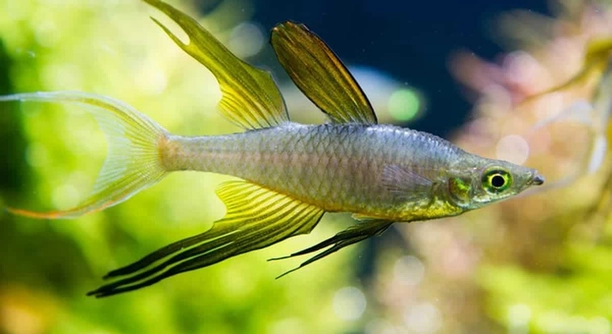
Do you ever watch threadfin in their natural habitat and notice them suddenly act tense or uneasy? Observing their behavior closely can reveal subtle signs that indicate the fish may feel threatened.
Threadfin exhibit specific behaviors when threatened, including rapid swimming, sudden color changes, fin flaring, hiding, erratic movements, and increased vigilance. These actions serve as protective mechanisms, helping them avoid predators and communicate distress to other fish in their environment.
Recognizing these clues can improve your understanding of threadfin behavior and help create a safer environment for them in both wild and captive settings.
Rapid Swimming and Erratic Movements
When threadfin feel threatened, their swimming patterns change dramatically. They may dart back and forth quickly, zigzag, or make sudden bursts of speed. This behavior is an instinctive response meant to confuse predators and reduce the chance of being caught. In aquariums, you might notice them swimming frantically near the edges or corners. Wild threadfin will often move in tight, coordinated groups to protect each other. Their erratic movements can be brief or sustained depending on the perceived danger. Observing this behavior closely helps identify stress triggers in their environment. Lighting, water currents, and nearby fish activity can all influence how often these rapid movements occur. Noticing these changes early allows for intervention, helping maintain the health and safety of the fish. Over time, understanding these patterns builds your ability to respond effectively and create a calm space for threadfin.
Rapid swimming is a clear indicator of stress or threat in threadfin, signaling heightened alertness and protective instinct in response to potential danger.
Watching threadfin move like this can be intense, but it shows just how alert and aware they really are in their environment.
Color Changes and Fin Flaring
Threadfin often change color when they feel threatened. This can range from duller tones to darkened patches on their body.
Color changes serve as both a warning and a camouflage tactic, making them less visible to predators. Stress can trigger these shifts, and noticing them helps assess the fish’s comfort.
Fin flaring is another clear sign. When threatened, threadfin may extend their fins outward, making themselves appear larger and more intimidating. This reaction can be subtle or pronounced depending on the situation. In community tanks, flaring may also signal other fish to stay away, reducing conflict. Frequent color changes and fin flaring often point to recurring stressors in the environment. Identifying triggers such as aggressive tank mates, sudden movements, or loud vibrations is essential. Adjusting the tank setup by providing hiding spots, consistent lighting, and minimal disturbances can reduce these responses. Observing these behaviors consistently provides insight into the fish’s emotional and physical state. Maintaining a stable and safe environment encourages calmer behavior and prevents long-term stress-related health issues.
Hiding and Seeking Shelter
Threadfin will often hide when they feel threatened. They may dart under rocks, plants, or decorations, staying out of sight until the danger passes. This instinctive behavior reduces exposure to predators and helps them feel secure in unfamiliar surroundings.
Hiding is a natural response for threadfin under stress. In both wild and aquarium settings, they instinctively seek out safe spaces whenever they sense danger. This can include crevices, dense vegetation, or shaded areas in their habitat. Frequent hiding can indicate repeated stressors, such as aggressive tank mates, sudden movements, or loud noises. Watching their preferred hiding spots provides clues about what makes them uncomfortable. Over time, observing these patterns helps identify threats early and allows adjustments to the environment. Adding more shelters or rearranging the habitat can create a sense of security. Reducing external stressors and giving them quiet, safe spaces encourages calmer, healthier behavior, which is vital for long-term well-being.
Extended hiding periods can also indicate illness or injury. If a threadfin spends excessive time out of sight, it’s important to check water quality, diet, and interactions with other fish. Environmental adjustments and attentive observation can help restore their confidence and reduce stress-related behaviors.
Increased Vigilance and Alert Posture
Threadfin often show heightened vigilance when they sense danger. Their movements slow, eyes scan continuously, and fins are slightly raised to monitor surroundings.
This alert posture helps them detect predators early and respond quickly. They may pause mid-swim or hover near shelters, ready to react at any moment.
Vigilance in threadfin is a clear survival tactic. Observing them maintaining a rigid or upright position while scanning the environment shows they are processing potential threats carefully. In aquariums, this can happen when new fish are introduced or when sudden environmental changes occur. Heightened alertness is often accompanied by other subtle signs, such as slight color changes or fin adjustments. It is important to recognize this behavior as a stress indicator rather than aggression. Providing predictable routines, gentle handling, and calm surroundings helps reduce the frequency of these tense behaviors. Over time, consistent observation can reveal patterns of triggers and preferred safe zones. Responding by minimizing disturbances and maintaining a stable environment allows threadfin to regain normal behavior and reduces chronic stress.
Erratic Feeding Behavior
Threadfin may eat less or refuse food entirely when they feel threatened. Stress can disrupt their appetite, signaling discomfort or fear in their environment.
Changes in feeding habits are often subtle at first. They might nibble lightly or avoid certain areas during feeding times, showing awareness of potential threats nearby.
Tail Flicking and Sudden Movements
Tail flicking is a quick, sharp movement often seen when threadfin feel threatened. It allows rapid directional changes to escape danger and signals heightened alertness to nearby fish.
This behavior is instinctive and can appear multiple times in succession, especially when external stimuli are sudden or unpredictable. Observing tail flicking helps identify stress triggers and provides insight into their comfort level within the habitat.
Staying Close to the Group
Threadfin often stay near other fish when feeling threatened. Safety in numbers helps them detect danger faster and reduces the risk of predation.
FAQ
How can I tell if my threadfin is stressed or threatened?
You can tell a threadfin is stressed if it shows rapid swimming, erratic movements, hiding, or tail flicking. Color changes, fin flaring, and staying close to other fish are also common signs. Watching these behaviors consistently helps you identify patterns of discomfort.
Why does my threadfin hide so often?
Hiding is a natural defense mechanism. Threadfin seek out shelters, rocks, or plants to feel safe. Frequent hiding may indicate environmental stressors, such as aggressive tank mates, sudden movements, or loud noises. Providing more hiding spots can help them feel secure.
What causes sudden color changes in threadfin?
Color changes occur when threadfin feel threatened or stressed. Dull tones or dark patches help with camouflage or signal distress. This behavior is instinctive and can be triggered by environmental changes, predators, or disturbances in their habitat.
How can I reduce stress in my threadfin?
Maintaining stable water conditions, consistent lighting, and minimizing sudden movements can reduce stress. Adding plants or decorations for hiding spots and keeping aggressive tank mates separate also improves their comfort and encourages calm behavior.
Is fin flaring dangerous for threadfin?
Fin flaring itself is not dangerous but indicates stress. Frequent flaring may suggest recurring threats or discomfort. Observing the triggers, such as nearby fish or sudden changes in the environment, can help you make adjustments to reduce this behavior.
Why does my threadfin swim erratically?
Erratic swimming is a defense response to perceived danger. Threadfin use rapid bursts and zigzag patterns to confuse predators. In captivity, this behavior may be caused by sudden noises, fast movements, or overcrowded tanks. Monitoring patterns helps identify and address triggers effectively.
Can tail flicking harm my threadfin?
Tail flicking is a natural response to threats and does not usually harm the fish. Repeated flicking can indicate frequent stress. Ensuring a calm, predictable environment with safe spaces can reduce the frequency of this behavior and promote healthier activity levels.
Should I separate a stressed threadfin from other fish?
Separation is sometimes necessary if aggression or overcrowding causes constant stress. Providing a quiet area or isolated tank allows the threadfin to recover, eat normally, and regain normal behavior without feeling threatened.
How long does it take for a threadfin to calm down after being stressed?
Recovery time varies depending on the severity of stress. Minor disturbances may only cause temporary alertness, while repeated stressors could take days or weeks to normalize behavior. Consistent care, safe hiding spots, and minimal disturbances speed up recovery.
Can environmental enrichment help reduce stress?
Yes. Adding plants, rocks, and other hiding spots provides security. Enrichment helps threadfin feel less exposed and allows natural behaviors. Varying the environment slightly without sudden changes keeps them mentally engaged and reduces fear responses.
What signs indicate long-term stress in threadfin?
Long-term stress can show as persistent hiding, reduced appetite, color changes, or abnormal swimming. Physical signs like fin damage or weight loss may appear. Monitoring these signs early and addressing environmental factors is essential to prevent health problems.
Are there any behavioral signs that show improvement?
Yes. Calm swimming, regular feeding, reduced hiding, and relaxed fins indicate the threadfin is comfortable. Gradually, alertness levels normalize, and interactions with other fish become less tense. Observing positive changes helps confirm that adjustments in the environment are effective.
Is it normal for threadfin to stay close to other fish when stressed?
Yes. Staying near other fish increases safety. It helps them detect threats quickly and feel secure. In community tanks, this behavior is common when a threat is perceived, and it diminishes as the environment becomes more stable and calm.
Can stress affect a threadfin’s health?
Stress can weaken the immune system, making them more prone to disease. Long-term stress may also reduce growth and reproduction. Maintaining a calm environment, proper diet, and safe interactions is crucial for their overall health.
What are the most common triggers of stress in threadfin?
Common triggers include aggressive tank mates, sudden movements, loud noises, overcrowding, and poor water quality. Identifying and minimizing these triggers helps maintain normal behavior and prevents chronic stress-related problems.
How do I monitor my threadfin’s stress levels effectively?
Watch behavior closely, noting changes in swimming, hiding, color, and appetite. Keep a consistent routine and track interactions with other fish. Observing over time helps detect early signs of stress and allows for timely adjustments to the habitat.
Can threadfin become accustomed to minor disturbances?
Yes, gradual exposure to predictable, non-threatening stimuli can help threadfin become less reactive. Consistency is key, and any changes should be slow to prevent new stress responses. Observing their reactions ensures adjustments are safe and effective.
How important is water quality in preventing stress?
Water quality is critical. Poor parameters can cause discomfort, trigger hiding, color changes, and erratic swimming. Regular testing, proper filtration, and consistent maintenance reduce environmental stressors and promote healthier, calmer behavior in threadfin.
Are there differences in stress responses between young and adult threadfin?
Yes. Younger threadfin may hide more and react faster to threats, while adults often use coordinated group behaviors and subtle signals. Understanding age-specific responses helps tailor care and reduce stress effectively for all life stages.
When should I consult a specialist about my threadfin?
If stress behaviors persist despite improving the environment, or if there are signs of illness, consulting an aquatic veterinarian or experienced aquarist is recommended. Professional guidance ensures proper diagnosis and effective interventions to maintain the fish’s health and well-being.
Threadfin are fascinating fish to watch, especially when you notice the subtle ways they react to their environment. Understanding how they behave when they feel threatened can make a big difference in keeping them healthy and calm. Rapid swimming, hiding, fin flaring, color changes, and tail flicking are all natural responses to stress. Each of these behaviors is the fish’s way of protecting itself, signaling danger, or communicating with other fish. Observing these behaviors carefully allows you to better interpret what your threadfin are experiencing and respond appropriately. Being aware of these signals helps you create a stable and safe environment, reducing unnecessary stress and promoting their overall well-being.
When threadfin hide or stay close to the group, it’s not just random behavior—it shows that they are alert and trying to feel secure. Providing adequate hiding spaces, consistent water conditions, and predictable routines can make a noticeable difference in their comfort levels. Even small changes in the environment, such as adding plants or adjusting lighting, can reduce anxiety and make them feel safer. Stressful conditions can affect their feeding habits, energy levels, and even physical health, so monitoring their behavior and making adjustments is essential. By paying attention to these details, you can prevent long-term stress and ensure that your threadfin remain active, healthy, and more confident in their surroundings.
Threadfin are more sensitive than they may appear, and their responses to threats are instinctive but important to recognize. Maintaining a calm and supportive environment encourages natural behaviors without unnecessary fear. Observing their patterns, noting triggers, and adjusting the habitat accordingly will help them feel secure and thrive. Stress is a natural part of life for any fish, but it can be managed effectively with consistent care and attention. By understanding their reactions and providing the right conditions, you ensure that your threadfin can live a healthy, balanced life while displaying their natural curiosity and grace. A thoughtful approach to their care not only benefits the fish but also makes keeping them a more rewarding experience.

Hello,
If you enjoy the content that we create, please consider saying a "Thank You!" by leaving a tip.
Every little bit helps us continue crafting quality advice that supports the health, happiness, and well-being of pets around the world, for pets of all shapes, sizes, and species.
We really appreciate the kindness and support that you show us!