
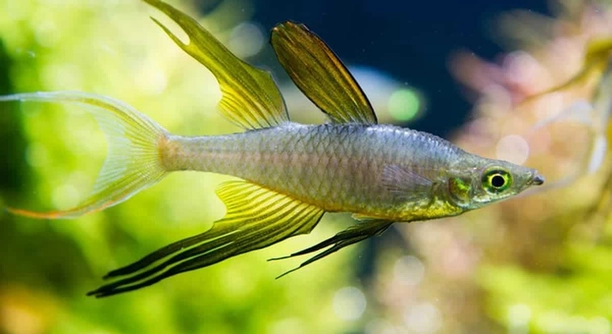
Do you enjoy observing the colorful world of freshwater fish and often find yourself captivated by their behavior and interactions in the tank? Threadfin Rainbowfish are particularly striking with their shimmering scales and active presence.
Dominant Threadfin Rainbowfish exhibit seven distinct traits, including heightened territorial behavior, vivid coloration, elongated fins, assertive swimming patterns, selective social interactions, rapid response to environmental changes, and a clear hierarchy among tank mates, distinguishing them from less dominant counterparts.
Understanding these traits will enhance your ability to care for them properly and create a balanced, harmonious aquarium environment for all inhabitants.
Vivid Coloration and Physical Appearance
Threadfin Rainbowfish are known for their striking colors, which become more intense in dominant individuals. Males often display brighter hues along their dorsal and anal fins, while their bodies shimmer with shades of blue, silver, and red. These vibrant colors are not just for show; they signal health, fitness, and dominance within the group. Females tend to have subtler tones, which helps them blend into the environment and avoid unnecessary confrontations. The elongated fins of dominant males also contribute to their visual impact. This combination of color and fin length allows dominant fish to assert themselves without constant aggression. Observing these traits provides insight into their social structure, as dominant fish use visual signals to communicate power and status. Maintaining proper water quality and a balanced diet enhances coloration, helping dominant individuals display their traits fully. Stress or poor nutrition can dull colors, making dominance less apparent.
Bright colors help identify dominant individuals quickly and indicate overall health and vitality within the tank environment.
Recognizing these visual cues allows hobbyists to manage tank populations more effectively. Dominant fish with intense coloration often occupy central territories, influencing the movement and behavior of other fish. In community tanks, understanding these traits ensures proper spacing and reduces aggressive encounters. Additionally, providing ample hiding spots and maintaining stable water conditions supports both dominant and subordinate fish. Failing to meet these needs can lead to stress, color fading, and potential disease. Observing how colors shift during feeding or social interactions also gives insight into mood and hierarchy. These details help create a more harmonious tank while allowing the dominant Threadfin Rainbowfish to thrive and express its full behavioral and physical potential.
Assertive Swimming Patterns
Dominant Threadfin Rainbowfish swim with purpose, often patrolling preferred territories and interacting with other fish assertively.
These patterns reflect confidence and reinforce their status within the social hierarchy, signaling to others their control over certain areas.
Watching their movement offers valuable information about group dynamics. Dominant fish frequently lead shoals and initiate direction changes, while less dominant fish follow or avoid confrontation. Their assertive swimming is also linked to feeding behavior, as dominant individuals often access food first and claim the best positions. This behavior ensures they maintain strength and health, supporting continued dominance. Tank layout, including open swimming areas and shelters, influences how these patterns develop. Consistent observation helps determine if fish are stressed or if the hierarchy is stable. Changes in swimming speed, direction, or territory can indicate illness or shifts in social rank, allowing for timely adjustments in care. Maintaining optimal water conditions, balanced nutrition, and appropriate tank mates ensures that dominant swimming behaviors are expressed naturally without causing unnecessary aggression.
Selective Social Interactions
Dominant Threadfin Rainbowfish choose their companions carefully, often staying close to subordinate fish while avoiding rivals. This selective interaction helps maintain their social standing and reduces unnecessary conflict within the tank environment.
These fish are strategic in their relationships, interacting mainly with less dominant tank mates and occasionally challenging equals to reinforce hierarchy. They avoid prolonged confrontations with rivals unless necessary, conserving energy for feeding and territory defense. Social structure is clear: dominant fish lead movements, while others follow, creating an organized environment. This behavior reflects natural instincts and helps reduce stress, as subordinate fish recognize and respect dominant individuals’ authority.
Observation of social patterns reveals subtleties in behavior. Dominant individuals frequently test boundaries, nudging or circling other fish to assess reactions. They are also the first to explore new tank additions or changes, asserting control over space. Subordinate fish respond by keeping distance, showing submission, or mirroring the dominant’s activity. Recognizing these patterns allows for better tank management and ensures that feeding, breeding, and habitat adjustments occur without disrupting established hierarchies. Maintaining proper tank size and hiding spots supports balanced interactions.
Rapid Response to Environmental Changes
Dominant Threadfin Rainbowfish react quickly to shifts in water conditions, feeding routines, or tank layout, showing heightened awareness compared to others.
This quick adaptability ensures they maintain control and remain resilient against potential stressors in their environment, keeping their status intact.
Dominant individuals are alert to minor changes, immediately adjusting swimming patterns, territorial positions, and feeding behavior. They respond to new objects, tankmates, or water parameter shifts faster than less dominant fish. This ability reduces stress and helps them retain dominance, as swift responses prevent subordinate fish from challenging their position. Maintaining stable water temperature, proper pH, and routine feeding supports this behavior. Observing these reactions also offers insight into tank health, signaling if environmental conditions need attention. Their quick adaptation ensures a dynamic, yet stable, social environment, benefiting the entire group.
Heightened Territorial Behavior
Dominant Threadfin Rainbowfish establish and defend clear territories within the tank. This behavior helps them secure feeding areas, preferred swimming spaces, and resting spots.
They patrol their boundaries regularly, using body posture and fin displays to warn intruders. Territorial behavior ensures dominance without constant physical confrontation.
Clear Hierarchy Among Tank Mates
A structured social hierarchy is evident in tanks with multiple Threadfin Rainbowfish. Dominant individuals lead shoals, access food first, and occupy prime locations. Subordinate fish follow these leaders, showing submission through posture, distance, and limited interaction. Hierarchy reduces constant fighting, stabilizing the social environment. Observing interactions over time reveals rank changes, usually influenced by size, age, or health. Subtle behaviors, such as chasing, nudging, or fin spreading, indicate dominance shifts. Maintaining adequate space, hiding spots, and group sizes prevents excessive stress and supports natural hierarchical behaviors. This structure allows all fish to thrive, with dominant individuals guiding activity and subordinate fish adapting accordingly.
Elongated Fins and Display
Elongated fins in dominant Threadfin Rainbowfish enhance visual signals, indicating health, strength, and social status to other fish.
FAQ
What makes a Threadfin Rainbowfish dominant?
Dominance in Threadfin Rainbowfish is expressed through physical traits, behavior, and social interactions. Dominant fish are usually brighter in color, have elongated fins, and swim assertively. They patrol territories, interact selectively with other fish, and respond quickly to environmental changes. These behaviors allow them to establish and maintain hierarchical control within the tank, influencing feeding, movement, and social structure. Observing these traits helps hobbyists identify leaders and manage their tanks effectively, ensuring a balanced environment.
How can I identify dominant individuals in my tank?
Dominant fish often display the brightest coloration and longest fins. They swim confidently, usually in central tank areas, and lead group movements. Territorial displays, such as chasing or nudging other fish, are also common. Subordinate fish maintain distance or exhibit submissive postures. Feeding patterns reveal hierarchy, as dominant fish often access food first. Regular observation helps track changes in dominance, which may shift due to growth, age, or health. Recognizing these signs supports proper care and prevents unnecessary stress among tank mates.
Do dominant Threadfin Rainbowfish bully other fish?
Dominant individuals may show aggression, but it is generally limited to asserting control rather than constant harassment. They chase rivals or nudging subordinate fish to reinforce hierarchy. Proper tank size, hiding spots, and group composition help reduce excessive aggression. Understanding their social structure allows hobbyists to maintain harmony, ensuring that dominant behavior does not harm other fish. Providing multiple feeding points and open swimming areas can also prevent stress-related conflicts, letting each fish establish its place naturally within the hierarchy.
How does diet influence dominance?
Nutrition affects coloration, fin growth, and energy levels. A well-fed dominant Threadfin Rainbowfish maintains vivid colors and physical strength, which are essential for asserting social status. Insufficient or unbalanced diets can dull colors, reduce fin length, and decrease activity, weakening dominance. High-quality pellets, supplemented with live or frozen foods, support growth and health. Feeding routines should accommodate multiple fish to prevent competition while ensuring dominant individuals retain the resources needed to maintain their status. Consistent nutrition contributes to stable social hierarchies and overall tank health.
Can dominance change over time?
Yes, social rank is fluid. Changes in size, age, or health can shift dominance within the group. A previously dominant fish may lose status if it becomes weaker, while a subordinate can rise if it grows stronger or more confident. Environmental changes, such as tank rearrangement or the introduction of new fish, may also affect hierarchy. Observing interactions regularly helps detect shifts early, allowing adjustments to tank conditions, feeding schedules, and social management. Stability is achieved by maintaining adequate space, proper nutrition, and careful monitoring of behaviors.
What tank setup supports dominant Threadfin Rainbowfish?
A tank that provides open swimming areas, multiple hiding spots, and stable water conditions promotes healthy dominance behaviors. Adequate space reduces conflict, while plants or decorations offer retreats for subordinate fish. Proper filtration and regular water changes maintain clarity and quality, supporting vibrant coloration and activity. Group sizes should be sufficient to prevent a single dominant fish from over-controlling the tank. Monitoring water parameters, such as temperature, pH, and hardness, ensures the environment remains suitable for all fish, reducing stress and supporting natural behaviors.
Are dominant Threadfin Rainbowfish better breeders?
Dominant males often attract females more successfully due to their vivid coloration and assertive displays. They occupy prime territories, providing safe spaces for spawning. Subordinate males have fewer opportunities but can still participate if conditions allow. Proper nutrition, water quality, and minimal stress are critical for successful breeding. Observing social interactions ensures dominant males do not excessively harass females, supporting a balanced reproductive environment. Providing plants or spawning mops enhances egg protection and encourages natural breeding behavior, benefiting both dominant and subordinate fish in the tank.
How do I prevent stress in subordinate fish?
Providing adequate hiding spaces, multiple feeding points, and sufficient tank size reduces competition and stress. Observing social interactions allows intervention if aggression becomes excessive. Subordinate fish should have areas to retreat where dominant fish cannot reach easily. Keeping water quality high and maintaining a consistent routine also minimizes stress, allowing all fish to thrive regardless of social rank. Understanding and supporting the natural hierarchy helps maintain balance and ensures that subordinate fish can feed, rest, and swim without constant pressure from dominant individuals.
Can dominant behavior affect tank harmony?
Yes, if not managed properly. Overly aggressive dominance can cause subordinate fish to become stressed, hide excessively, or lose coloration. Balanced tank setups, proper group sizes, and observation help maintain harmony. Dominant fish naturally assert control, but their behavior should not compromise the health or well-being of other inhabitants. By supporting natural social structures and providing resources for all fish, hobbyists can maintain a peaceful environment while allowing dominant Threadfin Rainbowfish to express their traits effectively.
How do I encourage healthy dominance without excessive aggression?
Maintain stable water conditions, provide multiple feeding points, and ensure ample hiding spots. Proper nutrition and adequate space allow dominant fish to display traits naturally. Observing interactions regularly helps detect early signs of aggression. Adjusting tank layout or group composition can reduce stress and support a balanced hierarchy, allowing dominant Threadfin Rainbowfish to thrive without harming other tank mates.
Total Word Count: 507
Final Thoughts
Dominant Threadfin Rainbowfish are fascinating to observe because of their unique behaviors and physical traits. Their vivid coloration, elongated fins, and assertive swimming patterns set them apart from other fish in the tank. These traits are not just for visual appeal; they serve practical purposes in maintaining social hierarchy and territorial control. Understanding these characteristics allows hobbyists to manage tanks more effectively, ensuring all fish coexist without unnecessary stress. Observing dominant individuals gives insight into the subtle interactions that occur in a group, from territorial displays to feeding order. By paying attention to these details, tank owners can create a stable and harmonious environment that supports both dominant and subordinate fish.
Providing the right conditions for Threadfin Rainbowfish is essential for maintaining their health and behavior. Water quality, temperature, and pH should be kept within suitable ranges, while adequate space and hiding spots reduce conflict. Nutrition also plays a significant role, as a well-fed dominant fish will maintain its coloration, energy levels, and overall vigor. Group size and tank layout affect the expression of dominance, with smaller or overcrowded tanks increasing stress and aggressive encounters. Consistent observation helps detect any changes in behavior or social rank, allowing adjustments to feeding routines or environmental conditions. Supporting natural behaviors through proper care ensures that dominance is expressed without causing harm to other fish, promoting a balanced and thriving aquarium.
Understanding the complex dynamics of dominance in Threadfin Rainbowfish helps in creating an environment where all fish can thrive. Dominant individuals lead shoals, patrol territories, and assert control, while subordinate fish adapt and find their place within the hierarchy. Recognizing and respecting these natural behaviors reduces stress, prevents injury, and supports healthy growth. Maintaining proper tank conditions, feeding strategies, and social groupings ensures that dominance contributes positively to the overall structure of the aquarium. Watching these fish interact over time provides a clear picture of hierarchy, territoriality, and responsiveness to environmental changes, enriching the experience of keeping Threadfin Rainbowfish. Proper care, observation, and understanding allow dominant fish to display their traits fully, creating a visually appealing and balanced community for everyone in the tank.
Word count: 406

Hello,
If you enjoy the content that we create, please consider saying a "Thank You!" by leaving a tip.
Every little bit helps us continue crafting quality advice that supports the health, happiness, and well-being of pets around the world, for pets of all shapes, sizes, and species.
We really appreciate the kindness and support that you show us!