
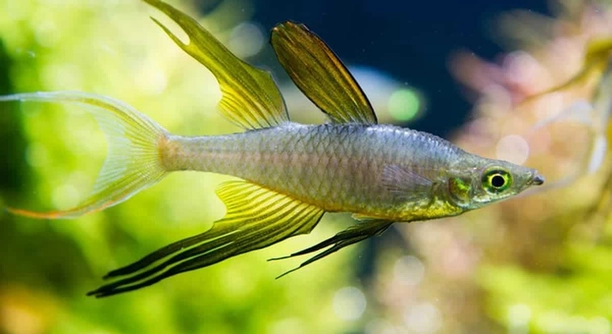
Do you ever find yourself observing your aquarium and noticing how your threadfins react to sudden changes? These graceful fish are sensitive to shifts in their environment, especially when a power outage disrupts the familiar patterns of light and water flow.
After a power outage, threadfins may become less active and gather near areas with residual light or water movement. Their feeding and swimming behaviors often slow down temporarily as they adjust to the altered environment, gradually returning to normal once conditions stabilize.
Understanding these behaviors can help you maintain a healthy aquarium and ensure your threadfins stay comfortable after disruptions. Proper observation and care are key to supporting their recovery and well-being.
How Threadfins React Immediately After a Power Outage
When the lights go out and filters stop working, threadfins often react quickly to the sudden change. They may stop swimming actively and hover near areas with leftover water flow. Some may retreat to corners of the tank, seeking stability. These fish are highly sensitive to changes in their environment, and sudden darkness can cause noticeable stress. Their usual patterns, like schooling or feeding at certain times, can pause until conditions return to normal. Observing them closely helps identify which behaviors are temporary and which may indicate ongoing stress. Gradually, as water circulation and lighting resume, they start exploring more of the tank, returning to their usual spots. Small adjustments in lighting and water movement after a blackout can help them feel more secure. Over time, most threadfins readjust without lasting effects, but immediate monitoring ensures no complications develop.
After an outage, it is normal for threadfins to be cautious and slow in movement.
Watching their response helps you understand their needs better and provides a chance to adjust conditions quickly to maintain stability.
Adjusting Tank Conditions for Threadfins
Providing steady water flow and gentle lighting after a blackout encourages threadfins to resume normal behavior.
It’s important to check all equipment, including filters, heaters, and aerators, to ensure they function properly. Gradually restoring lighting helps reduce stress, as sudden bright light can startle the fish. Maintaining water quality is essential, especially after an outage, because waste can accumulate quickly when filtration stops. Partial water changes may be necessary if conditions deteriorate. Feeding should be resumed slowly, offering small amounts to prevent uneaten food from polluting the tank. Monitoring swimming patterns, schooling behavior, and appetite provides insight into how well the threadfins are adapting. Consistency and patience are key; abrupt changes can prolong stress. Keeping the environment calm and predictable allows them to regain confidence and settle back into their routine. Over several hours to a day, most threadfins will return to typical behavior if the tank conditions are carefully managed.
Feeding Threadfins After a Power Outage
Threadfins may hesitate to eat immediately after power returns. Small, frequent feedings help them regain appetite without overwhelming the tank.
Offering tiny portions prevents uneaten food from fouling the water. Observing which fish eat first helps identify those more stressed. Patience is important, as some may take several hours to resume normal feeding patterns. Avoid overfeeding to maintain water quality. Gradually increasing portions ensures all fish get adequate nutrition. Feeding times should remain consistent to reinforce routine and comfort. Maintaining clean water during this period supports digestion and overall health, helping threadfins recover smoothly.
Introducing high-quality, easy-to-digest foods encourages recovery. Avoid sudden changes in diet that could upset their digestive systems. Monitoring food consumption closely provides insight into individual fish behavior and adaptation. Consistency and gentle observation help ensure their well-being.
Monitoring Water Quality Post-Outage
Water quality can deteriorate quickly when filters stop. Testing for ammonia, nitrites, and pH helps prevent stress and illness in threadfins. Maintaining stable temperature and oxygen levels is equally critical.
If water parameters are off, perform partial water changes immediately. Removing debris and ensuring aeration prevents dangerous spikes in toxins. Filters should be inspected and cleaned if necessary, as clogged systems can reduce circulation. Sudden changes in chemical levels can weaken fish, making them vulnerable to disease. Keeping water conditions stable after an outage reduces stress and encourages normal activity. Observing fish for signs of distress, such as erratic swimming or gasping, can indicate underlying issues needing attention. Consistent monitoring over the next 24 to 48 hours helps confirm recovery. Proper management ensures threadfins remain healthy and active after disruptions.
Resting Behavior After a Power Outage
Threadfins often spend more time resting after a blackout. Reduced activity helps them conserve energy while adjusting to changes in their environment.
Some fish may stay near corners or decorations, seeking a sense of security. This behavior usually decreases as conditions normalize.
Signs of Stress in Threadfins
Threadfins under stress may show unusual swimming patterns, cling to surfaces, or hide more than usual. Appetite changes and slower reactions are also common. Recognizing these signs early allows timely intervention, such as adjusting lighting, aeration, or water flow. Consistent observation helps maintain their health and comfort.
Gradual Return to Normal Activity
As conditions stabilize, threadfins slowly resume typical swimming and schooling behaviors. Regular feeding and steady water flow encourage a quicker return to routine.
Monitoring their activity ensures they are adapting well and prevents prolonged stress.
FAQ
How long does it take for threadfins to recover after a power outage?
Recovery varies depending on the severity and duration of the outage. Typically, threadfins begin to resume normal behavior within a few hours once water flow, aeration, and lighting return. Full recovery, including feeding and schooling behavior, may take up to 24 hours. Gradual restoration of tank conditions helps minimize stress.
Will threadfins stop eating completely after an outage?
It is common for threadfins to hesitate or skip meals immediately after power returns. They often regain appetite slowly as they adjust to stable lighting and water flow. Offering small portions and observing which fish eat first helps ensure proper nutrition without fouling the tank.
Is water quality more important after a blackout?
Yes, water quality becomes critical because filtration may stop during an outage. Ammonia and nitrite levels can rise quickly. Testing and correcting water parameters, performing partial water changes, and maintaining oxygenation are key steps to keep threadfins healthy.
How can I reduce stress in threadfins after power returns?
Providing gentle lighting, steady water flow, and calm surroundings helps threadfins feel secure. Avoid sudden changes in feeding, water movement, or tank decorations. Patience and consistent care allow them to regain confidence and resume normal activity.
Do all threadfins react the same way to power outages?
Not always. Some may hide or reduce activity more than others, while more dominant or confident individuals resume movement sooner. Observing individual behavior helps identify fish that may need extra attention or support.
Should I feed immediately after the power comes back?
Feeding immediately is not always necessary. Waiting until threadfins appear comfortable and begin exploring reduces uneaten food in the tank. Start with small portions and gradually increase as appetite returns, maintaining consistent feeding times.
Can prolonged outages cause long-term effects?
Extended outages can lead to temporary stress and weaker immune systems if water conditions are not managed. Frequent monitoring, proper aeration, and water quality control reduce the risk of long-term impacts. Most healthy threadfins recover fully with proper care.
Are there signs that indicate a threadfin is not recovering well?
Yes, persistent hiding, erratic swimming, loss of appetite, or gasping at the water surface indicate ongoing stress or poor water conditions. Prompt intervention, including water testing and adjustments, is necessary to prevent illness.
What equipment helps threadfins during outages?
Battery-operated air pumps or backup generators can maintain water circulation and oxygen levels during outages. Having spare lights and checking filtration systems ensures minimal disruption. Planning ahead reduces stress for the fish.
How often should I check the tank after a blackout?
Frequent observation during the first 24 hours is important. Monitor swimming behavior, feeding, and water quality closely. Once threadfins resume normal activity, routine daily checks are usually sufficient.
Can changing the tank environment help threadfins recover?
Making drastic changes is not recommended. Gentle adjustments, like restoring normal water flow and lighting gradually, support recovery. Stability in tank conditions is more important than adding new features or decorations immediately after an outage.
Is it normal for threadfins to group together after a blackout?
Yes, grouping or clustering near flowing water or light sources is common. It provides security and helps them feel stable. This behavior usually decreases as the fish regain confidence and the environment stabilizes.
How long should feeding portions be kept small?
Small portions are recommended until threadfins consistently eat normally and water conditions are stable. This typically takes a few feedings or up to a day, depending on the fish and tank size. Gradually increasing portions prevents water pollution and supports healthy digestion.
Do threadfins need special care during repeated outages?
Repeated outages increase stress, so consistent monitoring and water quality management are crucial. Backup systems for aeration and filtration become more important. Maintaining a calm environment and gradual restoration of normal conditions ensures fish remain healthy even with repeated disruptions.
Can stress from an outage affect growth or health long-term?
Short-term stress usually does not cause long-term issues in healthy threadfins. However, prolonged stress from repeated or extended outages can weaken immunity. Keeping the tank stable and providing proper care reduces risks and supports overall health and growth.
Final Thoughts
Power outages can feel sudden and disruptive, but threadfins are remarkably adaptable when given the right care. Immediately after a blackout, these fish may reduce activity, hide, or stay near areas with residual water flow and light. This response is natural and helps them conserve energy while adjusting to changes in their environment. Observing their behavior during this period is crucial. You can notice which fish are recovering faster and which may need a little more attention. Gradual adjustments to the tank, like slowly restoring lighting and water flow, can make a big difference in how quickly they return to normal routines. Keeping the environment calm and stable reduces stress and allows threadfins to feel secure again. Small, patient steps are more effective than sudden changes, and they support the overall health and well-being of your aquarium.
Maintaining water quality after a power outage is one of the most important steps for helping threadfins recover. Filtration and aeration may stop during a blackout, causing water parameters to shift quickly. Ammonia, nitrites, and pH levels can rise, creating a stressful environment for the fish. Partial water changes, checking temperature, and ensuring proper aeration can prevent potential problems. Feeding should also be approached carefully. Threadfins may hesitate to eat right away, so offering small portions ensures they get nutrition without polluting the tank. Monitoring their appetite and swimming behavior provides important insight into how well they are adjusting. Keeping a close eye on both water conditions and the fish’s responses ensures that recovery is smooth and reduces the risk of illness.
It is normal for threadfins to show signs of stress after an outage, such as clustering together, hiding, or moving less than usual. These behaviors usually decrease once conditions stabilize. Providing a consistent and calm environment helps them regain confidence and resume normal routines. Gradually, they will return to regular swimming, schooling, and feeding patterns. Using backup equipment like air pumps or lights during outages can make a big difference in reducing stress and maintaining a stable environment. Recovery may take a few hours to a day, depending on the fish and the tank conditions, but with careful observation and proper care, threadfins generally adapt well. Understanding their needs and responding patiently ensures that your fish remain healthy, comfortable, and resilient after disruptions.

Hello,
If you enjoy the content that we create, please consider saying a "Thank You!" by leaving a tip.
Every little bit helps us continue crafting quality advice that supports the health, happiness, and well-being of pets around the world, for pets of all shapes, sizes, and species.
We really appreciate the kindness and support that you show us!