
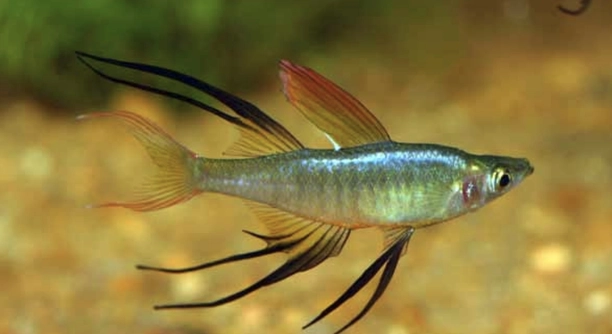
Are your tank’s threadfins showing unusual behavior despite regular maintenance? Even in well-kept aquariums, subtle issues with water flow can affect their comfort and natural swimming patterns, leaving owners puzzled about the cause.
Threadfins are highly sensitive to water movement, and minor inconsistencies in flow can lead to stress, reduced activity, and uneven distribution of nutrients. Understanding these subtle flow issues is essential for maintaining optimal health and natural behavior.
Recognizing these patterns early can improve tank conditions and ensure threadfins thrive in their aquatic environment.
Uneven Flow Across the Tank
Even in tanks with strong filtration, water flow may not be evenly distributed. Threadfins rely on consistent currents for exercise and feeding. Areas with slower movement can accumulate debris and uneaten food, creating pockets of poor water quality. These low-flow zones can stress threadfins, making them less active or causing them to congregate in one section of the tank. Adjusting filter direction or adding circulation pumps can help maintain even water movement. Overlapping flows from multiple filters or pumps can also create turbulence, which threadfins may avoid. Positioning decorations and plants thoughtfully prevents blocking natural currents and ensures that every section of the tank has adequate flow. Even small adjustments, like angling a spray bar or redirecting water output, can have a measurable impact on overall flow patterns and fish behavior. Consistent observation is key to identifying subtle issues before they affect health.
Uneven flow often leads to localized stress, affecting threadfin activity and feeding habits.
Correcting flow imbalances can prevent long-term behavioral and health problems, ensuring threadfins move freely and receive proper water quality throughout the tank.
Filter Placement and Flow Direction
Incorrect filter placement can create areas of stagnation. Even powerful filters are ineffective if water does not circulate properly.
Filters placed too close to a tank wall or decoration may fail to reach all areas, leaving dead spots. Threadfins may avoid these areas, reducing overall swimming space. Ensuring the filter output reaches across the tank and adjusting its direction to promote even circulation helps maintain healthy water conditions. Some tank layouts benefit from multiple smaller filters or a combination of filters and powerheads to create a uniform current. Threadfins are particularly sensitive to directional flow changes, so gentle adjustments are often more effective than increasing output power. Over time, monitoring their behavior near different sections of the tank can reveal subtle issues. Even small shifts in placement can transform stagnant corners into active swimming zones. Regular observation, combined with careful adjustments, ensures that flow direction supports the natural movement and feeding patterns of threadfins, maintaining both activity levels and overall health.
Flow Obstructions from Decorations
Decorations and plants can block water movement, creating low-flow areas that threadfins avoid. Even small items can redirect currents and reduce effective swimming space, impacting their comfort and feeding behavior.
When decorations are placed without considering water movement, certain areas of the tank may stagnate. Threadfins are sensitive to these changes and may concentrate in better-flowing sections, leaving corners unused. Rocks, driftwood, or dense plant clusters can act as barriers, preventing proper circulation. Adjusting or spacing decorations to allow free flow ensures that all areas of the tank receive adequate water movement. Even slight repositioning of larger items can significantly improve circulation. Observing how threadfins respond to these changes helps identify where currents are blocked. Proper placement not only supports swimming patterns but also reduces debris accumulation, keeping water cleaner and more consistent throughout the tank.
Flow obstructions can create hidden stressors for threadfins, reducing activity and increasing vulnerability to poor water quality. Regular adjustments keep the tank balanced and healthy.
Inconsistent Flow From Pumps
Inconsistent pump output can create turbulence or weak zones in the tank, disrupting threadfin movement and comfort. Small variations in pump performance affect current patterns, even if overall flow seems strong.
Pumps that fluctuate in strength or direction may leave some areas under- or over-stimulated. Threadfins prefer steady currents for normal swimming and feeding. Mechanical wear, clogging, or improperly sized pumps can contribute to these inconsistencies. Even when filters appear functional, subtle changes in pump performance can alter flow distribution. Monitoring pump output and making minor adjustments helps maintain uniform currents. Combining pumps with varied placement can stabilize flow and reduce turbulence. Checking for debris buildup or partially blocked inlets ensures consistent operation. Over time, maintaining steady pump performance prevents behavioral changes caused by erratic flow. Threadfins are quick to adapt, but prolonged inconsistencies can affect health and activity.
Properly tuned pumps and well-planned placement help maintain smooth currents, keeping threadfins active, comfortable, and evenly distributed throughout the tank.
Air Stone Placement
Air stones can create uneven currents if placed too close together or near tank walls. Threadfins may avoid areas with overly strong bubbles, disrupting swimming patterns and feeding zones.
Positioning air stones strategically helps distribute gentle flow throughout the tank. Proper spacing ensures bubbles enhance circulation without creating turbulence that stresses the fish.
Temperature-Related Flow Changes
Temperature differences within the tank can subtly alter water movement. Warmer areas tend to rise, while cooler water sinks, creating natural but uneven currents. Threadfins may favor sections that match their preferred temperature, leading to uneven activity and localized stress if circulation is poor.
Partial Blockage in Hoses
Debris or biofilm buildup in filter hoses can reduce water flow, affecting overall circulation. Even slight blockages decrease efficiency and disrupt the tank’s balanced current.
FAQ
How can I tell if my threadfins are stressed due to flow issues?
Signs include reduced activity, staying in one area of the tank, or avoiding certain sections. Threadfins may also show irregular feeding patterns, swimming in tight circles, or rubbing against surfaces. Observing behavior daily helps detect subtle stress early.
What is the best way to adjust flow without stressing the fish?
Make small, gradual changes to filters, pumps, or air stones. Adjust angles and output slowly to avoid sudden turbulence. Monitoring how threadfins react after each adjustment ensures they remain comfortable while currents improve.
Can tank decorations cause long-term flow problems?
Yes. Dense plants, rocks, or driftwood can block currents and create stagnant zones. Repositioning decorations or adding spacing allows water to circulate evenly, preventing low-flow areas and supporting natural swimming patterns.
Are multiple filters better than one for threadfins?
Multiple filters can improve circulation if placed strategically. Distributing flow across the tank reduces dead zones and provides more consistent current. However, overlapping strong outputs can create turbulence, so placement and adjustment are crucial.
How often should I check pumps and hoses for blockages?
Regular checks every few weeks prevent buildup from reducing flow. Even minor clogs can affect circulation and stress threadfins. Cleaning hoses and pump inlets ensures consistent operation and avoids uneven currents.
Do air stones really help with circulation?
Air stones can enhance water movement, but placement matters. Too many or improperly positioned stones create strong localized turbulence. Proper spacing allows gentle flow that encourages swimming without causing stress.
What role does water temperature play in flow?
Temperature differences naturally create currents. Warmer water rises, cooler water sinks, and uneven heating can create low-flow zones. Ensuring heaters and pumps are placed strategically helps maintain consistent temperature and circulation throughout the tank.
How do I fix uneven flow in larger tanks?
Use multiple pumps or filter outputs spaced evenly. Adjust directions to reach corners and avoid dead zones. Incorporate gentle air stones or powerheads to balance currents. Observing fish behavior indicates if adjustments are effective.
Can threadfins get used to weak currents?
Threadfins may adapt, but weak currents reduce exercise and feeding efficiency. Maintaining adequate flow supports their natural behavior and overall health. Occasional observation ensures currents remain sufficient without causing stress.
Is it necessary to measure flow rates?
Measuring flow can help identify weak zones, especially in larger tanks. Simple methods include using floating objects to observe current speed or installing flow meters. Monitoring ensures all areas receive consistent water movement.
How do I know if filter placement is wrong?
Dead spots or areas with debris accumulation indicate poor placement. Threadfins avoiding certain sections also signal uneven currents. Adjusting filter direction and position helps create balanced circulation, ensuring fish use the full tank space.
Can small tweaks really improve threadfin behavior?
Yes. Minor changes in pump angle, air stone position, or decoration placement can significantly improve flow. Observing fish reactions after adjustments shows what works best, keeping threadfins active, healthy, and comfortable.
What should I do if my threadfins still avoid certain areas?
Check for hidden obstructions, blockages, or strong localized currents. Ensure water temperature and quality are consistent. Incremental adjustments to pumps, filters, and decorations usually resolve most avoidance behaviors. Monitoring over time ensures lasting improvement.
How often should I observe my threadfins for flow-related issues?
Daily observation helps catch subtle changes in swimming patterns or feeding behavior. Keeping a simple log of activity can highlight emerging problems and guide necessary adjustments before stress or health issues occur.
Are there any tools to help balance flow in complex tanks?
Powerheads, circulation pumps, and adjustable spray bars allow precise control of currents. Strategically placing these tools helps reach stagnant zones and creates uniform flow, improving swimming conditions and overall fish health.
Do flow issues affect feeding habits?
Yes. Threadfins may avoid feeding in areas with weak or overly strong currents. Even distribution of water movement ensures food reaches all parts of the tank, supporting proper nutrition and preventing competition or stress.
Can low-flow zones impact long-term health?
Persistent low-flow areas can cause reduced activity, uneven feeding, and stress, making threadfins more vulnerable to illness. Maintaining consistent currents throughout the tank promotes exercise, feeding efficiency, and overall well-being.
How do I balance flow without creating turbulence?
Gentle adjustments to filter outputs, pump angles, and air stone positions help reduce turbulence. Observing how threadfins respond ensures currents remain steady, supporting natural movement while avoiding stress from chaotic water movement.
What is the most common reason threadfins avoid certain areas?
Most often, it’s subtle flow inconsistencies caused by blocked currents, filter placement, or uneven pump output. Correcting these issues gradually restores comfort, encourages activity, and ensures fish use the entire tank space effectively.
How long does it take for threadfins to adjust after flow changes?
Adjustment time varies, but threadfins typically adapt within a few days to a week. Gradual changes minimize stress, allowing them to explore previously avoided areas and resume natural swimming patterns confidently.
Can multiple small adjustments be better than one big change?
Yes. Incremental changes reduce stress and let you observe fish behavior after each modification. This approach ensures each adjustment positively impacts circulation, flow, and threadfin comfort without causing sudden disruption.
How do I maintain consistent flow long-term?
Regularly clean pumps, filters, and hoses. Reassess decoration placement and air stone positions periodically. Monitoring water temperature and observing threadfin behavior helps catch subtle changes before they become problematic. Consistency ensures healthy activity and well-being over time.
Is it normal for threadfins to prefer certain areas even with good flow?
Some preference is natural, but excessive avoidance may indicate minor flow issues or subtle environmental stressors. Continuous observation and small adjustments ensure currents remain even, supporting active and comfortable swimming patterns.
What’s the easiest way to spot subtle flow problems?
Watch swimming patterns, feeding behavior, and areas of debris accumulation. Threadfins often reveal low-flow zones by avoiding specific sections. Small floating markers can also help visualize currents and identify inconsistencies for correction.
How do I know if my adjustments are effective?
Observe increased activity, even swimming throughout the tank, and improved feeding behavior. Threadfins should explore previously avoided areas. Tracking these changes over several days confirms that flow adjustments are working and supporting healthy behavior.
Can tank size affect flow issues?
Larger tanks are more prone to low-flow zones due to distance from pumps and filters. Careful placement of circulation devices, multiple outputs, and occasional flow measurements help maintain even currents in bigger setups.
How important is consistency in daily maintenance?
Very important. Regular monitoring, cleaning, and minor adjustments prevent subtle flow issues from becoming stressful. Consistency ensures that threadfins remain active, healthy, and comfortable throughout the tank, reducing the risk of long-term behavioral or health problems.
Are there any signs that flow is too strong?
Threadfins may struggle to swim, avoid certain areas, or exhibit erratic movement if currents are too strong. Adjusting pump speed or output direction creates gentler flow that supports natural swimming patterns without forcing the fish to fight the current.
Can low-flow areas lead to water quality problems?
Yes. Stagnant sections allow debris and uneaten food to accumulate, increasing the risk of bacterial growth and reducing oxygen levels. Proper circulation prevents buildup, maintains water quality, and ensures threadfins remain healthy and stress-free.
How do I prevent flow issues from recurring?
Maintain pumps, filters, and hoses, periodically reposition decorations, and check air stone placement. Observing threadfin behavior regularly helps identify new or subtle problems early. Proactive maintenance reduces recurring flow-related stress.
Are there flow issues unique to threadfins compared to other fish?
Threadfins are particularly sensitive to subtle flow changes because they rely on consistent currents for exercise and feeding. Even minor inconsistencies can affect their swimming, activity levels, and stress, making them more responsive to flow adjustments than many other species.
What’s the first step if I notice uneven swimming patterns?
Check for blocked currents, filter output, air stone placement, and pump performance. Making small adjustments while observing threadfin behavior addresses issues early and restores comfort and normal activity.
Can threadfins recover fully from long-term flow stress?
Yes, if flow issues are corrected and water quality is maintained. Gradual improvements allow fish to regain normal swimming patterns, activity levels, and feeding behavior. Recovery depends on consistent, balanced currents and attentive tank management.
How do I balance flow with decorative aesthetics?
Arrange plants, rocks, and ornaments to allow water to circulate freely while keeping visual appeal. Thoughtful spacing and positioning create even currents without compromising the tank’s appearance or threadfin comfort.
Is it better to have slightly stronger flow or weaker flow for threadfins?
Moderate, consistent flow is ideal. Too weak reduces exercise, while too strong causes stress. Observing threadfin behavior ensures the flow supports natural swimming without forcing them to fight currents.
How frequently should I review flow patterns?
Weekly observation is sufficient for stable tanks. Checking after cleaning, decoration changes, or pump adjustments ensures currents remain even and threadfins continue to move comfortably throughout the tank.
Can small air stones replace pumps for circulation?
Air stones alone are usually insufficient for larger tanks. They help enhance flow but do not replace the steady, directional currents provided by pumps and filters. Combining both ensures even circulation.
How do I avoid overcompensating when adjusting flow?
Make incremental changes and observe reactions before further adjustments. Avoid turning pumps to maximum or redirecting all flow to one area, as this can create turbulence and new stress zones.
What is the easiest indicator of proper flow?
Threadfins swimming evenly throughout the tank, using all areas, and feeding without hesitation indicates that currents are balanced and supportive of their natural behavior.
Do I need to track changes over time?
Yes. Logging adjustments, flow observations, and fish behavior helps identify trends, detect subtle issues, and ensure consistent improvement in swimming conditions and overall tank health.
Can temperature fluctuations worsen flow issues?
Yes. Uneven heating can create natural but disruptive currents, causing threadfins to congregate in certain areas. Consistent temperature management helps maintain steady flow and reduces stress.
Are there quick fixes for low-flow zones?
Small repositioning of pumps, air stones, or decorations often resolves minor dead spots. Observing threadfin response confirms effectiveness before making larger adjustments.
What’s the most important factor for healthy threadfin movement?
Consistent, even water flow that reaches all areas of the tank while avoiding turbulence. Balanced currents promote activity, feeding, and overall well-being.
How do I know when adjustments are sufficient?
Threadfins should explore all areas, swim naturally, and feed without hesitation. Behavioral improvement over several days signals that flow conditions are optimized.
Do threadfins prefer any specific flow patterns?
They favor gentle, steady currents that mimic natural river or coastal conditions. Rapid or chaotic movement causes stress and avoidance behavior.
How do I maintain flow during tank cleaning?
Clean filters, pumps, and air stones carefully, replacing or repositioning as needed to maintain consistent currents. Observing fish afterward ensures flow remains stable.
Can improper flow cause illness?
Indirectly, yes. Stress from uneven currents can weaken immune response and lead to poor feeding, increasing susceptibility to disease. Maintaining steady, balanced flow supports health.
Are adjustments different for small vs. large threadfins?
Larger fish need stronger, consistent currents to swim naturally. Smaller threadfins tolerate gentler flow, but all sizes benefit from balanced, evenly distributed currents throughout the tank.
Is it necessary to change pump types for better flow?
Not always. Proper placement, adjustment, and maintenance of existing pumps often resolve flow issues. Changing types may help in complex tank setups or larger aquariums.
How do I handle overlapping currents from multiple pumps?
Adjust angles and output strength to reduce turbulence. Observe threadfin behavior to ensure currents complement rather than conflict, creating even, comfortable swimming conditions.
Can I use flow indicators to monitor currents?
Yes. Floating objects or flow meters help visualize weak zones and strong turbulence areas, guiding placement of pumps, air stones, and decorations for balanced circulation.
How do I prevent new low-flow zones from forming?
Regularly check and adjust pumps, air stones, and decorations. Monitor threadfin behavior and water quality. Proactive management keeps flow consistent and prevents stress or stagnation.
What’s the long-term benefit of proper flow management?
Threadfins remain active, healthy, and stress-free. Consistent currents support natural behavior, proper feeding, and overall well-being, reducing the risk of illness or long-term behavioral issues.
Are there signs of subtle improvement after adjustments?
Increased exploration, even swimming, and balanced feeding patterns indicate positive changes. Observing these signs confirms that flow corrections are effective and sustainable.
Can flow issues affect multiple threadfins differently?
Yes. Some may tolerate weaker currents better, while others avoid low-flow zones entirely. Observing all fish ensures that adjustments benefit the entire group.
How do I maintain consistent flow during seasonal changes?
Monitor water temperature and heater placement. Adjust pump or filter output if necessary to compensate for seasonal fluctuations, ensuring stable, even currents year-round.
Is it better to address flow issues immediately or wait for signs of stress?
Immediate action is better. Correcting subtle issues before they impact threadfin behavior or health prevents stress, uneven activity, and potential long-term complications.
How do I combine aesthetic and functional flow solutions?
Strategically place decorations to allow free movement while keeping pumps and air stones unobtrusive. Balanced design ensures threadfins have sufficient flow and natural swimming space.
Can adjusting flow improve feeding efficiency?
Yes. Even currents distribute food more effectively, encouraging threadfins to feed naturally and reducing competition or stress from uneven water movement.
What should I do if my tank still has stubborn low-flow zones?
Consider repositioning multiple pumps, adjusting filter output, or adding gentle powerheads. Observing threadfin response after each change ensures improvements are effective and stress-free.
Do all threadfins react the same to flow adjustments?
No. Individual temperament and size affect reactions. Monitoring behavior ensures that adjustments support all fish and provide uniform comfort throughout the tank.
How important is patience when correcting flow issues?
Very important. Gradual adjustments and careful observation prevent stress and allow threadfins to adapt, ensuring long-term success in maintaining balanced currents and healthy behavior.
Can low-flow zones form even in small tanks?
Yes. Even compact setups can have blocked corners or dead spots. Proper placement of pumps, air stones, and decorations is essential to maintain even currents and fish comfort.
How often should I revisit flow setup after initial adjustments?
Periodically, especially after cleaning or adding decorations. Monitoring ensures currents remain balanced and threadfins continue to move and feed comfortably.
Can adjusting flow reduce aggression in community tanks?
Yes. Balanced currents prevent territorial behavior linked to preferred areas, allowing threadfins and other species to coexist with less competition and stress.
Is flow consistency more important than flow strength?
Yes. Steady, predictable currents are better than strong but erratic flow. Threadfins respond positively to consistent movement, even if it is moderate, supporting activity and feeding.
What’s the first step in troubleshooting subtle flow problems?
Observe swimming patterns, feeding, and unused areas. Identify dead zones or turbulent sections, then make incremental adjustments to filters, pumps, or decorations to restore balanced circulation.
Can flow issues affect breeding behavior?
Indirectly, yes. Stress from uneven currents or low-flow zones can reduce activity and feeding efficiency, which may impact readiness and success in breeding. Consistent flow supports natural behavior.
Do I need to consider the substrate when adjusting flow?
Yes. Uneven substrate can create microcurrents or trap debris, influencing flow patterns. Leveling substrate and monitoring accumulation helps maintain consistent currents and reduces low-flow zones.
Are there common mistakes when trying to fix flow?
Overcompensating by increasing pump power, clustering air stones, or repositioning filters too drastically can create turbulence. Gradual, observed adjustments are safer and more effective.
Can I rely on threadfins to show me flow issues?
Yes. Their behavior is a strong indicator. Avoidance of certain areas, irregular swimming, and reduced feeding highlight subtle flow problems that may not be visible otherwise.
What’s the role of regular observation in preventing flow-related stress?
Observation helps identify changes early, guides adjustments, and ensures currents remain even. This proactive approach maintains comfort, health, and natural behavior for threadfins over time.
How do I know if my corrections are long-lasting?
If threadfins continue to swim evenly, feed normally, and avoid previously problematic areas over weeks, the adjustments are effective. Regular monitoring ensures ongoing success.
Do changes in tank size or population require flow reassessment?
Yes. Additional fish or a larger tank may create new dead zones. Reassessing and adjusting circulation ensures consistent currents for all inhabitants.
How important is combining different flow devices?
Using pumps, filters, and air stones strategically allows more uniform flow. Each device complements the others, filling gaps and maintaining consistent currents throughout the tank.
Can low-flow zones cause hidden stress even if water quality seems fine?
Yes. Threadfins can experience subtle stress from poor currents, affecting behavior and feeding, even if chemical parameters are within normal ranges. Proper flow ensures comfort beyond water quality metrics.
What is the simplest improvement for minor flow issues?
Repositioning a pump, filter output, or air stone slightly can restore even currents. Observing threadfin response confirms effectiveness without major changes.
How does lighting affect flow perception for threadfins?
Strong lighting can highlight shadows or reflections, causing fish to avoid certain areas. Flow adjustments combined with thoughtful lighting placement encourage natural exploration of the tank.
Are there seasonal considerations for flow management?
Temperature shifts can change water density and circulation. Adjusting pump placement or flow strength seasonally helps maintain consistent currents for threadfin comfort.
Can improper flow cause uneven oxygen distribution?
Yes. Stagnant zones may have lower oxygen, stressing threadfins. Balanced circulation ensures all areas receive sufficient oxygen, supporting health and activity.
How do I handle multiple threadfin species with different flow preferences?
Balance flow to accommodate the most sensitive species. Observe interactions and adjust currents to maintain comfort for all fish, ensuring healthy activity and feeding patterns.
Is regular maintenance enough to prevent subtle flow issues?
Maintenance is necessary but not sufficient alone. Observation, minor adjustments, and monitoring fish behavior are equally important to detect and correct hidden flow problems.
Can I improve flow without adding more equipment?
Yes. Repositioning pumps, filters, air stones, and decorations often solves subtle
Proper water flow is essential for threadfins to stay healthy and active in their tanks. Even small inconsistencies in currents can affect their swimming patterns, feeding behavior, and overall comfort. By paying attention to flow distribution, tank owners can ensure that threadfins have access to all areas of the tank and avoid stress caused by stagnant zones or overly strong currents. Consistent observation of swimming habits and feeding patterns helps identify potential flow problems early, allowing small adjustments before they become more serious issues. Proper maintenance of pumps, filters, and air stones is also key to maintaining stable water movement. Regular cleaning and monitoring of these devices prevent blockages and uneven flow, which can otherwise lead to low-activity zones and water quality problems. Positioning of decorations, plants, and substrate should also be considered carefully. Obstructions can redirect currents or create dead spots that threadfins may avoid. Adjusting the placement of these items to allow water to move freely ensures better circulation and a more comfortable environment for the fish. Even minor repositioning of a rock or plant can significantly improve flow and help threadfins move naturally throughout the tank.
Threadfins are particularly sensitive to subtle changes in their environment, and maintaining consistent, gentle currents supports both their physical health and natural behavior. Unlike some other species, they rely on even flow for exercise and feeding, so small disruptions can have noticeable effects. Multiple devices, such as filters, pumps, and air stones, can be combined to create uniform water movement, but careful planning is essential to avoid turbulence. Placement, angle, and output strength all influence how currents distribute throughout the tank. Observing how threadfins respond to these adjustments provides insight into areas where currents may be too weak or too strong. Temperature differences within the tank also affect flow. Warmer water rises and cooler water sinks, creating subtle currents that may lead fish to favor certain areas. Ensuring even heating and proper placement of pumps and filters helps counter these effects. In larger tanks, multiple pumps or powerheads may be necessary to reach all corners and maintain balanced flow. Smaller tanks may only require minor adjustments, but vigilance is still important to prevent the formation of low-flow zones over time.
Consistent monitoring, careful adjustment, and proactive maintenance are the best strategies for preventing flow-related stress in threadfins. By observing daily behavior and responding to subtle changes, tank owners can maintain optimal circulation, support natural swimming patterns, and ensure even feeding throughout the tank. Small tweaks to pump angles, air stone placement, or filter direction can have a meaningful impact without stressing the fish. Over time, these incremental adjustments help create a balanced environment that promotes health and activity. Proper flow management also supports water quality, as evenly circulated water prevents debris buildup and reduces the risk of stagnation. Thoughtful planning of tank layout, combined with regular maintenance of pumps, hoses, and filters, ensures that threadfins thrive in an environment that meets their natural needs. Maintaining stable, gentle currents not only improves comfort and activity but also helps threadfins maintain overall well-being, demonstrating the importance of water flow as a key factor in successful fishkeeping.

Hello,
If you enjoy the content that we create, please consider saying a "Thank You!" by leaving a tip.
Every little bit helps us continue crafting quality advice that supports the health, happiness, and well-being of pets around the world, for pets of all shapes, sizes, and species.
We really appreciate the kindness and support that you show us!