
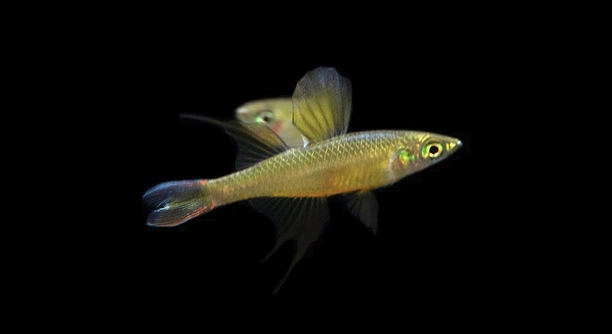
Finger movement often catches the attention of threadfins, creating a subtle interaction in their aquatic environment. These fish are sensitive to nearby motions, reacting in ways that reveal their instincts and awareness in the water.
Threadfins exhibit a range of reactions to finger movement, including swimming towards or away, changing fin positions, and displaying startle responses. These behaviors indicate sensory perception, social awareness, and adaptive strategies crucial for their survival and interaction.
Observing these reactions can deepen understanding of threadfins and how they interact with their surroundings daily.
Approaching Fingers with Caution
Threadfins often notice fingers moving near their tank or water surface. Some may swim closer out of curiosity, inspecting the motion carefully before deciding on any further action. Their behavior is cautious, influenced by both instinct and past experiences. Threadfins rely heavily on visual cues, and sudden movement can trigger a variety of responses. When they feel unsure, they might slow down their swimming, hover in place, or slightly retreat. These responses are natural and show their adaptability. Spending time observing these fish helps in understanding their patterns. Each threadfin may react differently depending on size, age, or temperament. Even gentle, slow finger movements can provoke a reaction, showing how alert they are. Over time, regular exposure to hands can reduce stress if done calmly and consistently. Awareness of their responses ensures better interaction and avoids causing unnecessary agitation. Threadfins remain highly perceptive, making even subtle movements noticeable to them.
Regular observation improves understanding of how threadfins interpret movement and proximity.
Consistency in interactions allows threadfins to become more comfortable with human presence, reducing stress and supporting natural behaviors in their habitat.
Quick Retreats and Sudden Turns
Some threadfins respond to fingers by quickly swimming away.
These rapid movements are instinctive, triggered by sudden or unexpected finger gestures. Fish have evolved to detect potential threats, and even small motions can prompt evasive action. Sudden turns and fast retreats help threadfins avoid perceived danger in their environment. Not all threadfins react in the same way; personality and prior exposure to humans play a role. Over time, these fish may learn that slow, predictable finger movements are harmless, reducing the intensity of their reactions. Observing these behaviors gives insight into their alertness and decision-making processes. Recognizing patterns of retreat versus curiosity can guide how hands are introduced near the tank. It is also important to note that excessive movement or tapping on the glass can increase stress. Being patient and calm promotes trust and minimizes sudden startle responses, allowing for more natural observation of these interesting reactions.
Fin Flaring Responses
Threadfins often flare their fins when fingers move nearby. This display can signal alertness or mild agitation, showing their sensitivity to motion in their environment.
Fin flaring is a common visual response among threadfins. When they detect nearby movement, their fins may spread wider than usual, making them appear larger and more noticeable. This behavior helps them communicate with other fish or establish a sense of space. Even slow or gentle finger motions can trigger fin flaring. Observing this can help in understanding their comfort levels. Over time, consistent calm exposure to fingers may reduce the frequency of this behavior, showing adaptation to controlled stimuli. Fin flaring also indicates a healthy sensory system, as the fish respond promptly to visual cues.
While it may look aggressive, fin flaring is often more about awareness than true threat. Paying attention to these signals ensures calmer interactions with the fish.
Following Finger Movements
Threadfins may follow moving fingers with their eyes and bodies, showing interest and alertness. This response highlights their visual acuity and attentiveness.
When a finger moves across the tank, threadfins often adjust their position to maintain visual contact. They may swim slowly alongside the motion, turning their bodies to track the finger. This behavior reflects curiosity rather than aggression, as the fish assess changes in their environment. Following finger movements can also serve as a mild form of stimulation, keeping the fish engaged and mentally alert. The intensity of this following behavior varies among individuals, influenced by personality, age, and previous exposure to human interaction. Threadfins may also combine this tracking with other subtle cues, such as fin flicks or body tilts, further displaying their awareness. Observing these patterns can help in learning how different fish respond uniquely to similar stimuli. Careful, gentle movements are key to encouraging this behavior without causing stress.
Over time, following movements can strengthen trust between the fish and the observer, enhancing interaction while keeping the environment safe and stress-free.
Startle Reactions
Threadfins sometimes make sudden movements when fingers appear unexpectedly. This reaction is quick and instinctive, showing their natural alertness and caution in response to nearby motion.
Even small, sudden finger movements can trigger a startle reaction. Fish may dart quickly or change direction, demonstrating heightened awareness. These responses are normal and indicate a healthy sensory system, as they respond efficiently to perceived threats.
Gentle Approaches
Slow, careful finger movements often result in calm observation. Threadfins may swim closer, showing measured interest without panic or stress.
Threadfins tend to respond positively to consistent, gentle approaches. When fingers move gradually near the water, fish can inspect and follow the motion without alarm. Repeated exposure to calm movements allows threadfins to adapt, reducing sudden startles and promoting natural interactions. Over time, this behavior strengthens their comfort around human presence, reflecting trust and adaptability. Observing these interactions can help predict how individual fish react, as each has unique thresholds for motion sensitivity. Careful pacing ensures safety and encourages curiosity.
Subtle Nudges
Threadfins may lightly nudge fingers, exploring their presence with soft, deliberate contact. This shows cautious curiosity.
How do threadfins react to finger movements in general?
Threadfins respond to finger movements in a variety of ways depending on the speed, direction, and proximity of the motion. They may swim closer out of curiosity, flare their fins, or even retreat quickly. These reactions are rooted in their natural instincts, helping them detect potential threats or changes in their environment. Slow, consistent movements tend to produce more calm and investigative behavior, while sudden or erratic motions trigger startle responses. Observing these responses closely can help identify individual fish personalities, as some are naturally more cautious, while others are curious and more interactive. Understanding these behaviors allows for safer interaction and helps in maintaining a stress-free environment for the fish. Over time, threadfins can learn to associate gentle hand movements with non-threatening interactions, reducing anxiety.
Why do some threadfins follow finger movements while others avoid them?
Following or avoiding finger movements is often linked to personality, previous experiences, and comfort level. Fish that follow movements are generally more confident or accustomed to human presence, using their visual awareness to investigate gently. Those that avoid movements may have higher caution levels or less exposure to hands, relying on instinct to stay safe. Following behavior is a sign of curiosity, showing the fish is alert but comfortable enough to track motion without immediate fear. Avoidance is protective, preventing potential stress or harm. Environmental factors like tank size, water clarity, and the presence of other fish also influence reactions. By observing these tendencies, it is possible to predict and adapt interactions for each individual, ensuring the experience is positive for both the observer and the threadfin.
Do threadfins ever interact physically with fingers?
Yes, threadfins may sometimes nudge or lightly touch fingers, exploring the presence without aggression. These subtle contacts are gentle, usually involving the mouth or fins brushing against a finger. The interaction is often a form of investigation rather than play, as fish rely on sensory input to gather information about unfamiliar objects. Consistent gentle exposure can encourage these interactions, making the fish more comfortable with hands near the tank. However, sudden or forceful contact can startle them, so it’s important to maintain slow and calm movements. Physical contact should always be observed carefully to prevent stress or accidental harm. Over time, threadfins may recognize a familiar hand and respond with softer, more deliberate touches.
What does fin flaring mean when fingers are near?
Fin flaring usually signals alertness or mild agitation. It is a visual response that can make a fish appear larger and more noticeable, serving as a communication tool with other fish or as a defensive signal. Flaring can be triggered by slow or fast movements, depending on how the fish interprets the motion. It is not necessarily aggressive; often, it is simply a way to express awareness or establish personal space. Repeated exposure to gentle, predictable finger movements can reduce the frequency of fin flaring over time, showing adaptation and comfort. Observing the patterns of fin flaring helps understand the sensitivity of individual threadfins, allowing for careful and considerate interaction without causing undue stress.
Are startle responses normal in threadfins?
Yes, startle responses are a natural and healthy behavior. Threadfins may dart quickly or change direction when fingers move suddenly near them. This instinctive reaction helps them evade perceived threats in the wild. Startle responses are more common in fish that are less familiar with human presence or when movements are abrupt. Even in well-established tanks, occasional startle reactions can occur if motion is unexpected. Observing these responses indicates a functioning sensory system and alertness. To minimize stress, movements should be slow, predictable, and calm. Consistent, gentle exposure allows threadfins to gradually adapt, reducing the frequency of startle behaviors and fostering a safer, more comfortable environment.
How can I encourage positive interactions with my threadfins?
Positive interactions require patience, consistency, and gentle movements. Start by placing a hand near the tank without moving it abruptly. Gradually introduce slow finger movements, observing how the fish respond. Reward calm behavior with consistent exposure and avoid forcing interactions. Over time, threadfins learn that slow, predictable motions are safe. Avoid tapping or sudden gestures, as these can increase stress. It is also important to maintain a comfortable tank environment, with proper water conditions and sufficient space. Each fish may respond differently, so adapting to individual personalities ensures a more successful and stress-free interaction. Regular observation helps refine techniques, strengthening trust between the fish and their observer.
Can finger movements cause stress in threadfins?
Yes, abrupt, fast, or frequent finger movements can cause stress. Threadfins are highly perceptive and sensitive to motion, reacting instinctively to protect themselves. Signs of stress include rapid swimming, hiding, frequent fin flaring, and sudden retreats. Prolonged stress can impact feeding behavior and overall health, so careful attention to fish reactions is essential. To minimize stress, movements should be slow, consistent, and calm. Observing the fish’s body language and adjusting interactions accordingly helps prevent unnecessary anxiety. Creating a predictable and gentle routine allows threadfins to feel secure, encouraging curiosity rather than fear. Over time, careful management of finger interactions can promote comfort and natural behavior.
Why do reactions vary between different threadfins?
Reactions vary due to personality, past experiences, and individual temperament. Some threadfins are naturally curious, approaching and tracking movement with interest. Others are cautious, preferring distance and quick retreats. Age, size, and environmental conditions also affect behavior. Fish that have been regularly exposed to calm human interaction are more likely to exhibit controlled and curious responses. In contrast, those with limited exposure or previous negative experiences may react defensively. Observing and adapting to each fish’s tendencies ensures interactions are safe and positive. Individual differences are normal and should be considered when introducing fingers or hands near the tank, promoting well-being and natural behavior patterns.
How long does it take for threadfins to adapt to finger movements?
Adaptation time varies based on the fish’s personality, previous experiences, and the consistency of exposure. Some may show signs of comfort within days, following fingers or remaining calm around slow movements. Others may take weeks or months to fully acclimate. Gradual, predictable interaction is key. Consistency in approach, combined with a calm presence, encourages fish to recognize movements as non-threatening. Avoid sudden gestures, tapping, or forcing proximity, as these can slow adaptation. Observing subtle signs, such as reduced startle responses, fin flaring, or closer tracking, helps gauge progress. Patience and gentle interaction support long-term trust and a more interactive environment for threadfins.
Threadfins are highly perceptive and reactive to finger movements, which makes observing them a fascinating experience. Their responses vary from subtle fin flares and gentle nudges to rapid retreats and careful following of motion. These behaviors are not random; they reflect instincts, sensory perception, and comfort levels within their environment. Understanding these reactions helps in interacting with them without causing stress. By paying attention to how they respond to different movements, it becomes easier to predict their behavior and adjust actions accordingly. Over time, observing these patterns can create a routine where the fish feel secure and the observer can enjoy a closer connection without disruption. Each threadfin is unique, and noticing these small differences enhances awareness of individual personalities and tendencies, which is valuable for maintaining a healthy and balanced tank environment.
Gentle and consistent finger movements are key to building familiarity with threadfins. Sudden or fast gestures often provoke startle reactions, while calm, slow movements encourage curiosity and engagement. Threadfins may approach fingers cautiously, following them with their eyes or bodies, or explore by nudging lightly. These interactions are forms of communication and assessment rather than aggression, showing that the fish are aware and responding to changes in their surroundings. Over time, repeated exposure to safe and predictable hand movements allows the fish to adapt, reducing stress responses such as rapid swimming, hiding, or excessive fin flaring. It is important to respect their boundaries and observe their comfort level carefully. Providing a safe environment and predictable interactions ensures that threadfins remain confident and calm while responding naturally to external stimuli. Patience is essential, as each fish adapts at its own pace, and forcing interactions can lead to prolonged stress or avoidance behavior.
Observing threadfins’ reactions to finger movements offers insight into their behavior, alertness, and adaptability. From fin flaring to subtle nudges, each response communicates information about their perception of the environment. Understanding these signals allows for more effective and considerate interactions, supporting both the well-being of the fish and the enjoyment of observation. Over time, gentle and consistent exposure can foster a sense of familiarity, helping threadfins become more comfortable with human presence while still expressing their natural instincts. This process strengthens awareness of their unique personalities, ensuring interactions are safe, predictable, and stress-free. By paying attention to these behaviors and adjusting accordingly, it is possible to create an environment where threadfins thrive and remain responsive, curious, and healthy. Observing these reactions not only supports their care but also deepens the appreciation of their intelligence, sensitivity, and adaptability in their aquatic habitat.
Word count: 408

Hello,
If you enjoy the content that we create, please consider saying a "Thank You!" by leaving a tip.
Every little bit helps us continue crafting quality advice that supports the health, happiness, and well-being of pets around the world, for pets of all shapes, sizes, and species.
We really appreciate the kindness and support that you show us!