
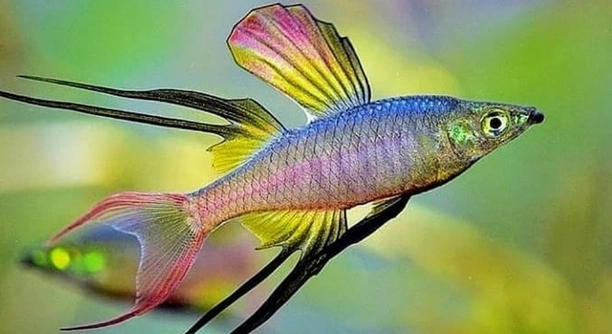
Threadfins are fascinating fish known for their sensitivity to environmental changes. Their behaviors can shift noticeably when the water chemistry alters, affecting feeding, movement, and social interactions in subtle but important ways.
When water chemistry shifts, threadfins adjust their activity levels and feeding patterns to maintain physiological balance. Changes in pH, salinity, or oxygen levels trigger adaptive responses, including altered swimming behavior, migration within the water column, and modified schooling dynamics.
Observing these behaviors can reveal much about their well-being and environmental conditions. Understanding their responses helps maintain healthier aquatic habitats for threadfins.
Detecting Water Chemistry Changes
Threadfins are quick to respond when water chemistry shifts, often before humans notice. Subtle changes in pH, oxygen, or salinity can alter their swimming patterns, causing them to move closer to the surface or congregate in specific areas. Some may become less active or feed less frequently. These behaviors are natural responses to stress and help them conserve energy while adjusting to their environment. Monitoring these signs can provide early warnings about potential issues, such as low oxygen levels or chemical imbalances. Even minor changes can impact growth, immunity, and overall health. Aquarists and marine biologists often track behavior alongside water tests to ensure threadfins remain healthy. Simple observations, like noticing slower movements or unusual schooling patterns, can be just as informative as lab results. Regular observation is key to maintaining a stable aquatic habitat, as these fish are sensitive indicators of their environment. Understanding these shifts allows for timely intervention and prevents long-term damage to the fish population.
Early detection of water chemistry changes allows for quicker intervention, reducing stress on threadfins and protecting their overall health and development.
Maintaining stable water chemistry requires consistent testing and observation. pH should remain within recommended ranges, and oxygen levels must be monitored closely. Adjusting salinity gradually helps prevent shock, and regular water changes support overall stability. Even small modifications, like removing decaying organic matter, can significantly improve conditions. Observing threadfin behavior during these adjustments helps confirm their adaptation. Noticing how they move, feed, and interact provides real-time feedback about their comfort and health. By combining careful monitoring with thoughtful management, it is possible to create a supportive environment where threadfins thrive. Ensuring the water is balanced not only promotes healthy behavior but also strengthens resilience against future changes. Patience and consistency are essential, as sudden shifts can trigger stress responses and reduce immunity.
Behavioral Adaptations to Chemical Shifts
Threadfins react instinctively to maintain balance, often changing movement patterns and social interactions immediately.
These fish display remarkable adaptability when faced with changing water chemistry. Reduced oxygen may cause them to swim closer to the surface, while shifts in pH or salinity can lead to tighter schooling or slower movements. Feeding behavior often adjusts, with some fish eating less or seeking specific zones in the tank. Observing these patterns helps determine the severity and type of chemical change. Long-term exposure to imbalanced water can affect growth and reproductive behavior, so understanding their responses is crucial. Monitoring behavior alongside chemical measurements provides a complete picture of water quality. Implementing gradual changes and consistent care ensures threadfins can maintain normal routines, reducing stress. Small interventions, like aeration or water replacement, can have immediate positive effects. Over time, these strategies promote stronger, more resilient fish that thrive despite environmental fluctuations. By paying close attention, it is possible to anticipate problems and maintain a healthy, stable aquatic ecosystem for threadfins.
Signs of Stress in Threadfins
Threadfins exhibit stress through erratic swimming, reduced feeding, or hiding more than usual. Color changes and sluggish movement can also indicate that water chemistry is off balance, signaling a need for immediate attention to maintain their health.
Stress in threadfins can develop quickly when water conditions shift. Low oxygen levels or sudden changes in pH make them less active, often causing them to crowd near aeration points or tank edges. Some may refuse food, while others show rapid gill movement as they try to cope. Recognizing these subtle behaviors early helps prevent long-term health issues. Consistent observation, along with regular water testing, allows adjustments before stress severely impacts the fish.
Behavioral stress indicators provide valuable clues about water quality. Changes in schooling patterns, increased aggression, or sudden lethargy often precede illness. Tracking these behaviors alongside chemical testing ensures timely intervention. Maintaining stable temperature, oxygen, and pH levels can reduce stress. Even minor improvements, like adding aeration or removing debris, significantly enhance comfort. Observing these patterns daily builds a reliable understanding of normal behavior, helping to detect problems early. Threadfins are responsive creatures, and their actions directly reflect their environment, making them effective indicators of water quality.
Adjusting the Environment for Stability
Gradual adjustments to water chemistry are essential to reduce stress. Sudden changes can worsen conditions, while controlled interventions promote recovery and stability.
Maintaining consistent water parameters is key to supporting threadfins’ health. Adjustments should be small and incremental, such as slowly raising oxygen levels or carefully modifying pH. Sudden chemical shifts can shock the fish, increasing stress and susceptibility to disease. Regular water changes, aeration, and monitoring allow for a stable environment where threadfins can continue normal behavior. Observing fish reactions during adjustments provides feedback about whether interventions are effective, guiding further actions and ensuring the water remains balanced.
Threadfins respond best to environments where parameters are kept steady. Monitoring salinity, temperature, and chemical levels prevents sudden fluctuations. If issues arise, gradual corrections minimize risk while helping fish adapt naturally. Removing waste, managing feeding, and ensuring proper circulation improve overall stability. Behavioral observation informs adjustments and confirms positive results, reducing stress. Patience and careful monitoring allow threadfins to thrive, supporting both growth and long-term resilience in their habitat.
Feeding Adjustments
Threadfins often change their feeding habits when water chemistry shifts. Some may eat less, while others search for food in different areas of the tank, reflecting their efforts to adapt to the altered environment.
Providing smaller, more frequent meals can help them maintain nutrition. Adjusting feeding times and monitoring consumption ensures they get enough without overfeeding, which can further affect water quality.
Water Testing Practices
Regular testing of pH, salinity, and oxygen levels is essential. Using reliable test kits ensures accurate readings, helping detect shifts early. Consistent monitoring allows timely interventions, preventing stress and health problems in threadfins caused by chemical imbalances.
Aeration and Circulation
Increasing aeration and improving water circulation helps maintain oxygen levels. Proper flow reduces stagnation, supports healthy behavior, and prevents chemical pockets from forming, ensuring threadfins remain comfortable and active.
Continue the article with the following outline. Bold the questions. Do not write an intro for each header, get straight to the point. Do not use a greeting. Make it feel slightly personal. Write in a simplistic style.; Outline: ; FAQ (write at least 500 words); Note: Skip the intro, get straight to the point. The rest of the headers will be provided later, so do not write them yet. Skip the conclusion, and recap. Respect the given word count for every paragraph.
Final Thoughts
Threadfins are highly sensitive to their environment, and even small changes in water chemistry can influence their behavior and health. Observing their movements, feeding habits, and social interactions provides clear insights into how they are coping with their surroundings. Fish that appear lethargic, eat less, or change their schooling patterns are often signaling that water conditions need attention. By paying close attention to these subtle cues, it is possible to intervene early and prevent stress from becoming a more serious problem. Consistent observation is as important as regular water testing, because threadfins often give visible signs of discomfort before chemical readings show significant changes. Understanding these behavioral indicators can help create a stable, healthy environment for the fish.
Maintaining balanced water chemistry requires patience, care, and consistent effort. Gradual adjustments to pH, oxygen, and salinity are essential when addressing imbalances. Sudden changes can increase stress and reduce resilience, so careful monitoring and slow interventions are key. Implementing routine water changes, using aeration, and managing waste effectively all contribute to a stable environment. Feeding practices should also adapt to changing conditions, with smaller, more frequent meals helping fish maintain nutrition without compromising water quality. Keeping a close eye on both behavior and chemical levels ensures that any needed corrections are timely and effective. Over time, these practices help threadfins recover quickly from minor fluctuations and thrive even in slightly changing conditions.
The overall health and well-being of threadfins depend on consistent care and attention to detail. Their responses to water chemistry are clear indicators of how well their environment is managed. By observing behavioral changes, testing water regularly, and implementing gradual improvements, it is possible to reduce stress and support growth, immunity, and long-term vitality. Maintaining stable conditions not only helps prevent illness but also allows threadfins to express natural behaviors fully, including schooling, feeding, and swimming freely. With dedication and careful observation, these fish can thrive in captivity while remaining resilient to minor environmental changes. Ultimately, understanding and responding to their needs fosters a healthier habitat and a more rewarding experience in caring for threadfins.

Hello,
If you enjoy the content that we create, please consider saying a "Thank You!" by leaving a tip.
Every little bit helps us continue crafting quality advice that supports the health, happiness, and well-being of pets around the world, for pets of all shapes, sizes, and species.
We really appreciate the kindness and support that you show us!