
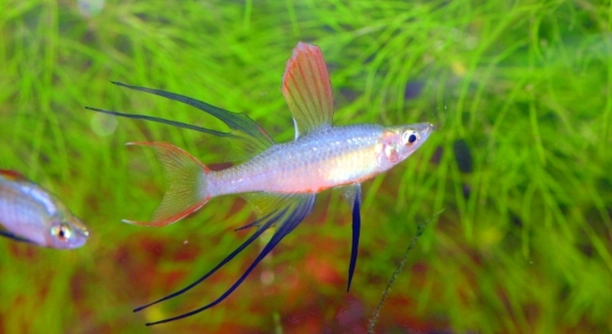
Have you ever noticed your threadfin moving in a repeated pattern around the tank and wondered if it recognizes those movements over time?
Threadfins can indeed recognize repetitive tank movement through learned behavior and environmental familiarity. Repetition allows them to associate specific actions or patterns with feeding, safety, or interaction cues, enhancing their response accuracy and adaptability within their controlled aquatic environment.
Understanding these behavioral patterns reveals how consistency shapes their learning and overall well-being in captivity.
Recognizing Patterns in Tank Movement
Threadfins are highly observant fish that adapt quickly to their surroundings. When exposed to repetitive movement, such as a hand near the glass or consistent feeding motions, they begin to associate these actions with outcomes. Over time, this repetition helps them form predictable responses. For instance, they may swim to the surface or approach a certain corner when they recognize a pattern that usually precedes feeding. This type of learned behavior showcases their cognitive ability to connect movement with reward or attention. It also highlights their sensitivity to environmental changes, even minor ones. In captivity, this adaptation plays a vital role in maintaining their mental stimulation and reducing stress caused by unfamiliar stimuli or inconsistent care routines.
Their recognition abilities also depend on the frequency and consistency of repeated actions. The more uniform the motion, the quicker threadfins are likely to respond with a learned reaction.
Providing consistent movement patterns and feeding routines helps threadfins develop trust and familiarity in their tank. It encourages them to engage more confidently with their surroundings and enhances their overall comfort within the space.
The Importance of Consistency in Tank Behavior
Consistency shapes how threadfins interpret movement and respond to their environment. Frequent changes or erratic patterns can cause confusion, leading to hesitation or avoidance behaviors. Establishing a steady routine provides security and reinforces positive associations.
A consistent environment ensures threadfins can anticipate feeding times, lighting changes, and gentle interaction. These predictable cues contribute to their sense of stability, which is vital for maintaining health and activity. When tank conditions fluctuate unpredictably, threadfins may display stress behaviors such as erratic swimming or hiding. By maintaining a balanced schedule and avoiding unnecessary disturbances, caretakers can help these fish recognize familiar patterns with ease. This not only improves their reaction time but also enhances social interaction among tankmates. Threadfins thrive when their surroundings remain reliable, proving that small, steady routines can make a noticeable difference in their long-term well-being.
Behavioral Adaptation and Response
Threadfins rely on observation to adjust their actions within the tank. When they repeatedly see the same movement, they connect it to a specific outcome, which gradually influences how they behave around feeding time or human presence.
This adaptive behavior shows their ability to learn through repetition and observation. For instance, when a hand approaches the tank before feeding, threadfins may begin to associate that action with food. Over time, they respond faster, anticipating what comes next. This process builds recognition and strengthens their memory patterns, which help reduce stress and increase interaction. Observing these subtle reactions can reveal how well they are adjusting to their environment, giving caretakers insight into their mental engagement.
Creating consistent visual and physical cues helps threadfins adapt more easily. When routine movements are steady, their confidence improves, and they begin to exhibit calm, predictable behavior, making care routines smoother and less stressful overall.
Environmental Influence on Recognition
Lighting, sound, and tank placement all influence how threadfins recognize repetitive movement. A quiet, stable environment allows them to focus better on familiar actions and respond predictably without confusion or distraction. Consistency in these external elements supports their learning and comfort.
Threadfins in tanks with irregular lighting or excessive noise can struggle to maintain recognition patterns. Their responses may become delayed or inconsistent, indicating overstimulation or discomfort. Maintaining balanced surroundings, such as stable water flow, routine lighting cycles, and limited external interference, helps them associate movement with intention more clearly. When these fish feel secure, they are more receptive to repeated cues. Over time, this strengthens their behavioral consistency and reduces reactionary stress. Providing calm surroundings ensures they interpret visual signals effectively, reinforcing familiarity and improving the overall stability of their daily activities.
Memory Retention in Threadfins
Threadfins use short-term memory to recognize repeated movement and associate it with certain actions. Regular exposure helps reinforce recognition, while irregular patterns can cause confusion. Their ability to recall movement depends on consistency and the absence of environmental stress.
Over time, repetition strengthens their learned responses. When caretakers repeat actions at similar times each day, threadfins begin anticipating outcomes. This shows a clear link between visual memory and environmental stability. Maintaining predictable routines allows their recognition to remain strong and prevents behavioral hesitation or withdrawal.
Emotional and Behavioral Reactions
Threadfins show mild emotional responses when faced with familiar patterns. They may display calm swimming and steady interaction during repetitive actions, while unpredictable movements can trigger alert or avoidance behaviors. Recognizing these emotional shifts helps identify comfort levels and detect early signs of stress.
Reinforcing Positive Associations
Encouraging threadfins to respond confidently to repetitive movements requires patience and stability. Consistent routines, calm surroundings, and gentle motion promote trust and recognition. Over time, these small, steady actions foster stronger engagement and help maintain their emotional and behavioral balance within the tank.
FAQ
Do threadfins actually remember repetitive movement in their tank?
Yes, threadfins have a strong ability to remember patterns when movement occurs consistently. They rely on repetition to form connections between actions and outcomes, such as associating a hand motion with feeding or interaction. Their memory retention allows them to predict what will happen next, creating a sense of familiarity and security within their environment. This learned behavior develops gradually and can become quite precise when their surroundings remain calm and routine. Over time, they begin responding automatically to repeated visual cues without hesitation, showing that memory plays a large role in their behavioral adaptation.
How long does it take for threadfins to recognize a routine?
It varies based on frequency and consistency. Typically, threadfins begin recognizing a routine after several days of repeated exposure to the same movements or actions. When the environment is stable and free of unnecessary disturbances, their recognition forms faster. The more consistently they experience an action—like feeding gestures or cleaning patterns—the quicker they respond. However, if the environment changes too often, it can interrupt their learning process, making them hesitant or confused. Maintaining a steady schedule helps reinforce these associations, allowing them to form lasting behavioral habits that support their comfort and confidence.
Can stress affect how threadfins respond to repetitive movement?
Yes, stress can significantly impact how threadfins interpret and react to repetitive patterns. If the tank environment is noisy, overcrowded, or experiences sudden movements, their focus and memory retention can weaken. Threadfins are sensitive to disruptions and may react by hiding or avoiding specific areas. These reactions can interfere with their ability to recognize familiar patterns. Keeping the tank calm, maintaining proper water conditions, and handling movements gently can minimize stress. A peaceful setting helps them stay responsive, ensuring that repetition leads to recognition rather than avoidance or fear.
Why do threadfins sometimes ignore familiar movement?
Ignoring familiar movement usually occurs when they are overstimulated or distracted by other environmental factors. For example, strong lighting changes, water flow fluctuations, or new tank decorations can divert their attention. Additionally, repetitive motion without consistent reward—like feeding—may cause them to lose interest. Threadfins are intelligent enough to distinguish between actions that benefit them and those that don’t. Reinforcing familiar movement with positive outcomes helps maintain their interest and engagement. When consistent actions are paired with predictable results, they are more likely to respond attentively each time.
What can caretakers do to help threadfins recognize movement faster?
Caretakers can promote quicker recognition by using repetition with clear purpose. Repeating actions such as feeding gestures or light tapping on the tank before feeding establishes a visual link. Over time, these cues signal expected outcomes. Keeping lighting, temperature, and noise levels stable enhances focus, while avoiding erratic gestures prevents confusion. Threadfins thrive in predictable environments, so routine and patience are essential. Consistent visual and behavioral cues become part of their daily rhythm, helping them respond more efficiently and confidently.
Do threadfins respond differently to human movement compared to other fish?
Threadfins are generally more sensitive to human interaction than many other species. Their slender build and schooling nature make them alert to external movement. They often respond to gentle, consistent actions near the glass and may retreat if movements are too abrupt. Over time, they can become accustomed to their caretaker’s presence, associating it with feeding or safety. This adaptability highlights their awareness and shows how social conditioning plays a role in their behavioral patterns. Patience and repetition allow threadfins to recognize individuals and react calmly to familiar gestures.
Can inconsistent care affect threadfins’ ability to learn movement patterns?
Yes, inconsistency can disrupt their learning process. When routines like feeding or cleaning occur at irregular times or with unpredictable actions, threadfins struggle to form associations. This can lead to confusion and stress, reducing responsiveness. Regularity in tank maintenance, feeding schedules, and light exposure helps reinforce memory. Threadfins rely on repetition to build trust, so maintaining structure is crucial for stable recognition. Once they recognize predictable cues, their comfort increases, and their behavior becomes more confident and interactive, creating a smoother dynamic between caretaker and fish.
Are repetitive movements beneficial for their mental health?
Repetitive movement, when introduced calmly, can support mental stimulation and reduce anxiety. Predictable actions help threadfins feel secure and engaged with their environment. Without such routines, they may become restless or display avoidance behaviors. Controlled repetition keeps them attentive and encourages interaction. This steady pattern mimics natural predictability found in the wild, where consistency signals safety. Providing visual cues, such as slow hand motions or stable feeding gestures, maintains their awareness without overwhelming them. In the long term, repetitive actions strengthen both recognition and emotional stability, helping them thrive in captivity.
Final Thoughts
Threadfins are remarkable fish that show how even small aquatic creatures can develop learned behavior through simple repetition. When exposed to consistent patterns—whether feeding gestures, water flow, or human interaction—they begin to recognize and respond with familiarity. This ability reflects their sensitivity and awareness, allowing them to adapt comfortably to their surroundings. It also highlights how routine can influence behavior and promote stability in their habitat. In a controlled environment, where external factors are limited, repetition becomes a vital part of how they learn and interpret their world. Their reactions, though subtle, reveal a level of intelligence that is often overlooked in small fish species. Through patient observation, caretakers can notice how these movements shape their daily habits and emotional responses.
Establishing regular routines not only benefits recognition but also strengthens the bond between threadfins and their caretakers. When movements or cues remain predictable, these fish begin to associate them with safety and reward. This recognition fosters calmness and reduces hesitation, allowing them to swim more confidently and interact naturally. In contrast, inconsistent handling or irregular tank changes can disrupt their sense of familiarity, leading to stress or avoidance. Small details—such as maintaining the same feeding time, minimizing sudden gestures, and keeping lighting steady—make a noticeable difference in their behavior. Consistency becomes the foundation for communication, even across species. Watching a threadfin respond to repeated motion is not just a sign of recognition but an example of trust built over time. It reminds us that repetition is more than routine; it is a way of establishing comfort and connection in their delicate environment.
Caring for threadfins means understanding how their recognition of movement ties directly to their well-being. Their ability to adapt depends on calm surroundings, stable conditions, and a predictable rhythm. Every movement, light shift, or sound in their tank contributes to their interpretation of safety. Providing this consistency creates a peaceful habitat that supports both their physical health and emotional balance. Over time, threadfins begin to mirror the steadiness of their environment, showing relaxed swimming patterns and increased interaction. This gentle balance between repetition and care demonstrates that attention to small, consistent details can shape how these fish experience their world. Recognizing their ability to learn reminds us that even the quietest creatures thrive when given structure, patience, and a calm space to adapt.

Hello,
If you enjoy the content that we create, please consider saying a "Thank You!" by leaving a tip.
Every little bit helps us continue crafting quality advice that supports the health, happiness, and well-being of pets around the world, for pets of all shapes, sizes, and species.
We really appreciate the kindness and support that you show us!