
Do you ever find yourself watching your threadfin rainbowfish swim gracefully and wonder what they might be doing as they explore their surroundings? Their delicate movements often leave owners fascinated and curious about their behavior in the aquarium.
When threadfin rainbowfish are exploring, they typically move in gentle patterns while examining plants, decorations, and open spaces. This behavior reflects their natural curiosity, helping them adjust to their environment, locate food sources, and establish comfort within the aquarium setting.
Observing these tiny behaviors not only brings enjoyment but also reveals important insights into their well-being and natural instincts in a home aquarium.
How Threadfin Rainbowfish Explore Their Environment
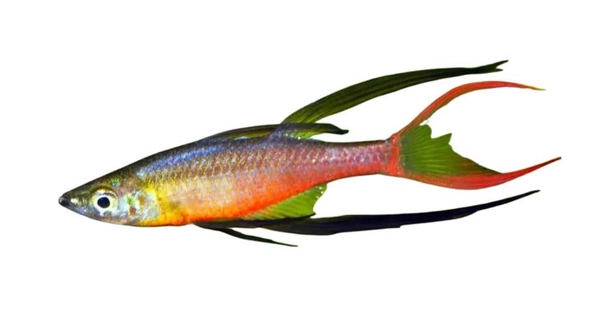
Threadfin rainbowfish are naturally curious and enjoy exploring every part of their tank. When swimming, they glide gently through plants, drift around rocks, and examine open spaces with steady movements. Their thin, thread-like fins trail gracefully, making each movement appear delicate. This exploration allows them to feel secure and helps them learn where food and hiding spots are located. They often travel in small groups, creating a calm but engaging display. Observing them closely shows how they adapt to changes in their surroundings, like new plants or tank decorations, as they carefully check each detail with great attention.
Their exploration is not random but purposeful, often linked to finding food or ensuring the environment feels safe and familiar.
This behavior also reflects their need for stimulation. Threadfin rainbowfish thrive when their tank includes plants, driftwood, or safe hiding spaces. Each addition creates more opportunities for them to engage in natural exploring.
Signs of Healthy Exploration
Healthy exploration in threadfin rainbowfish is easy to notice. Their swimming remains smooth, their colors stay bright, and they actively move around the tank with interest, rather than hiding or appearing sluggish.
When rainbowfish lose interest in exploring, it can signal stress, illness, or poor tank conditions. Dull coloring, clamped fins, or staying in one spot are warning signs that should not be ignored. To encourage active and healthy behavior, their tank should remain stable with consistent water conditions and regular care. Introducing live plants or gentle currents also enhances stimulation, supporting their natural instincts. A varied diet further promotes activity and helps them feel secure. By ensuring their surroundings are balanced and engaging, you support both their physical health and their active exploring. Healthy exploration not only keeps them content but also adds beauty and liveliness to your aquarium, making their presence more enjoyable to watch each day.
What Encourages Their Exploring Behavior
Threadfin rainbowfish explore more when their tank is stimulating. Adding plants, driftwood, or gentle water movement encourages them to swim actively and interact naturally with their surroundings. A balanced setup helps them feel secure and keeps them engaged daily.
Creating an environment that promotes exploration starts with variety. Live plants provide hiding spots, while open areas allow free swimming. Decorations, like caves or driftwood, give them places to investigate and move around. Gentle currents created by a filter can also spark activity, making them curious to swim through flowing water. Balanced lighting further highlights their natural behavior.
Feeding routines can also influence exploration. When food is scattered lightly across the tank, threadfin rainbowfish actively search and explore different spaces while eating. This mimics their natural feeding habits in the wild, where they pick at small food sources across plants and open water. Variation in diet supports this behavior.
Differences Between Exploration and Stress
Exploration looks calm, fluid, and purposeful. Stress, on the other hand, often appears through erratic swimming, clamped fins, or hiding for long periods. Knowing the difference helps ensure their environment is promoting comfort instead of anxiety.
Stress behaviors can develop from poor water conditions, overcrowding, or sudden changes in the tank. Rainbowfish may lose their bright coloring, swim nervously, or avoid areas they normally explore. Addressing these signs quickly is important to maintain their health. Checking water parameters regularly, keeping the tank uncrowded, and introducing new elements gradually reduces stress. When their surroundings are balanced, they return to exploring naturally. Proper care ensures their exploring remains a sign of well-being, not discomfort, making it easier to recognize what supports their health and happiness in the aquarium.
How Tankmates Affect Exploration
Compatible tankmates encourage threadfin rainbowfish to explore freely without fear. Peaceful species that share similar water needs create a calm environment, letting them swim confidently and display their natural movements without interruption or stress.
Aggressive or fast-moving fish can limit exploration by causing threadfins to hide or stay near safe spots. Choosing gentle companions ensures they remain active and curious.
The Role of Feeding in Exploration
Feeding styles greatly influence exploring behavior. When food is spread across the tank, threadfin rainbowfish search actively in every area, gliding between plants and decorations. This scattered approach encourages them to swim longer distances, keeping them stimulated. Using a varied diet with small, frequent portions helps maintain energy and enhances activity. Frozen or live foods add more interest compared to flakes alone, drawing out their natural instincts. Consistency in feeding times also creates a sense of security, making them more comfortable to explore freely without hesitation. Balanced feeding practices are essential for supporting both their health and curiosity.
Observing Subtle Behaviors
Subtle exploring behaviors include pausing near plants, lightly pecking at surfaces, and swimming in slow, deliberate motions. These quiet actions reveal their attentiveness and allow you to better understand how they interact with their surroundings in meaningful ways.
FAQ
Do threadfin rainbowfish explore more in groups or alone?
Threadfin rainbowfish are schooling fish, so they feel most comfortable in groups of six or more. When kept alone or in very small numbers, they may become timid, hide more often, and reduce their exploring behavior. In groups, they gain confidence, swim together, and explore their environment with greater ease. Their natural instincts thrive when they have companions, which is why providing a proper school is essential for encouraging healthy exploration.
How can I tell if my rainbowfish are exploring normally?
Normal exploration is gentle, fluid, and purposeful. They swim gracefully through plants, investigate new decorations, and search for food. Bright colors, relaxed fins, and steady swimming patterns are all signs of healthy behavior. If your fish are hiding constantly, darting nervously, or showing faded coloring, their exploration may be reduced due to stress or illness. Observing these differences closely allows you to distinguish between normal curiosity and potential problems that need attention in the tank.
Do changes in the tank affect their exploring behavior?
Yes, changes in their environment can temporarily alter how threadfin rainbowfish explore. Adding new plants, rocks, or decorations often sparks curiosity as they investigate each new element. However, sudden or drastic changes, such as rearranging the entire setup at once, can lead to stress. They may hide or act cautiously until they feel safe again. Introducing changes gradually helps them adjust comfortably and continue exploring in a natural way without becoming overwhelmed.
What role does lighting play in their exploration?
Lighting affects how threadfin rainbowfish move and behave. Soft, consistent lighting encourages them to remain active throughout the day, exploring calmly and displaying their vibrant colors. Bright or overly harsh lights can make them feel exposed, leading to less activity or hiding. On the other hand, keeping the tank too dark may discourage movement altogether. Using balanced lighting with a clear day-night cycle supports their natural rhythm, helping them stay engaged and active in exploring their surroundings.
Can poor water quality stop them from exploring?
Poor water quality is one of the main reasons threadfin rainbowfish stop exploring. Ammonia spikes, high nitrites, or unstable pH can cause stress, dull their colors, and reduce movement. They may remain near the bottom or hide instead of swimming freely. Regular water testing, partial water changes, and maintaining stable parameters are vital for keeping them comfortable. When water conditions are healthy, rainbowfish regain energy and show more curiosity, swimming through plants and decorations with confidence.
Do threadfin rainbowfish explore at night?
Threadfin rainbowfish are diurnal, meaning they are active during the day and rest at night. They explore and feed primarily when the lights are on, while nighttime is spent resting near plants or calm areas of the tank. Providing a clear day-night cycle helps regulate this behavior, ensuring they remain active at the right times and rest properly. Their exploration is most noticeable during daylight hours, which is when their graceful movements and natural curiosity are easiest to observe.
How does feeding time affect exploration?
Feeding time greatly influences how they explore. When food is scattered across the tank, rainbowfish swim through every corner, searching actively. This mimics their natural feeding style in the wild, where they pick at small particles throughout the water. Offering a variety of foods, including flakes, frozen, and live options, encourages more movement. Small, frequent feedings are better than large meals, keeping them active while reducing waste. Exploration during feeding becomes a daily highlight, showing their energy and curiosity.
What should I do if my rainbowfish stop exploring?
If threadfin rainbowfish suddenly stop exploring, it is important to check water conditions first. Poor quality or unstable parameters often cause inactivity. If conditions are stable, consider stress factors like overcrowding, aggressive tankmates, or sudden changes in setup. Illness may also play a role, especially if you notice clamped fins, faded colors, or unusual swimming. Removing stressors, improving water quality, and ensuring a balanced diet usually help restore their normal behavior. If problems persist, seeking guidance from a professional may be necessary to ensure their health.
Is exploring behavior linked to their overall health?
Yes, exploring behavior reflects their overall well-being. Active, curious movements usually indicate good health, stable water, and proper care. On the other hand, reduced activity, hiding, or sluggish swimming often points to stress or illness. Monitoring how they explore is an effective way to assess their condition daily. Healthy rainbowfish maintain bright colors, open fins, and graceful swimming patterns while moving around the tank. Exploration is both a natural instinct and a visible sign of their comfort and health in the aquarium.
Do tank decorations make a difference in how much they explore?
Decorations play a major role in encouraging exploration. Threadfin rainbowfish enjoy weaving through plants, gliding around rocks, and pausing near driftwood. These structures not only provide hiding spots but also create interesting areas for them to investigate. A tank with variety keeps them stimulated and active. Without enough enrichment, they may swim less or appear bored. Adding safe and natural-looking decorations helps mimic their wild habitat, making exploration a rewarding part of their daily routine and supporting long-term well-being.
Final Thoughts
Threadfin rainbowfish are gentle, curious creatures that bring calm beauty to any aquarium. Watching them explore is not only enjoyable but also informative, as their movements often reflect their overall health and comfort. When they glide through plants, swim together in groups, or investigate new decorations, they are showing natural behaviors that highlight their active and curious nature. Their exploring is more than just movement—it is an essential part of their daily routine, helping them adjust, find food, and remain engaged with their environment. For anyone who keeps them, understanding these patterns is important because it provides a clear way to monitor their well-being.
A balanced environment is the key to encouraging healthy exploration. Tanks that include live plants, gentle currents, and open spaces give threadfin rainbowfish the variety they need to stay active. Lighting, feeding practices, and water quality also influence how often and how confidently they move around. Even small details, like introducing new plants or offering different types of food, can enhance their curiosity and create more moments of natural activity. On the other hand, stressors such as overcrowding, sudden changes, or poor conditions can reduce exploring behavior, signaling that something needs attention. Observing these shifts closely ensures you can respond quickly and keep them comfortable.
Exploration is one of the most rewarding behaviors to witness in threadfin rainbowfish. It adds movement, color, and personality to the aquarium, turning their presence into something vibrant and dynamic. By supporting their natural instincts through consistent care, you not only improve their quality of life but also create a healthier and more balanced tank. Each time they swim gracefully, pause near a plant, or investigate a new space, it reflects the success of providing them with a secure and engaging home. In many ways, their exploration is a gentle reminder of the importance of balance, patience, and attentiveness in fishkeeping. For aquarists, appreciating these behaviors deepens the connection to the care being given and enriches the experience of keeping such a delicate and fascinating species.

Hello,
If you enjoy the content that we create, please consider saying a "Thank You!" by leaving a tip.
Every little bit helps us continue crafting quality advice that supports the health, happiness, and well-being of pets around the world, for pets of all shapes, sizes, and species.
We really appreciate the kindness and support that you show us!