
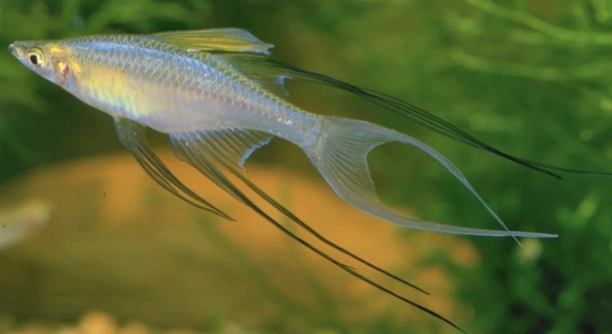
Have you ever set up a tank for threadfins, only to notice they seem unsettled when moving across the bottom surface of the aquarium?
Threadfins often show signs of discomfort when the substrate does not meet their natural preferences. This can include behavioral changes, reduced activity, or stress indicators. Identifying these signals is essential for ensuring their health and overall well-being.
Recognizing the indicators of substrate dislike will help you create a more suitable environment and keep your threadfins thriving in their habitat.
Unusual Swimming Patterns
When threadfins dislike the substrate, one of the first things you may notice is a change in their swimming behavior. Instead of gliding calmly throughout the tank, they may begin to hover higher in the water column or swim in a restless manner. Sometimes, they may even avoid the bottom altogether, preferring to stay in the middle or top areas. This shift can indicate they are uncomfortable with what they encounter below. It might be the texture, the sharpness, or even the way debris collects in the material. Observing their movement closely helps you determine if the substrate is affecting their comfort. While occasional changes in swimming may be normal, persistent patterns often signal an issue that needs attention. Threadfins are sensitive fish, so noticing their subtle behaviors can guide you in making the adjustments necessary for a healthier, more relaxed tank environment.
Threadfins show their discomfort through movement, and understanding these patterns is a key step in addressing the problem quickly.
Creating a tank environment that reflects their natural habitat is important. If the substrate is too rough, they may avoid exploring areas where they should feel comfortable. If it traps waste too easily, they may find the conditions unfavorable. Choosing a soft and fine substrate helps reduce stress and keeps their swimming behavior natural. Watching their habits after any substrate change is crucial. If they resume balanced movement, then the adjustment is likely working. On the other hand, if avoidance or restless behavior continues, further changes may be needed. Threadfins thrive when the base of their habitat supports natural behaviors, allowing them to feel secure and active. Small observations and adjustments go a long way in keeping them healthy and stress-free.
Changes in Feeding Behavior
Threadfins may also alter their feeding behavior when they dislike the substrate. They can become hesitant to search near the bottom, which results in missed food and reduced nutrition over time.
Feeding behavior provides a clear signal of how well the substrate suits your fish. If the material is uncomfortable or feels unnatural, threadfins may refuse to forage at the bottom, preferring to wait for food to remain suspended instead. This avoidance can lead to stress and underfeeding, especially if they rely on bottom foraging in your setup. A healthy threadfin should confidently pick food from every level of the tank. When this stops happening, it is important to investigate whether the base is causing the hesitation. A smooth, soft, and clean substrate often encourages natural feeding behaviors. Consistent monitoring of feeding habits ensures you notice even slight changes early, giving you time to fix the issue before it affects their health and overall condition.
Stress-Related Color Fading
Threadfins often display muted or faded colors when uncomfortable with their surroundings. Substrate that feels unsuitable can heighten stress, leading to dull appearances rather than their usual vibrant tones, signaling a need for environmental adjustments.
Color loss in threadfins should not be overlooked, as it reflects their overall stress levels. A substrate that is too rough or unnatural can cause them to feel unsafe. Over time, this discomfort affects their immune system and energy levels. Threadfins thrive in calm conditions with minimal stress, and their colors often reflect this. Maintaining suitable substrate helps ensure they display their natural vibrancy, which is a reliable sign of good health and comfort. Observing changes in their appearance allows you to take action quickly, ensuring that their needs are met without unnecessary delays. A healthy tank setup always supports natural, stress-free displays.
Consistent fading, even when diet and water quality are balanced, points toward environmental factors. Threadfins rely heavily on their surroundings to feel secure, and substrate plays a direct role in that comfort. A substrate that mimics their natural habitat supports both their health and confidence, allowing their natural patterns and brightness to show. Small improvements, like switching to softer materials, reduce unnecessary stress and bring back their lively appearance. Paying attention to these signals ensures their habitat remains supportive and encourages them to thrive. Their colors are not only for display but also serve as indicators of how well their tank environment meets their needs.
Resting Avoidance at the Bottom
Threadfins sometimes avoid resting near the substrate when it feels unpleasant. Instead of pausing or relaxing at the bottom, they remain suspended, showing discomfort with the environment below them.
Resting behavior is natural for threadfins, but unsuitable substrate discourages it. When the base feels sharp, dirty, or unsafe, they may choose to avoid it altogether. This avoidance may not seem troubling at first, but it interferes with their daily routines and recovery. A comfortable substrate provides them with a safe space to rest, which helps conserve energy and lowers stress. If they continuously avoid resting at the bottom, their long-term health can decline. Addressing this by creating a smoother and cleaner base allows them to settle more easily, promoting balance in their activity. Observing their resting habits carefully ensures the tank setup encourages calm and natural behaviors.
Increased Skittishness
Threadfins may dart suddenly or appear overly cautious when the substrate feels unsuitable. This heightened sensitivity shows they do not feel secure in their environment, often leading to unnecessary stress and unpredictable reactions during normal activity.
Over time, constant skittishness drains their energy and affects their health. A supportive substrate helps reduce these anxious behaviors, allowing threadfins to swim more calmly. Observing how quickly they startle when near the bottom gives insight into whether the base is contributing to their unease.
Gills Showing Signs of Stress
Substrate that traps waste or produces excess dust can negatively affect threadfins’ gills. Poor substrate choices may increase debris in the water, leading to irritation and labored breathing. Watching for frequent gill movement or visible distress helps identify when the substrate is part of the problem. A clean, well-chosen base prevents these issues and helps threadfins breathe comfortably. Ensuring the substrate does not release fine particles into the water is essential, as their sensitive gills respond quickly to poor conditions. A simple adjustment can make a noticeable difference in their comfort and overall health.
Scratching Against Surfaces
Threadfins sometimes rub or scratch against decorations or tank surfaces when the substrate irritates them. This reaction signals discomfort and should not be ignored, as it often connects directly to the quality of the tank’s base material.
FAQ
How do I know if my threadfins dislike the substrate?
You can tell by observing their behavior and appearance. Signs include avoiding the bottom, unusual swimming patterns, faded colors, and reduced feeding near the substrate. If they seem restless or stressed, the base material may be unsuitable.
Can substrate really affect threadfins’ health?
Yes, the substrate has a direct impact on their well-being. A rough, dirty, or dusty base can cause stress, discourage natural behaviors, and even irritate their gills. Over time, this leads to lowered immunity and reduced quality of life.
What type of substrate is best for threadfins?
A soft and fine substrate works best. Sand or smooth, small-grain gravel helps create a comfortable environment that mimics natural habitats. Avoid sharp or large substrates that can trap waste or make them feel unsafe near the bottom.
Do threadfins avoid eating because of the substrate?
They may. If the base feels unpleasant, threadfins may ignore food that sinks to the bottom. Instead, they wait for floating pieces, which limits their diet. A comfortable substrate encourages natural feeding patterns and ensures they get the nutrition they need.
Why do my threadfins fade in color near the bottom?
Color fading is often linked to stress, and an unsuitable substrate can be the cause. When they do not feel safe or comfortable, their bodies respond by dulling their colors. A smooth and clean substrate helps them regain their vibrancy.
What happens if I don’t fix the substrate issue?
Ignoring the problem may lead to long-term stress, poor feeding, reduced activity, and even illness. Threadfins rely on their surroundings for comfort. A base that doesn’t suit them disrupts their natural behaviors, eventually weakening their overall health and balance.
How can I tell if the substrate is too rough?
Watch for threadfins avoiding the bottom, swimming higher than usual, or scratching against decorations. These are clear signs the substrate is causing irritation. Running your hand through it can also help you feel if it’s sharper than it should be.
Do threadfins scratch against surfaces because of substrate problems?
Yes, they often do. When particles or rough textures irritate their skin, they rub against tank surfaces for relief. This behavior should be taken seriously, as it can lead to injuries and infections if not corrected quickly.
Should I clean the substrate more often?
Yes, regular cleaning is important. Substrate that traps debris creates dirty conditions, which makes threadfins uncomfortable. Use gentle vacuuming during water changes to keep the base clean. A clean substrate reduces stress and supports better overall health for your fish.
How quickly do threadfins recover after a substrate change?
Recovery varies, but many show improvement within days. Once they feel more secure, their colors brighten, feeding habits return, and stress behaviors fade. Observing them closely after adjustments helps you confirm whether the new setup meets their needs.
Do water conditions matter as much as substrate?
Both are important. Clean water is essential, but the base they live over every day directly affects their comfort. Even with perfect water parameters, a poor substrate choice can still stress them. Balancing both factors ensures the healthiest environment possible.
Can a new substrate fix all the issues?
Not always, but it often helps. If water quality, diet, and tank size are already suitable, changing the base can resolve stress-related behaviors. However, if other factors are poor, addressing only the substrate may not solve everything.
Why do threadfins avoid resting at the bottom?
They avoid it when the substrate feels rough, unsafe, or dirty. Resting is a natural part of their routine, and avoiding the bottom signals discomfort. A soft, clean substrate encourages them to relax and conserve energy more effectively.
What should I avoid when choosing a substrate?
Avoid sharp gravel, coarse rocks, or substrates that release dust or particles. These can irritate gills, skin, and fins. Heavy substrates that trap too much waste should also be avoided, as they make the tank environment less healthy over time.
How do I monitor their response after changing substrate?
Pay attention to their swimming, feeding, colors, and resting behaviors. If they begin exploring the bottom again, feed more confidently, and show brighter tones, the adjustment was successful. Consistent improvements confirm the new substrate suits their natural preferences.
Final Thoughts
Caring for threadfins requires attention to detail, and the substrate you choose plays a larger role than many realize. A comfortable base helps your fish feel secure, promotes their natural behaviors, and supports their overall health. When the substrate is unsuitable, the signs are usually visible in how they swim, feed, rest, or display their colors. These subtle indicators are their way of communicating discomfort. Paying attention to these signals allows you to take action before stress becomes a serious issue. A tank is more than water and food; it is the foundation of their daily lives, and the ground they swim above should always feel safe.
A clean and well-suited substrate benefits both the threadfins and the aquarium as a whole. When the base is soft, smooth, and properly maintained, it reduces debris, encourages natural exploration, and allows them to feed and rest without hesitation. On the other hand, a poor substrate can create problems even when water conditions and diet are balanced. This is why regular observation and maintenance are important. By making careful choices, you ensure your fish do not simply survive in their environment but thrive. Each adjustment you make creates a healthier balance, and over time, the results show in brighter colors, calmer movements, and healthier behaviors.
The key to success is noticing the details and responding with care. If your threadfins appear restless, avoid the bottom, or show faded colors, it may not just be stress in general but discomfort with the substrate itself. Changing to a more suitable base, keeping it clean, and watching how they respond makes a meaningful difference. These steps may seem simple, but they directly influence their quality of life. In the end, healthy threadfins are active, vibrant, and confident in their surroundings. A thoughtful substrate choice, paired with consistent care, ensures your tank remains a supportive and balanced home for them. By respecting their needs and making small improvements when necessary, you create an environment where your threadfins can live comfortably and display their true beauty every day.

Hello,
If you enjoy the content that we create, please consider saying a "Thank You!" by leaving a tip.
Every little bit helps us continue crafting quality advice that supports the health, happiness, and well-being of pets around the world, for pets of all shapes, sizes, and species.
We really appreciate the kindness and support that you show us!