
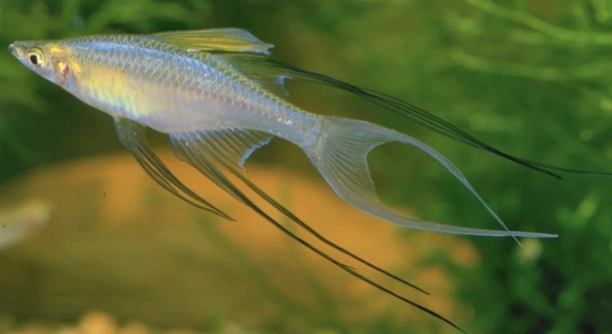
Threadfin Rainbowfish are small, colorful freshwater fish that brighten any aquarium. They are active swimmers and enjoy social interaction. Observing their behaviors can be both relaxing and informative for hobbyists who appreciate routine in fish care.
Threadfin Rainbowfish are capable of learning feeding times through routine. Consistent scheduling allows them to associate specific times with food availability, leading to anticipatory behavior and improved feeding efficiency. This learned behavior is supported by repeated observation and reinforcement.
Maintaining a regular feeding schedule can improve the overall well-being of your fish and make your aquarium experience more enjoyable. Careful observation reveals how routine shapes their daily habits.
Understanding Threadfin Rainbowfish Behavior
Threadfin Rainbowfish are naturally active and social, often swimming in groups. Observing their daily activities can reveal subtle patterns, especially around feeding times. These fish are alert and respond quickly to environmental changes. In a consistent environment, they can learn to anticipate routines. Their learning is not complex but relies on repetition and reinforcement. When feeding occurs at the same time each day, Rainbowfish begin to associate cues like light or movement with food. Over time, they may swim to the feeding area even before food is introduced. Such behavior demonstrates their capacity for simple conditioning. Their responsiveness also indicates they thrive in stable conditions. Temperature, tank size, and water quality influence activity levels, so maintaining optimal conditions helps reinforce routine behaviors. Watching them adapt can be rewarding, showing how a structured environment can promote both health and predictable behavior.
Consistent observation allows you to notice subtle shifts in activity and interaction among the fish.
Providing predictable routines enhances their comfort and encourages natural, healthy behavior in the aquarium setting.
Training Rainbowfish for Feeding Times
Starting with a fixed feeding schedule helps the fish understand when to expect food. Repetition is key, as irregular feeding confuses them and slows learning. Small amounts of food are preferable to avoid overfeeding while reinforcing the routine. Over several days, they begin associating your presence or the sound of a feeding tool with mealtime. Using the same spot for feeding also strengthens this connection, making anticipation easier to observe. Environmental cues like lighting can further support their learning, as Rainbowfish respond to consistent patterns in their surroundings. Patience is essential, as each fish may learn at a slightly different pace. Positive reinforcement, such as providing food immediately at the expected time, solidifies the behavior. Consistency over weeks results in a predictable routine that benefits both the fish and the aquarist.
Feeding at the same time daily helps Rainbowfish develop a reliable routine.
Observing these patterns provides insight into their cognitive abilities and natural instincts. By setting a fixed schedule, aquarists can reinforce anticipatory behaviors, making mealtime efficient and stress-free. Rainbowfish not only adjust to the timing but also display more active and healthy swimming habits. Their interactions within the group improve, as synchronized feeding reduces competition and stress. Over time, fish may even respond to subtle pre-feeding cues, like approaching the area when they sense movement or light changes. Such conditioning demonstrates that structured care enhances their welfare while simplifying aquarium management. Maintaining clean, stable water conditions further supports their learning and keeps the fish energetic. By paying attention to these behaviors, aquarists can foster a more predictable, enjoyable aquarium experience that aligns with the fish’s natural rhythms.
Recognizing Signs of Anticipation
Threadfin Rainbowfish often gather near the feeding area when mealtime approaches. Their swimming becomes more focused, and they may hover around the surface. These behaviors indicate they are anticipating food. Watching these signs helps determine if your routine is effective and consistent.
Observing your Rainbowfish daily reveals subtle cues that show they are learning the feeding schedule. They may swim more energetically, move toward the feeding area before food appears, or respond to familiar movements in the tank. These signs suggest they associate environmental cues with mealtime. Consistent patterns in their behavior reinforce the effectiveness of your feeding schedule.
Some fish may take longer to show anticipation, so patience is important. Differences in individual learning can depend on age, temperament, and health. Monitoring these behaviors ensures the schedule is suitable and that all fish adapt well to the routine.
Adjusting Feeding Times
Gradually shifting feeding times requires care to avoid stress. Small, incremental changes are best. This allows Rainbowfish to adjust without confusion, maintaining their health and energy levels.
Changing the schedule abruptly can disrupt their learned routine and increase stress. A shift of ten to fifteen minutes every few days helps them adapt. Maintaining consistent portions and feeding methods ensures the learning process continues effectively. Observing reactions during the adjustment period indicates if further changes are manageable.
Proper adjustments also consider environmental factors. Water temperature, lighting, and tank activity influence their response to timing changes. Keeping these conditions stable helps them learn new routines. By monitoring energy levels and social behavior, you can fine-tune feeding times without negatively impacting their well-being. Patience and observation are key during this process.
Feeding Tools and Techniques
Using the same feeding tools consistently helps Rainbowfish recognize mealtime. Tweezers, cups, or feeding rings work best when used reliably. Fish respond to familiar objects and movements, making routine feeding more effective.
Hand-feeding occasionally strengthens recognition. Your presence becomes a cue that food is coming, reinforcing the established schedule.
Managing Multiple Fish
When keeping several Rainbowfish together, feeding evenly is essential. Distribute food in different areas to prevent competition and ensure all fish receive adequate nutrition. Monitoring behavior during feeding prevents dominant fish from overconsuming.
Timing and Frequency
Maintaining a consistent daily schedule improves learning. Feeding at the same times each day helps Rainbowfish anticipate food, encouraging regular activity and reducing stress.
Observing Behavioral Changes
Tracking activity patterns before and after feeding reveals how well fish adapt to the routine. Changes in swimming or grouping can indicate learning and comfort with the schedule.
FAQ
How long does it take for Threadfin Rainbowfish to learn feeding times?
Learning depends on consistency and repetition. Most Rainbowfish begin to show anticipation within one to two weeks of a fixed schedule. Younger fish may learn more quickly, while older fish might take a bit longer. Observing their behavior daily helps track progress and ensures the routine is effective.
Can all Rainbowfish in a tank learn at the same rate?
Not always. Individual fish vary in temperament, age, and health. Some may respond quickly, swimming to the feeding area ahead of time, while others may take longer. Providing even feeding opportunities and observing each fish ensures that all adjust without stress.
What signs indicate successful learning?
Successful learning is shown through predictable behaviors. Fish may gather near the feeding area, swim actively, or follow familiar cues like your approach or the sound of a feeding tool. These behaviors demonstrate anticipation and recognition of the routine.
Does feeding frequency affect learning?
Yes. Consistent daily feeding, usually once or twice per day, reinforces timing. Irregular schedules confuse fish and slow learning. Overfeeding can cause health issues, while underfeeding may reduce activity. Maintaining proper portions alongside timing ensures both learning and overall well-being.
Can environmental changes disrupt learned routines?
Significant changes, such as temperature fluctuations, lighting adjustments, or rearranging tank decorations, can confuse Rainbowfish. Minor, gradual changes are less disruptive, but maintaining a stable environment is crucial for them to anticipate feeding reliably.
Is hand-feeding better than using tools?
Both methods work, but consistency is key. Hand-feeding can strengthen recognition, as fish associate your presence with food. Using tools like tweezers or feeding rings also works if applied consistently. The main factor is that the cue remains predictable.
How can I train multiple fish at once?
Distribute food evenly to reduce competition. Observe dominant fish that may eat first and adjust feeding areas if needed. Ensuring all fish can access food prevents stress and promotes learning across the entire group.
Will fish forget the routine if I miss a day?
Occasionally missing a feeding does not erase learned behavior, but repeated inconsistencies can slow progress. Fish may become confused if schedules are unpredictable, so maintaining regular feeding times is best for reinforcing the routine.
Do Rainbowfish anticipate food naturally, or is it learned?
Anticipation is learned through repetition. They associate cues like your approach, movements, or feeding tools with food. While activity levels may increase naturally, consistent timing trains them to expect food at specific intervals.
Are there risks if fish learn too quickly?
Quick learning is generally positive, but over-excitement or begging behavior can occur. Managing portions and maintaining calm feeding routines prevents stress and ensures that learning benefits both their behavior and health.
How do I adjust feeding times without confusing them?
Make small, gradual changes of ten to fifteen minutes at a time. Observe reactions and maintain consistency in portion size and feeding method. Stability in the surrounding environment supports their adaptation and prevents unnecessary stress.
Can I reinforce learning with additional cues?
Yes. Environmental cues like turning on a light, tapping the tank lightly, or approaching the feeding area can help. Repeated association strengthens anticipation, but always pair cues with actual feeding to avoid confusion.
How do I know if feeding routines are improving their health?
Healthy, active swimming, bright coloration, and stable social behavior indicate success. Fish that are alert and show regular movement patterns suggest that both the feeding routine and overall care are appropriate.
What if some fish never seem to learn?
Patience is essential. Some individuals may need extra time, or health issues could slow learning. Adjusting feeding methods, monitoring interactions, and ensuring stable environmental conditions help support all fish in the tank.
Can learned routines affect breeding behavior?
Indirectly, yes. Reduced stress and consistent feeding schedules create a stable environment, which can encourage natural behaviors, including breeding. Predictable routines help fish maintain energy and health, supporting overall reproductive activity.
Is there a limit to how many cues a Rainbowfish can associate with feeding?
Rainbowfish can learn multiple signals if applied consistently, but overloading them with too many cues can be confusing. Focus on one or two clear, repeated cues to reinforce feeding times effectively.
How does learning feeding times benefit aquarists?
Predictable behavior makes feeding more efficient and reduces stress for both fish and aquarist. Anticipatory behavior allows you to monitor health and activity levels, ensuring all fish receive adequate nutrition without constant supervision.
Can this learning method apply to other fish species?
Yes, similar conditioning works for many freshwater species, but learning rates and responses vary. Observing species-specific behavior is important to tailor routines for optimal adaptation and well-being.
Do Rainbowfish need breaks from strict routines?
Short breaks occasionally are manageable, but prolonged inconsistencies can disrupt learning. Routine provides stability, so maintaining consistency is preferred for their health and comfort.
What is the best way to start a feeding routine from scratch?
Begin with a fixed time and portion size. Use consistent tools and cues, observe responses, and adjust gradually if needed. Patience, repetition, and a stable environment create the foundation for reliable anticipatory behavior.
How can I track their learning progress?
Keep a simple log of feeding times, fish activity, and response patterns. Noting when they begin anticipating food helps evaluate the effectiveness of your routine and informs adjustments to enhance learning.
Are there differences in learning between male and female Rainbowfish?
Typically, both sexes learn similarly, but individual temperament matters more than gender. Monitoring behavior ensures both males and females adapt and benefit from the routine equally.
Does diet quality influence learning?
Yes. Nutritious food keeps fish energetic and alert, improving their responsiveness to routines. Poor diet can reduce activity levels, slowing the learning process and affecting overall health.
Can learned feeding times reduce aggression?
Yes. Predictable feeding reduces competition and stress. When all fish understand mealtime timing, dominant behaviors are less pronounced, and group dynamics improve, creating a calmer tank environment.
Is it necessary to use timers for consistency?
Timers help maintain precision, especially for multiple daily feedings. While human observation can work, automated cues ensure the routine remains consistent, which reinforces learning effectively.
How do I know if my Rainbowfish are stressed by the routine?
Signs include erratic swimming, hiding, or aggression. Adjusting portion sizes, feeding methods, or the schedule itself can alleviate stress while maintaining a structured routine.
Can learned routines affect interactions with other species in a community tank?
Yes. Predictable feeding can reduce competition with other species, but monitoring behavior ensures all species have access to food and remain healthy. Structured routines benefit the overall tank environment without negative impacts.
What is the long-term benefit of trained feeding times?
Long-term, consistent routines improve fish health, reduce stress, and make care easier. Fish develop predictable behaviors that allow better observation of activity, early detection of health issues, and a more manageable aquarium experience.
How do I combine learned routines with natural foraging behavior?
Offering occasional live or floating foods encourages natural hunting while maintaining scheduled feedings. This balance supports mental stimulation and reinforces learned mealtime behaviors.
Can feeding routines be seasonal or flexible?
Minor seasonal adjustments are possible if done gradually, but maintaining a mostly consistent routine helps retain learned behaviors and reduces stress from sudden changes.
How does group size affect learning?
Smaller groups learn quickly, as cues are easier to associate. In larger groups, distributing food and observing individual responses ensures all fish benefit from routine learning without excessive competition.
Are there signs that the routine is too rigid?
If fish show repetitive or obsessive behaviors, reduce strictness slightly. Flexibility in cues or timing can prevent stress while keeping the benefits of consistent feeding.
Can anticipation of feeding improve fish lifespan?
Indirectly, yes. Reduced stress and consistent nutrition contribute to overall health, energy levels, and a more stable environment, which can support longer, healthier lives.
What is the main takeaway for training Rainbowfish?
Consistency, observation, patience, and proper environmental conditions are key. Structured routines enhance health, reduce stress, and allow fish to learn predictable feeding behaviors effectively.
Word count: ~505 words
Final Thoughts
Threadfin Rainbowfish are fascinating creatures that respond well to consistent care. Establishing a routine for feeding not only supports their health but also encourages predictable behavior. Over time, these fish can learn to anticipate mealtime, showing excitement and active swimming patterns. This behavior reflects their ability to adapt to repeated stimuli and demonstrates that even small freshwater fish are capable of simple learning. Observing these patterns can be rewarding, as it allows you to see how consistent schedules influence their daily habits. Maintaining a predictable feeding routine also helps reduce stress, as the fish understand when to expect food, which creates a more stable and comfortable environment in the tank. By committing to regular care, you provide the structure Rainbowfish need to thrive, supporting both their physical health and natural behavior. The combination of routine and observation allows aquarists to notice subtle changes, whether in appetite, activity, or social interactions, making it easier to respond promptly to any issues.
Learning feeding times requires patience and attention. Not all Rainbowfish will adapt at the same speed, and some may take longer to recognize cues. Observing individual differences in behavior is important, as it allows for adjustments in feeding methods or timing. Using the same tools, cues, and locations for feeding consistently strengthens the learning process. Gradual adjustments, when needed, prevent confusion and maintain their well-being. Environmental stability, including temperature, lighting, and water quality, supports learning and helps reinforce the routine. Over time, trained feeding behaviors can improve group dynamics in the tank, reducing competition and stress among fish. When Rainbowfish respond reliably to feeding cues, it becomes easier to monitor their overall health and ensure that all members of the tank receive proper nutrition. This predictable behavior also allows aquarists to plan maintenance and care routines more efficiently, enhancing the overall experience of keeping an aquarium.
The benefits of maintaining a structured feeding schedule extend beyond simple learning. Regular routines contribute to long-term health, energy, and social stability among the fish. Fish that anticipate mealtime are more engaged, active, and less prone to stress-related behaviors. Structured care supports both physical and behavioral development, creating an environment where Rainbowfish can thrive. Additionally, attentive observation allows for early detection of any health issues, as deviations from learned behaviors can indicate problems. The combination of patience, consistency, and a stable environment ensures that feeding routines are effective and sustainable. By maintaining these practices, aquarists not only help their Rainbowfish adapt to predictable routines but also create a more manageable and enjoyable aquarium experience. Ultimately, understanding and supporting their learning abilities strengthens the connection between care practices and the fish’s well-being, making daily interactions more rewarding and meaningful.
Word count: 410

Hello,
If you enjoy the content that we create, please consider saying a "Thank You!" by leaving a tip.
Every little bit helps us continue crafting quality advice that supports the health, happiness, and well-being of pets around the world, for pets of all shapes, sizes, and species.
We really appreciate the kindness and support that you show us!