
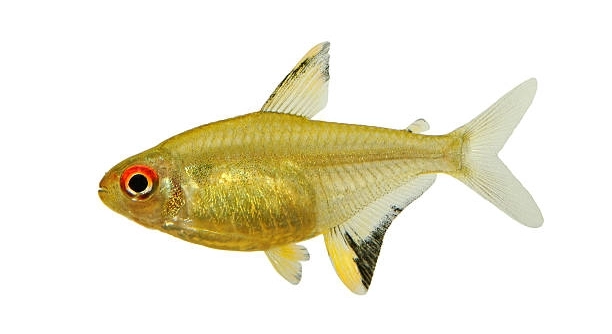
Lemon tetras are small, vibrant fish that bring life to any aquarium. Their bright yellow bodies and peaceful nature make them a favorite among hobbyists, but maintaining their health requires understanding their specific care needs.
The optimal temperature for lemon tetras is between 72°F and 78°F (22°C–26°C). Maintaining this range supports their metabolism, immune system, and natural behavior, ensuring proper growth and long-term well-being within a controlled freshwater aquarium environment.
Keeping your tank at the right temperature can prevent stress and disease. Proper care will help your lemon tetras thrive and remain active.
Understanding Lemon Tetra Temperature Needs
Lemon tetras are sensitive to temperature changes, and keeping their tank stable is key to their health. Sudden drops or spikes can stress them, causing them to hide or lose color. Ideal conditions allow them to swim actively, eat properly, and interact naturally with other fish. Using a reliable aquarium heater and thermometer helps maintain consistency. Tank placement also matters—avoid areas near drafty windows or direct sunlight. Water quality, along with temperature, affects their overall well-being. Regular testing ensures that pH, ammonia, and nitrate levels stay within safe ranges. A balanced environment helps them display their full coloration and reduces the risk of illness. Maintaining steady water parameters can prevent behavioral issues such as fin clamping or lethargy. Observing your fish daily gives insight into whether the temperature is comfortable. Adjust gradually when needed to avoid sudden stress, which can compromise their immune system. A stable tank creates a safe, thriving environment for lemon tetras to flourish.
Proper temperature support encourages natural behavior and strong immune health.
Temperature stability is crucial for breeding as well. Lemon tetras need consistent warmth to spawn successfully. Sudden fluctuations can halt breeding cycles, affecting both egg viability and fry survival. Observing their interactions can signal whether the environment is ideal for reproduction.
How to Maintain the Right Temperature
Keeping the tank temperature stable is essential for long-term health. Regular checks help detect minor variations before they become harmful.
Using a quality aquarium heater is the most effective method to maintain warmth. Place it where water flows freely to distribute heat evenly. Combine it with a reliable thermometer to monitor daily conditions. Avoid placing the tank near air vents, windows, or direct sunlight, as these can cause fluctuations. Insulating the tank can help maintain stability in colder rooms. Partial water changes should be performed with water that matches the tank’s temperature to avoid shocks. A gradual adjustment is safer than a sudden change, which can stress the fish. Observing the fish for signs of discomfort, such as hiding or color fading, can indicate temperature issues. Proper maintenance ensures lemon tetras stay healthy, active, and vibrant in their environment. Consistency in temperature, along with clean water and proper nutrition, creates a thriving habitat that supports their natural behaviors and longevity.
Signs Your Lemon Tetra Is Too Cold
Cold water can slow your lemon tetra’s activity and appetite. They may hide more often, lose coloration, or appear lethargic. Stress from low temperatures can weaken their immune system and make them more prone to illness.
If the water drops below their ideal range, their metabolism slows, and they may stop eating regularly. Over time, this can stunt growth and increase vulnerability to diseases like fin rot or fungal infections. Fish may cluster near the heater or at the bottom, seeking warmth. Observing behavior closely helps you notice these early warning signs and adjust the temperature gradually. Maintaining consistent warmth ensures they remain active, display vibrant colors, and engage normally with other tank mates.
Behavior changes are often the first clue of cold stress. Lemon tetras may become less social or swim erratically. Rapid response to these signs can prevent serious health issues, making daily observation crucial.
Tools for Temperature Control
A reliable aquarium heater is essential for keeping lemon tetras within the correct temperature range. Choose one suitable for your tank size.
Heaters work best when paired with a thermometer for accurate monitoring. Place the heater where water circulation ensures even distribution, preventing cold spots. Some heaters come with built-in thermostats to maintain precise temperatures automatically. Regular maintenance, such as cleaning and checking for malfunctions, ensures consistency. For larger tanks, consider using multiple heaters to achieve stable conditions. Avoid sudden adjustments—gradually increase or decrease the temperature to prevent stress. Insulation and careful placement can reduce fluctuations caused by room temperature changes. Combining these methods creates a safe and consistent environment for your fish, promoting healthy growth and behavior.
Signs Your Lemon Tetra Is Too Warm
Warm water can make lemon tetras swim rapidly or stay near the surface. They may gasp for air, appear restless, or lose color. Overheating increases stress and can reduce their lifespan if not corrected quickly.
Extended exposure to high temperatures can weaken their immune system. Warm water holds less oxygen, causing difficulty in breathing. Fish may show unusual aggression or lethargy depending on how extreme the heat is. Monitoring the tank daily helps prevent prolonged stress and keeps your tetras healthy.
Adjusting Water Temperature Safely
Gradual changes are key when adjusting water temperature. Sudden shifts can shock your fish and cause illness.
Use a heater or adjust room conditions slowly, changing no more than 1–2°F at a time. If lowering temperature, mix small amounts of cooler water over several hours instead of replacing all water at once. Observe fish for stress signs after adjustments. Consistency and patience protect their health, allowing lemon tetras to thrive. Regular checks and minor corrections maintain a stable environment, avoiding temperature extremes that can harm metabolism and behavior.
Maintaining Consistent Conditions
Stable water parameters are as important as the temperature itself. Regular monitoring ensures lemon tetras stay comfortable.
FAQ
What is the ideal temperature range for lemon tetras?
The optimal temperature for lemon tetras is between 72°F and 78°F (22°C–26°C). Maintaining this range supports their metabolism, immune system, and natural behavior, ensuring proper growth and long-term well-being in a freshwater aquarium. Temperatures outside this range can cause stress and health problems.
Can lemon tetras survive in cooler water?
Lemon tetras can tolerate slightly cooler water temporarily, but prolonged exposure below 70°F (21°C) can slow their metabolism, reduce appetite, and make them more prone to diseases. Sudden drops in temperature are especially harmful and can lead to shock or death.
What happens if the water gets too warm?
If the tank temperature rises above 78°F (26°C), lemon tetras may become restless, gasp at the surface, or lose their coloration. Warm water also holds less oxygen, which can cause breathing difficulties. Over time, prolonged exposure weakens their immune system and shortens their lifespan.
How do I safely adjust the temperature?
Temperature adjustments should be gradual. Increase or decrease by no more than 1–2°F at a time. Use a heater for warming or add cooler water in small amounts for lowering temperature. Avoid sudden changes, as these can shock the fish and lead to illness.
Do I need a heater in my tank?
Yes, a reliable aquarium heater is essential for maintaining a stable temperature. Place it in an area with good water flow to distribute heat evenly. Pairing it with a thermometer ensures accurate monitoring. For larger tanks, using multiple heaters may provide more stable conditions.
How do I know if the temperature is stressing my fish?
Signs of temperature stress include lethargy, hiding, faded colors, rapid or erratic swimming, and reduced appetite. Fish may cluster near the heater if too cold or near the surface if too warm. Observing daily behavior helps detect problems early.
Can temperature affect breeding?
Yes, consistent temperature is crucial for breeding. Lemon tetras need stable warmth to spawn successfully. Sudden fluctuations can halt breeding cycles, reduce egg viability, and decrease fry survival. Observing their interactions provides insight into whether the environment is suitable for reproduction.
Is it necessary to monitor water daily?
Daily checks are very helpful. Small temperature fluctuations may not be noticeable immediately, but frequent monitoring allows quick corrections before stress or illness develops. Using a thermometer and visual observation together gives the best results.
Can room temperature alone maintain the ideal range?
Room temperature alone may work in very stable climates, but it often fluctuates too much. Relying solely on room temperature risks exposing the fish to stress from sudden changes. A heater and thermometer provide more reliable, consistent conditions for lemon tetras.
How often should I check the heater?
Regular inspection is important. Check weekly for proper operation, signs of damage, or inaccurate readings. Cleaning the heater as recommended prevents buildup that can affect performance. Consistent maintenance prevents sudden failures that could harm your fish.
What is the best way to prevent temperature shocks during water changes?
Match new water to the tank’s temperature before adding it. Slowly mix cooler or warmer water over several hours instead of replacing all water at once. This avoids sudden stress and maintains a stable environment for lemon tetras to thrive.
Are there any tools to help maintain stable temperatures?
Using a heater with a built-in thermostat helps maintain precise warmth. A reliable thermometer allows daily monitoring. For larger or sensitive tanks, combining multiple heaters or adding insulation can reduce fluctuations and ensure a safe, consistent environment for the fish.
How long does it take for a tank to stabilize after a temperature adjustment?
It usually takes several hours for the entire tank to reach the new temperature. Water circulation helps distribute heat evenly. Always make gradual changes and observe your fish for signs of stress during the adjustment period to ensure a smooth transition.
Can temperature issues cause disease?
Yes, both high and low temperatures can weaken the immune system, making lemon tetras more susceptible to fin rot, fungal infections, and other illnesses. Maintaining a stable range reduces the risk of disease and supports their overall health and activity.
What are the most common mistakes regarding temperature?
The most common mistakes include sudden temperature changes, neglecting to use a thermometer, relying solely on room temperature, and failing to maintain the heater properly. These errors often lead to stress, illness, or even death, which can be prevented with consistent monitoring and gradual adjustments.
Can other tank conditions affect temperature tolerance?
Yes, water quality, tank size, and the number of fish can influence how sensitive lemon tetras are to temperature changes. Poor water quality or overcrowding increases stress, making them less tolerant of even minor fluctuations in temperature. Maintaining a balanced environment enhances their resilience.
Do lemon tetras need a day-night temperature cycle?
A natural temperature cycle can be beneficial but is not strictly necessary. Avoid large swings between day and night temperatures. Keeping fluctuations minimal ensures the fish remain healthy, active, and vibrant, without unnecessary stress from extreme changes.
How important is insulation for the aquarium?
Insulation can help maintain consistent temperature, especially in rooms with drafts or seasonal fluctuations. Using insulation on the back or sides of the tank reduces sudden changes, making it easier to keep the water within the ideal range for lemon tetras.
Can temperature affect behavior?
Yes, temperature directly influences activity levels, feeding, and social interactions. Too cold slows them down, while too warm may make them hyperactive or restless. Stable conditions allow natural swimming, schooling, and feeding behaviors, keeping the fish healthy and happy.
What is the first step if I notice temperature-related stress?
Check the thermometer to confirm the water temperature. Adjust gradually if needed and monitor the fish closely. Ensure heaters are functioning correctly, and perform partial water changes with water at the correct temperature to reduce stress effectively.
How do seasonal changes affect tank temperature?
Seasonal changes can cause room temperature fluctuations, impacting water temperature. Winter may require additional heating, while summer may need measures to prevent overheating. Monitoring and adjusting for seasonal changes ensures lemon tetras remain within their ideal temperature range year-round.
Are there any signs that indicate a healthy temperature environment?
Healthy fish swim actively, display bright colors, feed consistently, and interact normally with other tank mates. Consistent behavior and vibrancy indicate the temperature is within the proper range and the aquarium environment supports their overall well-being.
Can temperature extremes be fatal?
Yes, prolonged exposure to temperatures outside the ideal range can be fatal. Both extreme cold and heat can lead to metabolic failure, immune suppression, and eventually death. Maintaining a stable temperature is critical for the survival and long-term health of lemon tetras.
How can I prevent future temperature problems?
Use a reliable heater and thermometer, monitor the tank daily, and adjust gradually when needed. Avoid placing the tank near drafty windows, direct sunlight, or heating vents. Regular maintenance and observation ensure lemon tetras remain in a safe, stable environment at all times.
Final Thoughts
Maintaining the correct temperature for lemon tetras is one of the most important aspects of their care. These small, colorful fish rely on a stable environment to stay healthy, active, and vibrant. Water that is too cold can slow their metabolism, reduce appetite, and make them more susceptible to illness. On the other hand, water that is too warm can stress them, reduce oxygen levels, and weaken their immune system. Ensuring the tank stays within the optimal range of 72°F to 78°F (22°C–26°C) helps them thrive and display their natural behavior. Simple tools like a reliable heater and thermometer can make a big difference, providing consistent warmth and allowing daily monitoring to prevent sudden changes. Observing the fish closely helps you notice any early signs of stress, such as hiding, faded colors, or unusual swimming patterns, so adjustments can be made promptly.
A stable temperature also supports other aspects of lemon tetra care. Fish kept in consistent conditions are more likely to feed well, interact normally with other tank mates, and maintain vibrant coloration. Sudden fluctuations can cause stress, which often leads to illness or changes in behavior. Gradual adjustments are essential if any changes are needed, and pairing a heater with good water circulation ensures heat is distributed evenly. Seasonal changes, drafts, or sunlight can influence tank temperature, so it’s important to monitor the environment and adjust when necessary. Maintaining clean water, proper nutrition, and a consistent temperature together creates an environment where lemon tetras can live long, healthy lives. Small daily efforts, like checking the thermometer and observing fish behavior, can prevent major issues and ensure the tank remains a stable habitat.
Temperature management also plays a key role in breeding and long-term well-being. Lemon tetras need stable warmth to spawn successfully, and sudden fluctuations can halt breeding cycles or reduce fry survival. Properly maintaining the right conditions increases the chances of successful reproduction and helps fish remain healthy throughout their lives. Overall, attention to temperature is not just about comfort—it directly affects their metabolism, immunity, behavior, and longevity. By providing a consistent, well-maintained environment, you are giving your lemon tetras the best chance to thrive, stay active, and display their bright colors. Careful observation, steady maintenance, and patience are all essential to creating a safe, healthy, and enjoyable habitat for these beautiful freshwater fish.

Hello,
If you enjoy the content that we create, please consider saying a "Thank You!" by leaving a tip.
Every little bit helps us continue crafting quality advice that supports the health, happiness, and well-being of pets around the world, for pets of all shapes, sizes, and species.
We really appreciate the kindness and support that you show us!