
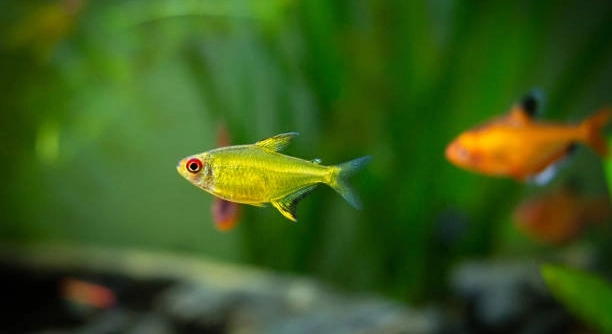
Lemon tetras are small, bright fish often seen swimming in groups in home aquariums. Their active movements and vibrant yellow coloring make them a lively addition, attracting attention with their social and energetic behavior.
Lemon tetras sometimes chase each other as a part of natural schooling behavior rather than for play. This chasing is primarily linked to establishing hierarchy, social interaction, and maintaining group cohesion within their environment.
Observing these fish can reveal patterns that are important for understanding their behavior and creating a harmonious aquarium setup for them.
Why Lemon Tetras Chase Each Other
Lemon tetras are naturally active fish, and chasing is part of how they interact in a group. In an aquarium, it often looks like they are playing, but it is mainly a social behavior. This chasing helps establish a pecking order, reducing conflicts over time. Fish swim closely together, darting and circling each other, which allows them to stay aware of everyone in the school. Their small size and fast movements make the activity noticeable and sometimes exciting to watch. In the wild, such behavior helps protect them from predators because moving as a group can confuse threats. The chasing also gives them exercise and helps maintain their agility. Even though it may seem aggressive at times, it is usually harmless, especially if the tank has enough space and hiding spots. Providing plants, decorations, and open swimming areas can help the fish chase without causing stress.
This chasing is a natural part of their social structure and rarely signals serious aggression or harm.
Observing lemon tetras can teach a lot about group dynamics. The way they chase shows how fish communicate and interact without words. They signal dominance, readiness to feed, or alertness to surroundings. By paying attention to patterns, it is possible to understand which fish are more active, which are shy, and how the group balances itself. Tank conditions like size, decoration, and water quality influence these interactions. If the aquarium is too small or crowded, chasing can become stressful. Maintaining a balanced environment ensures the fish stay healthy and continue their natural behavior. Watching these movements is both relaxing and informative, showing how delicate and coordinated small fish can be while maintaining their group harmony.
Signs of Aggression or Stress
Chasing does not always indicate stress, but there are warning signs to watch for.
Signs include damaged fins, constant hiding, or one fish being cornered repeatedly. If chasing escalates to frequent biting or injury, intervention may be necessary. Adjusting tank size, rearranging decorations, or adding more fish to disperse attention can help. Sometimes, separating overly aggressive individuals temporarily restores balance. Water conditions, feeding schedules, and the number of fish all influence behavior. Monitoring their interactions allows the keeper to distinguish normal social chasing from harmful aggression. Stress reduces immunity, so prompt action is important to prevent disease. Observing carefully ensures that lemon tetras remain active, healthy, and social without unnecessary harm.
How Tank Setup Affects Chasing
Tank size and layout directly influence how lemon tetras chase each other. Smaller tanks often increase stress and cause tighter, more aggressive chasing. Open swimming spaces allow them to move freely, reducing tension and letting chasing remain natural and social rather than threatening.
Providing plants and decorations creates hiding spots and resting areas. When fish have places to retreat, chasing becomes part of interaction, not intimidation. Avoid overcrowding, as too many fish in a small tank increases conflict. Filtration and water movement also affect activity levels. Calm, clean water encourages relaxed swimming patterns, while strong currents can heighten chasing. Proper lighting can make fish feel secure, further balancing their social behavior.
Arranging the tank thoughtfully allows chasing to happen safely. Placing taller plants near corners and leaving open mid-water areas helps the fish interact without constant stress. Observing behavior after changes can guide further adjustments, ensuring a healthy social environment and reducing unnecessary conflicts while maintaining natural activity.
Feeding and Chasing Behavior
Chasing can increase around feeding times, as lemon tetras compete for food. Faster or more dominant fish may dart after others to gain access, which is normal.
Feeding smaller portions more frequently helps reduce aggressive chasing. Floating foods can give all fish a chance to eat without crowding one area. Watching how they respond to different food types can reveal which fish are less confident. Some may need slower feeding or hiding spots to eat comfortably. Uneven feeding can increase tension, so consistent routines are important. Balanced diets also maintain energy and health, reducing irritability and excessive chasing.
Feeding time offers insight into social hierarchy. Observing who chases and who retreats can help identify dominant and submissive fish. Adjusting feeding strategies, like spreading food across the tank or using feeding rings, helps all fish get enough nutrition. Over time, this can reduce stress-driven chasing while keeping the group active. Keeping an eye on interactions ensures that feeding remains a positive part of their daily routine without escalating into harmful behavior.
Group Size and Social Behavior
Lemon tetras feel safest in groups of six or more. Smaller groups can lead to increased stress, causing more frequent chasing that may become aggressive rather than social.
Larger groups spread out interactions, allowing fish to establish hierarchy without constant pressure. Schools move together naturally, reducing anxiety and keeping chasing playful instead of harmful.
Gender Differences in Chasing
Male lemon tetras are often more active in chasing, especially during feeding or near territory. Females usually swim calmly but may join in briefly.
Observing Patterns
Tracking when and how fish chase each other helps understand their social structure. Notice if chasing occurs mainly at feeding, during territory disputes, or randomly. Consistent observation ensures interventions happen only when necessary, keeping the aquarium balanced and stress-free.
Environmental Factors
Water temperature, pH, and lighting can affect activity levels. Stable conditions encourage relaxed behavior, while sudden changes may increase chasing or stress.
Why do lemon tetras chase each other?
Lemon tetras chase each other mainly as part of natural schooling behavior. This chasing is a way to establish social order within the group. It helps fish communicate dominance, maintain group cohesion, and stay aware of each other’s movements. In most cases, the behavior is harmless and is not a sign of serious aggression.
Is chasing a sign of aggression?
Chasing alone is not necessarily aggressive. Normal chasing is brief and usually does not result in injury. Signs of true aggression include biting, torn fins, constant cornering, or one fish repeatedly harassing another. If these behaviors appear, changes to tank setup or temporary separation may be required.
Does tank size affect chasing?
Yes, smaller tanks often increase chasing because fish have less space to move freely. Crowded conditions can turn normal social behavior into stress-driven interactions. Providing a larger tank with open swimming areas and hiding spots reduces tension, allowing chasing to remain part of normal social activity.
How many lemon tetras should be kept together?
A group of six or more is recommended. Smaller groups may increase stress, while larger groups allow for natural schooling and social interaction. Having enough fish in the school spreads out chasing behavior, preventing any single fish from being constantly targeted.
Does feeding influence chasing behavior?
Yes, feeding often triggers chasing as fish compete for food. Dominant individuals may chase others to gain access. Feeding smaller portions throughout the day and spreading food across the tank reduces tension. Observing how each fish eats can help identify shy or submissive individuals and ensure everyone gets enough nutrition.
Do males and females chase differently?
Male lemon tetras are generally more active in chasing, especially during feeding or territorial displays. Females usually swim calmly but may participate briefly. Observing their interactions can help determine hierarchy and whether any fish are stressed or overwhelmed.
Can environmental factors increase chasing?
Water temperature, pH, lighting, and tank decorations influence chasing behavior. Stable water conditions encourage relaxed swimming and reduce stress. Sudden changes in temperature, pH, or strong lighting can increase activity and tension, causing more frequent or intense chasing among the fish.
What can be done if chasing becomes harmful?
If chasing escalates to aggression, adjustments to the tank are necessary. Adding plants, decorations, or hiding spots can give fish places to retreat. Increasing tank size or temporarily separating aggressive individuals can restore balance. Regular observation ensures interventions are timely, preventing injury or prolonged stress.
Does chasing indicate exercise or play?
Chasing also provides physical activity, helping lemon tetras stay agile and healthy. While it may look like play, it is mainly a social and survival behavior. Ensuring adequate space and a well-structured tank allows them to move freely without unnecessary stress.
How to monitor chasing behavior effectively?
Observe the group at different times of day and during feeding. Take note of which fish chase and which retreat. Watch for patterns in behavior, and ensure chasing remains brief and social. If signs of stress or injury appear, take action to reduce tension.
Can chasing indicate health issues?
Excessive chasing or unusual aggression can sometimes signal illness or discomfort. Poor water quality, parasites, or dietary deficiencies may cause irritability. Maintaining clean water, stable conditions, and a balanced diet helps prevent stress-induced chasing and supports overall health.
How to encourage safe chasing?
Provide enough space, hiding areas, and a proper number of fish. Stable environmental conditions and consistent feeding schedules also support safe interactions. Watching behavior regularly helps maintain a harmonious aquarium where chasing is natural, social, and stress-free.
Are there long-term benefits to chasing?
Chasing maintains social structure, keeps fish active, and helps them practice quick responses. These behaviors improve agility, reduce boredom, and reinforce schooling instincts. A properly managed tank allows these benefits without causing injury or stress, ensuring lemon tetras remain healthy and socially balanced.
Lemon tetras are small, social fish that display a variety of behaviors in the aquarium, and chasing is one of the most noticeable. This behavior is part of how they interact within a group, helping them establish a hierarchy and maintain cohesion. While it may seem aggressive at first, most chasing is harmless and part of their natural schooling behavior. Understanding that chasing is often a social interaction rather than a threat allows aquarium keepers to better interpret what is happening in the tank. Observing their patterns closely can reveal which fish are more dominant, which are more passive, and how the group balances itself over time.
The environment in which lemon tetras are kept greatly influences their behavior. Tank size, layout, and decoration all play a role in how chasing occurs. A larger tank with open swimming areas and hiding spots allows fish to chase without causing stress. Adding plants and decorations creates spaces for retreat and rest, preventing constant harassment. Water quality, temperature, and lighting also affect activity levels. Stable conditions promote relaxed swimming and reduce tension, whereas sudden changes or overcrowding can escalate chasing into aggressive interactions. Keeping these factors in mind ensures that the fish can display natural behaviors safely, maintaining both health and social balance.
Feeding routines and group composition further affect chasing behavior. Lemon tetras are more likely to chase around feeding times as they compete for food, especially if dominant fish try to secure the best portions. Offering food in small, spread-out portions helps reduce stress and ensures all fish can eat comfortably. Keeping a proper group size, typically six or more, allows chasing to remain part of social interaction rather than a sign of tension. Observing behavior regularly and adjusting tank conditions as needed helps maintain a harmonious aquarium. When managed carefully, chasing becomes a normal, healthy part of life for lemon tetras, reflecting their active and social nature without causing harm or stress.

Hello,
If you enjoy the content that we create, please consider saying a "Thank You!" by leaving a tip.
Every little bit helps us continue crafting quality advice that supports the health, happiness, and well-being of pets around the world, for pets of all shapes, sizes, and species.
We really appreciate the kindness and support that you show us!