
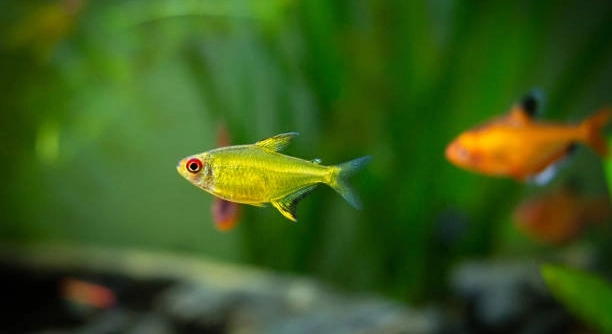
Keeping lemon tetras healthy starts with clean, well-maintained water. Their small size and vibrant colors make them sensitive to changes, so proper water care is essential for a thriving aquarium environment.
Maintaining optimal water quality for lemon tetras involves regular testing and adjustments. Monitoring parameters such as pH, ammonia, nitrite, and nitrate levels ensures a stable environment, reducing stress and supporting overall health and longevity in these freshwater fish.
Proper water care protects your fish from illness and keeps your aquarium vibrant and balanced for long-term enjoyment.
Test Your Water Regularly
Regular water testing is essential for keeping lemon tetras healthy. Use a reliable test kit to check ammonia, nitrite, nitrate, and pH levels. Consistent monitoring helps detect problems before they affect your fish. Even minor changes in water chemistry can stress tetras, causing illness or behavior changes. Testing weekly allows you to adjust conditions gradually, avoiding sudden shocks. Keep records of test results to track trends over time and understand your tank’s patterns. This habit makes it easier to identify issues and maintain a stable environment. Always follow the instructions on your test kit for accurate results, and consider keeping spare kits to ensure consistency. Regular checks also give insight into your filtration system’s effectiveness, showing if water changes or additional treatments are needed. Over time, this routine becomes simple and saves a lot of potential problems. Healthy lemon tetras rely on stable, clean water, and testing is the first step to ensuring this stability.
Testing water frequently prevents unexpected health problems and keeps your aquarium balanced for long-term success.
Consistent water testing builds confidence in your tank management. When you monitor pH, ammonia, nitrite, and nitrate, you understand what your fish need. It allows you to take action before stress or illness develops. Over time, you can anticipate patterns and plan water changes more efficiently. This routine also helps spot filter inefficiencies, chemical buildup, or sudden shifts from new decorations or substrate. By keeping records, you create a reference for future adjustments, ensuring lemon tetras remain comfortable and vibrant. Regular testing isn’t just a task—it’s a protective measure that directly impacts fish health, making your aquarium more predictable and enjoyable.
Perform Regular Water Changes
Water changes are vital for maintaining a healthy aquarium. They remove waste, excess nutrients, and toxins while replenishing minerals essential for lemon tetras.
Consistent partial water changes prevent harmful buildup and keep your tank environment stable.
Performing water changes involves replacing 20-25% of the tank water weekly. Use a siphon to remove debris from the substrate and avoid disturbing plants or decorations. Prepare new water by dechlorinating and matching the temperature and pH to the tank to prevent shocking the fish. Gradually replacing water ensures stability and reduces stress. Over time, regular changes improve overall water clarity, reduce algae growth, and maintain consistent chemical balance. Lemon tetras are sensitive to fluctuating conditions, so missing changes can quickly lead to health problems. Keeping a schedule makes the task easier and creates a routine your fish can rely on. Documenting water changes helps track tank health and notice early signs of imbalance, ensuring your tetras stay active, colorful, and healthy in a well-maintained habitat.
Maintain Proper Filtration
A good filter keeps water clean and oxygenated. It removes debris and helps maintain chemical balance, which is essential for lemon tetras.
Filters work by mechanically trapping particles, biologically breaking down waste, and chemically removing impurities. A well-sized filter ensures water moves at an appropriate rate without stressing fish. Clean filter media regularly, but avoid washing everything with tap water to preserve beneficial bacteria. Overloading the tank or using an inadequate filter can lead to spikes in ammonia and nitrite, which are harmful to tetras. Regular checks and maintenance keep the system efficient, reducing the risk of disease. Choosing the right filter type and size is just as important as maintaining it. Healthy tetras rely on consistent water flow and quality, and filtration plays a central role.
Proper filtration also reduces odor, keeps water clear, and supports a balanced aquarium ecosystem for long-term health.
Monitor Temperature and pH
Lemon tetras thrive in stable temperatures around 75-80°F and a slightly acidic to neutral pH of 6.5-7.0. Sudden fluctuations stress them and increase disease risk.
Maintaining consistent temperature requires a reliable heater and thermometer. Avoid placing the tank near drafts, windows, or heating vents that could cause swings. For pH, use natural decorations like driftwood or specific substrates to stabilize levels. Testing weekly ensures you catch changes early. Stability in both temperature and pH is crucial for breeding, activity, and feeding. Sudden shifts can lead to stress, loss of color, or lethargy. Adjust gradually if changes are needed, never make large swings. Consistency allows lemon tetras to flourish, display vibrant colors, and remain active, creating a lively and healthy aquarium environment.
Avoid Overfeeding
Overfeeding produces excess waste that pollutes the water and stresses lemon tetras. Feed small amounts that they can consume within a few minutes.
Use high-quality flakes or micro-pellets designed for small tropical fish. Remove uneaten food promptly to prevent decomposition and harmful chemical buildup.
Use Live or Frozen Foods
Incorporating live or frozen foods supplements their diet with protein and nutrients. Options like daphnia, brine shrimp, and bloodworms provide variety and improve color and vitality. Regularly rotating food types supports overall health and encourages natural foraging behaviors, keeping lemon tetras active and engaged.
Limit Chemical Additives
Avoid unnecessary chemicals or water treatments. Only use them when required for specific issues, as overuse can disrupt tank balance and harm tetras.
Keep the Aquarium Clean
Regularly remove debris, vacuum substrate, and clean decorations. A clean tank prevents disease and promotes a stable environment for lemon tetras to thrive.
FAQ
How often should I test the water for my lemon tetras?
Water should be tested at least once a week to ensure ammonia, nitrite, nitrate, and pH levels remain stable. Frequent testing helps catch small issues before they become serious problems. Keep a record of results to notice trends over time and track any changes in tank conditions.
What is the best water temperature for lemon tetras?
Lemon tetras do best in water between 75-80°F. Consistent temperature is crucial, as sudden changes can stress the fish. Use a reliable heater and thermometer to monitor the tank, and avoid placing it near windows, vents, or drafts that may cause fluctuations.
How much should I feed my lemon tetras?
Feed small portions they can finish within 2-3 minutes, 1-2 times daily. Overfeeding leads to waste accumulation, water pollution, and potential health issues. Rotate food types between flakes, micro-pellets, and occasional live or frozen foods to provide balanced nutrition.
Can I use tap water for my tank?
Tap water is acceptable if treated to remove chlorine and chloramines. Use a water conditioner before adding it to the tank. Allow the water to reach the same temperature as the tank to avoid shocking your tetras. Regular testing ensures the treated water maintains safe parameters.
How often should I change the water?
Perform partial water changes of 20-25% weekly. This removes waste and toxins while replenishing essential minerals. Larger or less frequent changes can stress fish, so stick to a consistent schedule. Use a siphon to clean the substrate and avoid disturbing plants and decorations.
What pH level is safe for lemon tetras?
A slightly acidic to neutral pH of 6.5-7.0 is ideal. Stability is more important than hitting an exact number. Use natural methods like driftwood or specific substrates to adjust pH gradually, and test weekly to monitor changes. Avoid sudden shifts that can stress the fish.
Do lemon tetras need a filter?
Yes, a filter is essential to remove debris, toxins, and maintain oxygen levels. Ensure it is properly sized for your tank. Clean filter media carefully to preserve beneficial bacteria, and avoid overloading the filter with decorations or excessive waste. Proper filtration supports long-term health.
Can I keep lemon tetras with other fish?
Lemon tetras are peaceful and do best with similarly sized, non-aggressive species. Avoid larger or territorial fish that may harass them. Keeping them in small schools of at least six helps reduce stress and encourages natural social behavior. Compatibility is key for a harmonious tank.
How do I prevent algae growth?
Algae growth can be managed with proper lighting, regular water changes, and avoiding overfeeding. Clean surfaces manually as needed. Algae-eating fish or snails can help, but balance is essential. Excess nutrients from food or waste often contribute more to algae than light alone.
What should I do if water parameters are off?
Adjust conditions gradually to avoid shocking your fish. Use partial water changes, pH stabilizers, or ammonia neutralizers as needed. Monitor closely after adjustments and test daily until levels return to safe ranges. Consistent care prevents stress and long-term health issues.
Can live plants improve water quality?
Yes, live plants absorb nitrates and provide oxygen, helping maintain chemical balance. They also offer hiding spots for tetras. Choose hardy, low-maintenance plants that tolerate the same temperature and pH as your fish. Healthy plants contribute to a stable and natural aquarium environment.
How do I know if my lemon tetras are stressed?
Signs of stress include faded colors, lethargy, erratic swimming, or loss of appetite. Regular water testing, proper feeding, and maintaining stable temperature and pH can prevent stress. Observing behavior daily helps detect problems early and allows prompt corrective action.
Is it safe to use decorations in the tank?
Yes, as long as they are aquarium-safe and won’t leach chemicals. Rinse decorations before placing them in the tank, and avoid sharp edges that could injure tetras. Natural ornaments like rocks and driftwood can also help stabilize pH and provide shelter.
How do I handle sudden illnesses in lemon tetras?
Quarantine affected fish immediately to prevent spreading disease. Identify symptoms and treat accordingly using safe medications. Check water quality, as poor conditions often trigger illness. Maintain cleanliness and observe all fish carefully during treatment. Early action improves recovery chances and protects the rest of the school.
Can I use tap water conditioners regularly?
Yes, conditioners are safe and necessary to neutralize chlorine and chloramines. Use according to the instructions, especially during water changes. Regular use ensures the water remains safe and prevents stress caused by chemical exposure, supporting overall health and vibrant colors in lemon tetras.
How important is schooling for lemon tetras?
Very important. Lemon tetras feel secure in groups of six or more. Schooling reduces stress, promotes natural behavior, and improves their overall wellbeing. Isolated fish may become timid or aggressive, so maintaining a proper group size is essential for their mental and physical health.
What is the ideal tank size for lemon tetras?
A minimum of 20 gallons is recommended for a small school. More space reduces stress and allows proper swimming and growth. Larger tanks make it easier to maintain water quality and provide room for plants and decorations without overcrowding, supporting healthier, more active tetras.
How can I maintain stable water parameters over time?
Regular testing, consistent partial water changes, proper filtration, and monitoring temperature and pH are key. Avoid overfeeding and overcrowding. Keeping a routine and observing your tank daily helps maintain stability, ensuring lemon tetras remain healthy, active, and vibrant in a balanced aquarium environment.
Are there specific signs that water quality is poor?
Cloudy water, foul odor, algae overgrowth, and fish stress behaviors indicate declining water quality. Regular testing and proper maintenance prevent these issues. Paying attention to these signs allows prompt corrective measures, keeping the environment safe and suitable for lemon tetras.
What routine maintenance helps ensure water quality?
Weekly testing, partial water changes, filter cleaning, substrate vacuuming, and removing debris are essential. Monitoring fish behavior and appearance also provides clues about tank health. A consistent routine simplifies care, reduces risks, and ensures lemon tetras thrive in a stable, clean, and balanced habitat.
Maintaining healthy lemon tetras is largely about keeping their environment stable and clean. Consistent water testing, proper filtration, and regular water changes create the foundation for their well-being. These small fish are sensitive to changes in water chemistry, temperature, and pH, so even minor fluctuations can cause stress or illness. By monitoring ammonia, nitrite, nitrate, and pH levels weekly, you can detect early signs of imbalance and take action before it affects the fish. A reliable filter removes debris and maintains oxygenation, while regular cleaning of the substrate and decorations prevents the buildup of harmful substances. Using water conditioners when adding tap water ensures chlorine and chloramines do not harm your tetras. These steps are simple habits that, when followed consistently, significantly improve the health and longevity of lemon tetras.
Proper feeding is another critical factor in keeping lemon tetras vibrant and active. Overfeeding produces waste that pollutes the water and increases the risk of disease, while underfeeding can weaken their immune systems. Providing small portions that they can consume within a few minutes, once or twice a day, ensures their dietary needs are met without affecting water quality. Rotating between high-quality flakes, micro-pellets, and occasional live or frozen foods adds nutritional variety and supports natural behaviors. Live foods like brine shrimp or daphnia not only enhance color but also encourage activity, keeping the fish lively and engaged. Feeding practices go hand in hand with water maintenance, as well-fed fish in clean water are less prone to stress and illness. Over time, these feeding routines create a more predictable and manageable aquarium environment.
Creating a stable and balanced aquarium also includes attention to temperature, pH, and tank setup. Lemon tetras thrive in slightly acidic to neutral water, with a temperature around 75-80°F. Sudden changes can lead to stress, color fading, and decreased activity, so using a reliable heater, thermometer, and natural methods like driftwood to stabilize pH is essential. Keeping them in schools of at least six reduces stress and promotes natural social behavior, while compatible tank mates ensure a peaceful environment. Live plants provide additional benefits, absorbing nitrates, producing oxygen, and offering hiding places. By maintaining consistent water quality, feeding properly, and providing a comfortable habitat, lemon tetras can remain healthy, colorful, and active. These practices make aquarium care straightforward and rewarding, giving your fish the best chance to thrive over the long term.

Hello,
If you enjoy the content that we create, please consider saying a "Thank You!" by leaving a tip.
Every little bit helps us continue crafting quality advice that supports the health, happiness, and well-being of pets around the world, for pets of all shapes, sizes, and species.
We really appreciate the kindness and support that you show us!