
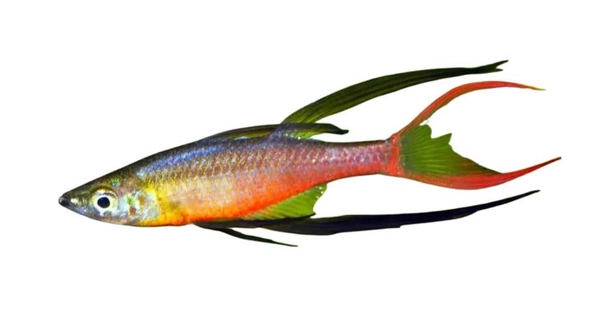
Have you ever admired the delicate beauty of Threadfin Rainbowfish and thought about creating the perfect home for them? Their graceful appearance and peaceful nature make them a lovely addition to freshwater aquariums for both new and experienced fish keepers.
Threadfin Rainbowfish need at least a 15 to 20-gallon tank to thrive. This size provides enough swimming space, maintains stable water conditions, and supports their active schooling behavior, ensuring a healthy and stress-free environment.
Learning the proper tank size is just the first step, as water quality, companions, and overall care also play important roles.
Choosing the Right Tank Size
Threadfin Rainbowfish are small and peaceful, but they still need space to swim freely. A 15 to 20-gallon tank is usually recommended for a small group. This size helps maintain stable water conditions, which are very important for their health. Since these fish are schooling species, they should be kept in groups of at least six. A smaller group may cause stress and reduce their natural behavior. Extra space also allows you to add plants and decorations without making the tank feel crowded. A well-sized aquarium provides balance, comfort, and safety for these delicate fish.
A larger tank is always better because it allows for more stable water parameters and extra swimming space. It also makes the fish feel more secure when kept in groups, reducing stress and improving their health over time.
If your aquarium is too small, you may notice aggression, stress, or poor health in your Threadfin Rainbowfish. Limited space often results in water quality issues, making it harder to maintain a clean and safe environment. On the other hand, a properly sized tank encourages natural behaviors, brighter colors, and peaceful schooling. Providing the right space also creates opportunities to design a beautiful planted tank that complements their delicate fins. A well-thought-out aquarium ensures your Threadfin Rainbowfish thrive instead of simply surviving.
Tank Setup and Care
A good setup begins with live or artificial plants that offer hiding spots while leaving plenty of swimming space. Threadfin Rainbowfish feel more secure in a well-decorated tank.
These fish prefer soft, slightly acidic to neutral water, with temperatures between 75–82°F. A gentle filter is important since strong currents may overwhelm them. Floating plants help diffuse light, making the tank more comfortable. Tankmates should be peaceful, such as small rasboras or other rainbowfish species, to avoid stress. Feeding a varied diet of high-quality flakes, micro-pellets, and small live or frozen foods ensures proper nutrition. Regular maintenance, like partial water changes and cleaning, supports stable water parameters. Since they are sensitive to poor conditions, consistency in care matters greatly. A peaceful, planted environment encourages their graceful movements and natural schooling. When their needs are met, Threadfin Rainbowfish display stunning fin extensions and shimmering colors that make them a centerpiece of any freshwater aquarium.
Water Conditions for Threadfin Rainbowfish
Threadfin Rainbowfish thrive best in stable water conditions. The pH should remain between 6.0 and 7.5, with soft to moderately hard water. Regular testing and adjustments are important for keeping their environment safe and reducing health issues.
Maintaining temperature is equally important, with 75–82°F being the ideal range. Consistent temperatures help reduce stress and prevent illnesses. Using a reliable heater and thermometer ensures stability. Weekly partial water changes keep the water clean and reduce harmful waste buildup. Avoid sudden changes in pH, hardness, or temperature, as these fish are sensitive to fluctuations. A clean, stable environment allows them to thrive and display their natural beauty.
In addition to clean water and proper parameters, consider adding gentle aeration to maintain oxygen levels. Since they are small and delicate, they are more sensitive to poor conditions than hardier fish. Overfeeding should be avoided, as it causes ammonia spikes that harm their fins. Choosing a quality filter that provides light flow without overwhelming them ensures water remains fresh and stable. By keeping their water balanced, you’ll see healthier, more active fish that live longer and look brighter. Stable conditions are the foundation of a successful Threadfin Rainbowfish tank.
Feeding Threadfin Rainbowfish
Threadfin Rainbowfish need a balanced diet of small, high-quality foods. They enjoy flakes, micro-pellets, and live or frozen foods like daphnia, baby brine shrimp, and bloodworms. A varied diet ensures healthy growth and supports their natural colors.
Because of their small mouths, food should always be finely crushed or tiny in size. Feed them two to three times daily in small amounts, giving only what they can eat in a couple of minutes. Uneaten food should be removed to prevent poor water quality. Mixing live foods with dry options encourages activity and highlights their graceful movements. A diverse diet not only supports health but also enhances their shimmering fins, making them stand out in any aquarium. Regular feeding in moderation keeps them active and prevents bloating or waste buildup, ensuring they stay healthy and comfortable in their tank.
Tank Mates for Threadfin Rainbowfish
Threadfin Rainbowfish do best with peaceful, small species. Ideal companions include rasboras, small tetras, and other gentle rainbowfish. Avoid aggressive or fin-nipping fish, as they can stress Threadfins and damage their long, delicate fins.
Shrimp and snails also make safe companions. They help keep the aquarium clean while avoiding conflict with the fish. Maintaining a calm community ensures Threadfin Rainbowfish display natural schooling behavior, remain active, and show their best colors without stress from unsuitable tankmates.
Breeding Threadfin Rainbowfish
Breeding is possible in a well-maintained aquarium with slightly warmer water and plenty of plants. Males display brighter colors and fan out their long fins to attract females. Spawning usually occurs in the morning, with eggs scattered among plants. Since parents may eat the eggs, separating them helps increase survival. Fry need infusoria or very fine food at first, followed by baby brine shrimp as they grow. Consistent care, stable water conditions, and good nutrition are the keys to successful breeding and raising healthy fry.
Common Mistakes to Avoid
Overcrowding is a common mistake that causes stress, poor water quality, and health problems. Choosing a tank too small makes it difficult to maintain stable conditions and affects their natural schooling behavior. Proper space and stable care prevent these issues.
FAQ
How many Threadfin Rainbowfish should be kept together?
Threadfin Rainbowfish are schooling fish and should always be kept in groups of at least six. A group helps reduce stress and allows them to display natural behaviors. Keeping fewer may lead to shyness, stress, or weakened health over time. Larger groups in a suitable tank are even better.
What is the minimum tank size for Threadfin Rainbowfish?
The minimum tank size recommended is 15 gallons, though 20 gallons is better. A small group needs enough space to swim and school freely. Larger tanks also provide more stability in water parameters, reducing the chances of sudden fluctuations that can harm delicate fish.
Can Threadfin Rainbowfish live with bettas?
It is not the best idea. Bettas can be territorial and may nip the delicate fins of Threadfins. Even if the betta seems calm, stress can still occur. Instead, choose peaceful tankmates like rasboras, small tetras, or other gentle rainbowfish. Compatibility matters for stress-free aquariums.
Do Threadfin Rainbowfish need live plants?
Live plants are not required, but they are highly recommended. Plants provide shelter, reduce stress, and create natural spawning sites. They also improve water quality by absorbing excess nutrients. If live plants are not an option, artificial ones can still offer hiding spots and security.
What do Threadfin Rainbowfish eat?
They enjoy a varied diet of flakes, micro-pellets, and small live or frozen foods. Since they have tiny mouths, food must be small. Options like baby brine shrimp, daphnia, and bloodworms help them thrive. A balanced diet brings out brighter colors and improves overall health.
How long do Threadfin Rainbowfish live?
With proper care, they typically live between three and five years. Their lifespan depends on stable water conditions, a balanced diet, and a stress-free environment. A well-maintained tank and good tankmates greatly improve their chances of living toward the higher end of that range.
Do they require a filter?
Yes, a filter is important for maintaining water quality and stability. However, Threadfin Rainbowfish prefer gentle flow. A sponge filter or adjustable filter works well, as strong currents may stress them. Filters also provide helpful oxygenation, which supports their overall health and activity.
Are Threadfin Rainbowfish good for beginners?
They can be a good choice for beginners willing to pay attention to details. While they are peaceful and small, they are more sensitive than some hardy species. Stable water conditions, careful feeding, and proper tank size are important for success in keeping them healthy.
Do Threadfin Rainbowfish breed easily in home aquariums?
They can breed in aquariums if conditions are right. Males display their fins to attract females, and eggs are laid among plants. Since parents may eat eggs, breeders often separate them. Fry need very fine foods initially, then baby brine shrimp once they grow larger.
What temperature do Threadfin Rainbowfish prefer?
They thrive in water temperatures between 75–82°F. Stability is more important than the exact number. Using a reliable heater and thermometer prevents dangerous fluctuations. Consistent warmth helps them stay active, display bright colors, and avoid stress-related illnesses that often result from unstable conditions.
Can Threadfin Rainbowfish live alone?
No, they should not be kept alone. Being a schooling fish, they need the company of their own kind. A single fish often becomes stressed, hides more often, and shows duller colors. Groups encourage healthy behavior and create a livelier, more natural aquarium environment.
Are Threadfin Rainbowfish fin nippers?
No, they are very peaceful and do not nip fins. Instead, they are more likely to be victims of fin-nipping species. Their long, delicate fins can be easily damaged, which is why careful selection of tankmates is important to keep them safe and stress-free.
Do Threadfin Rainbowfish jump out of tanks?
Yes, they can jump if startled or stressed. A secure lid is important to prevent accidents. Even a small opening can lead to escapes. Providing plants and calm tankmates helps reduce their stress, lowering the chances of jumping, but a lid is still necessary.
How often should water be changed?
A weekly partial water change of about 25–30% is recommended. This helps remove waste and keep water parameters stable. Smaller, regular changes are safer than large, infrequent ones. Consistent care ensures your Threadfin Rainbowfish remain active, healthy, and show off their natural colors.
What colors do Threadfin Rainbowfish show?
They are known for shimmering silver bodies with subtle yellow and blue hues. Their most striking feature is the long, flowing fins, which males display during courtship. Healthy fish in proper conditions will show brighter colors, making them an eye-catching centerpiece in aquariums.
Are they sensitive to light?
Yes, bright lighting can sometimes make them feel exposed. Floating plants help diffuse harsh light and make the environment more comfortable. Moderate lighting combined with plants brings out their colors without creating stress, encouraging them to swim more freely throughout the tank.
Can Threadfin Rainbowfish live with shrimp?
Yes, they can live peacefully with shrimp, especially species like cherry or amano shrimp. Threadfins are too small to pose a threat. Shrimp also help keep the tank clean by eating algae and leftover food, making them beneficial tankmates in a planted aquarium.
Do Threadfin Rainbowfish need special care when moving tanks?
They should be acclimated slowly to avoid shock. Use the drip method or gradually mix tank water during transfer. Sudden changes in temperature or water chemistry can cause stress. Moving them gently and giving time to adjust helps ensure a smooth transition.
How can you tell males from females?
Males are usually more colorful and have longer, thread-like extensions on their fins. Females are smaller and less vibrant, with shorter fins. During breeding, males display more actively, making the differences between the sexes even easier to recognize.
Do Threadfin Rainbowfish get along with guppies?
Yes, they can coexist with guppies as long as the tank is large enough and not overcrowded. Both species are peaceful. Just ensure water parameters overlap and that food is small enough for Threadfins to eat comfortably without competition from faster guppies.
Final Thoughts
Threadfin Rainbowfish are delicate yet rewarding fish to keep in a home aquarium. Their graceful fins and shimmering colors make them a peaceful highlight in any freshwater setup. While they are small in size, they still require proper care and space to thrive. A tank of at least 15 to 20 gallons is best for maintaining stable water conditions, allowing them to school comfortably, and supporting their active behavior. Keeping them in groups is very important because they are social fish that rely on one another for security. When given the right environment, they display brighter colors and become more active, which is a sign of good health and well-being.
Caring for Threadfin Rainbowfish may seem slightly demanding compared to hardier species, but their needs are easy to meet once you understand the basics. Clean, stable water, a balanced diet, and the right tankmates form the foundation of keeping them happy. Live or artificial plants not only make the aquarium look beautiful but also give them security and natural spawning sites. Feeding them small, varied meals ensures they stay healthy while also preventing water quality issues from uneaten food. With attention to detail and steady care, these fish will reward you with their natural schooling behavior, graceful movements, and unique fin displays. Their peaceful temperament also makes them suitable for community tanks when paired with the right companions.
Keeping Threadfin Rainbowfish is not just about providing food and water; it is about creating an environment that mirrors their natural habitat as much as possible. From tank size and water parameters to feeding routines and breeding conditions, every small detail contributes to their overall quality of life. Owners who are patient and consistent in their care will find that these fish remain healthy, active, and vibrant. Whether you are starting with your first school of Threadfins or adding them to an established community, providing the correct setup makes all the difference. By focusing on stability and balance, you create a safe space where they can thrive rather than just survive. In the end, their beauty and calm presence are well worth the care you put into maintaining their aquarium.

Hello,
If you enjoy the content that we create, please consider saying a "Thank You!" by leaving a tip.
Every little bit helps us continue crafting quality advice that supports the health, happiness, and well-being of pets around the world, for pets of all shapes, sizes, and species.
We really appreciate the kindness and support that you show us!