
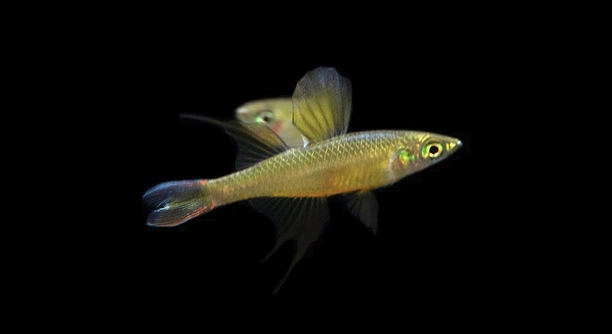
Have you ever noticed your threadfin rainbowfish looking dull despite regular feeding and a clean tank? Observing their vibrant colors fade can be frustrating, especially when you want your aquarium to truly shine with life.
Certain foods have been scientifically proven to enhance the natural coloration of threadfin rainbowfish. Providing a diet rich in carotenoids, high-quality protein, and specific vitamins supports pigment development, improves overall health, and intensifies the fish’s vivid hues over time.
Choosing the right combination of foods can make a noticeable difference, giving your fish the bright, lively appearance every aquarist hopes to achieve.
Krill
Krill is a staple in enhancing the colors of threadfin rainbowfish. These tiny crustaceans are packed with natural pigments called carotenoids, which directly influence the intensity of reds and oranges in the fish. Feeding krill regularly helps maintain their vibrant scales while also providing essential protein for growth and energy. Most aquarists prefer frozen or dried krill, as it preserves nutrients well and is easy to store. Live krill can be offered occasionally to encourage natural hunting behaviors, which also improves overall activity levels. A mix of krill with other foods ensures a balanced diet, avoiding overreliance on one source. Quality matters; selecting krill with minimal additives or preservatives will prevent digestive issues. Even small portions of krill can have a noticeable effect, especially when combined with other pigment-rich foods. Overfeeding should be avoided, as excess protein can impact water quality. Rotating krill with other foods helps sustain long-term health.
Regular krill feeding enhances color vibrancy while supporting energy levels and protein intake for overall fish health.
Krill works best when integrated into a varied diet. Pairing it with vegetables like spinach or spirulina ensures that fish receive both carotenoids and essential vitamins. Over time, consistent feeding leads to brighter reds and oranges, making the aquarium more visually striking. Fish tend to respond positively to this diet, showing more active and engaging behavior, which can be rewarding for observation. It also strengthens their immune system, reducing susceptibility to common illnesses. Combining krill with occasional live foods keeps feeding stimulating and prevents boredom. Proper portion control ensures water remains clean, maintaining a stable environment. For optimal results, introduce krill gradually and monitor fish responses, adjusting quantities as needed. This approach guarantees sustained coloration and overall well-being while keeping the aquarium balanced and healthy.
Spirulina
Spirulina is a natural algae supplement that boosts pigmentation in threadfin rainbowfish. Its high content of beta-carotene and phycocyanin enhances reds and blues in the scales.
In addition to coloring, spirulina strengthens the immune system and improves digestive health, making it a valuable staple in daily feeding routines.
Regular spirulina inclusion results in more vivid colors and smoother scale appearance. Mixing it with other protein-rich foods ensures balanced nutrition while keeping fish active and healthy. Consistency is key for noticeable long-term benefits.
Would you like me to continue with the next foods in the same format?
Bloodworms
Bloodworms are an excellent source of protein and natural pigments for threadfin rainbowfish. Their high carotenoid content helps enhance red and pink tones, making the fish appear brighter and more vivid. Regular feeding supports both coloration and overall energy levels.
Offering bloodworms a few times a week prevents overfeeding while still providing noticeable color improvement. Frozen or freeze-dried forms are convenient and maintain nutrients effectively. Live bloodworms can be given occasionally to encourage natural hunting behaviors. These worms also provide variety, keeping the fish interested in their diet. Monitoring portion size ensures the aquarium water remains clean and stable. Consistency in feeding bloodworms alongside other nutrient-rich foods leads to sustained color enhancement and healthier, more active fish in the long term.
Bloodworms should be part of a balanced diet. Combining them with vegetable-based foods or spirulina provides additional vitamins and minerals, supporting immune function and growth. Regular rotation prevents dietary monotony. Over time, the reds and pinks on the scales become deeper and more vivid. Active feeding behavior improves when bloodworms are offered live, making the fish more engaged and lively. This combination of nutrition and stimulation results in healthier, more colorful threadfin rainbowfish that display their full natural beauty in the aquarium environment.
Daphnia
Daphnia is rich in essential nutrients and carotenoids, helping threadfin rainbowfish maintain vibrant colors while supporting digestion and overall health. Its small size makes it easy for fish to consume efficiently.
Including daphnia in regular feeding routines enhances coloration and promotes active swimming behavior. It is best offered in moderation to prevent water quality issues and combined with other foods for balanced nutrition. Frozen, live, or freeze-dried daphnia can be used depending on convenience and fish response. Regular feeding schedules help ensure consistent benefits for pigment development and vitality.
Daphnia encourages natural hunting instincts, keeping fish mentally stimulated and physically active. Its high fiber content aids digestion and prevents constipation, contributing to long-term health. Feeding daphnia alongside protein-rich foods like krill or bloodworms creates a diverse diet that supports both growth and color enhancement. Gradual introduction allows fish to adjust and reduces the risk of overfeeding. Over time, fish fed daphnia consistently show brighter scales and stronger body condition, reflecting improved well-being and pigmentation in a stable aquarium environment.
Brine Shrimp
Brine shrimp are nutrient-dense and rich in natural pigments that help threadfin rainbowfish display brighter colors. They provide high-quality protein, supporting both growth and energy levels in active fish.
Live or frozen brine shrimp can be added several times a week. Their natural movement stimulates hunting instincts, encouraging more active swimming and engagement in the aquarium.
Carrots
Carrots are a simple vegetable source rich in beta-carotene, which enhances orange and red tones in threadfin rainbowfish. Regular feeding improves scale brightness and overall health.
Including finely grated or pureed carrots in the diet provides essential vitamins that support immune function. Combined with protein-rich foods, carrots ensure balanced nutrition while promoting vivid coloration.
Peas
Peas are effective in improving digestion and preventing constipation in threadfin rainbowfish. They are easy to prepare and provide fiber while being gentle on the digestive system.
Regularly adding shelled, softened peas to the diet helps maintain intestinal health, supporting better nutrient absorption from other pigment-enhancing foods.
FAQ
How often should I feed pigment-enhancing foods to threadfin rainbowfish?
Feeding pigment-rich foods like krill, bloodworms, and spirulina two to three times a week is sufficient. Overfeeding can harm water quality and lead to health issues. A balanced rotation with staple flakes or pellets ensures proper nutrition without overwhelming the fish.
Can I rely only on one type of food for color enhancement?
No, using only one food may provide limited nutrients and could cause imbalances. Combining several foods with carotenoids, protein, and vitamins maximizes color development while supporting overall health and growth. Variety also keeps fish active and engaged.
Are live foods necessary for vibrant colors?
Live foods are not strictly necessary but can be highly effective. They stimulate natural hunting behavior, increase activity, and often enhance appetite, which helps the fish absorb more nutrients. Frozen or freeze-dried alternatives can also provide similar benefits if fed correctly.
Do vegetables like peas and carrots really improve coloration?
Yes, vegetables are rich in beta-carotene and other pigments that contribute to red and orange tones. They also provide fiber and vitamins, aiding digestion and overall health. Preparing them finely or pureed ensures fish can eat them easily without causing stress.
How long does it take to notice color improvement?
Noticeable changes usually appear within two to six weeks, depending on the fish’s age, health, and diet consistency. Younger fish may respond faster, while older or stressed fish might take longer to show visible changes in scale vibrancy.
Is spirulina safe for daily feeding?
Spirulina can be fed daily in small amounts. It is nutrient-dense, supporting pigmentation, immune health, and digestion. However, moderation is key. Overfeeding may lead to excess waste in the tank, affecting water quality and potentially harming the fish.
Should I use supplements in addition to natural foods?
Supplements can be helpful if the fish’s diet lacks variety, but they are not always necessary. High-quality flake foods, pellets, and natural pigment-rich foods often provide sufficient nutrients. Supplements should complement, not replace, a balanced diet.
Can diet alone maintain vibrant colors?
Diet is critical but not the only factor. Water quality, lighting, tank environment, and stress levels also affect coloration. Even the best diet will be less effective if the fish is stressed, overcrowded, or living in poor water conditions.
Are there any foods to avoid for threadfin rainbowfish?
Avoid foods with excessive fillers, artificial colors, or preservatives. These can interfere with natural pigmentation and may cause digestive issues. Stick to high-quality, nutrient-rich foods to promote both health and coloration.
How do I prepare frozen or dried foods?
Thaw frozen foods properly and rinse if needed to remove preservatives. For dried foods, soak briefly in tank water to make them easier to eat. Proper preparation ensures maximum nutrient retention and prevents digestive problems.
Can overfeeding pigment-rich foods harm my fish?
Yes, overfeeding can cause obesity, poor water quality, and digestive issues. Follow recommended portion sizes and frequency, combining pigment-rich foods with staples to maintain a balanced diet and a healthy tank environment.
Do color-enhancing foods affect fish behavior?
Yes, many pigment-rich foods, especially live or moving options like brine shrimp and bloodworms, stimulate natural hunting behavior. Active feeding improves physical fitness, reduces boredom, and supports overall vitality, making the fish more visually appealing and lively.
How do I balance pigment foods with regular diet?
Feed pigment-enhancing foods as supplements, not replacements. Use them a few times per week alongside high-quality flakes or pellets. A balanced diet ensures proper nutrition, supports growth, and enhances coloration without stressing the fish or degrading water quality.
Is it necessary to adjust lighting when feeding color-enhancing foods?
Lighting can improve how colors appear but does not replace the need for proper diet. Natural or aquarium-appropriate lighting combined with nutrient-rich foods helps threadfin rainbowfish display their true colors more effectively.
Can stress affect color development despite a good diet?
Yes, stress from overcrowding, poor water quality, or sudden changes can dull colors. Even with the best diet, fish will not display their full vibrancy if they are stressed. Maintaining a stable, clean environment is as important as nutrition.
Final Thoughts
Maintaining vibrant colors in threadfin rainbowfish relies heavily on a well-rounded diet. Incorporating foods rich in carotenoids, like krill, bloodworms, and spirulina, helps enhance red, orange, and blue tones naturally. Protein sources such as brine shrimp and daphnia support growth and energy, keeping the fish active and healthy. Vegetables like carrots and peas provide essential vitamins and fiber, improving digestion and overall well-being. A consistent feeding schedule that balances these nutrient-rich foods with high-quality flakes or pellets ensures that the fish receive all necessary nutrients. It is important to rotate the types of foods to prevent monotony and to maximize the effect of pigment-enhancing ingredients over time. By paying attention to portion sizes and feeding frequency, you can avoid overfeeding and maintain clean water conditions, which also play a key role in overall fish health.
In addition to diet, the environment has a significant influence on how colors develop and display. Proper lighting enhances natural pigmentation, making reds, blues, and other hues more noticeable. Maintaining clean water, stable temperature, and minimal stress is equally important, as stress or poor water quality can dull even the most vibrant colors. Live foods, while optional, can stimulate natural hunting behaviors and encourage more active swimming, which improves both fitness and coloration. Even minor adjustments, such as ensuring the right tank setup and providing hiding spaces, contribute to healthier, more colorful fish. Combining a thoughtful diet with a stable environment supports the natural beauty of threadfin rainbowfish while also promoting long-term health and vitality.
Patience is essential when working to bring out the best coloration in your fish. Visible improvements may take several weeks, depending on the age and condition of the fish, as well as the consistency of feeding and care. Younger fish tend to show results more quickly, while older fish may require longer periods to display brighter tones. Regular observation is useful to assess how the fish respond to diet and environmental adjustments, allowing for small changes as needed. Over time, careful attention to nutrition, tank maintenance, and feeding routines will result in healthier, more vibrant fish that display their full natural beauty. By focusing on both diet and environment, you ensure that your threadfin rainbowfish thrive in a stable, visually appealing aquarium while maintaining their long-term health.

Hello,
If you enjoy the content that we create, please consider saying a "Thank You!" by leaving a tip.
Every little bit helps us continue crafting quality advice that supports the health, happiness, and well-being of pets around the world, for pets of all shapes, sizes, and species.
We really appreciate the kindness and support that you show us!