
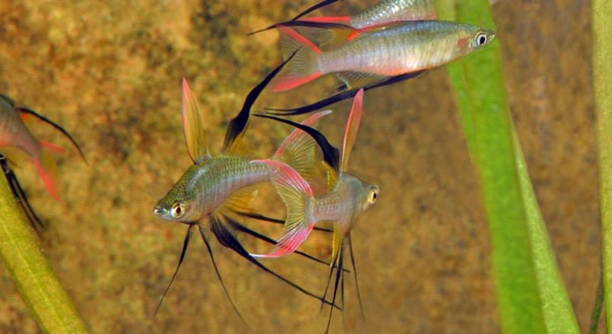
Are your threadfin schools thriving or struggling in their aquatic environment? Maintaining a balanced school is essential for fish health and harmony. Observing their behavior, interactions, and physical condition can reveal important clues about their overall stability.
A well-balanced threadfin school exhibits consistent swimming patterns, minimal aggression, and uniform growth among individuals. Balanced social structures and resource distribution reduce stress, promote healthy development, and ensure long-term sustainability within the aquarium or natural habitat.
Understanding these subtle indicators can help you maintain a harmonious school. Paying attention to these details ensures your threadfins remain healthy, active, and well-adjusted in their environment.
Consistent Swimming Patterns
Threadfins in a well-balanced school move together in a coordinated and fluid manner. Each fish responds quickly to changes in direction, maintaining proper spacing without crowding or isolating others. Disruptions in swimming patterns, such as lagging behind or darting erratically, often indicate stress or imbalance. Observing their movement daily can provide insights into both physical health and social dynamics. It is important to note that younger or newly introduced fish may take a few days to synchronize with established members. Feeding times often reveal natural swimming tendencies, as fish that are well-integrated position themselves evenly rather than aggressively competing. Lighting, water flow, and tank layout can influence swimming behavior, so adjustments may be necessary to encourage harmony. Regular monitoring allows early detection of potential issues. Over time, consistent patterns demonstrate that the school functions as a cohesive unit, reducing stress and improving overall vitality.
Balanced swimming indicates proper health and social structure, which supports growth and reduces aggressive behavior among the school.
Maintaining this balance requires careful observation and minor adjustments. Positioning of decorations, hiding spots, and feeding locations can influence how fish interact. If certain individuals are consistently isolated, consider re-evaluating tank conditions or compatibility. Consistency in water quality, temperature, and oxygenation supports natural swimming patterns, preventing stress-related behaviors. Tracking progress over several weeks ensures that changes are lasting rather than temporary. Additionally, integrating compatible species should be gradual to avoid disrupting established patterns.
Minimal Aggression
A low-aggression environment indicates that the school members are well-balanced. Aggressive interactions are rare and quickly resolved.
Aggression in threadfins can manifest through chasing, nipping, or dominating access to food. Frequent conflicts suggest competition for resources or dominance issues. Addressing aggression requires observing triggers, such as overcrowding, limited hiding spots, or uneven food distribution. Providing sufficient space and structured feeding can reduce tension, allowing fish to establish natural hierarchies without harming each other.
Ensuring minimal aggression strengthens the cohesion of the school. Fish that feel safe and secure swim more predictably and interact positively with others. Adjustments in tank arrangement, including the addition of plants or barriers, help diffuse conflicts. Monitoring aggressive tendencies allows for timely interventions, preventing injury or stress. Environmental stability, combined with careful stocking, ensures that the school remains harmonious. Even subtle signs of aggression should be addressed, as chronic stress can weaken immunity, stunt growth, and reduce lifespan. By maintaining a calm and balanced environment, you create conditions for threadfins to thrive naturally and sustain healthy social interactions.
Uniform Size and Growth
Threadfins within a balanced school show minimal size variation. Each fish grows steadily without lagging behind or dominating the others, indicating proper nutrition and reduced competition.
Uniform growth reflects consistent access to food and a healthy environment. Fish that are significantly smaller may struggle to compete or face stress from aggression. Monitoring feeding routines ensures each individual receives sufficient nutrition. Water quality, tank space, and proper filtration contribute to steady development. Gradual adjustments in diet, such as supplementing with high-protein or specialized feeds, help maintain uniformity. Overcrowding can cause stunted growth, so stocking density should be carefully managed. Regular measurements or visual checks allow early detection of growth disparities. When size differences are addressed promptly, the school maintains balance and harmony, supporting both physical health and social cohesion.
Balanced growth also indicates that environmental conditions are stable. Consistent temperature, oxygen levels, and clean water prevent stress that could slow development. Regular observation allows timely interventions.
Consistent size across the school promotes even social interactions. Fish of similar size compete less aggressively and maintain predictable swimming patterns. This balance also reduces stress, improves feeding efficiency, and ensures long-term vitality. Minor size differences are normal, but major discrepancies can signal underlying issues, which can be addressed through diet adjustments, careful introduction of new fish, and proper tank management. A school with uniform growth is more resilient and adaptable to changes in its environment, ensuring that all members thrive together without dominance conflicts or nutritional gaps.
Active Feeding Behavior
Healthy threadfins show eagerness during feeding, moving quickly and efficiently to consume food without excessive competition.
Active feeding demonstrates both physical vitality and a stable social structure. Fish that are lethargic or consistently outcompeted may indicate stress, illness, or imbalance within the school. Observing feeding behavior allows early detection of problems. Providing multiple feeding points can ensure all fish receive adequate nutrition. It also reduces aggressive interactions and promotes fairness in food distribution. Over time, consistent feeding activity reflects a harmonious and well-adjusted school, where individuals are neither stressed nor deprived.
Monitoring feeding activity is crucial for maintaining long-term health. Fish that consistently eat well maintain steady growth, strong immune systems, and predictable swimming patterns. Variations in appetite may signal water quality issues, illness, or social stress. Adjusting feeding techniques, such as offering smaller portions more frequently, can prevent dominant fish from monopolizing food. It also encourages weaker or slower individuals to feed without fear. Consistent observation of feeding behavior, paired with proper diet and environmental management, supports overall school balance. By addressing minor issues promptly, the school remains healthy, active, and cohesive, ensuring that all threadfins thrive in their habitat.
Even Distribution in the Tank
Threadfins in a well-balanced school spread evenly throughout the tank, avoiding overcrowding in one area. This indicates comfort with their environment and minimal territorial disputes.
Even distribution ensures that all fish have access to resources, including food and hiding spots. Clumping often signals stress, poor water conditions, or dominance behavior.
Calm Resting Behavior
During resting periods, threadfins remain calm and maintain their position without sudden darting or panic movements. This behavior shows they feel secure and well-adjusted. Consistent calmness indicates that environmental conditions, such as lighting, water flow, and tank layout, support their natural habits and social balance.
Healthy Fins and Appearance
Threadfins in a balanced school display clean, intact fins and bright coloration. Lack of nips, tears, or discoloration reflects low stress levels and minimal aggression.
Cooperative Social Interaction
Balanced schools show cooperative behaviors, including synchronized swimming, mutual cleaning, and coordinated movement. These interactions demonstrate stable social hierarchy and reduced competition, reinforcing overall health and harmony within the group.
FAQ
How can I tell if my threadfin school is stressed?
Stress in threadfins can show in multiple ways. Look for erratic swimming, clumping, hiding excessively, or reduced appetite. Fins may appear frayed, and coloration can fade. Consistent observation helps identify subtle signs before they develop into serious health issues. Maintaining stable water conditions and proper stocking levels reduces stress and promotes a well-balanced school.
What should I do if some fish are smaller than others?
Minor size differences are normal, but consistent lagging growth can indicate nutritional gaps or stress. Ensure even food distribution, provide high-quality feed, and observe interactions during feeding times. Separating weaker or smaller fish temporarily may help them catch up without being outcompeted. Regular monitoring of growth ensures long-term school balance.
How often should I monitor water conditions?
Water quality is critical for threadfins. Test parameters such as temperature, pH, ammonia, nitrites, and nitrates at least weekly. Consistent filtration, regular water changes, and proper aeration maintain an environment that supports balanced swimming, healthy feeding behavior, and overall fish vitality. Prompt correction of imbalances prevents stress-related issues.
Can aggression be completely eliminated?
Aggression cannot be entirely removed, as some natural hierarchy is necessary. However, providing adequate space, hiding spots, and multiple feeding areas reduces dominance conflicts. Observing which fish are frequently aggressive helps identify environmental or social triggers. Adjustments to tank layout and stocking density maintain harmony and minimize harmful behavior.
How do I encourage uniform growth among all fish?
Uniform growth relies on proper nutrition, minimal stress, and a stable environment. Offer a balanced diet rich in proteins and nutrients suitable for threadfins. Ensure smaller or weaker fish have access to food by distributing it in multiple locations. Monitor growth regularly and adjust feeding practices as needed to maintain even development across the school.
What is the best way to introduce new fish to an established school?
Introduce new threadfins slowly using a quarantine tank or divider. Gradual acclimation reduces stress and allows existing fish to adjust to newcomers. Observe behavior during the introduction to prevent bullying or excessive aggression. Proper timing and careful monitoring help maintain balance without disrupting the established social structure.
How important is tank layout for a balanced school?
Tank layout directly affects fish behavior. Provide open swimming areas alongside plants or structures for hiding. Adequate spacing prevents overcrowding and dominance conflicts, encouraging calm swimming and even distribution. Adjust decorations or flow patterns if certain areas are consistently overpopulated or avoided. Environmental stability supports social cohesion and healthy growth.
Why do some fish hide while others swim freely?
Hiding behavior can indicate stress, intimidation, or sensitivity to light and water flow. While occasional resting is normal, persistent hiding may signal social imbalance or health concerns. Ensure hiding spots are available for all fish and observe interactions to identify if certain individuals are being outcompeted or bullied.
How do I maintain long-term harmony in my threadfin school?
Consistent monitoring of water quality, feeding, and behavior is key. Address aggression, uneven growth, or clumping promptly. Maintain stable environmental conditions and provide adequate space, hiding spots, and feeding points. Periodic observation ensures that the school remains healthy, active, and socially balanced over time. Regular adjustments support resilience and reduce stress.
What signs indicate a school is truly well-balanced?
A well-balanced threadfin school displays even swimming patterns, uniform growth, minimal aggression, active feeding, calm resting behavior, healthy fins, and cooperative interactions. Fish are evenly distributed, stress levels are low, and all individuals have access to resources. Observing these behaviors consistently shows that the school thrives in a stable and harmonious environment.
This FAQ addresses common concerns, helping maintain a thriving threadfin school. Consistent care, careful observation, and timely adjustments ensure that all fish remain healthy, active, and socially balanced. Understanding these factors supports both immediate and long-term wellbeing in your aquarium.
Maintaining a well-balanced threadfin school requires careful attention to both the social and physical environment of the fish. Observing their daily behaviors, such as swimming patterns, feeding habits, and interactions, provides important insights into the health of the school. Fish that swim together in a coordinated manner, feed actively without excessive competition, and display minimal aggression generally indicate a stable social structure. Paying attention to these details helps prevent problems before they escalate, such as stress, disease, or stunted growth. Ensuring that all fish have access to adequate space, hiding spots, and feeding areas contributes to harmony within the group. Environmental factors, including water quality, temperature, and filtration, also play a critical role in supporting balance. Consistent care and monitoring allow for early detection of any issues, which is essential for long-term stability. By observing the subtleties of behavior and making small adjustments as needed, a threadfin school can thrive naturally without excessive intervention.
Uniform growth and proper nutrition are key indicators of a balanced school. Fish that grow at similar rates and maintain bright coloration typically receive enough food and experience low stress. Uneven growth may suggest that certain individuals are being outcompeted or are under stress from environmental factors. Providing high-quality food and distributing it evenly throughout the tank ensures that all fish receive proper nutrition. Occasional checks on size and development allow timely intervention if some fish fall behind. Similarly, maintaining clean water, proper oxygenation, and stable temperature levels promotes steady growth and reduces the risk of disease. Overcrowding can lead to stress and aggressive behavior, so monitoring stocking density is also important. When growth and health are consistent, fish interact more predictably, feed more efficiently, and swim more smoothly, which further reinforces the balance of the school. Ensuring these conditions consistently over time builds a strong foundation for a healthy and harmonious aquatic environment.
Finally, a well-balanced threadfin school reflects careful and consistent care. Attention to social dynamics, feeding practices, and environmental conditions allows the fish to establish stable hierarchies and reduce conflicts. Observing behaviors such as cooperative swimming, calm resting periods, and healthy appearance confirms that the school is thriving. Maintaining balance is not a one-time effort but a continuous process that involves adjusting tank conditions, monitoring fish health, and responding to subtle changes in behavior. Providing a stable and well-maintained environment allows threadfins to exhibit natural behaviors, grow steadily, and interact positively. By remaining attentive and proactive, you can ensure that your threadfin school remains healthy, active, and harmonious for the long term. Consistency in care and observation creates an environment where all fish have the opportunity to thrive together, fostering a well-balanced and resilient school that continues to flourish.

Hello,
If you enjoy the content that we create, please consider saying a "Thank You!" by leaving a tip.
Every little bit helps us continue crafting quality advice that supports the health, happiness, and well-being of pets around the world, for pets of all shapes, sizes, and species.
We really appreciate the kindness and support that you show us!