
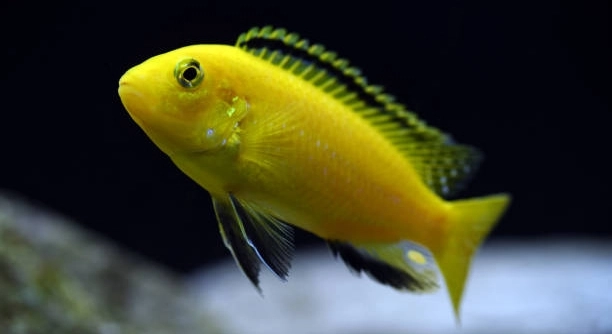
African cichlids are colorful, active fish that many aquarium hobbyists enjoy keeping. However, their care requires attention to tank size, as these fish need enough space to thrive and avoid stress. Proper tank size is key to a healthy environment.
A tank smaller than 30 gallons is generally too small for most African cichlids due to their territorial behavior and swimming needs. Small tanks can lead to aggression, poor water quality, and stunted growth, which negatively impact their health and lifespan.
Knowing the right tank size helps prevent common problems and promotes the well-being of your cichlids. This article explains how to choose a suitable tank and why size matters.
Why Tank Size Matters for African Cichlids
Choosing the right tank size is essential because African cichlids are highly territorial fish. When kept in a tank that is too small, they tend to become aggressive toward each other. This aggression leads to stress, which can weaken their immune systems and make them more vulnerable to disease. Additionally, small tanks make it difficult to maintain stable water conditions. African cichlids produce a significant amount of waste, and in a smaller tank, toxins build up quickly. Frequent water changes become necessary but can be challenging to keep up with. Larger tanks provide more space for each fish to establish territory and swim freely. This reduces conflicts and helps maintain better water quality. Moreover, a bigger tank allows for a more natural environment with hiding spots and plants, which helps cichlids feel secure. Overall, tank size directly affects their health, behavior, and longevity.
Smaller tanks require more frequent maintenance and increase stress levels in African cichlids. This can shorten their lifespan and lead to constant health issues.
Proper tank size supports stable water parameters and healthier fish. It also allows room for decorations that reduce aggression by offering hiding places and visual barriers.
Minimum Tank Size Recommendations
A minimum tank size of 30 gallons is recommended for most African cichlid species, but this depends on the number and size of the fish. Larger species and groups require tanks of 55 gallons or more. Overstocking smaller tanks increases aggression and competition for space. Inadequate room leads to frequent fights and injuries, which can cause infections. When starting with juveniles, planning for their adult size is important to avoid rehoming or upgrading tanks repeatedly. Additionally, taller tanks offer more swimming space but may not provide enough horizontal territory, which cichlids prefer. Considering the species’ behavior and social structure helps determine the best tank dimensions. It is better to invest in a larger tank from the beginning to provide a stable and healthy environment for your fish.
Planning tank size carefully ensures a balanced community and reduces aggression-related problems.
Proper tank size helps create a peaceful environment, supports natural behaviors, and improves the overall health of African cichlids.
Common Problems in Small Tanks
Small tanks often lead to poor water quality because waste accumulates faster than filtration can handle it. This creates toxic conditions that harm African cichlids. Overcrowding in limited space also causes stress and aggressive behavior among fish.
When tank size is too small, cichlids become territorial and aggressive. The lack of space forces them into constant competition for territory, increasing the risk of injuries and stress. Injuries can become infected easily in poor water conditions. Stress weakens the immune system, making fish more susceptible to diseases. Additionally, small tanks limit swimming space, which restricts their natural behavior and growth. Overcrowded tanks can also cause oxygen depletion and fluctuations in temperature, further stressing the fish. These factors combined often lead to shortened lifespans and reduced vitality.
Maintaining a small tank is difficult due to the need for constant water changes and monitoring. Without enough space, even minor mistakes quickly become dangerous. Larger tanks provide more stable conditions, reducing the risk of illness and aggression.
How to Choose the Right Tank Size
The number and species of African cichlids dictate the ideal tank size. Generally, at least 30 gallons are needed for a small group, with 55 gallons or more for larger groups or bigger species.
Carefully assessing how many fish you plan to keep and their adult size helps determine tank size. Different cichlid species have varying territorial behaviors, so choosing compatible species also matters. For example, some species are more aggressive and need more space, while others tolerate closer quarters. Planning ahead avoids overcrowding and costly tank upgrades. A larger tank helps maintain stable water conditions, reduces conflicts, and allows for natural behavior. Proper decoration, such as rocks and caves, improves territory boundaries and reduces aggression. Balancing tank size with fish number and species creates a healthier environment for African cichlids.
Impact of Overcrowding
Overcrowding leads to increased aggression and stress among African cichlids. Limited space forces fish into frequent territorial disputes, which can cause injury and weaken their immune systems.
High fish density also affects water quality. Waste builds up quickly, increasing toxins and reducing oxygen levels. This creates a harmful environment for all tank inhabitants.
Importance of Filtration
Strong filtration is essential for maintaining water quality in tanks with African cichlids. These fish produce a large amount of waste that can quickly pollute the water if not properly filtered.
A good filter helps remove toxins and maintain stable water parameters. It supports beneficial bacteria that break down harmful substances, keeping the tank healthier and reducing the frequency of water changes.
Effects of Stress on Cichlids
Stress from poor tank conditions can weaken African cichlids’ immune systems. This makes them more vulnerable to diseases and infections, leading to poor health and shorter lifespans.
Providing adequate space, hiding places, and stable water conditions helps reduce stress and promotes stronger, healthier fish.
FAQ
What is the smallest tank size I can use for African cichlids?
The smallest recommended tank size for African cichlids is usually 30 gallons. This allows enough space for a small group and helps reduce aggression. Smaller tanks do not provide enough room for territory or proper swimming, leading to stress and health issues.
Can African cichlids live happily in a 20-gallon tank?
A 20-gallon tank is generally too small for most African cichlids. Their territorial behavior and waste production require more space. Keeping them in a 20-gallon tank often results in aggression, poor water quality, and stunted growth. It is better to wait until you can provide at least 30 gallons.
How many African cichlids can I keep in a 30-gallon tank?
You can keep around 4 to 6 smaller African cichlids in a 30-gallon tank, depending on species and behavior. Overstocking increases stress and fights. It is important to provide hiding spots and decorations to reduce aggression.
Does tank shape matter for African cichlids?
Yes, tank shape matters. African cichlids prefer tanks with more horizontal swimming space rather than tall, narrow tanks. Horizontal space allows them to establish territories and swim naturally. A tank that is wide and long usually works best.
How often should I clean the tank if it is on the smaller side?
In smaller tanks, frequent water changes are necessary—usually 25-30% weekly. This helps keep toxins low and water quality stable. Smaller volumes of water are more prone to rapid changes, so maintenance must be consistent.
Can filtration make up for a small tank?
Good filtration helps but does not fully compensate for a small tank size. Filtration controls waste and toxins but cannot provide enough space or reduce territorial stress. A larger tank is always better to meet the needs of African cichlids.
What signs show that the tank is too small?
Signs include increased aggression, constant chasing or fighting, faded colors, loss of appetite, and poor growth. Frequent illness and stress behaviors like hiding or rapid breathing also indicate inadequate space.
Are there African cichlid species that need smaller tanks?
Most African cichlids need at least 30 gallons, but some dwarf species can do well in tanks as small as 20 gallons. However, these species are less common and still require careful monitoring to prevent aggression.
How important are decorations and hiding places in the tank?
Decorations and hiding places are very important. Rocks, caves, and plants help break sight lines and give fish places to retreat. This reduces aggression by allowing cichlids to establish separate territories and feel secure.
Can I keep other fish with African cichlids in a small tank?
Mixing species in a small tank is not recommended because African cichlids are territorial. Other fish may be bullied or stressed. If tank size is limited, it’s safer to keep only cichlids that are compatible and provide plenty of space.
What happens if I upgrade my tank size later?
Upgrading to a larger tank improves water quality, reduces aggression, and supports healthier behavior. Fish often become less stressed and show brighter colors. Moving to a bigger tank is one of the best decisions for long-term cichlid care.
How do I plan tank size based on fish growth?
Plan tank size for the adult size of your cichlids, not juveniles. Research species size before buying. A larger tank ensures fish have space as they grow, avoiding the need for frequent upgrades and stress caused by overcrowding.
Is it okay to keep only one African cichlid in a small tank?
Keeping a single cichlid in a small tank can reduce aggression issues but may cause boredom or stress from lack of social interaction. These fish naturally live in groups, so providing companions in a larger tank is usually better.
What filtration system works best for African cichlids?
Canister filters or power filters with biological, mechanical, and chemical filtration are ideal. They provide strong flow and maintain clean, oxygen-rich water. The filter should handle at least double the tank’s volume per hour for best results.
Can overfeeding affect tank size requirements?
Yes, overfeeding increases waste and pollution, stressing filtration and water quality. Feeding only what the fish consume in a few minutes helps keep tanks cleaner and reduces the impact of smaller volumes of water.
How do I monitor water quality in smaller tanks?
Test water parameters like ammonia, nitrites, nitrates, pH, and temperature regularly using aquarium test kits. Monitoring helps catch problems early, especially in smaller tanks where conditions can change rapidly.
This FAQ covers the most common concerns about tank size and care for African cichlids. Proper space, filtration, and maintenance are crucial for their health and well-being.
Choosing the right tank size for African cichlids is essential for their health and happiness. These fish need enough space to swim freely and establish their own territories. When the tank is too small, it often leads to aggression and stress, which can harm the fish. Stress weakens their immune system, making them more likely to get sick. A larger tank helps provide a stable environment with better water quality and less fighting. This gives the cichlids room to grow and behave naturally, which improves their overall well-being.
Maintaining good water quality is one of the biggest challenges in smaller tanks. African cichlids produce a lot of waste, and in a small tank, toxins like ammonia and nitrites can build up quickly. This creates a harmful environment that can cause health problems or even death. A bigger tank has a larger volume of water that helps dilute waste and keeps conditions more stable. It also makes it easier to maintain clean water with less frequent changes. Investing in a quality filtration system is necessary, but it cannot replace the benefits of having enough space.
Planning ahead when choosing a tank size is important. It is best to base the tank size on the adult size of your cichlids and their social needs. Many people make the mistake of starting with a small tank and then having to upgrade as the fish grow. This can be stressful for both the fish and the owner. Providing enough room from the beginning avoids these problems. Adding decorations and hiding spots also helps reduce aggression by allowing fish to establish separate territories. Overall, a well-sized tank supports healthier fish, reduces stress, and makes caring for African cichlids easier and more rewarding.

Hello,
If you enjoy the content that we create, please consider saying a "Thank You!" by leaving a tip.
Every little bit helps us continue crafting quality advice that supports the health, happiness, and well-being of pets around the world, for pets of all shapes, sizes, and species.
We really appreciate the kindness and support that you show us!