
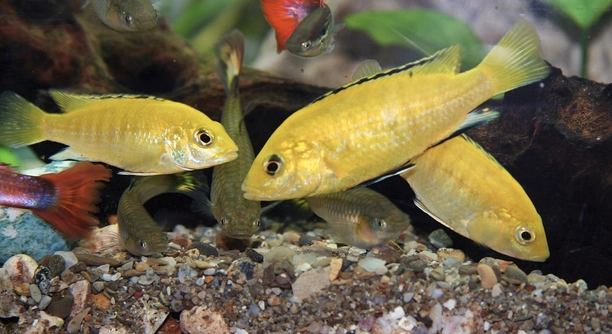
African cichlids are popular freshwater fish known for their vibrant colors and active behavior. Keeping them healthy can be a challenge due to various common illnesses that affect these species. Understanding these health issues is important for any cichlid keeper.
Seven common health problems frequently affect African cichlids, including ich, fin rot, swim bladder disorder, bloat, hole-in-the-head disease, fungal infections, and internal parasites. Each condition requires specific care and treatment to ensure the fish’s wellbeing and survival.
Recognizing these issues early helps maintain a healthy aquarium and promotes longer, happier lives for your cichlids. This guide will provide clear information about these common ailments and how to manage them.
Ich (White Spot Disease)
Ich is one of the most common health problems in African cichlids. It shows up as tiny white spots on the fish’s body and fins. These spots look like grains of salt stuck to the fish. The disease is caused by a parasite that attaches to the skin and gills, making the fish scratch against objects. If untreated, it can cause breathing problems and death. To treat ich, raising the water temperature slightly and using medications designed for parasites can be effective. It’s important to remove any activated carbon from the filter during treatment, as it can absorb medicine. Keeping the tank clean and avoiding sudden temperature changes helps prevent outbreaks. Quarantining new fish before adding them to the main tank can stop the parasite from spreading.
Ich can cause severe stress in fish, so quick action is essential. Early treatment increases the chances of recovery.
Proper tank care and observation are the best ways to protect your cichlids from ich. Regular water testing and maintaining stable temperatures can reduce risk. If you notice the white spots, act immediately with appropriate treatment to keep your fish healthy.
Fin Rot
Fin rot is a bacterial infection that affects the edges of the fins. It usually starts as small white or gray patches and can spread quickly if ignored. Poor water quality often leads to fin rot, making clean water essential. Damaged fins can leave fish vulnerable to other infections. Treatment involves improving water conditions and using antibacterial medications. Removing any aggressive tank mates can help reduce fin damage. Regular water changes and avoiding overcrowding are good prevention methods. Healthy diet and minimal stress also strengthen the fish’s immune system. Early signs include ragged or discolored fins, so keep an eye out. Proper fin care supports faster healing and better fish health.
Treating fin rot early prevents permanent fin damage. A clean environment and good diet improve recovery chances.
Watching your fish’s fins regularly can catch fin rot before it worsens. Consistent tank maintenance supports overall fish wellbeing and reduces fin rot risk.
Swim Bladder Disorder
Swim bladder disorder affects a fish’s ability to control its buoyancy. Affected cichlids may float awkwardly or sink to the bottom. Causes include overeating, constipation, or infections. It is important to monitor feeding habits to prevent this condition.
Treatment often involves fasting the fish for a few days and feeding peas to help clear the digestive system. Adjusting water quality and temperature may also support recovery. Infections can require antibiotics, so proper diagnosis is important. Avoid overfeeding and provide a balanced diet to reduce the risk. Keeping the tank clean and stable helps cichlids maintain healthy swim bladders.
Preventing swim bladder issues includes avoiding sudden diet changes and feeding easily digestible foods. Regular observation will help catch symptoms early, ensuring better outcomes for your fish.
Bloat
Bloat is a serious problem in African cichlids, often caused by bacterial infections or poor diet. Affected fish develop swollen bellies and may have trouble swimming. Immediate care is crucial to prevent death.
Treatment includes improving water quality, using antibiotics if needed, and fasting the fish to relieve stress on the digestive system. Feeding high-fiber foods like peas can aid recovery. Avoid overfeeding and maintain a varied diet to keep your fish healthy. Monitoring water parameters regularly helps prevent bloat from developing.
Early recognition and proper care can save your cichlids from the dangerous effects of bloat. Always keep an eye on behavior and physical changes to spot problems before they worsen.
Hole-in-the-Head Disease
Hole-in-the-head disease causes small pits or holes to appear on the fish’s head and face. It is often linked to poor water quality and nutritional deficiencies. Maintaining a clean tank and balanced diet is key to prevention.
Treating this disease involves improving water conditions and adding vitamins or supplements to the diet. Medications may be necessary in some cases. Regular monitoring can help catch symptoms early.
Fungal Infections
Fungal infections appear as white, cotton-like growths on the fish’s body or fins. These infections thrive in tanks with poor water quality or after injuries. Treatment usually includes antifungal medications and improved tank hygiene.
Keeping the tank clean and avoiding overcrowding helps reduce fungal infections. Quarantining new fish prevents spreading.
Internal Parasites
Internal parasites affect the digestive system and can cause weight loss, lethargy, and unusual feces. These parasites often enter through contaminated food or water. Treatment involves using anti-parasitic medications prescribed for aquarium fish.
Maintaining good water quality and proper feeding habits helps prevent parasite infestations.
What causes ich in African cichlids and how can I prevent it?
Ich is caused by a parasite that attaches to the fish’s skin and gills. It spreads quickly in tanks with poor water quality or stressed fish. To prevent ich, keep the aquarium clean, maintain stable water temperature, and avoid sudden changes. Quarantining new fish before introducing them to the main tank is also important. Regular water changes and avoiding overcrowding help reduce stress, which lowers the risk of ich outbreaks.
How do I recognize fin rot and what steps should I take?
Fin rot starts with ragged or discolored fin edges and can progress rapidly. Poor water quality is the main cause, so improving tank conditions is the first step. Use antibacterial treatments if necessary and remove aggressive fish that may damage fins. Regular water changes and a nutritious diet boost healing. Prevent fin rot by maintaining good hygiene and watching your fish’s fins regularly.
What are the common signs of swim bladder disorder?
Fish with swim bladder disorder often float uncontrollably, swim sideways, or sink to the tank bottom. Overfeeding and constipation are frequent causes. Sometimes infections or physical injury affect the swim bladder. Monitoring feeding habits and water quality can reduce the risk. Fasting and feeding peas help with mild cases, but infections may require medication.
How can I treat bloat in my cichlid?
Bloat causes swelling and difficulty swimming and can be deadly. Treatment includes improving water quality, fasting, and feeding fiber-rich foods like peas. If bacteria cause bloat, antibiotics may be needed. Avoid overfeeding and maintain a balanced diet to prevent bloat. Early detection is crucial for successful treatment.
What is hole-in-the-head disease and how is it treated?
Hole-in-the-head disease causes pits on the fish’s head and is linked to poor water quality and lack of essential nutrients. Treatment involves improving tank conditions, providing vitamin-rich food, and sometimes using medication. Regular water testing and good diet prevent this condition.
How do fungal infections develop in cichlids?
Fungal infections appear as white, cottony growths, often after injury or in dirty tanks. They thrive in poor water conditions. Treatment includes antifungal medication and better tank hygiene. Keeping tanks clean and avoiding overcrowding reduce risk.
What should I do if my cichlid has internal parasites?
Internal parasites cause weight loss, lethargy, and unusual feces. They often come from contaminated food or water. Treatment requires anti-parasitic medication. Good water quality and feeding habits help prevent parasites. Quarantine new fish to avoid spreading infections.
How important is quarantine for new fish?
Quarantine is very important to keep diseases out of your main tank. New fish can carry parasites or infections without showing symptoms. Isolating them for two to four weeks lets you observe and treat problems before introduction. This step protects your entire aquarium’s health.
Can diet affect my cichlid’s health?
Yes, diet plays a big role. Poor nutrition can weaken the immune system and cause diseases like hole-in-the-head and bloat. Feeding a varied, balanced diet rich in vitamins and fiber supports health. Avoid overfeeding and provide foods suitable for cichlids to keep them strong.
How often should I clean my aquarium to prevent diseases?
Regular cleaning is essential. Weekly water changes of 20-30% help maintain water quality. Clean filters monthly and remove uneaten food promptly. Keeping the tank clean prevents many common diseases and reduces stress, which supports overall fish health.
African cichlids are beautiful and lively fish that bring a lot of joy to many aquarium owners. However, they can face several health challenges that need attention to keep them thriving. Knowing the common health issues like ich, fin rot, swim bladder disorder, bloat, hole-in-the-head disease, fungal infections, and internal parasites is important. These problems can often be prevented or treated with proper care. Keeping the aquarium clean, maintaining good water quality, and providing a balanced diet are key steps. Regular observation of the fish can help catch early signs of illness before they become severe.
Taking care of African cichlids means being aware of their needs and acting quickly if problems arise. Many health issues start because of stress, poor water conditions, or improper feeding. Making sure that fish have a stable environment and the right nutrition can go a long way in avoiding these problems. When a disease does occur, following proper treatment methods without delay increases the chance of recovery. It is helpful to research and use the right medications when needed, and always follow instructions carefully. Also, quarantining new fish before adding them to the main tank helps keep your whole group safe from infections.
Overall, caring for African cichlids requires patience and attention. While health issues can be worrying, they are manageable with good knowledge and habits. Maintaining a clean tank, watching for changes in behavior or appearance, and feeding well will help your cichlids live longer and healthier lives. Being prepared and informed about common diseases means you can respond quickly and keep your aquarium a healthy place for your fish to thrive. Regular care and effort make all the difference in enjoying these beautiful fish for many years.

Hello,
If you enjoy the content that we create, please consider saying a "Thank You!" by leaving a tip.
Every little bit helps us continue crafting quality advice that supports the health, happiness, and well-being of pets around the world, for pets of all shapes, sizes, and species.
We really appreciate the kindness and support that you show us!