
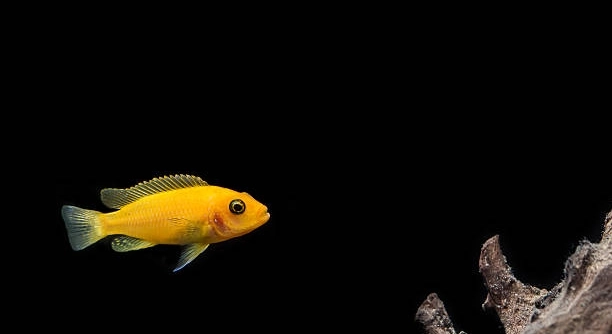
Moving cichlids to a new tank can be a stressful experience for both the fish and the owner. These vibrant fish need careful attention to settle into their new environment. Proper care during this transition is essential for their health and comfort.
Helping cichlids adjust involves maintaining stable water conditions, gradually introducing them to the tank, monitoring their behavior, and ensuring proper feeding routines. These steps reduce stress and promote a healthy acclimation to the new habitat.
Knowing how to support your cichlids through this adjustment will improve their wellbeing and help you enjoy a thriving aquarium. The following tips provide clear guidance for a smooth transition.
Prepare the Tank in Advance
Before bringing your cichlids home, make sure their new tank is fully set up. This means checking that the water parameters are stable—temperature, pH, and hardness should match their previous environment as closely as possible. Cycle the tank properly to establish beneficial bacteria that help break down waste. Add hiding spots with rocks or plants, as cichlids feel safer when they have places to retreat. Avoid adding too many decorations at once; keep the space comfortable but not overcrowded. Having a well-prepared tank reduces stress and helps the fish settle faster. It also prevents sudden changes that could shock your cichlids.
A well-prepared tank creates a familiar environment that encourages your cichlids to explore and adapt. Taking the time to get these details right will pay off in their health and behavior.
Setting up the tank beforehand takes some effort, but it avoids many common problems. Maintaining water conditions, adding shelter, and cycling the tank are simple steps that make a big difference. These preparations help your cichlids feel secure, reducing aggression and improving their appetite. When you introduce them to a stable, comfortable habitat, they adjust more quickly and show natural behaviors sooner. Keeping a routine for water changes and monitoring also supports their long-term wellbeing.
Introduce Cichlids Gradually
Start acclimating your cichlids slowly to the new tank water. Float the sealed bag in the tank for 15–20 minutes to equalize temperature. Then, gradually add small amounts of tank water to the bag over an hour. This helps your fish adjust to differences in water chemistry. Rapid changes in water conditions can cause shock or illness. After acclimation, gently release your cichlids into the tank, avoiding pouring water from the bag to prevent contamination.
Acclimation is essential to reduce stress and support your cichlids’ immune system. Taking your time during this process improves their chances of thriving in the new home.
Gradual introduction also allows your cichlids to get used to their surroundings in stages. They can adjust to temperature, pH, and other factors without feeling overwhelmed. This method lowers the risk of disease and behavioral problems. Watching them carefully during this period helps catch any signs of distress early. Offering food after acclimation can encourage eating and show that they are settling in well. Using a net to transfer them gently minimizes handling stress. Overall, this step is a critical part of helping your cichlids feel comfortable and safe.
Monitor Water Quality Closely
Maintaining clean, stable water is critical when your cichlids are new. Frequent checks help catch issues early, keeping the environment healthy. Test water parameters like ammonia, nitrite, and nitrate often during the first weeks.
Regular water testing ensures harmful substances don’t build up, which can stress or harm your cichlids. Early detection allows quick action, such as partial water changes, to maintain balance. Keep an eye on temperature and pH to avoid sudden shifts. Using a quality test kit simplifies this process and helps track trends over time. Clear water and stable conditions promote better health and reduce disease risk.
Changing about 20% of the water weekly supports stable conditions without shocking the fish. Avoid using strong chemicals that can disrupt beneficial bacteria. Proper filtration is also essential to remove waste and keep the water clear. Monitoring water quality is one of the best ways to help your cichlids feel comfortable and thrive.
Provide a Balanced Diet
Offering a varied diet helps your cichlids adjust and stay healthy. Use high-quality pellets as a staple, supplemented with occasional live or frozen foods like brine shrimp or bloodworms. This supports their nutritional needs and natural feeding behavior.
Balanced nutrition strengthens your cichlids’ immune systems, making them more resilient to stress and disease. Feeding small amounts multiple times a day encourages consistent eating and reduces waste buildup. Avoid overfeeding, which can pollute the tank and harm water quality. Including vegetable matter like spirulina or blanched spinach benefits herbivorous species. Observing your fish’s preferences allows you to tailor their diet effectively.
During adjustment, offering food they recognize helps reduce stress. Keep feeding routines consistent to establish a sense of security. A healthy diet combined with good water quality creates the foundation for successful acclimation. Your cichlids will display more vibrant colors and active behavior when their dietary needs are met.
Keep Lighting Low Initially
Bright lighting can stress cichlids during their first days in a new tank. Dim the lights or use a tank cover to reduce brightness. This helps them feel safer and less exposed.
Lower lighting encourages cichlids to explore gradually without feeling threatened. It mimics their natural environment and supports calm behavior as they settle in.
Watch for Signs of Stress
Pay attention to changes in behavior or appearance. Signs like hiding excessively, loss of appetite, or unusual swimming can indicate stress or illness. Early observation helps address problems promptly and prevents worsening conditions.
Avoid Overcrowding the Tank
Too many fish in the tank increases competition and stress. Keep the number of cichlids appropriate for the tank size to ensure each fish has enough space and resources. Proper stocking reduces aggression and promotes healthier adjustment.
Use a Quiet Environment
Sudden loud noises or vibrations can unsettle new cichlids. Keep the aquarium area calm, avoiding frequent disturbances. A peaceful setting supports their confidence and helps them feel secure in the new home.
FAQ
How long does it take for cichlids to adjust to a new tank?
Cichlids usually take about one to two weeks to settle comfortably in a new environment. During this time, they may be shy, hide more, or eat less. Proper tank setup and gradual acclimation can shorten this adjustment period. Watching their behavior helps gauge when they’re fully settled.
Why are my cichlids hiding all the time after moving?
Hiding is a natural response to stress and unfamiliar surroundings. Your cichlids feel safer when they have places to retreat. This behavior should decrease as they get used to the tank. Providing adequate hiding spots helps reduce their stress during this phase.
What should I do if my cichlids refuse to eat?
Loss of appetite is common at first. Try offering familiar foods or live treats to encourage eating. Feeding smaller portions more often can help. If they still refuse food after several days, check water quality and watch for signs of illness.
Can I add new cichlids immediately after moving the first ones?
It’s best to wait until the first cichlids have fully adjusted—usually after two weeks—before adding new ones. Introducing too many at once can increase stress and aggression. New arrivals should be acclimated slowly to prevent sudden changes in water quality.
How often should I test the water after moving cichlids?
During the first few weeks, test water parameters every two to three days. Monitor ammonia, nitrite, nitrate, pH, and temperature closely. Frequent testing allows you to catch and correct any imbalances early, protecting your fish’s health.
Is it necessary to use water conditioners for a new tank?
Yes, using water conditioners is important to remove chlorine and chloramine from tap water. These chemicals are harmful to cichlids. Conditioners also help detoxify heavy metals, making the water safe and comfortable for your fish.
What signs indicate my cichlids are stressed?
Look for behaviors such as hiding constantly, erratic swimming, faded colors, clamped fins, and reduced appetite. Physical signs like red or inflamed gills and lesions also show stress. Addressing water quality and tank conditions promptly helps reduce these symptoms.
How can I reduce aggression during the adjustment period?
Provide plenty of hiding spots and maintain stable water conditions. Avoid overcrowding and feed consistently. Rearranging tank decorations occasionally can disrupt established territories and reduce fights. Keeping stress low helps maintain peaceful behavior.
Should I feed my cichlids during acclimation?
It’s best to wait a day or two before feeding after moving them. This allows their digestive systems to adjust. Start with small, easy-to-digest meals and gradually return to regular feeding. Consistent feeding routines help establish comfort in the new environment.
Is it normal for cichlids to lose color after moving?
Yes, temporary color loss is a common stress response. It usually improves once the fish settle and feel safe. Bright colors often return as their health and confidence improve. Providing good nutrition and clean water supports this recovery.
How important is tank size for cichlid adjustment?
Tank size plays a big role in reducing stress. Crowded tanks increase competition and aggression, making adjustment harder. Providing enough space lets each fish establish its own territory and feel secure. Choose a tank size appropriate for the number and species of cichlids you keep.
Can I use a quarantine tank before introducing cichlids to the main aquarium?
Using a quarantine tank is a good practice. It helps monitor new fish for illness and reduces the risk of spreading disease to established fish. Quarantine also allows gradual acclimation in a controlled environment, improving survival and comfort.
What role does filtration play during cichlid adjustment?
Effective filtration removes waste and maintains water clarity, which reduces stress. It helps keep ammonia and nitrite levels low, essential for sensitive new fish. Choose a filter that suits your tank size and maintain it regularly for best results.
How do I handle cichlids safely during transfer?
Use a soft net and avoid sudden movements to reduce stress. Transfer fish gently and quickly between containers to limit air exposure. Avoid overcrowding nets or bags to prevent injury. Minimizing handling helps preserve their health during moves.
Are there specific plants or decorations better for cichlids?
Hardy plants and rocks work well because cichlids like to dig and rearrange their environment. Avoid fragile or delicate plants that can be uprooted easily. Providing natural shelters creates hiding places and mimics their native habitats, helping them feel more secure.
What temperature range is ideal for cichlids during acclimation?
Most cichlids do well between 75°F and 82°F (24°C–28°C). Keeping temperature stable within this range reduces stress. Sudden temperature changes can weaken their immune system, so use a reliable heater and thermometer to maintain consistency.
Helping cichlids adjust to a new home takes patience and care. Ensuring the tank is properly prepared before introducing the fish makes a big difference. Stable water conditions, adequate hiding spots, and a well-cycled environment create a safe space for your cichlids. Gradual acclimation to the new tank water also reduces stress and supports their health. Watching your fish closely during this time helps you respond quickly to any signs of distress or illness. Maintaining clean water and providing a balanced diet are essential for their recovery and long-term wellbeing.
The adjustment period is a critical phase that sets the foundation for your cichlids’ comfort and happiness. It’s normal for them to hide or lose appetite initially, but these behaviors usually improve with time. Keeping lighting low, avoiding overcrowding, and minimizing loud noises can help your fish feel more secure. Regular testing of water quality during the first weeks is important to prevent problems before they affect your cichlids. Using a proper filtration system and performing timely water changes keep the environment stable and healthy, which supports their immune system and reduces stress.
Every cichlid species has its unique needs, but the basic principles of a calm, stable, and clean environment apply to all. By following these steps, you create the best chance for your fish to thrive. Paying attention to their behavior and adjusting care routines accordingly strengthens their ability to adapt. With patience and consistent care, your cichlids will settle well, display their natural colors, and grow active in their new home. Taking these simple actions makes a lasting difference in their quality of life and your enjoyment of the aquarium.

Hello,
If you enjoy the content that we create, please consider saying a "Thank You!" by leaving a tip.
Every little bit helps us continue crafting quality advice that supports the health, happiness, and well-being of pets around the world, for pets of all shapes, sizes, and species.
We really appreciate the kindness and support that you show us!