
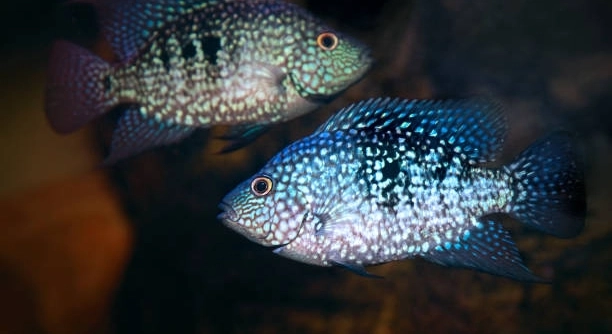
Keeping multiple Jack Dempsey fish can be a rewarding experience for aquarium enthusiasts who enjoy bold, active fish. These cichlids are colorful and lively, adding energy and personality to a home aquarium environment.
For multiple Jack Dempsey fish, a minimum tank size of 75 to 100 gallons is recommended. This provides sufficient swimming space, reduces territorial aggression, and supports a healthy aquatic environment with proper filtration and maintenance.
Proper tank size is crucial for their health and behavior. Understanding space requirements helps maintain harmony and ensures your fish thrive in their shared environment.
Ideal Tank Dimensions for Multiple Jack Dempsey Fish
When setting up a tank for several Jack Dempsey fish, it’s important to focus on both length and width. These fish grow large and are very active, so a long tank is better than a tall one. A tank at least 75 gallons gives enough space for swimming and hiding spots. Decorations like rocks and caves help reduce aggression by offering personal territories. Proper filtration is essential because these fish produce a lot of waste. Consistent water changes are needed to maintain healthy water parameters. The substrate should be soft or sandy since Jack Dempseys like to dig. Plants can be added, but they need to be hardy, as these fish may uproot them. Keeping the tank organized with open swimming areas and hiding spaces balances activity and reduces stress. Temperature and pH should be stable to support fish health.
A rectangular tank around 72 inches long and 18 inches wide is often ideal.
Space arrangement inside the tank affects behavior and reduces conflicts among Jack Dempseys. Proper planning ensures they coexist without constant stress or injury.
Managing Aggression and Territory
Jack Dempsey fish can be territorial, especially when housed together.
Aggression can be managed by providing ample space and visual barriers. Rocks, caves, and plants create territories and reduce direct line-of-sight confrontations. Adding multiple hiding spots allows fish to retreat when needed. Stocking the tank with similar-sized fish helps prevent bullying. Avoid overcrowding, as it increases stress and fighting. Careful observation during feeding ensures no fish is left out or harassed. Introducing new fish gradually can also prevent severe territorial disputes. Maintaining consistent water quality and a stable environment minimizes stress-driven aggression. Grouping Jack Dempseys with other semi-aggressive fish of similar size can work, but monitor interactions closely. Rearranging tank decorations periodically can disrupt established dominance patterns, keeping aggression under control. Over time, a well-planned tank allows fish to establish their territories naturally, leading to a more peaceful environment. These measures improve overall health and create a balanced aquarium ecosystem.
Water Quality and Filtration
Maintaining clean water is essential for multiple Jack Dempsey fish. They produce a lot of waste, so a strong filtration system is necessary. Regular water changes help keep ammonia, nitrite, and nitrate levels safe.
A combination of mechanical, chemical, and biological filtration works best. Mechanical filters remove debris, chemical filters help control odors and impurities, and biological filters support beneficial bacteria that break down waste. Monitoring water parameters like pH, hardness, and temperature ensures a stable environment. Weekly partial water changes of 25–30 percent help maintain balance. Overfeeding can cause water issues, so feed moderate amounts. Consistent maintenance prevents stress, illness, and aggressive behavior caused by poor water quality.
Using a high-quality filter rated for a larger tank than you have can improve water clarity and stability. Placing the filter to promote water circulation ensures all areas are clean. Aeration can also help maintain oxygen levels. Combining these practices supports healthy fish, reduces disease, and keeps the tank visually appealing.
Feeding and Nutrition
Jack Dempsey fish thrive on a varied diet of pellets, live, and frozen foods. Feeding should be controlled to avoid overfeeding, which can harm water quality.
High-quality cichlid pellets provide essential nutrients, while occasional live or frozen foods like bloodworms or brine shrimp add protein and stimulation. Feeding twice daily in small amounts ensures they consume food without excess waste. Supplementing with vegetables such as peas or spinach occasionally promotes digestion and overall health. Avoid feeding exclusively live feeder fish, as they can introduce diseases. Observing feeding behavior helps identify stressed or sick fish early. Rotating foods prevents nutritional deficiencies and keeps fish interested in meals.
Providing structured feeding areas in the tank reduces competition. Even spacing of food helps dominant fish not hoard meals. Keeping feeding routines consistent supports stable behavior and growth. Proper nutrition also enhances coloration, boosts immunity, and helps fish maintain energy for swimming and defending territories. Maintaining this routine contributes to a healthy, harmonious tank environment for all Jack Dempseys.
Tank Decorations and Hiding Spots
Rocks, caves, and sturdy decorations give Jack Dempsey fish places to hide and claim territory. Hiding spots reduce stress and limit aggression between fish.
Arranging decorations with open swimming areas in between allows fish to move freely. Natural-looking layouts make the tank more comfortable and visually appealing for both fish and observer.
Ideal Temperature and pH
Jack Dempseys thrive in temperatures between 74°F and 80°F. Maintaining a stable pH around 6.5 to 7.5 supports healthy metabolism and behavior. Regularly monitoring these parameters prevents sudden stress or illness.
Compatible Tank Mates
Semi-aggressive fish of similar size work best with Jack Dempseys. Avoid very small or extremely passive fish to prevent bullying.
FAQ
What is the minimum tank size for multiple Jack Dempsey fish?
A minimum of 75 gallons is recommended, but 100 gallons is ideal for several fish. This provides enough swimming space, reduces territorial aggression, and allows for decorations and hiding spots. Larger tanks make it easier to maintain water quality and monitor behavior without overcrowding.
Can Jack Dempsey fish live with other cichlids?
Yes, but only with other semi-aggressive cichlids of similar size. Avoid very small or extremely passive fish, as they can be bullied. Introduce tank mates gradually and provide hiding spots to reduce conflicts. Constant observation during the first weeks helps identify potential issues.
How often should I perform water changes?
Weekly water changes of 25–30 percent are recommended. This helps maintain stable water parameters, removes excess waste, and prevents spikes in ammonia, nitrites, and nitrates. Overfeeding and crowded tanks increase the need for frequent water maintenance.
What type of filtration is best for multiple Jack Dempseys?
A combination of mechanical, chemical, and biological filtration works best. Mechanical filtration removes debris, chemical filtration controls impurities, and biological filtration supports beneficial bacteria. Using a filter rated for a larger tank than you have ensures optimal water flow and cleanliness.
How can I reduce aggression between Jack Dempsey fish?
Provide plenty of hiding spots, caves, and decorations to create separate territories. Avoid overcrowding and maintain proper tank size. Rearranging decorations occasionally disrupts established dominance hierarchies. Introducing new fish gradually helps prevent excessive fighting.
What do Jack Dempsey fish eat?
They thrive on a varied diet of high-quality cichlid pellets, live or frozen foods such as bloodworms or brine shrimp, and occasional vegetables like peas or spinach. Avoid feeding only live feeder fish to reduce disease risk. Feeding twice daily in small amounts works best.
How do I know if my Jack Dempsey is stressed?
Signs include hiding excessively, loss of appetite, dull coloration, or aggressive outbursts. Poor water quality, overcrowding, or lack of hiding spots often contribute. Regular monitoring of behavior, water parameters, and tank conditions helps prevent prolonged stress.
Can Jack Dempseys live in a planted tank?
Yes, but choose hardy plants as these fish may dig or uproot them. Rocks, driftwood, and caves should complement plants to create hiding spots and territories. Open swimming areas remain necessary to reduce stress and allow natural activity.
How fast do Jack Dempsey fish grow?
They grow relatively quickly, often reaching 8–10 inches in about two years with proper care and nutrition. Growth depends on tank size, diet, water quality, and stress levels. Larger tanks and a varied diet encourage steady, healthy growth.
Is it necessary to monitor water parameters daily?
While daily checks are not mandatory, weekly monitoring of pH, temperature, ammonia, nitrite, and nitrate levels is essential. Consistent observation prevents sudden changes that can stress the fish. Using a reliable test kit ensures a stable and safe environment.
How should I introduce new Jack Dempseys to an existing tank?
Quarantine new fish for at least two weeks to prevent disease. Introduce them gradually, providing multiple hiding spots. Monitor interactions closely, especially in the first few days, to prevent aggressive behavior or injury. Rearranging decorations can help new fish find territory.
Do Jack Dempsey fish need strong lighting?
Moderate lighting is sufficient. Too bright lighting can stress them, especially without sufficient hiding spots. If the tank has plants, adjust lighting to balance plant health with fish comfort. Subdued areas give fish a sense of security and reduce aggression.
What is the lifespan of Jack Dempsey fish?
With proper care, they can live 8–10 years, sometimes longer. Stable water conditions, a balanced diet, proper tank size, and monitoring behavior all contribute to longevity. Avoid overcrowding and chronic stress to maximize lifespan.
Can Jack Dempseys breed in a community tank?
Breeding is possible if conditions are ideal and aggression is managed. They form pairs and guard eggs fiercely. Providing a separate breeding tank or plenty of hiding spaces helps protect eggs and fry from other fish.
What precautions should I take for tank maintenance?
Always turn off electrical equipment during water changes, avoid sudden temperature changes, and clean filters regularly without using harsh chemicals. Observe fish before and after maintenance to detect stress or illness early. A stable routine keeps the environment safe and healthy.
Are Jack Dempsey fish sensitive to water chemistry?
Yes, they prefer stable pH between 6.5 and 7.5 and temperatures of 74–80°F. Sudden fluctuations can cause stress, illness, or aggression. Using a heater, monitoring equipment, and gradual changes ensures stability. Regular water testing is essential to maintain these parameters.
This FAQ provides detailed, practical advice for keeping multiple Jack Dempsey fish healthy, minimizing aggression, and maintaining a stable tank environment. Proper care ensures the fish thrive and display their full color and personality over time.
Keeping multiple Jack Dempsey fish can be very rewarding when done properly. These fish are colorful, active, and full of personality, but they require careful planning to thrive together. One of the most important factors is the tank size. Providing at least 75 to 100 gallons ensures they have enough swimming space and reduces aggressive behavior. A larger tank also allows for decorations, hiding spots, and open areas, which help the fish feel secure and establish territories. Overcrowding can quickly lead to stress and fighting, so planning the tank layout before adding multiple fish is essential. Proper tank size also makes maintaining water quality easier, which directly impacts their health and lifespan.
Water quality and filtration are just as critical as space. Jack Dempseys produce a lot of waste, so a strong filtration system is necessary. A combination of mechanical, chemical, and biological filtration ensures the water remains clean and safe. Weekly partial water changes of 25 to 30 percent help keep ammonia, nitrite, and nitrate levels under control. Consistent monitoring of temperature, pH, and hardness prevents sudden stress or illness. Feeding also plays a role in water quality. Overfeeding can quickly pollute the tank, so providing small, controlled portions of high-quality cichlid pellets, live, or frozen foods is best. Proper feeding, combined with good filtration, keeps the tank stable and supports overall health.
Aggression management and environmental enrichment are key for a peaceful tank. Jack Dempseys are territorial, so arranging rocks, caves, and sturdy decorations allows them to claim their own spaces and reduces conflicts. Adding hardy plants and open swimming areas helps balance activity with places to retreat. Introducing new fish gradually and observing interactions minimizes fighting. Tank mates should be chosen carefully, limited to semi-aggressive species of similar size to avoid bullying. Maintaining proper nutrition, a clean environment, and stable water conditions supports their behavior and coloration. With attention to space, water quality, feeding, and aggression, keeping multiple Jack Dempsey fish can be a manageable and rewarding experience, allowing them to thrive in a balanced and healthy tank.

Hello,
If you enjoy the content that we create, please consider saying a "Thank You!" by leaving a tip.
Every little bit helps us continue crafting quality advice that supports the health, happiness, and well-being of pets around the world, for pets of all shapes, sizes, and species.
We really appreciate the kindness and support that you show us!