
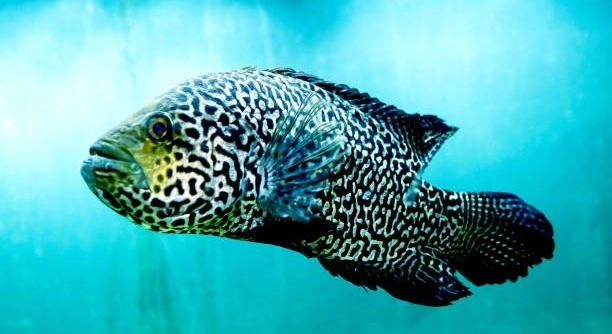
Have you ever noticed your Jack Dempsey moving gravel around its tank constantly? This behavior can be both fascinating and puzzling. Many fish owners observe it daily, unsure if it signals stress, boredom, or natural instincts at play.
The primary reason Jack Dempseys rearrange gravel is their instinctual behavior related to territory and breeding. Moving substrate helps them establish secure areas, create nesting sites, and maintain a preferred environment, supporting both comfort and reproductive success within their habitat.
Watching how your fish interacts with its tank can reveal important insights. Understanding these behaviors helps you create a healthier, more comfortable environment for your Jack Dempsey.
Understanding Gravel Rearranging
Jack Dempseys have a strong instinct to interact with their environment. Gravel rearranging is one of the most common behaviors you’ll notice. They often push stones, create small piles, and move substrate from one area to another. This is not random; it reflects natural instincts rooted in territory and comfort. In the wild, these fish prepare spaces for breeding and hide eggs safely. Even if your tank seems small, they still feel the need to control their surroundings. Observing this behavior closely can show how healthy and active your fish is. Sometimes it may look messy, but it is a sign of an engaged, thriving fish. They also use this behavior to explore the textures and shapes in the tank, which can reduce stress. Providing them with enough space and proper substrate can make gravel rearranging safer and more satisfying for them.
Gravel rearranging is a normal activity for Jack Dempseys and indicates environmental engagement and physical activity within their habitat.
Paying attention to these movements can help you understand your fish better. Small changes in gravel patterns often reflect their mood or readiness to breed.
Creating a Comfortable Tank
A well-planned tank can reduce stress and make your Jack Dempsey feel more secure. Proper substrate depth allows them to move gravel without harming themselves or decorations. Including hiding spots like rocks or caves gives them areas to retreat, while open spaces encourage natural swimming and rearranging. Avoid sharp or unstable gravel that could injure them during digging. Regular tank maintenance keeps water clean, which supports healthy behavior. Temperature and pH balance also influence activity levels. When your fish is comfortable, gravel rearranging becomes a sign of natural instincts rather than frustration.
Providing a habitat that balances open space and shelters helps them feel safe. Gravel movement can indicate breeding readiness, territorial comfort, or stress relief. Watching these behaviors lets you adjust tank conditions as needed, ensuring your fish stays healthy and active. A comfortable environment reduces aggression and encourages natural behaviors, allowing Jack Dempseys to thrive in captivity. Observing patterns over time also helps predict when they may need extra care, such as during breeding periods. Maintaining proper filtration, regular cleaning, and stable water parameters makes the tank a space where their instincts can be expressed safely. Paying attention to these details supports both physical and mental well-being, giving your fish the best conditions to live naturally and happily.
Feeding and Gravel Behavior
Jack Dempseys often rearrange gravel during feeding times. They push stones aside while searching for leftover food, uncovering bits hidden beneath the substrate. This is a natural instinct linked to foraging. Observing this can help ensure they are eating properly and staying healthy.
Gravel movement during feeding is a sign of active hunting instincts. In the wild, these fish sift through the riverbed to find small prey. In a tank, scattered pellets or flakes trigger similar behavior. Ensuring the food sinks gradually prevents excessive disturbance, while maintaining clean substrate reduces waste buildup. Watching how your fish interacts with food can also reveal dominance patterns if multiple fish share a tank. This insight allows you to adjust feeding methods, ensuring every fish gets enough nutrition.
Providing soft substrate like sand or smooth gravel can reduce injury while they dig and search for food. A deeper substrate gives them room to exhibit natural foraging behaviors. You may notice that rearranging slows after feeding, showing satisfaction. Keeping the tank clean and monitoring leftover food prevents water quality issues. When food is properly distributed, Jack Dempseys stay engaged without creating excessive mess, and their digging behavior becomes an enriching activity rather than a problem.
Breeding and Territorial Instincts
During breeding periods, gravel rearranging becomes more frequent and purposeful. Jack Dempseys move stones to create nests and clear spaces for eggs, signaling readiness to reproduce and protect offspring.
Territorial instincts drive much of their substrate movement. Males often define boundaries, pushing gravel to mark areas and discourage intruders. Females also participate in nesting, helping arrange substrate for egg laying. Observing this behavior can help determine breeding readiness and identify which fish are dominant. Providing enough space and hiding spots reduces stress and aggression. Gravel type and depth influence how effective and safe nest building is, with finer substrates being preferred.
Maintaining stable water conditions and a calm environment encourages natural breeding behavior. Gravel movement indicates active nesting, not aggression, when observed alongside courtship displays. Monitoring interactions during this time allows adjustments to tank layout and prevents conflicts. Male and female pairs often spend hours arranging stones and digging, reflecting instinctual reproductive behavior. Supporting this with proper diet and clean conditions enhances breeding success. Over time, watching nest construction teaches a lot about your fish’s preferences and personality, while also keeping the tank dynamic and engaging for them.
Stress and Environmental Factors
Jack Dempseys may rearrange gravel when stressed or uncomfortable. Changes in water temperature, pH, or tank setup can trigger this behavior. Observing frequent digging can help identify underlying issues before they affect health.
Overcrowding or aggressive tank mates can also increase gravel movement. Providing hiding spots and enough space reduces tension. Consistent water conditions and a calm environment encourage natural behavior without stress.
Substrate Preferences
Jack Dempseys have clear substrate preferences. They tend to favor finer gravel or sand that is easy to move and shape. Coarse or sharp gravel can discourage digging and may cause minor injuries.
Signs of Aggression
Excessive gravel rearranging can indicate aggression toward tank mates. Dominant fish often push stones to mark territory and assert control. Observing these patterns allows for adjustments in tank layout or population.
Maintenance Tips
Regular cleaning and monitoring of substrate help maintain a healthy tank. Gravel that is frequently moved can trap waste, so careful vacuuming prevents water quality issues and keeps the habitat safe.
FAQ
Why does my Jack Dempsey move gravel all the time?
Jack Dempseys naturally rearrange gravel due to instincts. They push stones to mark territory, explore their environment, or prepare nesting areas for breeding. This behavior is normal and shows they are active and engaged with their surroundings.
Is gravel rearranging a sign of stress?
Not always. While stress can cause excessive digging, most gravel movement is instinctual. Signs of stress include hiding constantly, loss of appetite, or aggressive behavior. Observing patterns alongside these signs helps determine whether digging is natural or stress-related.
Can gravel movement harm my fish?
If the gravel is smooth and properly sized, movement is safe. Sharp or coarse gravel can cause minor injuries, so using soft, rounded substrate is recommended. Adequate depth also prevents fish from scraping against decorations or the tank floor.
How can I reduce excessive gravel rearranging?
Providing enough space, hiding spots, and proper substrate can reduce unnecessary digging. Maintaining stable water parameters and minimizing sudden changes helps keep fish comfortable. Feeding routines that sink slowly also prevent frantic gravel movement while searching for food.
Does gravel rearranging indicate breeding readiness?
Yes, especially during certain periods. Males rearrange gravel to build nests, and females may assist in preparing spaces for eggs. Observing paired interactions and nest-building behavior helps identify reproductive activity and potential breeding readiness.
What type of substrate is best for Jack Dempseys?
Finer gravel or sand is ideal. It is easier for them to move and shape, reducing risk of injury. Avoid coarse or sharp gravel, which can discourage natural digging or cause damage to their mouths and fins. Substrate depth should allow for digging without exposing tank equipment.
Should I worry if my fish digs constantly?
Constant digging is usually normal, as long as the fish appears healthy and water quality is maintained. Excessive or frantic movements may indicate stress, aggression, or poor environmental conditions. Watching other behaviors like feeding and interaction with tank mates can clarify the cause.
How often should I clean the gravel?
Regular maintenance is important because moving gravel can trap waste and leftover food. Vacuuming once a week or as needed keeps water quality high. Avoid over-cleaning, which can disrupt beneficial bacteria and natural microbial balance in the tank.
Does rearranging gravel help their mental health?
Yes. This behavior stimulates their instincts, providing enrichment. Active fish that dig and explore are generally less stressed and more engaged. Offering space, appropriate substrate, and hiding areas supports mental and physical well-being.
Can gravel rearranging damage plants or decorations?
It can. Jack Dempseys may uproot plants or shift lightweight decorations while digging. Anchoring plants and securing decor helps maintain the tank layout. Observing which items are frequently moved allows adjustments to prevent damage and preserve the tank environment.
Is gravel rearranging more common in males or females?
Males tend to dig more frequently, especially during breeding periods, to establish nests and assert territory. Females also rearrange gravel but usually to prepare breeding sites or interact with the male’s nest. Both sexes benefit from proper substrate and space.
How do I know if my tank setup encourages natural behavior?
A balanced tank with sufficient space, hiding spots, and safe substrate encourages gravel rearranging without stress. Observing consistent activity patterns, proper feeding behavior, and healthy interactions with tank mates indicates the environment is suitable. Adjusting layout gradually helps refine conditions for comfort and safety.
Can gravel rearranging cause water quality problems?
Yes, if food or waste is buried and left to accumulate. Regular cleaning and monitoring prevent ammonia spikes or other water quality issues. Ensuring proper filtration and a vacuuming schedule keeps the tank clean while allowing natural digging behavior.
What are some signs that gravel rearranging is excessive?
Signs include frantic digging, constant agitation, or damage to fins and mouth. Pair this with other stress indicators like loss of appetite, hiding, or aggressive interactions. Identifying excessive digging early allows corrective measures like rearranging the tank or adjusting tank mates.
Does tank size affect gravel rearranging?
Yes. Smaller tanks may limit space, causing frustration or increased aggression during digging. Larger tanks allow fish to express natural behaviors safely. Providing adequate depth and width ensures Jack Dempseys can move gravel comfortably without harming themselves or each other.
How do I safely observe gravel rearranging?
Watch quietly without disturbing the tank. Avoid sudden movements or tapping on glass, which can stress the fish. Observing patterns over time helps identify breeding, feeding, or stress-related behaviors, giving insight into their needs and preferences.
Can other fish coexist with Jack Dempseys during digging?
Yes, with careful selection. Avoid small or delicate fish that could be harassed. Territorial species may compete for space, so providing multiple hiding areas and sufficient tank size reduces conflict while allowing natural gravel rearranging behaviors to continue safely.
What adjustments can make digging safer for plants and decorations?
Use heavier decorations or anchor plants in substrate. Place fragile items away from active areas. Adding rocks or driftwood creates natural barriers that protect plants while allowing Jack Dempseys to engage in normal gravel movement without causing damage.
How does gravel rearranging differ between juveniles and adults?
Juveniles may dig less intensely, focusing on exploration. Adults, particularly males, engage in more purposeful rearranging, often linked to territory and breeding. Observing the intensity and patterns can indicate age-related behavior and help manage tank layout for different life stages.
Is it necessary to change tank setup because of gravel movement?
Not always. If gravel rearranging does not harm the fish, plants, or water quality, a setup change is optional. Adjustments may only be needed to protect fragile decorations, improve substrate safety, or provide additional hiding spots for territorial balance.
Can gravel rearranging be a sign of boredom?
Partly. Lack of stimulation may increase digging, but Jack Dempseys also dig instinctively regardless of enrichment. Providing hiding spots, varied terrain, and compatible tank mates keeps them engaged and prevents boredom-related excessive activity.
Does gravel rearranging vary with water flow?
Yes. Strong currents may discourage digging, while calmer areas encourage movement. Positioning filters and circulation carefully allows safe exploration and gravel rearranging without stressing the fish or disrupting the tank environment.
What should I do if my fish uproots plants while digging?
Anchor plants firmly or use heavier pots. Consider using artificial plants in active areas to prevent damage. Observing their preferred digging zones helps place fragile plants in safer parts of the tank. Adjusting layout gradually supports both natural behavior and plant survival.
How long do Jack Dempseys usually spend rearranging gravel?
Activity varies with individual temperament, tank setup, and environmental conditions. Some may dig for several minutes to hours throughout the day, while others move gravel sporadically. Monitoring patterns helps you understand their routine and maintain a balanced tank environment.
Can gravel rearranging indicate water quality issues?
Sometimes. Frequent digging accompanied by gasping, lethargy, or abnormal swimming may indicate ammonia spikes, improper pH, or temperature fluctuations. Testing water and maintaining regular cleaning schedules ensures healthy conditions while allowing natural gravel movement.
How can I encourage natural behavior safely?
Provide soft substrate, hiding spots, open swimming areas, and stable water conditions. Gradual changes to tank layout and environmental enrichment allow Jack Dempseys to express instincts like gravel rearranging without stress, aggression, or risk of injury.
Does feeding frequency affect gravel movement?
Yes. Fish tend to dig more during or after feeding as they search for food hidden in gravel. Slow-sinking pellets or flakes reduce frantic digging, while regular feeding schedules maintain consistent behavior patterns, keeping both fish and tank stable.
Is gravel rearranging more common at certain times of day?
Activity often peaks during morning or evening when fish are most active. Feeding schedules, light cycles, and tank conditions influence these patterns. Observing behavior at different times helps understand natural routines and optimize care for Jack Dempseys.
Can I mix gravel types to reduce movement?
Mixing finer and slightly heavier gravel may reduce excessive digging while keeping natural behavior. Avoid sharp or uneven substrates. Observing which sections attract digging allows adjustments that protect plants and decorations while satisfying natural instincts.
How important is tank size for multiple Jack Dempseys?
Large tanks reduce territorial conflicts and allow more natural gravel rearranging. Overcrowding increases aggression and excessive digging. Ensuring adequate space per fish, with hiding spots and open areas, supports healthy interactions and reduces stress-related behavior.
Does lighting affect gravel rearranging?
Moderate, consistent lighting encourages natural behavior. Sudden bright lights may startle fish, reducing digging temporarily. Simulating day-night cycles helps maintain normal activity patterns, including gravel movement, feeding, and resting behaviors.
How do I balance natural behavior with aesthetics?
Arrange substrate, plants, and decorations in a way that accommodates digging while preserving visual appeal. Heavier items, anchored plants, and designated digging zones allow Jack Dempseys to express instincts safely without compromising tank design.
Can gravel rearranging damage tank equipment?
It can if equipment is unsecured or shallowly placed. Anchoring filters, heaters, and decorations prevents damage. Observing digging areas helps adjust placement, ensuring natural behavior occurs safely without equipment interference.
Is frequent gravel movement more noticeable in certain tank setups?
Yes. Open tanks with fine substrate or few decorations highlight digging. Dense setups or strong currents may mask the behavior. Adjusting layout allows observation of natural instincts while maintaining safety and environmental balance.
How can I track gravel rearranging patterns?
Keep a simple log of activity times, frequency, and intensity. Note feeding, breeding, or environmental changes that coincide with digging. Tracking patterns helps identify behavior trends and informs tank management decisions.
Can gravel rearranging help identify dominant fish?
Yes. Dominant fish often rearrange substrate to assert territory and control areas. Observing which individuals move gravel most frequently reveals social hierarchy and helps manage aggression in multi-fish tanks.
Should I provide extra enrichment for digging?
Providing rocks, caves, and substrate variations encourages natural behavior safely. Enrichment allows them to express instincts, reduces stress, and prevents destructive or frantic digging in fragile areas of the tank.
Does gravel rearranging stop as fish mature?
It may slow but rarely stops completely. Adults, especially males, continue digging to mark territory and prepare nests. Patterns shift from exploratory to purposeful, reflecting maturity and reproductive instincts rather than random movement.
How do I prevent gravel from being scattered outside the tank?
Use deeper substrate layers, stable tank edges, and heavy decorations to contain movement. Avoid overly light gravel that easily spills when Jack Dempseys dig actively. Observing active zones allows adjustments for containment.
Can gravel rearranging indicate health issues?
Unusual patterns paired with lethargy, loss of appetite, or physical damage may indicate illness. Otherwise, normal digging reflects instincts. Regular observation ensures that changes in behavior prompt timely health checks.
Does temperature influence digging activity?
Yes. Jack Dempseys are more active in optimal temperature ranges. Cold or fluctuating temperatures may reduce gravel movement, while stable, warm water encourages natural behavior and consistent activity throughout the day.
How do I balance multiple needs in a tank?
Provide safe substrate, hiding areas, proper lighting, clean water, and compatible tank mates. Adjust feeding and enrichment to satisfy instincts like gravel rearranging while minimizing stress, injury, or environmental disruption. Proper balance promotes health, engagement, and stability.
Can gravel rearranging indicate mating pairs?
Yes. Coordinated digging often signals nest preparation or courtship. Males lead construction, while females may help shape the site. Observing this behavior allows identification of active breeding pairs and appropriate tank adjustments to support reproduction.
Is sand better than gravel for digging?
Sand is easier to move and safer for mouths and fins. It allows more natural digging and nest-building behavior. Fine gravel can work if smooth and deep enough, but sand is generally preferred for active Jack Dempseys.
How do I prevent aggression during digging?
Provide ample space, multiple hiding spots, and visual barriers. Monitor dominant fish and separate overly aggressive individuals if necessary. Proper tank design reduces conflict while allowing natural gravel rearranging behavior.
Does gravel rearranging affect filtration?
It can, by shifting debris into or around filters. Proper placement and regular cleaning ensure filtration remains effective. Observing digging patterns helps prevent clogging or uneven water flow caused by disturbed substrate.
How do I safely introduce new fish to a tank with digging Jack Dempseys?
Acclimate carefully and choose compatible species. Provide hiding spots to reduce conflict. Observe initial interactions and monitor gravel movement for signs of aggression, ensuring both new and existing fish can adjust safely.
Can I discourage digging completely?
It is not recommended. Gravel rearranging is instinctual and beneficial for mental and physical health. Instead, focus on safe substrates, tank layout, and enrichment to allow behavior without causing harm or stress.
Does diet influence digging intensity?
Yes. Feeding methods, frequency, and food type affect activity. Sinking pellets encourage foraging behavior, while inconsistent feeding may increase frantic gravel movement. Balanced diets maintain energy for natural instincts without overactivity.
How do I know if my fish is happy with the substrate?
Frequent, calm digging indicates comfort. Avoidance, hesitation, or injury suggests unsuitability. Observing interactions with the substrate helps determine preferences and adjust tank setup for optimal engagement and safety.
Can gravel rearranging damage the tank glass or bottom?
With proper substrate, risk is minimal. Sharp or thin layers may scratch surfaces, but soft, rounded gravel or sand protects both fish and tank integrity. Ensuring depth and smoothness prevents damage during normal digging behavior.
Does water flow affect nest-building gravel movement?
Moderate, stable water encourages nest-building. Strong currents disrupt substrate, making construction difficult. Adjusting flow to calmer zones allows Jack Dempseys to engage in natural reproductive digging safely.
Are there signs gravel rearranging is linked to aggression?
Yes. Frequent, targeted digging around other fish, chasing, or blocking areas can indicate territorial aggression. Observing context and combining with body language helps distinguish between natural and aggressive behavior.
How do I manage gravel movement in planted tanks?
Anchor plants, use heavier pots, and designate digging areas. Mix artificial and live plants strategically. Monitoring which areas are active prevents uprooting and damage while allowing natural behavior to continue.
Does gravel type influence digging style?
Yes. Finer substrates allow smooth sifting, while coarse gravel results in slower, less precise movement. Sand or smooth gravel encourages natural nest building and foraging, while sharp or uneven gravel may reduce activity or cause injury.
Can rearranging gravel indicate happiness?
Active, calm digging generally reflects contentment. Fish that interact naturally with their environment, maintain appetite, and display normal swimming patterns are likely happy and comfortable in their tank.
How often should I monitor gravel behavior?
Daily observation is ideal to track patterns, identify stress, aggression, or breeding behavior. Keeping notes helps maintain optimal tank conditions and supports both health and natural instincts.
Can I combine multiple substrate layers for better digging behavior?
Yes. A base layer of sand with a thin gravel layer provides structure and enrichment. This allows digging, nest building, and foraging while keeping tank appearance and plant stability intact.
Does tank shape affect gravel rearranging?
Longer, wider tanks give more space to move gravel and establish territories. Tall, narrow tanks may restrict natural digging, leading to stress or aggression. Observing activity helps optimize tank dimensions.
Can gravel rearranging influence social hierarchy?
Yes. Dominant individuals often control prime digging zones, signaling territory. Subordinate fish may avoid these areas. Observing patterns informs tank management and helps reduce conflict.
What signs show gravel digging is healthy behavior?
Calm, repeated movement, proper feeding, interaction with tank mates, and absence of injuries indicate healthy behavior. Sudden changes or frantic digging may signal environmental or health issues.
How do I protect delicate decorations while allowing digging?
Anchor fragile items, use heavier rocks, and place them outside high-activity zones. Monitor preferred digging areas to prevent displacement, maintaining both safety and natural behavior.
Does tank lighting influence nesting-related gravel movement?
Consistent, moderate lighting encourages natural routines, including nest preparation. Sudden bright or dim changes may disrupt digging or courtship activity, affecting reproductive behavior.
Can digging indicate territory disputes?
Yes. Gravel rearranging combined with chasing, flaring, or blocking areas often signals disputes. Providing space and hiding spots reduces conflicts while allowing natural instincts to continue safely.
How do I balance plant care with active digging?
Anchor plants, choose hardy species, and monitor preferred digging zones. Using a mix of artificial and live plants protects delicate items while satisfying natural behavior and maintaining tank aesthetics.
Does gravel depth matter for digging behavior?
Yes. Adequate depth allows full expression of instincts without exposing tank equipment. Shallow substrate limits digging, while overly deep layers may bury decorations or trap waste. Balanced depth supports safe, natural activity.
Can gravel rearranging indicate environmental dissatisfaction?
Sometimes. Frequent, frantic digging, paired with hiding or aggression, may signal water issues, overcrowding, or incompatible tank mates. Observing context helps determine the cause and guide adjustments for comfort and safety.
Does tank decor placement affect digging intensity?
Yes. Rocks, caves, and plants influence where and how fish move gravel. Strategic placement encourages natural behavior while protecting fragile items and maintaining territorial balance.
How do I safely encourage gravel rearranging in community tanks?
Provide multiple zones with appropriate substrate, hiding spots, and open space. Observe fish interactions and adjust placement or tank mates to ensure both safety and expression of natural behaviors.
Can gravel rearranging reveal feeding habits?
Yes. Digging during feeding shows foraging instincts. Observing patterns helps ensure all fish receive adequate nutrition and allows adjustments to feeding methods for balanced intake.
Is gravel rearranging energy-intensive for Jack Dempseys?
It requires moderate energy and reflects healthy activity. Providing balanced nutrition and rest periods supports their physical needs while allowing natural instincts to be expressed safely.
How do I maintain a safe digging environment?
Use soft substrate, anchor decorations, provide hiding spots, and monitor water quality. Adjust tank layout as needed to prevent injury, aggression, or damage while allowing natural gravel rearranging behavior.
Does gravel rearranging decrease with age?
Activity may slow as fish mature, but instincts remain. Adult males continue nest building and territorial digging, while older fish may focus more on comfort and environmental management rather than exploration.
Can digging be a form of enrichment?
Yes. Gravel rearranging stimulates natural instincts, reduces stress, and encourages activity. Providing safe substrate, hiding spots, and open space allows healthy mental and physical engagement.
How do I know if my fish’s digging is excessive?
Compare normal activity with signs of stress, injury, or disruption to plants and decorations. Observing frequency, intensity, and context helps identify when intervention may be needed
Final Thoughts
Jack Dempseys are active and instinct-driven fish, and gravel rearranging is one of the most common behaviors they display. Watching them move stones, create small piles, and shift substrate can be fascinating. This behavior is a natural part of how they interact with their environment. It helps them mark territory, explore their surroundings, and prepare spaces for nesting during breeding periods. While some owners may find the constant movement messy, it is generally a sign of a healthy, engaged fish. Observing the way they dig can provide insight into their mood, comfort, and overall well-being. Fish that are active and show consistent gravel rearranging are usually thriving in their tank environment.
Providing the right tank conditions can support this behavior and ensure the safety of both the fish and the tank. Choosing a soft, rounded substrate like fine gravel or sand reduces the risk of injury while allowing natural digging. Adequate tank depth is important to give them enough material to move without exposing equipment or damaging decorations. Adding hiding spots, rocks, or caves allows Jack Dempseys to feel secure while still engaging in natural behaviors. Maintaining proper water quality, temperature, and pH also contributes to their comfort and activity levels. When the environment meets their needs, gravel rearranging becomes a healthy, stimulating activity rather than a sign of stress or discomfort.
Understanding why Jack Dempseys rearrange gravel helps owners create a better tank environment and care routine. This behavior reflects instincts for foraging, breeding, and territory management. By observing the patterns and intensity of digging, you can adjust feeding, substrate type, tank layout, and social arrangements to suit your fish. Gravel rearranging can also serve as a form of enrichment, keeping the fish active, mentally engaged, and physically healthy. Paying attention to the behavior, while balancing tank design and maintenance, ensures both safety and natural expression. Recognizing this instinct as normal and beneficial allows you to appreciate your fish’s personality and needs, creating a more harmonious and thriving aquarium environment overall.

Hello,
If you enjoy the content that we create, please consider saying a "Thank You!" by leaving a tip.
Every little bit helps us continue crafting quality advice that supports the health, happiness, and well-being of pets around the world, for pets of all shapes, sizes, and species.
We really appreciate the kindness and support that you show us!