
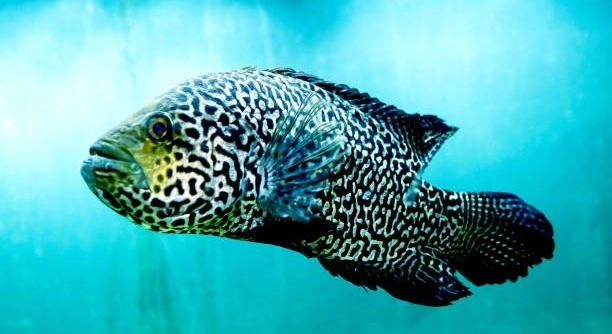
Female Dempsey fish can show subtle signs when they are ready to breed. Observing these signs closely can help aquarists manage their tanks better and support healthy breeding practices for these colorful cichlids.
The most common subtle breeding signs in female Dempsey fish include changes in body color, slight swelling in the abdomen, increased nesting behavior, more frequent interaction with males, fin display adjustments, calmer temperament, and specific feeding patterns that indicate readiness to spawn.
Recognizing these signs early can improve breeding success and help maintain a balanced and healthy aquarium environment for your Dempsey fish.
Color Changes in Female Dempsey Fish
Female Dempsey fish often show slight color changes when they are preparing to breed. Their bodies may take on a brighter or more intense hue, especially along the head and gill areas. These color shifts are not always dramatic but can be noticeable if you observe your fish regularly. The change helps males recognize that females are ready for spawning. It is important to note that stress or poor water conditions can also affect coloration. Consistent observation, proper tank maintenance, and stable water parameters help ensure the color changes are natural breeding indicators rather than signs of illness. Over time, you will learn the subtle variations that signal readiness. This change is often accompanied by increased activity, where females start inspecting potential spawning sites and interacting more with males. By noting these color shifts, you can prepare the tank for successful breeding.
Color change is a reliable early sign of female readiness for breeding and can guide tank preparation for spawning.
Tracking these color variations over time allows better understanding of your Dempsey’s behavior and ensures healthier breeding conditions. Observing closely helps distinguish normal changes from stress-related issues.
Abdominal Swelling
Abdominal swelling in female Dempsey fish is a common breeding indicator.
This swelling occurs as eggs develop inside the female. It is usually more noticeable a few days before spawning. The abdomen becomes slightly rounded but remains firm. Observing this can help determine the optimal time for pairing females with males. Swelling is gradual, so checking your fish daily is important.
The degree of abdominal swelling varies depending on the female’s age, health, and water conditions. A well-fed and healthy female will develop eggs more predictably, while stress or poor diet may delay the process. Swelling is usually accompanied by changes in behavior, such as reduced aggression and increased attention to potential nesting spots. Monitoring these patterns provides insight into readiness without needing invasive checks. Pairing females when swelling is evident increases the chances of successful spawning and healthy fry. Combining this sign with color changes and behavior cues allows for a more accurate assessment of breeding timing. Proper tank conditions, including clean water and stable temperatures, support healthy egg development. Swelling naturally decreases after spawning, indicating that the process has concluded successfully.
Nesting Behavior
Female Dempsey fish often start cleaning flat surfaces in the tank. This behavior indicates they are preparing a spot for laying eggs. Stones, leaves, or tank decorations may all become inspected and cleared of debris.
Nesting behavior becomes more consistent as spawning approaches. Females may repeatedly pick at surfaces, move small objects, or scrape areas with their mouths. This activity is paired with spending more time near a selected spot and showing increased interaction with a male if present. Observing which surfaces are chosen can help you place suitable spawning materials in the tank. Sometimes females will guard the area more aggressively, signaling their readiness. Monitoring this behavior allows for better timing when pairing or separating fish for breeding, ensuring that eggs will be laid in a safe and suitable location within the tank.
This behavior is often combined with subtle changes in posture and movement. Females may hover near the prepared spot, flicking their fins slightly and inspecting every inch carefully. Their attention to the nesting site is intense, sometimes lasting several days. Recognizing these patterns helps in predicting when spawning will actually take place and ensures that males are introduced at the correct time.
Interaction with Males
Females begin interacting more with males through gentle nudges and swimming alongside them. This behavior signals receptiveness to breeding.
Increased interaction can include following the male around the tank, mimicking his movements, or staying close while he displays. The female may respond to the male’s courtship by showing more vivid colors or subtle fin flaring, reinforcing the breeding connection. This stage is crucial for establishing pair bonding and determining compatibility between the fish. When interaction is consistent and mutual, the likelihood of successful spawning rises. Monitoring these interactions also helps identify any aggression or stress that could disrupt breeding. The female’s willingness to engage and respond positively indicates that she is in a suitable condition for spawning. Pairing should be managed carefully to avoid conflicts while allowing natural behaviors to continue.
The intensity of interaction may increase as the female nears egg-laying. She may begin leading the male to the nesting site, circling him, or gently nudging him toward prepared surfaces. This coordinated behavior ensures that both fish are ready for the breeding process and increases the chances of proper fertilization. It is important to maintain stable tank conditions and limit disturbances during this period. Observing and supporting these interactions provides valuable insight into timing and readiness, making the breeding process smoother and less stressful for both the male and female Dempsey fish.
Fin Display Adjustments
Female Dempsey fish may slightly flare or move their fins differently when ready to breed. This subtle change signals both readiness and attraction to the male.
Fins may appear more spread or vibrant during interactions. These adjustments help communicate interest and readiness, supporting successful courtship without aggression.
Calmer Temperament
Females often become less aggressive and more patient with tank mates. This calmer behavior allows for safer interactions with males. It also helps reduce stress, which is crucial for successful egg development and fertilization during the breeding period.
Specific Feeding Patterns
Female Dempsey fish may eat less frequently or choose smaller portions when preparing to breed. These changes reflect their focus on reproductive readiness rather than regular activity. Paying attention to these subtle feeding adjustments can indicate the timing of spawning and support proper care.
FAQ
How can I tell if my female Dempsey is ready to breed?
You can look for several subtle signs. Color changes, slight abdominal swelling, increased attention to flat surfaces for nesting, calmer behavior, adjusted fin displays, and more interaction with males all point to readiness. Watching these behaviors closely over time helps determine when spawning is likely.
Why does my female’s color suddenly become brighter?
Brightening is a natural breeding signal. The head, gill area, and sometimes the body will show more intense hues. This helps attract the male and communicate readiness. Stress, diet, or water conditions can also affect color, so consistent tank care is essential.
What is abdominal swelling, and how do I recognize it?
Abdominal swelling occurs when eggs are developing inside the female. The belly becomes slightly rounded but firm. Checking daily allows you to track gradual changes. Well-fed, healthy females show more predictable swelling, while stress or poor water quality may delay it.
How important is nesting behavior?
Nesting is a key indicator that a female is preparing to lay eggs. She will clean flat surfaces, move objects, and inspect potential sites carefully. These behaviors help ensure the eggs have a safe, suitable place to be fertilized and develop properly.
Why does my female interact more with the male?
Increased interaction signals readiness for spawning. Following, nudging, or mimicking the male shows receptiveness. These interactions help establish pair bonding and determine compatibility. Observing them ensures the breeding process occurs with minimal stress.
Should I change feeding habits during breeding?
Yes, females may eat smaller portions or less often as focus shifts to reproduction. Offering high-quality, protein-rich food supports egg development. Monitoring feeding patterns can also help track readiness and health during the breeding period.
Do fin display changes mean aggression?
Not necessarily. Subtle fin flaring or spreading often communicates interest rather than hostility. During breeding, these displays are part of courtship and help coordinate mating behavior without triggering conflict.
How do I support a calmer temperament?
Stable water conditions, consistent feeding, and minimizing disturbances help females remain calm. A calmer female reduces stress, allowing eggs to develop properly and increasing the likelihood of successful spawning.
Can multiple females breed at the same time in one tank?
It’s possible but can increase stress and competition. Providing separate nesting spots and monitoring interactions is important to prevent aggression. Observing individual behaviors allows better timing and care for each female, ensuring healthier breeding results.
What signs indicate eggs have been successfully laid?
After spawning, eggs will usually stick to cleaned surfaces. The female often guards them closely. Slight changes in swimming behavior and reduced activity around other tank mates indicate that the eggs are being protected and fertilized.
How long does it take from initial signs to spawning?
The timeline varies but often spans several days to a week. Color changes, abdominal swelling, and nesting behaviors appear gradually. Observing these signs closely allows for precise timing to pair males and provide optimal breeding conditions.
Can stress prevent breeding in Dempsey fish?
Yes. Poor water quality, sudden changes in environment, overcrowding, or aggressive tank mates can delay or stop breeding. Keeping conditions stable and reducing disturbances increases the likelihood of successful spawning.
Do I need special equipment for breeding?
Basic tank setup with clean water, stable temperature, and proper hiding or nesting spots is usually enough. Additional tools like sponge filters or breeding trays can help monitor eggs and fry but are not always necessary for healthy Dempsey breeding.
How do I know if my female is healthy during breeding?
Healthy females show bright colors, responsive behavior, consistent feeding patterns, and clear eyes and fins. Any signs of lethargy, discoloration, or fin damage indicate stress or illness, which should be addressed immediately to protect both the female and potential eggs.
What should I do after spawning?
Observe egg care behavior, maintain water quality, and avoid disturbing the female. Some aquarists separate the male or add gentle filtration to protect eggs. Monitoring growth and activity ensures proper development and increases survival rates for the fry.
Final Thoughts
Breeding female Dempsey fish requires careful observation and patience. These fish display subtle signs that indicate readiness, and recognizing them is key to supporting successful spawning. From color changes to abdominal swelling, nesting behavior, and changes in interaction with males, each sign provides insight into the female’s reproductive stage. Paying attention to these behaviors over time allows aquarists to create the right conditions, including proper tank setup, clean water, and suitable feeding routines. Ignoring these signs or missing them can make breeding more challenging, so consistent observation is essential.
Understanding the female’s temperament is equally important. Many Dempsey females become calmer and more focused as they prepare to spawn. This reduction in aggression helps maintain harmony in the tank and protects both the female and the developing eggs. Fin adjustments and specific swimming patterns are additional indicators of readiness and communication with the male. Recognizing these subtle changes ensures the female is not stressed during the process, which can directly affect egg development and overall health. Providing a stable environment, including consistent temperatures and minimal disturbances, supports natural breeding behavior and increases the chances of successful fertilization.
Finally, caring for a breeding female requires ongoing attention even after spawning. Monitoring the eggs, supporting the female with high-quality food, and keeping water conditions optimal are crucial steps to ensure the fry survive and grow. By understanding and responding to these subtle breeding signs, aquarists can improve their success rate and create a healthier environment for Dempsey fish. Observing these behaviors closely also builds a stronger connection with your fish, helping you notice changes in health and activity early. Overall, recognizing and responding to these breeding signals allows for a smoother, safer, and more rewarding experience when caring for female Dempsey fish.

Hello,
If you enjoy the content that we create, please consider saying a "Thank You!" by leaving a tip.
Every little bit helps us continue crafting quality advice that supports the health, happiness, and well-being of pets around the world, for pets of all shapes, sizes, and species.
We really appreciate the kindness and support that you show us!