
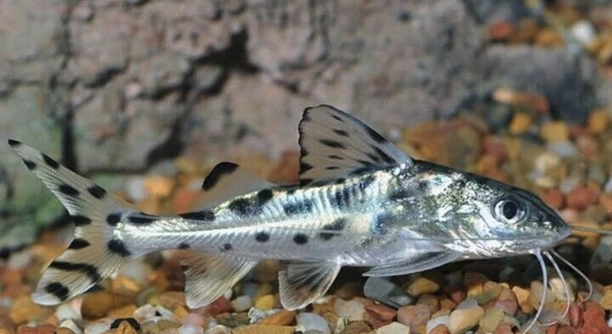
Keeping pictus catfish healthy means knowing the right tank size for them. These active fish need enough space to swim and thrive comfortably. Understanding their minimum tank requirements helps ensure a good environment for three pictus catfish.
A minimum tank size for three pictus catfish is typically 55 gallons. This size provides enough swimming space and proper water quality to support their active nature and reduce stress caused by overcrowding.
Proper tank sizing helps maintain stable water conditions and supports your fish’s wellbeing. This guide explains what you need to consider for a happy pictus catfish community.
Why Tank Size Matters for Pictus Catfish
Pictus catfish are energetic swimmers that need plenty of room to move around. If their tank is too small, they can become stressed, which may lead to health problems or aggressive behavior. A larger tank also helps keep water conditions stable, as smaller volumes can fluctuate quickly in temperature and chemistry. These fish prefer hiding spots and places to explore, so having enough space allows you to create a varied and comfortable environment. Crowding three pictus catfish in a small tank reduces their ability to establish territories and swim freely, which is important for their wellbeing. Choosing the right tank size ensures they stay active, healthy, and less prone to disease.
In a tank that meets their space needs, pictus catfish display more natural behaviors and live longer, happier lives.
Making sure your tank is large enough can prevent many common issues and supports the fish’s overall health and happiness.
Setting Up a 55-Gallon Tank for Three Pictus Catfish
A 55-gallon tank offers enough space for three pictus catfish to swim actively and avoid stress. It also provides room to add plants, decorations, and hiding spots, which these fish appreciate. This size tank helps maintain good water quality since the larger volume dilutes waste and reduces rapid changes. You will want to use a strong filter to keep the water clean and provide proper aeration because pictus catfish need well-oxygenated water. The tank should have a secure lid, as these fish are known to jump. Temperature should be kept stable between 74°F and 79°F, mimicking their natural environment. Regular water changes and monitoring are essential to keep the tank healthy. By investing in the proper tank size and setup, you create a safe and comfortable home for your pictus catfish.
Tank Shape and Its Impact on Pictus Catfish
A long tank is better than a tall or narrow one for pictus catfish. They need horizontal swimming space to move comfortably.
A wider, longer tank allows pictus catfish to swim actively, which matches their natural behavior in rivers. Tall tanks don’t give enough room for their side-to-side movement and can limit their activity. This restriction can cause stress and reduce their overall health. It’s best to prioritize length and width when choosing a tank for these fish. A longer tank also lets you create more hiding spots and varied environments, which pictus catfish appreciate for feeling safe.
In smaller or taller tanks, these fish may become less active and stressed, which can lead to illness over time. A long, well-planted tank will encourage natural swimming patterns and support their well-being.
Additional Tips for Keeping Three Pictus Catfish Healthy
Keeping three pictus catfish means maintaining excellent water quality. Regular testing and partial water changes prevent harmful buildups. Stable temperature and good filtration are essential. These fish are sensitive to sudden changes.
Pictus catfish are social but can be shy. Providing plenty of hiding places with plants or decorations helps reduce stress. Avoid aggressive tank mates that might bully them. Feeding a varied diet with sinking pellets, frozen, or live foods will keep them healthy and active. Observing their behavior regularly helps catch problems early before they worsen. Small efforts in tank maintenance and care make a big difference in their lifespan and happiness.
Choosing the Right Substrate
A soft, sandy substrate is best for pictus catfish. Their barbels are sensitive and can get damaged by rough gravel.
Using sand helps mimic their natural riverbed environment and keeps them comfortable. Avoid sharp or coarse materials that could cause injury.
Importance of Proper Lighting
Pictus catfish prefer dim lighting or shaded areas. Bright lights can stress them and cause hiding behavior. Using floating plants or subdued lighting creates a calm environment, making your fish feel secure and more active.
Tank Mates to Avoid
Avoid keeping pictus catfish with aggressive or very territorial fish. These can stress them and lead to fights or injuries. Choose peaceful community fish that won’t compete for space or food, ensuring a harmonious tank environment.
FAQ
What is the minimum tank size for one pictus catfish?
The minimum tank size for one pictus catfish is about 20 gallons. This size gives the fish enough space to swim and explore comfortably. However, since pictus catfish are social and prefer groups, a larger tank is recommended if you plan to keep more than one.
Can three pictus catfish live in a 40-gallon tank?
A 40-gallon tank is slightly small for three pictus catfish. While it might work for a short time, it does not provide enough swimming space or stable water conditions long-term. A 55-gallon tank is better to keep them healthy and reduce stress.
How often should I change the water in a tank with pictus catfish?
Changing 20-25% of the water every week is ideal. Regular water changes remove waste and keep the water clean. This routine helps maintain good water quality, which is crucial for pictus catfish health and longevity.
Do pictus catfish jump out of tanks?
Yes, pictus catfish are known jumpers. They can leap out of tanks, especially if stressed or startled. Using a tight-fitting lid or cover is important to keep them safely inside their aquarium.
What temperature range is best for pictus catfish?
Pictus catfish thrive in temperatures between 74°F and 79°F. Keeping the water stable within this range helps prevent stress and supports their immune system. Sudden temperature changes should be avoided.
Are pictus catfish aggressive toward other fish?
Pictus catfish are generally peaceful and social but may become territorial if cramped or stressed. Keeping them in a proper-sized tank with compatible tank mates reduces aggression and promotes calm behavior.
What do pictus catfish eat?
They eat a variety of foods, including sinking pellets, frozen or live bloodworms, and brine shrimp. A varied diet supports their health and natural hunting behavior. Feeding small amounts twice a day is recommended.
How long do pictus catfish live?
With proper care and a suitable environment, pictus catfish can live up to 8-10 years. Good tank maintenance, stable water conditions, and a balanced diet all contribute to their lifespan.
Can pictus catfish live with other bottom dwellers?
Yes, pictus catfish can live with other peaceful bottom dwellers like Corydoras or small loaches. However, avoid overcrowding the tank, as this can cause stress and competition for food and space.
What signs show pictus catfish are stressed?
Signs of stress include hiding constantly, loss of appetite, rapid breathing, or erratic swimming. Stress often results from poor water quality, overcrowding, or unsuitable tank conditions. Addressing these issues quickly helps the fish recover.
Choosing the right tank size for three pictus catfish is important for their health and happiness. These fish need enough space to swim freely and behave naturally. A 55-gallon tank is the recommended minimum because it gives them room to move around and helps keep the water stable. Crowded or small tanks can cause stress and lead to illness or shorter lifespans. By providing enough space, you make sure your pictus catfish stay active and healthy.
Besides tank size, other factors matter for keeping pictus catfish happy. The tank shape should be longer rather than tall to give them horizontal swimming room. A soft sandy substrate is best because it protects their sensitive barbels. Proper lighting and plenty of hiding spots help reduce stress and make the fish feel safe. Regular water changes and good filtration keep the tank clean and water quality high. Feeding a varied diet supports their nutrition and energy levels. All these details together create a balanced environment that meets the needs of pictus catfish.
If you take care of these basics, your three pictus catfish will likely live longer and show more natural behaviors. Watching them swim and interact in a well-maintained tank can be rewarding. Their active nature and peaceful personality make them a great addition to a community aquarium. Remember to avoid overcrowding and aggressive tank mates. Taking time to maintain the tank and observe your fish regularly helps you spot any problems early. Overall, providing the right space and care sets a strong foundation for happy, healthy pictus catfish.

Hello,
If you enjoy the content that we create, please consider saying a "Thank You!" by leaving a tip.
Every little bit helps us continue crafting quality advice that supports the health, happiness, and well-being of pets around the world, for pets of all shapes, sizes, and species.
We really appreciate the kindness and support that you show us!