
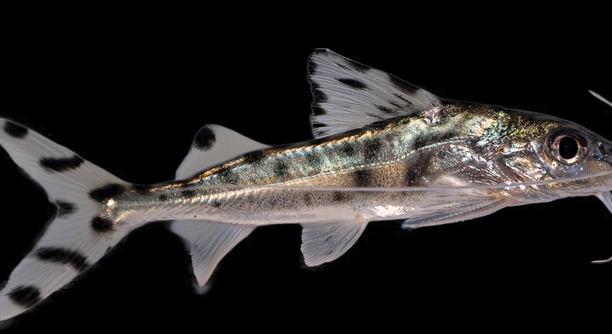
Are your Pictus catfish tank waters often cloudy, making it hard to enjoy your aquarium? Cloudy tanks are a common issue for many fish keepers, especially with active species like Pictus catfish. Maintaining clear water is essential for the health of your fish and the beauty of your tank.
Cloudy water in a Pictus catfish tank typically results from excess waste, uneaten food, or bacterial blooms. Quick fixes include regular water changes, proper filtration, avoiding overfeeding, and maintaining good tank hygiene to restore clarity efficiently.
Improving water clarity can make a big difference in your tank’s appearance and your catfish’s well-being. The following tips will help you tackle cloudy water problems quickly and effectively.
Regular Water Changes
Performing regular water changes is one of the most effective ways to keep your Pictus catfish tank clear. Removing 20 to 30 percent of the water weekly helps reduce waste buildup and dilutes harmful substances. It is important to use dechlorinated water that matches the tank temperature to avoid stressing your fish. Water changes also help balance the tank’s ecosystem by removing excess nutrients that can cause bacterial blooms. Keeping a consistent schedule supports long-term water quality and fish health. Additionally, vacuuming the substrate during water changes removes uneaten food and debris, further preventing cloudiness. While it may seem like extra work, consistent maintenance is crucial for a healthy tank environment.
Water changes refresh the tank, promoting clearer water and healthier catfish. A simple routine keeps your aquarium looking its best and helps prevent future cloudiness.
By sticking to a regular water change schedule and vacuuming the tank substrate, you reduce the buildup of waste that often causes murky water. This routine also helps control algae and bacteria growth. Consistency is key; sudden or infrequent changes can shock the fish or disrupt beneficial bacteria. Use a gravel vacuum to clean the bottom without disturbing the fish too much. Make sure replacement water is treated and at the correct temperature to maintain stability. Over time, this practice will improve water clarity and create a more balanced habitat for your Pictus catfish.
Proper Filtration
Effective filtration is necessary for keeping tank water clear and safe for your Pictus catfish. A filter helps remove physical debris and biological waste from the water. Choosing the right filter size ensures adequate water turnover and thorough cleaning.
A well-maintained filter supports stable water quality by encouraging beneficial bacteria growth and removing harmful toxins.
Filtration is more than just a mechanical process; it supports the biological balance inside your aquarium. Mechanical filtration traps debris like leftover food and waste particles, preventing them from clouding the water. Biological filtration uses beneficial bacteria to break down ammonia and nitrites into less harmful substances. Ensure your filter media is cleaned regularly, but avoid replacing all media at once, as this can reduce beneficial bacteria. Using a combination of mechanical, biological, and chemical filtration methods is ideal. Adjust the flow rate to prevent stress on the active Pictus catfish, which prefer moderate currents. A well-functioning filter helps maintain clarity, reduces maintenance, and improves fish health by controlling toxins and waste buildup.
Avoid Overfeeding
Overfeeding is a common reason for cloudy water in Pictus catfish tanks. Excess food decomposes and releases waste, which clouds the water and stresses the fish.
Controlling feeding amounts helps maintain water quality. Feed your catfish only what they can consume within a few minutes, usually once or twice a day. Uneaten food should be removed promptly to prevent decay. Using sinking pellets designed for bottom feeders reduces food waste, as Pictus catfish often eat near the tank floor. Feeding smaller portions more frequently can also improve digestion and reduce leftovers. Monitoring your fish’s eating habits helps avoid overfeeding and keeps the tank cleaner.
Regular feeding habits combined with quick removal of excess food prevent waste buildup. This practice minimizes nutrient levels that cause bacterial blooms, improving water clarity and fish health. Overfeeding can lead to dangerous ammonia spikes, so moderation is essential.
Maintain Proper Tank Hygiene
Keeping the tank clean reduces sources of cloudiness. Regularly removing algae from glass and decorations prevents buildup that can cloud the water and affect light penetration.
Cleaning equipment and replacing filter media on schedule help maintain filtration efficiency. Avoid disturbing the substrate excessively, which can release trapped debris into the water. Using a siphon to clean gravel helps remove waste without stressing fish. Keeping plants trimmed and healthy also reduces organic waste buildup. Consistent tank hygiene limits nutrient buildup that encourages bacterial and algae growth, both common causes of cloudy water. Clean tanks provide a better environment for Pictus catfish to thrive and display natural behavior.
Monitor Water Parameters
Testing water parameters regularly helps prevent cloudy water caused by imbalances. Key factors include ammonia, nitrite, nitrate, and pH levels.
Keeping these parameters stable ensures a healthy environment for your Pictus catfish and reduces stress-related water problems.
Use Activated Carbon
Activated carbon in your filter absorbs impurities and toxins that contribute to cloudy water. It helps keep the water clear and odor-free.
Replacing carbon media monthly maintains its effectiveness. This method supports quick improvements in water quality without harming beneficial bacteria.
Control Lighting
Excessive lighting can promote algae growth, which clouds the water. Limit light exposure to 8–10 hours per day.
Using a timer helps maintain consistent lighting and prevents overgrowth that affects tank clarity.
Add Live Plants
Live plants absorb excess nutrients that feed algae and bacteria. They help maintain water clarity naturally while improving oxygen levels for your fish.
Why is my Pictus catfish tank water cloudy even after a water change?
Cloudy water after a water change can result from disturbing the substrate, which releases trapped debris into the water. It can also happen if the new water added contains impurities or if beneficial bacteria colonies are disrupted. Make sure to vacuum the gravel gently during water changes and use properly treated water. Also, avoid changing too much water at once to keep the tank’s biological balance stable.
How often should I change the water in a Pictus catfish tank?
Changing 20 to 30 percent of the water once a week is generally recommended. This keeps waste levels low without shocking the fish or disrupting the beneficial bacteria that help maintain water quality. Adjustments may be necessary based on tank size, filtration efficiency, and stocking levels, but regular moderate changes usually keep the water clear and safe.
Can overfeeding cause permanent damage to my aquarium?
Overfeeding mainly causes excess waste buildup, leading to poor water quality and cloudy water. If left unchecked, ammonia and nitrite levels may rise, which is harmful or fatal to fish. Over time, chronic exposure to poor water conditions can weaken your Pictus catfish’s immune system and reduce lifespan. Prevent damage by feeding small amounts and removing uneaten food promptly.
What type of filter is best for a Pictus catfish tank?
A filter with good mechanical and biological filtration capabilities is ideal. Canister filters or hang-on-back filters are popular choices because they provide efficient water turnover and space for beneficial bacteria growth. Make sure the filter’s flow rate is moderate, as Pictus catfish prefer less turbulent water. Regular maintenance of filter media is necessary to keep filtration effective.
How does activated carbon improve water clarity?
Activated carbon absorbs dissolved organic compounds, chemicals, and toxins that cause discoloration and odors. It does not remove beneficial bacteria but helps clear the water by trapping impurities. Over time, carbon becomes saturated and less effective, so monthly replacement is recommended to maintain clear water.
Can live plants help prevent cloudy water?
Yes, live plants absorb excess nutrients like nitrates and phosphates that would otherwise feed algae and bacteria, which cause cloudy water. They also release oxygen and provide shelter, contributing to a balanced ecosystem. Choosing hardy plants that thrive in your tank conditions supports natural water clarity and fish health.
Why is it important to monitor water parameters regularly?
Regular testing of ammonia, nitrites, nitrates, and pH levels helps catch problems before they become severe. Imbalances in these parameters often lead to cloudy water and stress for your catfish. Monitoring allows timely interventions like water changes or filter adjustments to maintain a stable and clear environment.
What should I do if my tank water remains cloudy despite all efforts?
Persistent cloudiness might indicate an underlying issue such as a bacterial bloom, poor filtration, or an unbalanced ecosystem. Double-check filter performance, feeding habits, and cleaning routines. In some cases, adding beneficial bacteria supplements or reducing feeding further can help restore clarity. If problems persist, consider consulting a specialist or testing for hidden contaminants.
Is it safe to use water conditioners during water changes?
Yes, water conditioners are essential to neutralize chlorine, chloramines, and heavy metals in tap water, making it safe for your fish. Always follow product instructions to avoid overdosing. Conditioned water helps protect the delicate gill tissues of Pictus catfish and maintains stable water chemistry, preventing stress and cloudy conditions.
How can I prevent algae from causing cloudy water?
Controlling light exposure to 8–10 hours per day, avoiding excess nutrients through careful feeding, and maintaining regular cleaning help keep algae growth in check. Using live plants and activated carbon also reduce nutrient levels algae depend on. If algae growth becomes excessive, consider adjusting the tank environment or adding algae-eating species compatible with Pictus catfish.
Maintaining clear water in a Pictus catfish tank is important for both the fish’s health and the overall enjoyment of the aquarium. Cloudy water can be caused by several factors, including excess waste, overfeeding, poor filtration, and imbalanced water parameters. Addressing these issues promptly helps keep the tank environment stable and reduces stress for your catfish. Consistent care, such as regular water changes and proper feeding habits, plays a key role in preventing cloudy water from becoming a persistent problem.
Using effective filtration and activated carbon supports the tank’s cleanliness by removing debris and impurities. It is important to choose a filter appropriate for the tank size and fish activity level, and to maintain the filter regularly. Biological filtration, in particular, helps break down harmful substances that would otherwise cloud the water. Adding live plants can also benefit water clarity by absorbing excess nutrients and improving oxygen levels. Together, these methods create a balanced and healthy aquatic environment for your Pictus catfish.
Patience and consistency are essential when dealing with cloudy tanks. Changes in water clarity may not happen immediately, but with proper care and attention to tank hygiene, improvement is possible. Monitoring water parameters regularly allows early detection of issues before they worsen. Small daily habits, like controlling feeding amounts and cleaning the substrate gently during water changes, help maintain a clear and healthy tank. By following these guidelines, you can enjoy a clearer tank and a healthier home for your Pictus catfish.

Hello,
If you enjoy the content that we create, please consider saying a "Thank You!" by leaving a tip.
Every little bit helps us continue crafting quality advice that supports the health, happiness, and well-being of pets around the world, for pets of all shapes, sizes, and species.
We really appreciate the kindness and support that you show us!