
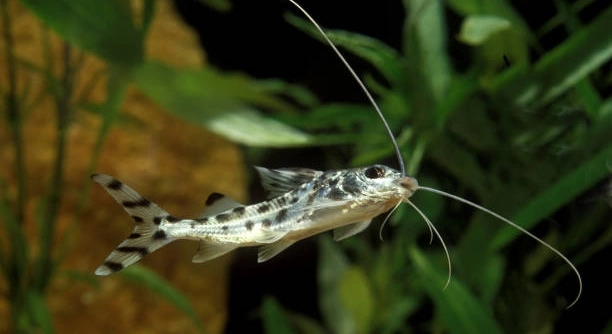
Many people enjoy keeping Pictus Catfish in their tanks because of their lively nature and unique appearance. These fish add energy to any aquarium setting, but their comfort can be affected by the noise around them. Understanding how loud is too loud for their tank is important for their well-being.
Pictus Catfish are sensitive to excessive noise and vibrations, which can cause stress and disrupt their natural behavior. A noise level above normal household sounds—generally over 60 decibels—can be harmful to them, affecting their health and activity. Maintaining a quiet environment promotes their comfort and longevity.
Learning about noise levels and their impact will help you create a peaceful habitat for your Pictus Catfish. This knowledge supports both the fish’s health and your enjoyment of a balanced aquarium.
Understanding Noise Levels Around Pictus Catfish Tanks
Noise around a Pictus Catfish tank can come from many sources, such as household activities, electronics, or even aquarium equipment. These fish rely on a calm environment because loud or sudden sounds may stress them. Stress can lead to health problems or changes in their behavior, like hiding or reduced activity. It’s important to notice the usual noise in the room where the tank is placed and try to reduce loud disturbances. Sounds above 60 decibels, such as loud music or constant banging, can be too much for these sensitive fish. Using soft padding under the tank and keeping noisy devices away helps create a quieter space. Over time, a quieter environment can improve the fish’s overall comfort and allow them to display natural behavior. Paying attention to the noise level is a small but important step for keeping Pictus Catfish happy.
Noise can impact fish health by causing stress and disrupting their normal activities.
Many people don’t realize how much noise affects fish. Pictus Catfish are more active in calm surroundings and are less likely to show signs of distress when noise is minimized. Placing the tank in a low-traffic area and avoiding tapping on the glass helps. Even aquarium filters and pumps should be checked for loud vibrations. Using quieter equipment designed for sensitive species is a good idea. When the noise level is managed well, these fish tend to thrive, showing more energy and interaction. Keeping noise in check also benefits other tank inhabitants and makes the room more peaceful for people. Making small changes to reduce noise is worth the effort to maintain a healthy, stress-free aquarium environment.
Signs Your Pictus Catfish Is Stressed by Noise
If your Pictus Catfish appears to hide more often or stops swimming actively, noise could be a reason.
Stress signs from noise include erratic swimming, loss of appetite, and hiding. These behaviors show the fish is uncomfortable or frightened. Stress weakens their immune system, making them vulnerable to illness. If loud sounds continue, it can lead to long-term health problems. Observing the fish’s behavior closely helps identify if noise is affecting them. Quieting the area and giving the fish time to adjust often improves their behavior. Sometimes, simple steps like moving the tank or adjusting equipment can make a big difference. Paying attention to these signs is essential to maintain your fish’s well-being and enjoy a lively tank.
How to Measure Noise Levels in Your Fish Tank Area
Measuring noise levels helps you understand if your Pictus Catfish tank environment is too loud. You can use simple smartphone apps or a dedicated sound meter to get an idea of the decibel range around the tank. Regular checks are useful.
Smartphone apps provide an easy way to monitor noise in your tank’s surroundings. Place the phone near the aquarium and observe the readings during different times of the day. Pay attention to noisy moments like when household appliances run or people are active nearby. This helps identify peak noise periods and decide if changes are needed. Consistently high readings indicate a noisy environment, which might stress your fish. Lowering noise during these times can improve fish comfort. Sound meters can give more precise data if you want to be exact, but apps often work well for everyday use.
Reducing noise can also involve physical adjustments. Softening sounds by adding mats under equipment or moving the tank away from noisy spots helps. Closing doors or using soundproofing methods can also reduce noise impact. Once you know your noise levels, it’s easier to manage the environment for your Pictus Catfish’s well-being.
Equipment Noise and Its Impact on Pictus Catfish
Equipment like filters and air pumps often create background noise that fish can hear clearly. Quiet models help reduce stress in the tank.
Regular maintenance of equipment prevents loud vibrations and noise spikes. Cleaning or replacing worn parts ensures smoother operation and less disturbance. Positioning equipment properly reduces noise transmission through tank surfaces. Rubber pads or foam placed under motors absorb vibrations effectively. Sometimes, upgrading to newer, quieter models is necessary for a peaceful tank environment. Constant loud humming or buzzing may irritate the fish and cause them to behave unusually. Monitoring equipment noise and acting on it creates a calmer habitat. It also extends the life of the equipment by preventing damage from vibrations.
Even small improvements in equipment noise can make a big difference. Your Pictus Catfish will be more relaxed and display natural swimming and feeding behaviors. Reducing noise pollution from equipment benefits the entire aquarium ecosystem and contributes to the fish’s long-term health and happiness.
Managing Noise From Household Activities
Common household noises like vacuuming or loud conversations can disturb Pictus Catfish. Keeping the tank away from busy areas helps reduce their stress.
Scheduling noisy chores for times when fish are less active minimizes the impact. Softening sounds with rugs or curtains can also help.
Creating a Quiet Aquarium Environment
Soft background sounds, like gentle water flow or low ambient noise, are less likely to stress fish. Consistent noise is better tolerated than sudden loud sounds. Keeping the environment predictable helps Pictus Catfish feel secure and comfortable.
When to Consider Moving Your Tank
If noise cannot be controlled, relocating the tank to a quieter room can improve fish well-being. A calm, low-traffic area is ideal for sensitive species like Pictus Catfish.
FAQ
How loud is too loud for a Pictus Catfish tank?
Pictus Catfish generally do best in environments where noise levels stay below about 60 decibels, similar to normal conversation volume. Loud or sudden noises above this level can cause stress and affect their health. Constant exposure to noises like loud music, banging, or heavy vibrations should be avoided to keep the fish comfortable.
Can aquarium equipment noise harm my Pictus Catfish?
Yes, noisy equipment such as pumps or filters can disturb these fish. Vibrations and constant humming may stress them, leading to behavioral changes or illness. It’s important to regularly maintain and choose quiet models, use vibration dampeners, and position equipment properly to reduce noise.
Are Pictus Catfish more sensitive to noise than other fish?
They are moderately sensitive because they use their barbels and lateral lines to detect changes in water movement and sound. Sudden or loud noises may startle them more than some other species, making a calm environment especially important.
What signs show my Pictus Catfish is stressed by noise?
Look for hiding, erratic swimming, loss of appetite, or less interaction with the tank. These signs often mean the fish is uncomfortable or scared. Stress weakens their immune system, so addressing noise issues quickly is important.
How can I measure the noise level around my tank?
Simple smartphone apps can measure decibels near your aquarium. These apps give a quick idea of the noise level throughout the day. For more precise readings, a dedicated sound meter can be used. Regular checks help track if noise spikes occur during certain activities.
What are practical steps to reduce noise around the tank?
Place the tank in a quieter room or corner away from heavy foot traffic and loud appliances. Use mats or foam pads under equipment to absorb vibrations. Soft furnishings like rugs and curtains help soften household noise. Schedule loud chores for times when fish are less active.
Does moving the tank help with noise problems?
Yes, relocating the tank to a quieter space can greatly improve fish comfort. Choose low-traffic rooms with fewer sudden noises. This change reduces stress and helps the fish show natural behavior.
Can loud music near the tank harm my fish?
Loud music, especially with strong bass or sudden volume changes, can stress Pictus Catfish. Keeping music at a moderate volume and not playing it directly near the tank reduces risk.
Is it normal for Pictus Catfish to be shy or hide a lot?
While some hiding is normal, excessive hiding might mean the fish is stressed, possibly due to noise or other environmental factors. Quieting the area and checking tank conditions can help.
What noise level is safe during feeding times?
Keeping the environment calm during feeding helps fish feel safe and eat well. Avoid loud sounds or tapping on the glass, which can frighten them and disrupt feeding.
How often should I check noise levels?
Checking noise levels weekly or whenever new equipment or changes occur is good practice. This helps you catch problems early and adjust to keep a peaceful environment.
Can other pets cause harmful noise for Pictus Catfish?
Pets like dogs or cats can create sudden noises that startle fish. Try to keep the tank in a spot where pet activity is limited to reduce stress.
Are there any noises Pictus Catfish actually like or respond to?
Pictus Catfish respond positively to gentle water movement and consistent, low-level background noise. They prefer predictable sounds rather than sudden loud noises.
Does tank size affect noise sensitivity?
Larger tanks can sometimes buffer noise better because sound waves disperse more, but the fish inside can still be sensitive. Proper placement and noise control remain important regardless of tank size.
What equipment upgrades can reduce tank noise?
Upgrading to modern, quieter filters and pumps designed for sensitive fish is effective. Adding rubber pads or foam mounts also reduces vibration noise significantly.
Can noise stress lead to disease in Pictus Catfish?
Yes, chronic stress from noise weakens the immune system, making fish more prone to infections and illness. Managing noise helps maintain their health.
Is it better to have a tank in a busy or quiet room?
A quiet room with limited sudden noises is better for Pictus Catfish. They thrive in calm environments where they can swim and feed without constant disturbance.
What if I can’t reduce noise completely?
Focus on minimizing the loudest and most sudden noises. Use soft padding under equipment, and create a visual barrier to reduce stress. If possible, relocate the tank to a quieter spot to give your fish a better environment.
Do Pictus Catfish react to human voices?
They may notice voices but usually don’t react strongly if the tone is calm and volume moderate. Loud or sharp voices can cause stress, so speaking softly near the tank is best.
How long does it take for Pictus Catfish to adjust to noise changes?
Adjustment time varies but often takes several days to weeks. Consistent quiet and stable conditions help them recover and return to normal behavior.
Is noise the only cause of stress in Pictus Catfish?
No, other factors like water quality, tank mates, and lighting also affect stress levels. Noise is important but should be managed alongside other care aspects.
What daily habits help keep noise low around the tank?
Avoid tapping the glass, keep loud conversations away, and turn off noisy devices near the tank. Gentle handling and routine maintenance also prevent sudden noise spikes.
Can adding plants or decorations reduce noise impact?
While decorations don’t reduce noise levels, they provide hiding spots that help fish feel secure when noises happen. Plants create a natural environment that can lower stress.
Creating a peaceful environment for your Pictus Catfish is important to their health and happiness. Noise that is too loud or sudden can cause stress, which affects how these fish behave and their overall well-being. By paying attention to the sounds around the tank and keeping noise at a moderate level, you help your fish feel safe and comfortable. It’s not just about the loud noises but also about keeping the environment predictable and calm. When fish are relaxed, they swim more naturally and eat better, which means they stay healthier over time.
Controlling noise near the tank often requires some simple changes. Moving the tank away from busy areas and noisy household equipment makes a big difference. Using quieter filters and pumps, and placing them on soft mats or foam, can reduce vibrations and humming sounds. Even small adjustments like closing doors or using rugs and curtains to soften sounds help lower noise levels. Measuring noise with an app or sound meter helps identify when and where loud noises happen so you can fix them. These efforts support a more peaceful space not only for your fish but also for the people around the tank.
Remember that every aquarium setup is unique, and some noise is inevitable in a home. The goal is to reduce loud, sudden, or constant noises that disturb your Pictus Catfish. Watching your fish’s behavior gives clues about how well they are coping. If they hide often or act stressed, it may be time to check noise sources again. Providing a calm environment makes a positive difference, helping your fish thrive and allowing you to enjoy a beautiful, healthy aquarium for years.

Hello,
If you enjoy the content that we create, please consider saying a "Thank You!" by leaving a tip.
Every little bit helps us continue crafting quality advice that supports the health, happiness, and well-being of pets around the world, for pets of all shapes, sizes, and species.
We really appreciate the kindness and support that you show us!