
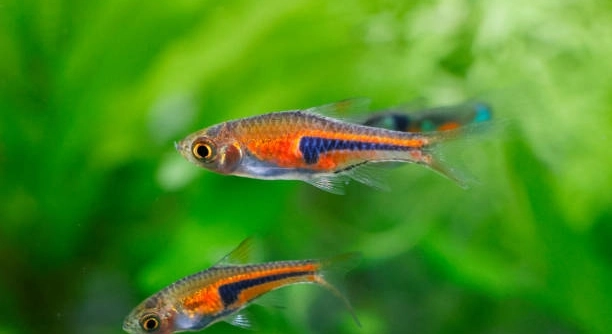
Rasboras are small, active fish often kept in home aquariums. They explore their surroundings and react to changes in their environment. Observing how they behave around new objects can reveal much about their nature and comfort.
When introduced to new objects, rasboras typically approach cautiously, inspecting the item with curiosity before gradually becoming accustomed to its presence. This behavior reflects their natural instincts to assess potential threats and adapt to changes in their habitat.
Understanding rasbora behavior around new objects helps aquarists create a comfortable and stimulating environment for these lively fish. This knowledge encourages better care and appreciation of their natural habits.
How Rasboras Explore New Objects
Rasboras are naturally curious fish that like to investigate anything new in their tank. When a new object is placed inside, they tend to swim around it carefully, often circling and sometimes even pecking at it lightly. This cautious approach helps them decide if the object is safe or if it might be a threat. Over time, as the rasboras become more familiar with the item, their behavior usually shifts to more relaxed exploration, with some fish even using the object as a hiding spot or a place to rest. The shape, size, and color of the object can influence how quickly they accept it. Bright or unusual shapes may cause hesitation, while objects that blend well into the environment tend to be accepted faster. Watching rasboras interact with new items can offer insights into their personalities and how they feel in their tank.
This careful exploration is a key way rasboras adjust to changes in their habitat.
Rasboras need time to get used to new things. Giving them space and avoiding sudden movements nearby can help reduce stress. If the new object is too large or brightly colored, they might stay away longer. However, most rasboras will eventually grow comfortable, sometimes even playing around the object. This behavior shows their ability to adapt and feel secure, which is important for their well-being. The gradual process also helps them maintain a stable routine in their environment.
Impact of New Objects on Rasbora Behavior
Adding new objects can change how rasboras act, sometimes making them more active or cautious.
New objects may affect the tank’s layout and water flow, which can influence rasboras’ swimming patterns. Sometimes, new decorations provide hiding places, helping shy fish feel safer. When rasboras have spots to retreat, they tend to explore more confidently. On the other hand, objects that block swimming space or disrupt water circulation can cause stress or aggression. Observing how rasboras interact with new items is important to keep their environment balanced. If you notice they avoid an area or show signs of stress, reconsider the placement or type of object. Keeping a simple, clean tank setup with occasional new items can stimulate natural behavior without overwhelming them. Choosing decorations that resemble natural plants or stones often encourages positive responses and keeps rasboras active and comfortable in their home.
Signs of Comfort and Stress in Rasboras
Rasboras show comfort by swimming freely and exploring new objects. Stress may appear as hiding, erratic swimming, or refusal to eat.
When rasboras feel comfortable, they swim confidently around new objects and sometimes rest near them. This behavior indicates they accept the item as part of their environment. They may also interact with other fish normally and continue their usual activities. On the other hand, stressed rasboras tend to hide more often and avoid the new object. Some may swim nervously or dart around the tank, showing signs of anxiety. Watching these behaviors closely can help determine if the new addition is causing discomfort.
Stress can affect their health, so it’s important to recognize early signs. Changing or removing the object may be necessary if they don’t adjust after a few days.
Tips to Help Rasboras Adjust to New Objects
Introduce new items slowly to avoid overwhelming rasboras.
Start with small or natural-looking objects that blend with the tank. Place new items away from their usual swimming paths at first. Observe their behavior for a few days before moving the object closer to popular areas. Keep the tank environment stable by maintaining water quality and avoiding other sudden changes. Offering familiar hiding spots alongside new objects helps rasboras feel secure during adjustment. Be patient; some fish need more time than others to explore and accept new things. This gentle approach helps keep them calm and curious without causing stress.
Common Reactions to Bright or Shiny Objects
Rasboras often react cautiously to bright or shiny objects. These items can startle them or cause hesitation in exploring.
Some rasboras may avoid these objects for a while, while others show curiosity by swimming close and investigating. Their reaction depends on the individual fish and the object’s appearance.
How Group Size Affects Exploration
Rasboras are schooling fish, so their group size influences how they approach new objects. In larger groups, they tend to explore more confidently and quickly because they feel safer together.
When alone or in small groups, rasboras may be more cautious and slower to investigate, as they rely on numbers for protection.
The Role of Lighting in Rasbora Behavior
Lighting affects how rasboras perceive new objects. Bright lights can make shiny or colorful items stand out more, sometimes causing stress. Dimming the light can help them feel more at ease when introduced to new things.
Adjusting lighting during introductions helps rasboras gradually accept changes without fear.
FAQ
How long does it take for rasboras to get used to new objects?
Rasboras usually take a few days to a week to fully adjust to new items in their tank. The exact time depends on the object’s size, color, and placement, as well as the individual fish’s personality. Smaller, natural-looking objects are accepted faster. Giving them space during this time helps reduce stress and encourages curiosity.
Will new objects stress my rasboras?
New objects can cause mild stress at first, especially if they are bright, large, or unfamiliar. Stress shows as hiding, erratic swimming, or loss of appetite. However, most rasboras adapt if the environment remains stable and the objects don’t block swimming space or disrupt water flow. Monitoring behavior helps you decide if changes are needed.
What types of objects do rasboras prefer?
Rasboras tend to prefer objects that resemble their natural habitat, such as smooth stones, plants, or driftwood. Items with soft colors and rounded shapes are less likely to cause fear. Avoid sharp or reflective decorations, as they may frighten or injure the fish.
Can rasboras damage new objects?
Rasboras are gentle swimmers and rarely damage decorations. They might nibble on plants or algae but don’t usually harm solid objects. If you notice damage, it could be from other tank inhabitants or poor placement causing abrasion.
Should I quarantine new objects before adding them to the tank?
Yes, it’s a good practice to clean and, if possible, soak new items before introducing them. This removes chemicals, dust, or bacteria that could harm the fish or alter water quality. Rinsing with warm water and scrubbing gently is usually enough for decorations.
How do I know if a new object is safe for my rasboras?
Make sure the object is made from aquarium-safe materials, free of sharp edges or toxic paints. Avoid metals, treated wood, or plastics not designed for fish tanks. Observing your fish after adding the object will show if it causes any signs of stress or discomfort.
What should I do if my rasboras don’t explore the new object?
If they avoid the item for several days, try moving it to a less exposed area or pairing it with familiar plants or decorations. Sometimes dimming the tank light during introduction can help. Patience is key; some fish take longer to feel comfortable.
Can new objects improve rasbora behavior?
Yes, adding new items can stimulate natural exploration and reduce boredom. Providing hiding spots or varied textures encourages active swimming and social interaction. It’s important to avoid overcrowding, which can cause stress instead of enrichment.
Is it better to add one object at a time or several?
Adding one object at a time is best. It allows you to observe how rasboras react and adjust. Multiple new objects may overwhelm them and cause stress. Gradual changes help maintain a calm environment and promote healthy behavior.
Do rasboras rearrange or move objects?
Rasboras do not usually move or rearrange decorations. They focus on swimming and socializing. If you notice objects being moved, it could be from other fish or tank inhabitants like snails or crabs.
How often should I change tank decorations?
Changing decorations occasionally can keep the environment interesting, but frequent changes may stress fish. A good rule is to refresh items every few months or when you notice signs of wear or algae buildup. Always introduce changes slowly.
Can new objects affect water quality?
Certain decorations, especially natural wood or plants, can slightly change water chemistry over time. It’s important to monitor parameters regularly after adding new items. Clean artificial decorations to prevent algae and debris buildup that could impact water quality.
Is it normal for rasboras to hide behind new objects?
Yes, hiding behind new items is a normal response as they feel safer. This behavior usually decreases once they become accustomed to the object. Providing multiple hiding spots can help shy or stressed fish feel secure while adjusting.
Do rasboras prefer live plants or artificial plants around new objects?
Live plants offer natural shelter and improve water quality, which many rasboras prefer. Artificial plants are easier to maintain but may not provide the same benefits. Choosing soft, realistic artificial plants is a good alternative if live plants are not an option.
How can I encourage rasboras to explore new objects?
Keep the tank calm and well-lit during the day, offer familiar hiding places nearby, and avoid sudden movements or loud noises. Feeding near the new object can create positive associations. Over time, this encourages exploration and reduces fear.
Rasboras are small, lively fish that show clear reactions to changes in their environment. When new objects are added to their tank, they tend to be cautious at first. This is natural because they need to understand if the object is safe or not. Over time, most rasboras become comfortable and even curious, exploring the item more freely. Watching how they respond can tell you a lot about their mood and health. Being patient and giving them space during this adjustment period helps reduce stress and supports their well-being.
It is important to choose new objects carefully. Decorations that look natural and fit well with the tank’s existing setup are usually accepted faster by rasboras. Bright or shiny items might scare them or cause hesitation. Keeping the tank balanced by not overcrowding it with decorations makes a big difference in how these fish react. Cleanliness and safety of the objects also matter. Always rinse and check new items for sharp edges or harmful materials before placing them inside the tank. This helps keep the water quality stable and protects the fish from injury or stress.
Adding new objects to a rasbora tank can be a positive experience when done thoughtfully. It provides stimulation and can encourage natural behaviors like exploring and hiding. These actions are signs that the fish feel safe and engaged in their environment. However, every fish is different, so some may need more time to adjust than others. Observing their behavior closely and making small changes as needed will create a comfortable home for your rasboras. Taking time with each new addition ensures that your fish stay healthy and happy over the long term.

Hello,
If you enjoy the content that we create, please consider saying a "Thank You!" by leaving a tip.
Every little bit helps us continue crafting quality advice that supports the health, happiness, and well-being of pets around the world, for pets of all shapes, sizes, and species.
We really appreciate the kindness and support that you show us!