
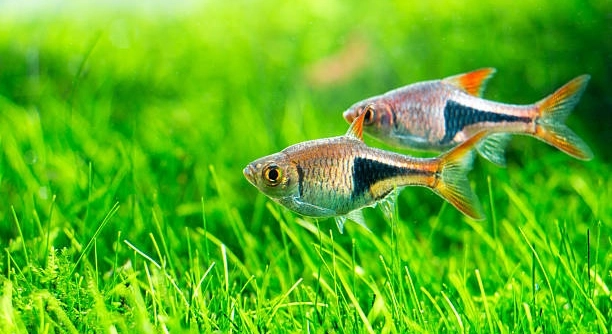
Do you ever find yourself watching your rasboras and wondering if there’s a rhythm to their day-to-day behavior in the tank?
Rasboras often follow seven distinct daily rhythms that include feeding times, resting periods, group movements, and social behaviors. These patterns help maintain their overall health and promote natural activity in a captive environment.
Recognizing these small but steady habits can help you create a more comfortable and enriching space for your rasboras to thrive in.
Morning Feeding Patterns
Rasboras tend to become active shortly after the aquarium light comes on. They usually gather near the top or middle of the tank, expecting food. This time is ideal for offering their first meal of the day. Feeding them at a consistent time helps regulate their metabolism and builds a reliable routine. They are most responsive to food during this window, often darting quickly to catch floating bits. Offering small amounts prevents overfeeding and keeps the water clean. Observing their excitement during this time can be a helpful way to monitor their health and appetite each day.
A predictable morning feeding routine gives rasboras a sense of security and helps balance their daily energy levels.
Keeping your feedings consistent helps build structure for your rasboras. If they seem sluggish or less interested in food, it may point to stress or changes in their environment. Subtle behavior shifts are worth paying attention to early on.
Midday Resting Periods
By midday, rasboras often slow down and spend more time hovering in place, especially around plants or shaded areas. Their activity dips slightly compared to morning and evening.
This resting period doesn’t mean they are unwell—it’s a natural part of their daily rhythm. During this time, you might notice them gently floating or moving slowly through their favorite hiding spots. It’s best not to disturb them too much, especially with sudden tank maintenance or bright light changes. A calm tank environment allows them to recharge. If you keep other species in the tank, make sure those fish don’t harass the rasboras while they rest. Tank mates should be peaceful to avoid disrupting this rhythm. You can use this period to check water conditions or clean filters quietly, without alarming the fish. Understanding this resting behavior can help you better support their health and stress levels over time.
Schooling and Social Swims
Rasboras tend to swim together in small groups throughout the day, especially during mid-morning and late afternoon. These social swims are a natural behavior and help reduce stress, making them feel safer and more relaxed in the tank.
Watching their movements can tell you a lot about their comfort level. If one fish separates often or hides, it might be feeling unwell or stressed. Try to maintain at least six rasboras in a group, as they are naturally social and rely on one another to feel secure. A balanced tank layout with open swimming space and some plants encourages this behavior. Avoid overcrowding or placing aggressive tank mates with them. These group swims are also how they build social bonds, keep active, and explore their surroundings. Providing a peaceful and familiar space lets them swim comfortably together, which is key for both their physical and mental well-being.
Their swimming rhythm usually picks up during times of light changes or just before feedings. You might see them weaving together through the tank, making quick turns or circling plants. These movements are not random—they’re how they stay connected and alert. A consistent tank environment helps them keep this rhythm naturally and confidently.
Evening Feeding Response
In the evening, rasboras often show a second peak in activity as they prepare for their final feeding of the day. Their energy levels rise again, and they swim more quickly near the surface and middle of the tank.
Feeding at the same time each evening helps them wind down smoothly afterward. Choose a light meal, avoiding anything too heavy or messy, since digestion slows at night. Flakes or small pellets work well. After eating, they typically become less active and move toward shaded areas or plants to settle in. Watch for any fish that skip meals or lag behind the group—it could signal stress or minor illness. Keeping this rhythm consistent makes them feel secure. Make sure the lighting begins to dim gradually after this feeding, helping them transition into nighttime. These simple habits support their natural body clock and overall health without requiring complex changes.
Quiet Evening Behavior
As the lights begin to dim, rasboras usually slow down. They swim less and often gather near plants or corners of the tank where they feel hidden and calm.
This is when their movements become minimal. It’s a natural part of their rhythm and helps them rest without stress or disruption.
Nighttime Rest Rhythm
At night, rasboras rest by hovering in place or gently swaying in low-flow areas. They don’t sleep like humans, but their bodies enter a state of low activity. It’s important not to disturb the tank during this time. Avoid sudden light or noise, as this can startle them. A consistent light schedule is helpful, letting them settle into rest mode naturally. Keep any tank maintenance or feeding away from nighttime hours. If your rasboras appear still during this period, it’s likely just their normal resting state. They rely on a stable nighttime setting to recover and stay healthy, so quiet surroundings matter.
Light Response and Activity Shift
Rasboras are sensitive to changes in light. Sudden brightness can cause them to dart or hide. A gradual shift in lighting helps them adjust and keeps their daily rhythm steady.
FAQ
Do rasboras really need to be in groups to follow daily rhythms?
Yes, rasboras are naturally social fish. Keeping them in groups of at least six helps them feel secure, reduces stress, and supports their natural daily behaviors. When kept alone or in very small numbers, they can become timid, hide more often, or stop displaying normal behaviors like schooling and exploring. Group living gives them a sense of safety, which allows them to follow consistent activity patterns like morning feeding, midday resting, and evening calming. It also helps them interact more naturally and comfortably throughout the day.
Why do rasboras become less active during the middle of the day?
This midday slowdown is completely normal. It’s similar to a rest period. After their morning swim and first feeding, rasboras often reduce their activity and float calmly around plants or shaded tank areas. This helps them conserve energy and avoid stress. It’s not a sign of sickness unless it’s paired with symptoms like clamped fins or rapid breathing. As long as they resume activity later, this rhythm shows they are adjusting well to their tank environment and feel safe enough to pause and rest during quieter hours.
Is it okay if my rasboras aren’t schooling all the time?
Yes, rasboras don’t school constantly. While they stay close together, especially when alert or during feeding times, they may also spread out during calmer parts of the day. You’ll likely see tight schooling early in the morning or when something changes in the tank, like lighting or food being added. A looser group or occasional breaks from the school are normal during rest periods or when the tank feels safe. Only worry if one rasbora isolates itself often or stays hidden—it may be stressed or unwell.
Do they need specific lighting to keep these rhythms stable?
Rasboras benefit from a stable light schedule. A simple light cycle of 10–12 hours on and 12–14 hours off helps them stick to their natural routine. Sudden light changes can cause panic or confusion. Try using a timer to keep things regular. Gentle morning and evening lighting transitions are best. This lets them ease into their activity periods and rest times without stress. Avoid turning tank lights on or off abruptly, especially during their rest periods. Stability in lighting plays a big role in maintaining healthy daily rhythms.
Can stress throw off their normal behaviors?
Yes, stress can definitely disrupt rasboras’ daily patterns. Common causes include poor water quality, aggressive tank mates, sudden temperature shifts, and loud noises. When stressed, they may stop schooling, skip meals, or remain hidden. They might also swim frantically or become more aggressive. Keeping the tank calm, clean, and stable helps avoid this. If you notice a break in their usual rhythm, test the water, check for disturbances, and observe other tank residents. Even small changes can affect their comfort and behavior quickly, so consistency is key.
How can I tell if their daily rhythm is healthy?
A healthy rhythm shows up as active swimming in the morning, light social swimming during the day, feeding interest, and calm resting behavior in the evening. If your rasboras follow this pattern regularly, they’re likely doing well. They should show interest in food, stay close to their group, and avoid hiding unless resting. Any sudden shift in behavior—like refusing food, staying still for long periods, or isolating from the group—might mean something is off. Keeping an eye on their routine is a simple but effective way to monitor their health.
Final Thoughts
Rasboras are peaceful and gentle fish that follow simple yet steady patterns each day. These daily rhythms help them stay healthy, feel safe, and adjust better to their tank environment. From active morning swims and group feedings to quiet evening rests, each part of their routine has a purpose. When their needs are met, they settle into these habits naturally without needing much effort from you. Watching their day unfold can also be a helpful way to notice changes in behavior that might signal stress or illness.
A big part of supporting these rhythms is keeping their environment calm and consistent. That means feeding them at the same times each day, keeping the light schedule regular, and avoiding sudden changes to their surroundings. It also means giving them enough space, hiding spots, and a peaceful group of tank mates. Small details—like gentle lighting transitions or offering a few plants—can make a big difference in how relaxed your rasboras feel throughout the day.
Understanding their rhythm helps you care for them in a more thoughtful way. You’ll know when to feed, when to leave them undisturbed, and how to spot when something isn’t right. These patterns also give your tank a natural flow, making it feel more alive and balanced. Rasboras may be small and quiet, but they show clear signs when they’re thriving. With simple care and attention to their daily habits, you’ll be able to enjoy their calm presence and graceful swimming without stress—for them or for you.

Hello,
If you enjoy the content that we create, please consider saying a "Thank You!" by leaving a tip.
Every little bit helps us continue crafting quality advice that supports the health, happiness, and well-being of pets around the world, for pets of all shapes, sizes, and species.
We really appreciate the kindness and support that you show us!