
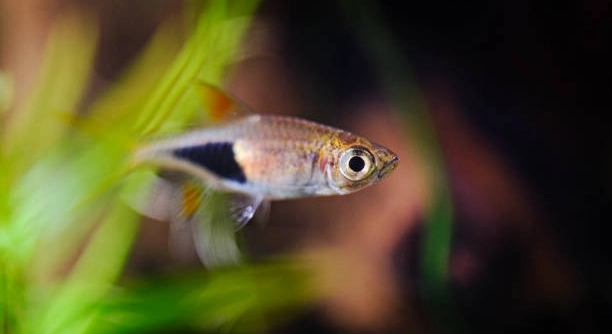
Rasboras are small, peaceful fish often kept in community aquariums. They have unique behaviors that sometimes make them avoid other fish in the tank. Understanding these behaviors can help improve their care and environment.
Rasboras tend to dodge other fish mainly due to their natural shy and cautious temperament. This behavior is a survival strategy to avoid aggression or competition. They prefer calm surroundings and may keep distance from more active or territorial species.
Learning about these tendencies helps create a balanced tank where rasboras feel safe and thrive alongside other fish. The following details explain why they act this way and how to support their well-being.
Understanding Rasbora Behavior
Rasboras are naturally timid fish that rely heavily on their environment to feel secure. In the wild, they live in large schools, which provides safety in numbers and reduces the risk of being targeted by predators. When placed in an aquarium, they often try to mimic this schooling behavior. However, if their tank mates are too aggressive or overly active, rasboras may feel threatened and avoid interaction. Their tendency to dodge other fish can be a response to stress or discomfort, which can impact their overall health. Providing plenty of hiding spots, such as plants and decorations, can help them feel safer and reduce their need to stay distant from others. It is important to choose compatible tank mates that do not chase or intimidate the rasboras, allowing a peaceful coexistence that respects their natural instincts.
Stress and fear play a major role in why rasboras keep their distance from certain fish.
A healthy aquarium environment balances activity levels and tank space. Rasboras flourish best with gentle fish that match their peaceful nature. Creating a calm and stable habitat with sufficient cover allows them to exhibit natural behaviors without constant fear. Over time, rasboras may become more confident and interact more freely if they feel secure. Keeping water quality stable and avoiding sudden changes also supports their comfort. Observing their behavior closely helps identify if other fish are causing undue stress, so adjustments can be made. Taking care to provide an environment that respects their shy personality encourages their well-being and longevity.
Tank Setup Tips for Rasboras
Choosing the right environment is crucial for rasboras’ comfort.
Proper tank setup involves creating spaces where rasboras can hide or retreat. Dense plants, smooth decorations, and dim lighting replicate their natural habitat and help reduce stress. Open swimming areas mixed with sheltered spots allow them to balance exploration and safety. Tank size should be adequate for schooling behavior, ideally a minimum of 20 gallons. Avoid overcrowding and ensure gentle water flow to prevent disturbances. Selecting tank mates that are calm and non-aggressive ensures rasboras don’t feel the need to constantly dodge or hide. Maintaining stable water parameters supports their health, as sudden changes can increase anxiety. Consistency in feeding and cleaning routines also reduces stress. Through careful planning and observation, a tank can become a comfortable home where rasboras thrive and coexist peacefully.
Choosing Compatible Tank Mates
Rasboras do best with peaceful, small to medium-sized fish. Aggressive or very active species stress them out.
Fish like neon tetras, corydoras catfish, and small gouramis are good companions. These species share similar temperaments and won’t intimidate rasboras. Avoid large or territorial fish that may chase or bully them. Compatibility helps rasboras feel secure and encourages natural schooling behavior. Watching interactions between species early on can prevent future conflicts.
Tank mate selection should also consider water parameters. Rasboras prefer slightly acidic to neutral pH and moderate temperatures. Choosing species with similar requirements ensures a healthy community. This balance creates a peaceful tank where all fish can coexist without stress or competition.
Feeding Habits and Social Behavior
Rasboras are omnivores and thrive on a varied diet including flakes, micro pellets, and live foods. Feeding small amounts multiple times a day mimics their natural foraging habits. Overfeeding can cause water quality issues, so careful portion control is important.
Socially, rasboras are schooling fish and feel safest in groups of six or more. Isolation increases stress and may lead to hiding or dodging behaviors. Keeping a proper group size promotes confidence and interaction. Observing their behavior during feeding times helps identify any dominant or aggressive individuals that might disturb the group’s harmony. Maintaining these conditions supports their health and natural behavior patterns.
Signs of Stress in Rasboras
Stress in rasboras often shows through erratic swimming or excessive hiding. Changes in color or appetite can also be signs.
If rasboras frequently dodge tank mates or isolate themselves, it may indicate stress. Monitoring their behavior helps catch problems early.
Maintaining Water Quality
Clean, stable water conditions are essential for rasbora health. Regular water changes and testing for ammonia, nitrites, and nitrates keep the environment safe. Proper filtration reduces toxins and supports oxygen levels, preventing stress and illness.
The Importance of Lighting
Rasboras prefer moderate lighting that mimics their natural habitat. Too much light can cause stress and promote algae growth. Balanced lighting helps them feel secure and encourages natural behavior, including schooling and feeding.
Why do rasboras avoid other fish in the tank?
Rasboras often dodge other fish because they are naturally shy and cautious. They feel threatened by aggressive or overly active tank mates. This behavior helps them avoid confrontation and stress. A calm environment with gentle fish allows rasboras to feel more secure and interact normally.
How many rasboras should be kept together?
Rasboras are schooling fish and do best in groups of at least six. Smaller groups can cause stress and lead to hiding or avoidance behaviors. A larger group encourages natural schooling, making them feel safer and more confident in the tank.
What tank mates are best for rasboras?
Ideal tank mates for rasboras are peaceful, small to medium-sized fish like neon tetras, corydoras catfish, and small gouramis. Avoid large, aggressive, or territorial species, as they can intimidate or chase rasboras, causing stress and avoidance.
How can I reduce stress for my rasboras?
Provide plenty of hiding places with plants and decorations. Keep the water stable and clean, with regular testing and changes. Maintain a peaceful community with compatible tank mates. Feeding a varied diet in small portions throughout the day also helps reduce stress.
What diet is best for rasboras?
Rasboras are omnivores. A mix of high-quality flakes, micro pellets, and live or frozen foods like daphnia or brine shrimp works well. Feeding small amounts multiple times daily mimics their natural foraging and keeps them healthy.
Why do rasboras hide so much?
Excessive hiding often indicates stress or fear. It may result from aggressive tank mates, poor water conditions, or insufficient shelter. Improving tank conditions, choosing better companions, and providing more hiding spots usually reduce hiding behavior.
Can rasboras live with aggressive fish?
Rasboras generally do not tolerate aggressive fish well. Aggressive tank mates can cause stress, injury, or even death. It is best to avoid mixing rasboras with territorial or fin-nipping species to ensure their well-being.
What water conditions do rasboras prefer?
Rasboras thrive in slightly acidic to neutral pH (6.0-7.5) and temperatures between 72°F and 78°F (22°C–26°C). Stable water parameters with low ammonia and nitrates are essential. Sudden changes can increase stress and cause illness.
How important is tank size for rasboras?
Tank size matters because rasboras need room to school and swim comfortably. A minimum of 20 gallons is recommended for a small group. Larger tanks help reduce territorial disputes and provide more stable water conditions.
Do rasboras interact with other fish?
Rasboras usually keep to their own kind but may occasionally swim alongside peaceful tank mates. Their shy nature means they avoid confrontation and prefer to stay within their group for safety.
How do lighting conditions affect rasboras?
Moderate lighting is best. Too bright lighting can stress rasboras and encourage unwanted algae growth. Balanced lighting replicates their natural habitat, supporting their health and natural behaviors like schooling and feeding.
What are common signs of illness in rasboras?
Signs include faded color, clamped fins, lethargy, loss of appetite, and unusual swimming patterns. Early detection and proper water care can prevent serious illness. Quarantining new fish before introducing them helps protect the group.
Is it normal for rasboras to be shy at first?
Yes, rasboras often take time to adjust to new environments. They may hide or dodge other fish initially but usually become more confident with time and proper care.
How often should I clean the tank for rasboras?
Regular water changes of 20-25% weekly help maintain water quality. Avoid overcleaning or disturbing the tank too often, as this can stress rasboras.
Can rasboras breed in a community tank?
Breeding in a community tank is possible but less common due to stress and tank mate interference. A separate breeding tank with controlled conditions is often preferred for better success.
Rasboras are delicate fish that require careful attention to their environment and companions. Their tendency to dodge other fish is rooted in their shy and cautious nature. Providing a calm tank with peaceful species helps reduce stress and encourages natural schooling behavior. It is important to understand these behaviors as part of their survival instincts rather than signs of weakness or illness. Recognizing this helps aquarium keepers create a habitat that meets their needs, allowing rasboras to feel safe and display their best behaviors.
Maintaining stable water conditions and proper tank setup is essential for rasbora health. Clean water with consistent temperature and pH supports their well-being and reduces stress. Adding plants and decorations provides places to hide, which is important for their comfort. Feeding a balanced diet in small, frequent portions replicates their natural feeding habits and keeps them active and healthy. Choosing compatible tank mates that do not intimidate or chase rasboras promotes harmony in the aquarium. Watching their interactions closely allows for adjustments before stress or injury occurs.
Understanding rasbora behavior and needs leads to better care and enjoyment of these fish. While they may avoid other fish at times, this is a natural part of their cautious personality. Creating an environment that respects their preferences ensures they live comfortably and thrive. With the right tank conditions, diet, and companions, rasboras can become lively, colorful additions to a peaceful aquarium community. Their subtle behaviors offer insight into their nature and remind us of the care required to keep all fish healthy and happy.

Hello,
If you enjoy the content that we create, please consider saying a "Thank You!" by leaving a tip.
Every little bit helps us continue crafting quality advice that supports the health, happiness, and well-being of pets around the world, for pets of all shapes, sizes, and species.
We really appreciate the kindness and support that you show us!