
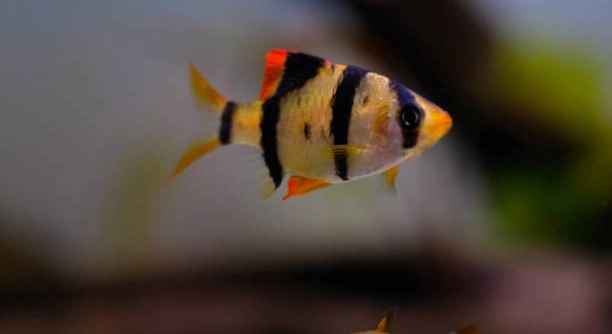
Tiger barbs are popular freshwater fish known for their lively behavior and striking colors. Many aquarium enthusiasts notice how these fish tend to interact more with their group compared to other species. Their social nature makes them interesting to observe in a community tank.
Tiger barbs exhibit more social behavior due to their natural schooling instincts, which provide safety and improve foraging efficiency. This species relies on group dynamics for communication, reducing stress and encouraging active interaction among individuals.
Understanding the social habits of tiger barbs can help create a better environment for them to thrive and remain healthy in home aquariums.
Why Tiger Barbs Are Natural Schoolers
Tiger barbs instinctively stick together in groups to feel safer and more confident. In the wild, this schooling behavior helps protect them from predators. Being in a group also makes it easier to find food because more eyes are searching at once. When they swim together, they often move in sync, which strengthens their bonds. Inside an aquarium, this natural tendency remains strong. If kept alone, tiger barbs may become stressed or show aggressive behavior. A group of at least six allows them to express normal social behaviors and reduces their anxiety. Watching a healthy school of tiger barbs is a lively and dynamic experience. Their movement and interactions feel more natural when they have companions. This social nature is key to their overall health and happiness in captivity.
Schooling is essential for tiger barbs’ mental and physical well-being.
Providing a proper group size keeps them active and less likely to show aggression or stress. It also helps them feel secure, which encourages natural behaviors like exploring and playing. This social structure creates a balanced and peaceful aquarium environment. When they feel safe, tiger barbs develop brighter colors and better immune systems. For these reasons, keeping tiger barbs in groups is important to their long-term care.
Communication Through Movement and Color
Tiger barbs use body language and color changes to communicate with each other. Their fins and stripes help signal mood and intentions within the group. When excited or stressed, their colors may become more intense, while calm fish show softer hues. This visual communication helps maintain group harmony and avoids unnecessary fights. The fish also chase and nudge each other as a way to interact or establish dominance, which is normal behavior in their social structure.
Movement patterns and color signals are vital for tiger barbs’ social interactions.
Their communication supports cooperation in the group, especially during feeding or avoiding threats. Understanding these signals can help aquarists notice when the fish are healthy or stressed. Observing their social cues adds depth to keeping tiger barbs, as it reveals the complexity behind their lively behavior. Watching how they respond to one another enhances appreciation for their natural instincts and social needs. This knowledge allows better care and creates a thriving aquarium environment.
Group Size and Social Dynamics
Tiger barbs thrive best in groups of six or more. Smaller groups often lead to increased aggression and stress. Larger groups balance social interactions and reduce bullying among individuals.
Maintaining a proper group size is critical to the overall well-being of tiger barbs. In smaller groups, dominant fish may harass weaker ones, causing injury or stress. A larger school disperses aggression across multiple fish, making the environment calmer. Group size also impacts their activity levels; more fish encourage natural schooling and play behaviors, which keeps them mentally stimulated. Social balance in the group supports healthier fish, reducing the risk of disease and improving lifespan.
In contrast, solitary tiger barbs often become withdrawn or aggressive due to lack of social stimulation. Keeping them in groups mimics their natural environment and encourages positive social behavior. This balance is essential for peaceful coexistence in community tanks. Proper group size directly influences the harmony and health of the entire aquarium.
Environmental Factors That Influence Sociability
Tank size and layout affect tiger barbs’ social behavior. A spacious tank with hiding spots supports better interactions and reduces stress. Overcrowding or bare tanks can increase aggression.
Providing an environment with plenty of space allows tiger barbs to swim freely and establish territories without constant confrontation. Hiding places, such as plants or decorations, help fish retreat when feeling threatened, reducing conflicts. Proper water conditions also influence social behavior; stable temperature and clean water promote calmness and natural activity. Overcrowded tanks limit movement and heighten competition, leading to stress and hostility. Creating a balanced environment supports their schooling instincts and promotes healthier social bonds.
Adjusting tank conditions to meet tiger barbs’ needs enhances their social nature and overall health. Thoughtful aquarium setup prevents behavioral problems and encourages active, peaceful schooling. This creates a more enjoyable and dynamic fish community.
Importance of Consistent Feeding
Regular feeding times help maintain harmony in tiger barb groups. Predictable meals reduce competition and aggression over food.
Feeding them a balanced diet at consistent intervals keeps their energy levels steady. When fish know when to expect food, they spend less time fighting and more time interacting peacefully. This routine supports their social nature and overall health.
Role of Tank Mates
Choosing compatible tank mates affects tiger barbs’ social behavior. Peaceful species reduce stress and help maintain a calm community.
Signs of Social Stress
Aggression, hiding, or loss of color often signal stress in tiger barbs. Monitoring these signs is key to prompt care.
FAQ
How many tiger barbs should I keep together?
Keeping at least six tiger barbs together is ideal. Smaller groups often lead to aggressive behavior and stress. A group of six or more allows them to form a natural school, reducing bullying and promoting healthy social interaction. This number keeps the group balanced and active.
Can tiger barbs live alone?
Tiger barbs do not do well alone. They rely on schooling instincts to feel safe and confident. A solitary tiger barb may become stressed, aggressive, or withdrawn. Keeping them in groups mimics their natural environment and helps them stay healthy and active.
What tank size is best for tiger barbs?
A minimum of 20 gallons is recommended for a small school of tiger barbs. Larger tanks give them enough space to swim freely and establish territories. Overcrowding can lead to increased aggression, so space is important for their social well-being.
What tank mates work well with tiger barbs?
Tiger barbs do best with similarly sized, semi-aggressive fish that can handle their active nature. Good companions include danios, barbs, and larger tetras. Avoid slow-moving or long-finned fish, as tiger barbs may nip their fins.
How often should I feed tiger barbs?
Feed tiger barbs small amounts two to three times a day. Consistent feeding times reduce competition and aggression. A balanced diet with flakes, pellets, and occasional live or frozen foods keeps them healthy and vibrant.
Why do tiger barbs nip fins?
Fin-nipping is usually a sign of social stress or boredom. It happens more when the group is too small or the tank is overcrowded. Providing enough companions, space, and enrichment can reduce this behavior.
What signs show tiger barbs are stressed?
Signs of stress include hiding, loss of color, sluggish movement, and increased aggression. These behaviors indicate the fish are uncomfortable or unhappy with their environment. Early detection allows you to make adjustments to improve their well-being.
How do tiger barbs communicate?
Tiger barbs use body movements and color changes to communicate. Brighter colors can signal excitement or stress, while fin flicks or chasing help establish social order. Understanding these cues helps in managing their social dynamics.
Is it necessary to have hiding places in the tank?
Yes, hiding spots help tiger barbs feel safe and reduce aggression. Plants, rocks, or decorations allow fish to retreat when stressed or tired. These places support healthy social interaction by giving fish space to escape if needed.
Can tiger barbs live with goldfish?
Tiger barbs and goldfish usually do not mix well. Goldfish prefer cooler water, while tiger barbs need warmer temperatures. Additionally, their activity levels and temperaments differ, making coexistence difficult.
How can I reduce aggression in tiger barbs?
Maintain a proper group size of six or more, provide enough space, and offer hiding places. Feeding on schedule and choosing compatible tank mates also helps. Regular water changes and good tank conditions reduce stress and aggression.
What is the lifespan of tiger barbs?
Tiger barbs typically live between 5 and 7 years with proper care. Good social conditions, stable water quality, and a balanced diet contribute to their longevity.
Can tiger barbs recognize their owners?
Tiger barbs can recognize feeding routines and may respond to their caretakers by swimming near the glass during feeding time. This behavior shows a level of trust and familiarity but is different from pet recognition seen in mammals.
Do tiger barbs need a heater?
Yes, tiger barbs thrive in temperatures between 74°F and 79°F. A reliable heater helps maintain stable water temperature, which is crucial for their health and social behavior.
What water conditions are best for tiger barbs?
They prefer slightly acidic to neutral water with a pH between 6.5 and 7.5. Regular water changes and good filtration keep the water clean and reduce stress. Stable conditions support their schooling and active nature.
How do I introduce new tiger barbs to an existing group?
Introduce new fish slowly by floating the bag in the tank to equalize temperature. Quarantine new fish before adding them. Adding several new fish at once can help balance social dynamics and reduce aggression toward newcomers.
Why do tiger barbs flash or rub against objects?
Flashing or rubbing can indicate irritation from parasites or poor water quality. It is important to check water parameters and look for signs of disease to address any issues early.
Can tiger barbs breed in a community tank?
Breeding tiger barbs in a community tank is possible but challenging. They may eat their eggs or fry. Setting up a separate breeding tank improves survival rates and allows better control of conditions.
Are tiger barbs suitable for beginner fishkeepers?
Tiger barbs are moderately easy to care for but require attention to group size and tank conditions. Their social behavior means beginners need to ensure proper setup and maintenance for a healthy, peaceful tank.
What is the best way to clean a tiger barb tank?
Perform regular partial water changes of 20-30% weekly. Clean the substrate with a gravel vacuum and rinse filter media with tank water to preserve beneficial bacteria. Avoid full cleanings that disrupt the tank’s balance. This keeps the environment stable and supports fish health.
Tiger barbs are naturally social fish that thrive best in groups. Their schooling instincts encourage them to interact closely, which helps reduce stress and aggression. When kept in proper group sizes, they display more lively and healthy behaviors. It is important to understand their social needs to provide a suitable environment that promotes their well-being. Without enough companions, tiger barbs may become aggressive or withdrawn, which can affect their health and lifespan. Observing how they behave in groups can give clues about their comfort and overall condition.
Creating the right environment for tiger barbs involves more than just the number of fish. Tank size, decorations, and water conditions all play a role in supporting their social nature. A spacious tank with hiding places helps reduce conflict and gives each fish a chance to rest or retreat. Maintaining clean water and stable temperature also helps keep them calm and active. Proper feeding routines reduce competition and support their natural behaviors. Together, these factors create a balanced setting where tiger barbs can show their best colors and most natural actions.
Caring for tiger barbs with attention to their social habits makes a big difference in their health and happiness. Providing a group of at least six, along with a well-maintained tank, promotes peaceful schooling and reduces stress-related problems. Understanding their communication through movement and color changes allows better observation of their needs. When these fish are kept in a proper environment, they not only survive but thrive, becoming an engaging and dynamic part of any aquarium. Thoughtful care supports both their social tendencies and overall vitality.

Hello,
If you enjoy the content that we create, please consider saying a "Thank You!" by leaving a tip.
Every little bit helps us continue crafting quality advice that supports the health, happiness, and well-being of pets around the world, for pets of all shapes, sizes, and species.
We really appreciate the kindness and support that you show us!