
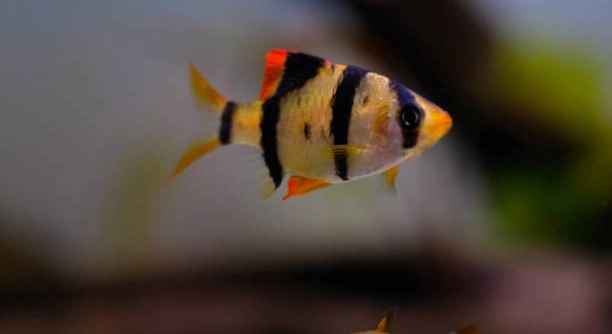
Tiger barbs are lively and colorful fish that bring energy to any aquarium. Keeping them active is important for their well-being and helps maintain a healthy tank environment. Engaging them with fun activities can improve their overall behavior and health.
Providing stimulating activities for tiger barbs encourages natural behaviors such as schooling, foraging, and exploring. Structured tank activities promote mental and physical exercise, which reduces stress and aggression while supporting their social interactions within the community tank.
These simple activities can enhance your fish’s daily life and create a more dynamic aquarium. Exploring these ideas can help you foster a thriving environment for your tiger barbs.
Creating a Natural Environment for Tiger Barbs
Tiger barbs thrive best when their tank mimics their natural habitat. Adding plants, rocks, and hiding spots gives them places to explore and feel secure. This setup reduces stress and encourages natural swimming patterns. Plants like java fern or anubias work well since they can withstand tiger barbs’ active nature. Using smooth rocks and driftwood adds texture and shelter, creating an inviting space. A balanced environment also helps maintain water quality by supporting beneficial bacteria growth. Regularly changing decorations or rearranging elements can keep the tank interesting for your fish. This variety stimulates their curiosity and prevents boredom. When the environment feels safe and varied, tiger barbs show more vibrant colors and stronger social behaviors. It is important to avoid sharp objects that could injure these active swimmers. Maintaining proper lighting and water temperature will complement the natural setup and promote healthy activity levels. Overall, a natural tank setup supports both physical and mental well-being.
A well-designed natural environment reduces aggressive behavior and supports the tiger barbs’ dynamic social interactions.
Adding natural elements to your tank not only beautifies it but also encourages more active and balanced behavior. The varied environment provides mental stimulation, which is vital for these fish. Small changes like rearranging plants or adding new hiding spots keep the tank lively. Observing how your tiger barbs respond to these changes can guide you in maintaining a stimulating habitat that meets their needs.
Interactive Feeding Techniques
Using interactive feeding methods can make mealtime a fun activity for your tiger barbs. Rather than dropping food randomly, try scattering pellets or flakes to encourage natural foraging. Live or frozen foods like bloodworms or brine shrimp provide extra stimulation. Feeding in different areas of the tank also promotes movement and exploration. Some keepers use feeding rings or floating feeders to challenge their fish to find food. This variation keeps the fish engaged and mimics hunting behavior seen in the wild. Overfeeding should be avoided, as it can lead to poor water quality and health issues. Offering small amounts multiple times a day is more effective than one large feeding. Interactive feeding strengthens your observation skills and helps you notice changes in appetite or behavior, which can be early signs of health problems. This approach benefits both the fish and the tank’s ecosystem by reducing waste buildup.
Proper feeding routines enhance both the physical health and mental activity of tiger barbs by simulating natural behavior patterns.
Encouraging Schooling Behavior
Tiger barbs naturally swim in groups, so keeping them in a school of at least six helps reduce aggression. Schooling provides comfort and safety, making them more active and social. It also enhances their colors and overall health.
Maintaining a proper school size balances social dynamics and prevents bullying. When kept alone or in small numbers, tiger barbs may become stressed or overly aggressive. A well-sized group promotes synchronized swimming, which is both calming and visually appealing. Watching their coordinated movement can be rewarding and encourages you to maintain a healthy, stable environment. Providing enough space and hiding spots supports this behavior by allowing the group to interact freely without overcrowding.
Consistent water quality and stable conditions are essential to keep the school healthy. Regular monitoring and partial water changes help sustain the environment where schooling thrives.
Introducing Tank Enrichment Toys
Floating plants and mirror toys can stimulate tiger barbs’ curiosity and encourage active swimming. These simple additions create new areas for exploration and play.
Mirror toys provide reflections that tiger barbs often react to, sometimes displaying chasing or playful behaviors. This interaction can promote exercise and mental stimulation. Floating plants gently sway with the water movement, offering visual interest and places to dart around. Both enrichment options help break the monotony of the tank, reducing boredom. It’s important to monitor fish reactions to mirrors, as prolonged exposure can cause stress in some individuals. Limiting mirror sessions to short periods can maximize benefits without negative effects.
Regularly changing enrichment toys keeps the tank engaging and supports the natural curiosity of tiger barbs, improving their quality of life.
Using Driftwood and Rocks
Driftwood and rocks provide natural hiding spots and resting areas for tiger barbs. These elements create a sense of security and help reduce stress in the tank.
Positioning these items strategically encourages exploration and territorial behavior. It also adds texture and visual interest, making the tank more dynamic and appealing.
Training Tiger Barbs with Targets
Tiger barbs can be trained to recognize and follow small floating targets during feeding or play. This technique encourages movement and mental engagement. Using a small stick with a floating marker allows fish to swim towards the target, promoting exercise. Repeating this routine builds familiarity and helps develop focus. Training sessions should be brief and positive to avoid stressing the fish. This method not only provides enrichment but also strengthens observation skills, making it easier to notice changes in behavior or health.
Light Variation
Adjusting light intensity throughout the day simulates natural conditions and influences tiger barbs’ activity levels.
How many tiger barbs should I keep together?
Tiger barbs are schooling fish that do best in groups of six or more. Keeping them in larger groups helps reduce aggression, as they focus more on each other than on other tank mates. Smaller groups often result in increased stress and territorial behavior. A group of six or more promotes natural social interaction and vibrant swimming patterns, which improves their overall well-being.
What type of tank setup is best for tiger barbs?
A well-planted tank with plenty of swimming space and hiding spots suits tiger barbs. Use hardy plants like java fern or anubias, along with smooth rocks and driftwood to mimic their natural habitat. Avoid sharp decorations that could harm their active fins. A tank size of at least 20 gallons is recommended for a small school to provide enough room for movement and socializing.
Can tiger barbs live with other fish?
Tiger barbs can live peacefully with certain species that are fast and robust enough to handle their playful nipping. Avoid slow-moving or long-finned fish like angelfish or bettas, as tiger barbs may nip their fins. Good tank mates include danios, barbs, and some larger tetras. Always monitor interactions and adjust groupings as needed to maintain harmony.
How often should I feed my tiger barbs?
Feeding small amounts two to three times daily is ideal. This routine helps maintain water quality and encourages natural foraging behaviors. Offer a varied diet including flakes, pellets, and occasional live or frozen foods like bloodworms or brine shrimp. Avoid overfeeding, which can cause health problems and excess waste in the tank.
What water conditions do tiger barbs prefer?
Tiger barbs thrive in water temperatures between 74°F and 79°F (23°C to 26°C). They prefer a pH of 6.5 to 7.5 and moderate hardness. Consistent water quality is essential, so regular partial water changes and filtration are necessary to keep ammonia and nitrate levels low. Stable conditions reduce stress and support healthy behavior.
How can I tell if my tiger barbs are healthy?
Healthy tiger barbs show vibrant colors, active swimming, and clear eyes. They eat regularly and interact socially within their group. Signs of illness include faded color, lethargy, loss of appetite, or unusual swimming patterns. Regular observation helps catch problems early, improving chances of successful treatment.
What are some signs of aggression in tiger barbs?
Aggression may appear as chasing, fin nipping, or frequent fighting among tank mates. This behavior is common if the group size is too small or the tank is overcrowded. Providing enough space, hiding spots, and keeping a proper school size usually reduces aggression. Severe aggression might require separating overly aggressive individuals.
How can I encourage my tiger barbs to be more active?
Introducing enrichment activities like floating plants, mirror toys, or interactive feeding encourages movement and curiosity. Adjusting lighting and rearranging decorations also stimulate exploration. Training with small floating targets during feeding times can increase mental engagement and physical activity.
Do tiger barbs need a specific light cycle?
A consistent light cycle of about 10 to 12 hours daily simulates natural conditions and supports normal behavior. Varying light intensity throughout the day encourages activity and rest phases. Using a timer helps maintain stability, which benefits fish health.
What should I do if my tiger barbs are bullying other fish?
If bullying occurs, ensure the tiger barbs’ group is large enough and the tank is spacious with plenty of hiding places. Consider rearranging tank decorations to break established territories. If problems persist, separate aggressive individuals or rehome incompatible species to maintain a peaceful environment.
Can tiger barbs recognize their owners?
Tiger barbs can learn to associate their owners with feeding times. They may become more active and swim towards the front of the tank when someone approaches. This recognition is a simple response to routine rather than true bonding, but it shows their awareness and adaptability.
Tiger barbs are lively fish that benefit from a well-planned tank environment and regular stimulation. Providing a natural setup with plants, rocks, and hiding spots helps create a comfortable space for them to explore. This kind of environment supports their health and encourages natural behaviors like schooling and foraging. When their surroundings feel secure and interesting, tiger barbs tend to show more vibrant colors and better social interaction. Maintaining good water quality and stable conditions is also important to keep these active fish healthy.
In addition to the tank setup, incorporating activities such as interactive feeding, mirror toys, or training with targets can greatly enhance their daily life. These activities keep tiger barbs physically active and mentally engaged, reducing boredom and stress. Feeding routines that encourage natural foraging behavior also play a role in their well-being. Varying their diet with flakes, pellets, and occasional live or frozen foods ensures proper nutrition. Keeping a group of six or more tiger barbs promotes social harmony and reduces aggression, which helps maintain a peaceful tank environment.
Overall, the care of tiger barbs requires attention to their environment, social needs, and enrichment opportunities. By combining these elements, it is possible to create a balanced and stimulating home for these fish. This approach helps tiger barbs thrive, displaying their lively nature and beautiful appearance. Consistent observation and small adjustments to their habitat or routine will ensure they remain healthy and active. Proper care enhances their lifespan and allows you to enjoy a dynamic, engaging aquarium.

Hello,
If you enjoy the content that we create, please consider saying a "Thank You!" by leaving a tip.
Every little bit helps us continue crafting quality advice that supports the health, happiness, and well-being of pets around the world, for pets of all shapes, sizes, and species.
We really appreciate the kindness and support that you show us!