
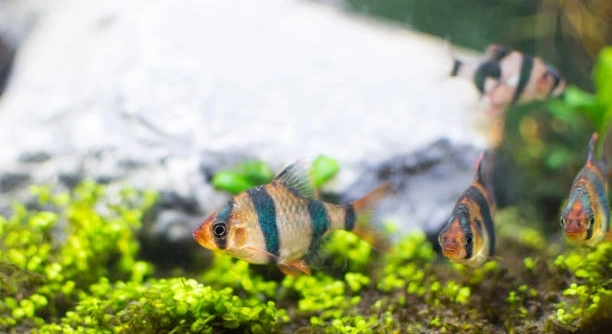
Newly added tiger barbs often experience stress when introduced to a new tank environment. Their active nature and social behaviors can make settling in challenging. Understanding how to calm these fish helps ensure they adapt well to their new home.
The best way to calm a newly added tiger barb is to provide a stable environment with proper water conditions, consistent lighting, and gentle acclimation. Minimizing sudden movements and avoiding overcrowding reduce stress and promote natural behavior.
Calming your tiger barbs early supports their health and helps create a peaceful aquarium atmosphere. This article will guide you through simple, effective steps for their smooth adjustment.
Preparing the Tank Before Adding Tiger Barbs
Preparing the tank properly before adding tiger barbs is essential to reduce their stress. The tank should be cycled, meaning beneficial bacteria have established to keep the water clean and safe. Stable water parameters such as temperature between 74-79°F, pH around 6.5-7.0, and low ammonia and nitrite levels are crucial. Adding plants and hiding spots gives the fish places to feel secure. Avoid sudden changes in lighting by using a timer to mimic a natural day-night cycle. Make sure the tank size is appropriate—at least 20 gallons for a small group. Gradually acclimate your fish by floating their bag in the tank and slowly mixing tank water before releasing them. These steps reduce shock and help tiger barbs settle in comfortably.
Setting up the tank correctly before introducing tiger barbs helps prevent most stress-related behaviors and health issues.
Taking these precautions creates a calm environment where your tiger barbs can thrive and display their natural, active behaviors. The right preparation makes a significant difference.
Recognizing Signs of Stress in Tiger Barbs
Stress in tiger barbs shows through changes in behavior and appearance.
Common signs include hiding more often, loss of color, reduced appetite, and erratic swimming. You might notice them darting quickly around or staying near the surface or bottom. Stress can also cause fin damage or make them more prone to diseases. Early recognition helps you address the causes before the problem worsens. Stress often results from poor water quality, overcrowding, or sudden changes in the environment. Watching your fish closely after introducing them to a new tank allows you to spot these issues quickly. Consistent observation supports their health and comfort.
If you notice these signs, check water conditions immediately and reduce disturbances around the tank. Sometimes, adjusting tank mates or adding more hiding places calms them. Keeping a stable routine for feeding and maintenance also reduces stress over time. Observing your fish helps you respond to their needs and maintain a healthy aquarium balance.
Creating a Comfortable Environment for Tiger Barbs
Tiger barbs feel more relaxed in groups of six or more, which helps reduce aggression.
Providing plenty of plants and hiding spots lowers stress by giving them places to retreat. Use decorations that create visual barriers to break lines of sight, which limits bullying. Keep water flow moderate, as strong currents can exhaust them.
A comfortable environment encourages natural schooling behavior, reducing stress and aggression. Plants like Java fern and Anubias are good choices because they are sturdy and provide cover. Avoid overcrowding, as it can increase stress and lead to fights. Regular tank cleaning and stable water parameters maintain their comfort. Paying attention to these details helps tiger barbs adjust faster and behave more calmly.
Feeding Tips to Keep Tiger Barbs Calm
Feeding your tiger barbs a balanced diet supports their health and reduces stress.
Offer high-quality flakes or pellets designed for tropical fish, supplemented with live or frozen foods like brine shrimp or bloodworms. Feeding small amounts twice a day prevents overeating and water pollution.
Uneaten food can foul the water, increasing stress, so remove leftovers promptly. Variety in diet improves their coloration and vitality. Avoid sudden changes in feeding routines, which can upset their digestive system and cause anxiety. Consistent feeding schedules and nutritious meals contribute to calmer, healthier tiger barbs over time.
Maintaining Water Quality
Regular water changes are vital to keep tiger barbs healthy and stress-free.
Test the water weekly for ammonia, nitrites, nitrates, and pH. Clean filters regularly but avoid removing all beneficial bacteria.
Handling Aggression Among Tiger Barbs
Aggression is common but can be managed by keeping tiger barbs in groups of six or more. Larger groups reduce bullying. Adding plenty of plants and hiding spots breaks up sight lines and gives fish places to escape. Avoid mixing them with overly aggressive species, which can increase tension. Observing their behavior helps identify if rearranging decorations or adding more hiding places is necessary to maintain peace.
Adjusting Lighting
Too bright lighting can stress tiger barbs. Use dimmer lights or floating plants to soften light intensity and create shaded areas.
FAQ
How long does it take for tiger barbs to calm down after being added to a new tank?
Tiger barbs usually start to calm down within a few days to a week after being introduced to a new tank. The exact time depends on factors like tank conditions, group size, and how well they were acclimated. Providing hiding spots and stable water helps speed up the process.
Can I calm a stressed tiger barb quickly?
Quickly calming a stressed tiger barb involves minimizing disturbances and ensuring water parameters are ideal. Reducing bright lights, lowering noise around the tank, and limiting sudden movements all help. Adding live plants or floating plants gives immediate hiding places for the fish to feel safer.
Why do tiger barbs nip each other or other fish?
Nipping behavior often happens because tiger barbs are active and sometimes aggressive fish. They use nipping to establish hierarchy or show dominance. Keeping them in groups of six or more reduces this behavior by spreading aggression. Providing plenty of plants and visual barriers also limits conflicts.
Is overcrowding a reason tiger barbs get stressed?
Yes, overcrowding can increase stress and aggression. Tiger barbs need enough space to swim and establish territory within the tank. A minimum of 20 gallons is recommended for a small group. Overcrowded tanks lead to poor water quality and increased fights, both of which cause stress.
What is the best water temperature for calming tiger barbs?
The ideal temperature for tiger barbs is between 74°F and 79°F. Keeping the temperature stable within this range helps reduce stress. Sudden temperature changes can shock the fish and cause them to act nervously or hide more often.
How often should I feed newly added tiger barbs?
Feeding newly added tiger barbs small amounts twice a day is best. This routine prevents overeating and water pollution. Offering a mix of flakes, pellets, and occasional live or frozen foods keeps them healthy and less stressed.
Should I add new tiger barbs one at a time or all at once?
Adding tiger barbs all at once or in a group is better because they feel more secure in numbers. Introducing only one fish may make it a target for aggression and stress. Groups of six or more help balance social behavior and reduce bullying.
Can tank decorations reduce stress for tiger barbs?
Yes, decorations like plants, rocks, and caves create hiding spots and break sight lines. This reduces bullying and stress by allowing fish to escape and feel secure. Natural decorations also make the environment more comfortable and stimulating for tiger barbs.
Is it normal for tiger barbs to hide a lot after being added?
It is normal for new tiger barbs to hide more in the first few days. This behavior helps them adjust and feel safe. If hiding continues for a long time, check water quality, tank conditions, and possible bullying by other fish.
Can changing water too often stress tiger barbs?
Frequent water changes are important, but too much changing at once can cause stress. Partial water changes of about 20-30% weekly are ideal. Sudden changes in water chemistry or temperature can unsettle the fish and increase stress levels.
Do tiger barbs need a specific pH level to stay calm?
Tiger barbs prefer slightly acidic to neutral water, with a pH between 6.5 and 7.0. Maintaining a stable pH within this range helps keep them calm and healthy. Sudden pH shifts can cause stress and weaken their immune system.
Can lighting affect the behavior of tiger barbs?
Yes, very bright or inconsistent lighting can cause stress. Using dimmer lights or adding floating plants creates shaded areas. This helps tiger barbs feel less exposed and more relaxed. A consistent day-night cycle with a timer also supports their natural rhythms.
What should I do if my tiger barbs start showing signs of illness?
If tiger barbs show signs of illness like faded color, clamped fins, or lethargy, test water quality first. Poor water conditions often cause health problems. Quarantine sick fish and treat with appropriate medication if needed. Early intervention reduces stress and helps recovery.
Can tank mates affect how calm tiger barbs are?
Yes, choosing compatible tank mates is important. Peaceful but active fish work best. Aggressive or slow-moving fish may increase stress or be bullied by tiger barbs. Avoid housing them with very large or aggressive species.
Is it necessary to use a water conditioner when adding new tiger barbs?
Using a water conditioner is essential to remove chlorine, chloramines, and heavy metals from tap water. These chemicals can stress and harm tiger barbs. Conditioned water helps keep them calm and healthy after introduction.
How do I know if my tiger barbs are happy and calm?
Happy and calm tiger barbs swim actively in groups, show bright colors, and eat regularly. They explore their environment and interact with tank mates without excessive aggression. They rest in hiding spots but don’t stay hidden all the time.
Can changes in the tank setup stress tiger barbs?
Yes, sudden changes like rearranging decorations or cleaning the tank aggressively can stress them. It’s best to make small changes gradually and avoid disturbing the entire tank at once. Keeping a stable environment helps maintain calm behavior.
Should I avoid feeding tiger barbs certain foods?
Avoid feeding tiger barbs too many fatty or processed foods. These can cause digestive problems and water pollution. Stick to a balanced diet with quality flakes or pellets and occasional live or frozen treats for variety and health.
How important is tank size for keeping tiger barbs calm?
Tank size greatly affects tiger barb behavior. Larger tanks provide space for swimming and reduce territorial disputes. Small tanks can cause stress and aggression due to limited space. At least 20 gallons is recommended for a small group.
What role does water flow play in calming tiger barbs?
Moderate water flow suits tiger barbs best. Too strong a current tires them out and increases stress, while stagnant water lowers oxygen levels. Using a filter that provides gentle circulation helps maintain their comfort.
Can I use medications to calm stressed tiger barbs?
Medications are generally not used to calm stress but to treat illness. Reducing stress relies on good tank conditions and environment. If disease is present, follow treatment instructions carefully to avoid harming fish further.
Final thoughts on calming newly added tiger barbs focus on creating a stable and supportive environment for them. These fish are naturally active and social, which means they do best in groups and need plenty of space to swim. Proper tank setup is essential, including clean water with stable parameters and plenty of hiding spots to help reduce stress. Taking time to prepare the tank and introduce your tiger barbs gradually can prevent many common problems. Stability is key; sudden changes in water temperature, lighting, or tank layout can cause unnecessary stress and affect their health.
Keeping water quality high through regular testing and partial water changes supports the well-being of tiger barbs. Clean, well-oxygenated water allows them to stay healthy and behave naturally. Overfeeding or letting uneaten food build up can cause water issues that lead to stress. Feeding a balanced diet with quality food helps keep them strong and calm. Also, paying attention to the social dynamics in the tank is important. Tiger barbs are schooling fish, so they need a group of at least six to feel secure. Smaller groups may cause aggression or loneliness, which leads to stress.
Finally, observation is one of the best tools in maintaining calm tiger barbs. Watching how they interact with each other and respond to the tank environment can give clues about their comfort level. Signs of stress like hiding, color fading, or erratic swimming should be addressed quickly by checking water conditions, diet, and tank mates. Adjustments like adding plants or rearranging decorations may improve their comfort. Patience is important because tiger barbs need time to adjust to new surroundings. With steady care and attention, tiger barbs will settle in and display their lively, peaceful nature.

Hello,
If you enjoy the content that we create, please consider saying a "Thank You!" by leaving a tip.
Every little bit helps us continue crafting quality advice that supports the health, happiness, and well-being of pets around the world, for pets of all shapes, sizes, and species.
We really appreciate the kindness and support that you show us!