
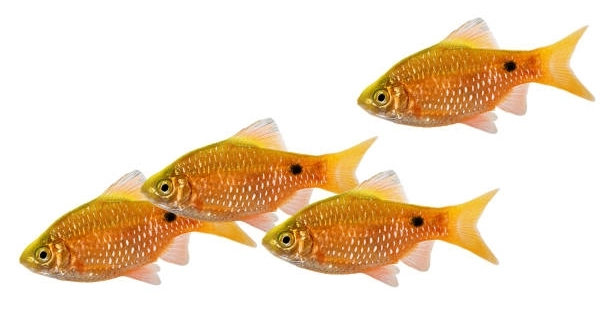
Rosy Barbs are lively freshwater fish popular in home aquariums for their vibrant colors and energetic behavior. Many aquarists notice these fish jumping out of tanks, which can be surprising and concerning. Understanding the reasons behind this behavior helps ensure their well-being.
Rosy Barbs jump out of tanks primarily due to environmental stressors such as poor water quality, insufficient oxygen levels, overcrowding, or sudden changes in temperature. These factors create discomfort and trigger their natural escape instincts.
Addressing these issues improves tank conditions and helps keep Rosy Barbs safe inside their aquatic environment.
Common Causes of Rosy Barbs Jumping
Rosy Barbs often jump due to issues in their tank environment. Poor water quality is a frequent cause. When ammonia or nitrite levels rise, the fish become stressed and try to escape. Low oxygen levels in the tank can also push them to jump. Overcrowding is another problem; when there are too many fish in a small space, Rosy Barbs feel threatened or uncomfortable. Sudden changes in water temperature can shock them, making them more likely to leap out. Even tank decorations placed near the water surface might encourage jumping if the fish mistake them for a way out. These reasons often combine, increasing stress and the risk of jumping. Monitoring water parameters and tank setup helps prevent this behavior and keeps Rosy Barbs healthy.
Stress and discomfort in their environment are key triggers that lead to Rosy Barbs jumping out of tanks.
Maintaining stable water conditions is essential. Regular testing of water parameters, avoiding overcrowding, and keeping a consistent temperature reduce stress. Using a tank cover is practical and prevents accidental escapes. Providing enough swimming space and hiding spots lowers anxiety. Observing fish behavior regularly can alert you to problems early. Adjusting the tank setup to meet their needs creates a safer, more comfortable home for Rosy Barbs.
How to Prevent Rosy Barbs from Jumping
Using a secure lid on the aquarium is an effective way to keep Rosy Barbs from jumping out. This simple addition physically blocks their escape.
To prevent jumping, ensure the tank environment is stable and comfortable. Regular water changes keep ammonia and nitrite levels low. Installing an air pump or filter maintains oxygen levels. Avoid overcrowding by keeping an appropriate number of fish in the tank. Sudden temperature shifts should be minimized by placing the tank away from windows or heating vents. Adding plants and decorations provides hiding places, reducing stress. Consistent feeding schedules and a balanced diet help maintain overall fish health. Watching their behavior daily allows for early detection of any issues. These steps collectively reduce the chances of Rosy Barbs jumping and promote a healthy tank environment.
Tank Setup and Environment
Tank size directly affects Rosy Barbs’ comfort. Smaller tanks restrict their movement, increasing stress. Providing at least 20 gallons allows them to swim freely. Proper filtration keeps water clean and oxygen-rich, which is crucial for their health.
Decorations and plants create hiding spots, which reduce anxiety and encourage natural behavior. Avoid sharp or rough objects near the water surface, as these can injure the fish during jumping attempts. Regularly clean the tank to prevent buildup of harmful substances, and maintain stable water temperature between 64°F and 72°F. Proper tank maintenance supports a calm environment and reduces the likelihood of jumping.
Lighting should be moderate, not too bright or dim. Excessive light can stress Rosy Barbs, while too little may affect their activity. Use a timer to keep a consistent day-night cycle, which helps regulate their behavior.
Behavior and Social Needs
Rosy Barbs are social fish that thrive in groups of six or more. Isolating them or keeping too few can cause stress and lead to jumping. Group swimming provides safety and lowers anxiety.
Aggression can occur in overcrowded tanks or when there is a lack of hiding places. Stress from aggression increases jumping behavior. Maintaining balanced group sizes and providing enough space for all fish to swim reduces conflicts. Observing fish interactions helps identify problems early. Social stability improves their well-being and minimizes escape attempts.
Water Quality Maintenance
Regular water testing is essential to keep ammonia, nitrite, and nitrate levels safe for Rosy Barbs. Poor water quality causes stress and increases jumping.
Frequent partial water changes help maintain clean and stable conditions. Removing debris and uneaten food reduces toxins and promotes fish health.
Feeding and Nutrition
A balanced diet supports Rosy Barbs’ energy and immune system. Feeding high-quality flakes, pellets, and occasional live or frozen foods meets their nutritional needs.
Overfeeding can pollute the water, so feed small amounts twice daily. Consistent feeding routines reduce stress and help maintain healthy behavior.
Signs of Stress in Rosy Barbs
Stress signs include rapid breathing, hiding, loss of color, and erratic swimming. These behaviors often precede jumping attempts and should be addressed quickly.
Monitoring their behavior daily helps catch stress early and allows for prompt adjustments to their care or environment.
FAQ
Why do Rosy Barbs jump out of the tank?
Rosy Barbs jump mostly because of stress caused by poor water quality, low oxygen, overcrowding, or sudden changes in temperature. These conditions make them uncomfortable and trigger their natural urge to escape. Sometimes, bright lights or a lack of hiding spots can also cause them to jump.
How can I stop my Rosy Barbs from jumping out?
The best way is to improve the tank environment. Keep water clean with regular changes and testing. Make sure oxygen levels are good by using a filter or air pump. Avoid overcrowding and keep the temperature stable. Adding a secure lid on the tank is very helpful in preventing escapes.
Is it normal for Rosy Barbs to jump sometimes?
A little jumping now and then can be normal, especially if they are exploring or chasing food near the surface. But frequent or forceful jumping usually signals a problem with the tank conditions that needs to be fixed.
Can tank decorations cause Rosy Barbs to jump?
Yes, decorations placed near the water surface can sometimes encourage jumping. Fish might see these as obstacles or potential escape routes. Sharp or rough decorations can also injure fish if they jump, so it’s important to choose safe, smooth decorations.
How important is tank size for preventing jumping?
Tank size plays a big role. Rosy Barbs need enough space to swim comfortably. Smaller tanks restrict movement and increase stress, making jumping more likely. A minimum of 20 gallons is recommended for a small group of Rosy Barbs.
What water temperature is best to keep Rosy Barbs calm?
A stable temperature between 64°F and 72°F is ideal. Sudden temperature changes can shock the fish and cause them to jump. Avoid placing the tank near windows or heating vents where temperatures can fluctuate.
How often should I clean the tank?
Cleaning frequency depends on tank size and fish load, but generally, a 20-25% water change every week helps keep water quality good. Remove uneaten food and waste daily to avoid toxin buildup that stresses fish.
Does feeding affect jumping behavior?
Yes, feeding habits impact their stress levels. Overfeeding pollutes the water, causing poor conditions that lead to jumping. Feeding small amounts twice daily with a balanced diet helps maintain good health and calm behavior.
Can Rosy Barbs jump because of aggression?
Aggression can increase stress and cause jumping. Overcrowded tanks or lack of hiding places may lead to fights. Keeping enough space and providing plants or decorations to hide in reduces aggression and stress.
Should I cover my tank to prevent jumping?
A secure lid is a simple and effective way to keep Rosy Barbs inside. It physically blocks jumping escapes and helps maintain consistent tank conditions by reducing evaporation and temperature swings.
What are early signs that Rosy Barbs might jump?
Look for rapid breathing, frantic swimming near the surface, or hiding more than usual. Loss of color or erratic movement also signals stress. Early detection lets you fix problems before fish try to jump.
Can water quality tests help reduce jumping?
Absolutely. Regular testing for ammonia, nitrites, nitrates, and pH ensures the water is safe. Detecting issues early prevents stress and reduces jumping attempts.
How many Rosy Barbs should I keep together?
At least six Rosy Barbs is recommended. They are social fish and feel safer in groups. Too few fish may cause stress, while too many overcrowd the tank, both leading to jumping behavior.
What should I do if a Rosy Barb jumps out?
If you find a fish outside the tank, gently place it back into clean, oxygen-rich water as soon as possible. Check the tank for conditions causing the jump and address them quickly to prevent more escapes.
Can lighting affect Rosy Barbs’ jumping?
Yes, lighting that is too bright or inconsistent can stress Rosy Barbs. Use moderate lighting with a timer to keep a stable day-night cycle. This helps regulate their behavior and reduces stress-related jumping.
Rosy Barbs are lively and colorful fish that bring energy to any aquarium. However, their tendency to jump out of tanks can be frustrating and worrying for aquarists. Understanding the main reasons behind this behavior helps create a safer environment for them. Factors like poor water quality, low oxygen, overcrowding, and sudden temperature changes are common causes. By maintaining clean water, stable temperature, and proper tank conditions, it is possible to reduce stress and keep Rosy Barbs comfortably inside their habitat.
Tank setup plays an important role in preventing jumping. A spacious tank with a secure lid is essential. Decorations and plants provide hiding spots, which help the fish feel safe and lower anxiety. Proper filtration and aeration keep oxygen levels high and water clean, both of which are vital for their health. Social needs must also be met; Rosy Barbs are schooling fish and do best in groups. A balanced social environment reduces aggression and stress, making them less likely to jump. Regular feeding with a balanced diet supports their overall well-being.
Watching your Rosy Barbs closely for signs of stress can prevent problems before they escalate. Rapid breathing, loss of color, or unusual swimming patterns are warnings that something may be wrong. Taking quick action by adjusting water quality, tank environment, or social setup can help. With consistent care and attention, Rosy Barbs can thrive in a stable environment, showing their vibrant colors and lively behavior without the risk of jumping. Creating the right conditions leads to happier fish and a more enjoyable aquarium experience.

Hello,
If you enjoy the content that we create, please consider saying a "Thank You!" by leaving a tip.
Every little bit helps us continue crafting quality advice that supports the health, happiness, and well-being of pets around the world, for pets of all shapes, sizes, and species.
We really appreciate the kindness and support that you show us!