
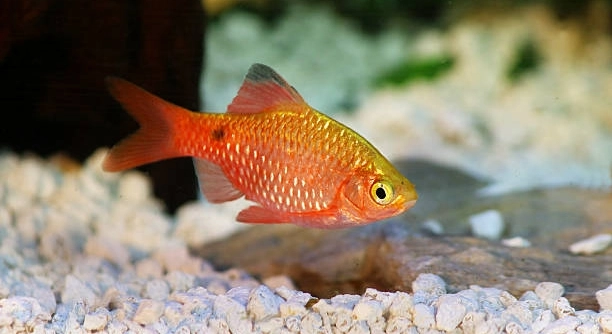
Have you ever watched your rosy barbs swim together and wondered if there’s more to it than just playful movement?
Rosy barbs swim side by side primarily as a natural social behavior rooted in schooling instincts. This formation helps them feel secure, improves coordination within the group, and aids in navigating their environment more efficiently and safely.
This small yet consistent behavior reveals fascinating insights about their instincts, communication, and how they build social connections in a shared space.
Understanding Their Social Instincts
Rosy barbs are naturally social fish that rely on group behavior to feel secure and maintain balance in their environment. Swimming side by side is part of their instinctive schooling behavior, which helps them avoid threats and navigate their surroundings more effectively. In the wild, this type of movement creates a sense of safety by reducing the chances of being singled out by predators. Even in home aquariums, this behavior continues, showing that it’s deeply rooted in their nature. When kept in small groups, rosy barbs are more relaxed and active. They interact more, display vibrant colors, and move in sync, often mirroring each other’s paths. This isn’t just for protection—it’s how they build order and communication among themselves. Swimming close together allows them to interpret visual cues from one another, ensuring smoother group movement and mutual coordination during feeding, exploring, or avoiding perceived threats.
Their natural behavior becomes clearer when observed in a peaceful and spacious tank setting.
A calm environment with room to swim freely supports their need for movement and helps reduce tension. Without enough space or companions, they may become stressed or display aggression, disrupting this natural pattern.
Environmental Influences on Their Movement
Tank conditions can influence how consistently rosy barbs swim in pairs or small groups.
Water quality, temperature, tank size, and the number of tank mates all affect their behavior. When the conditions are stable and clean, these fish are more likely to show schooling tendencies. A tank that is too small or overstocked can create stress, leading them to swim less harmoniously or even separate from the group. Lighting and the placement of plants or decorations also matter. If the tank has too many barriers, it might prevent them from swimming side by side. On the other hand, a more open layout encourages this behavior. Additionally, keeping at least five to six rosy barbs together ensures they feel secure enough to exhibit their natural instincts. If there are too few, they may become anxious or territorial. Their comfort level directly influences their movement, so it’s important to create a setup that lets them feel both safe and socially connected through synchronized swimming.
Recognizing Signs of Healthy Social Behavior
Swimming side by side, gentle chasing, and mirrored movements are all signs of a balanced social group. These patterns show that rosy barbs feel comfortable, are not stressed, and are forming stable bonds with one another in their environment.
When rosy barbs feel at ease, their social habits become more consistent and easier to spot. They tend to glide through the tank in loose but organized patterns, rarely bumping into one another. Occasional short chases are normal and can even be playful, especially during feeding or mild territorial displays. What matters most is that these actions don’t escalate into fin nipping or hiding. Observing their body language helps as well—bright colors and steady, rhythmic swimming usually indicate good health and positive group dynamics. If one fish consistently isolates itself or becomes aggressive, it may signal discomfort or imbalance in the group’s social structure.
Noticing changes in swimming behavior can help identify potential problems early. If the group scatters often, stops swimming together, or shows sudden aggression, something may be off. This could be caused by poor water quality, overcrowding, or an uneven ratio of males to females. Keeping an eye on these patterns ensures that issues are addressed before they escalate further.
When Behavior Becomes Problematic
Disruptive behaviors like constant chasing, aggressive fin-nipping, or isolation are signs that something is wrong in the tank. These issues often stem from stress, overcrowding, or poor group dynamics, especially when there are too few rosy barbs in the tank.
Keeping too few rosy barbs can trigger territorial behavior, especially in males. This leads to chasing that feels more hostile than playful. It’s not unusual to see stressed fish hiding, darting, or displaying faded colors. Sometimes, one fish may dominate, interrupting the harmony of the group. This problem can worsen if the tank is too small or lacks places to retreat. The best way to prevent this is by maintaining a balanced group of five or more, with a healthy male-to-female ratio. Providing open swimming space and hiding spots reduces pressure and gives less dominant fish a break. These adjustments can make a noticeable difference in how the group interacts.
Creating a Supportive Tank Setup
A longer tank with open swimming areas encourages rosy barbs to move side by side more freely. Avoid overcrowding and make sure there’s enough space for the group to maintain their natural movement patterns without feeling trapped or stressed.
Use gentle filtration to prevent strong currents that disrupt schooling behavior. Include live or silk plants along the sides or corners to give fish hiding options without blocking open space. Balanced lighting and regular water maintenance also help them stay active and relaxed in their environment.
Importance of Group Size
Keeping at least five rosy barbs together supports healthy social behavior and reduces stress. A proper group size allows them to school naturally, which helps prevent bullying and ensures a more peaceful environment. In smaller groups, one fish may become dominant and cause unnecessary tension. A larger group spreads out energy and helps everyone settle in.
Final Observations
Watching how rosy barbs interact can teach a lot about their health and comfort. Their synchronized swimming isn’t just pretty—it’s a signal they’re feeling safe, balanced, and socially connected in their space.
FAQ
Why do rosy barbs prefer to swim in groups?
Rosy barbs are natural schooling fish. In the wild, swimming in groups helps protect them from predators and improves their chances of survival. This instinct carries over to the aquarium. Group swimming makes them feel secure, reduces stress, and allows them to interact in ways that mimic their natural environment. When kept in proper numbers, they behave more calmly, show better color, and move in a more synchronized, peaceful manner. In contrast, a single rosy barb or a very small group often becomes anxious or aggressive, disrupting their natural rhythm and causing tension in the tank.
Is it normal for rosy barbs to chase each other?
Yes, light chasing is normal, especially during feeding or mating displays. Rosy barbs are active and curious, and short bursts of chasing can be a playful part of their interactions. However, if the chasing becomes aggressive or constant, it may be a sign of stress or poor group dynamics. One fish might be acting dominant or territorial, which can happen if the group is too small or the tank is overcrowded. Adding more fish to create a balanced group and ensuring the tank has enough space and hiding spots often reduces this problem.
What should I do if one rosy barb becomes aggressive?
First, check the tank conditions. Make sure the water quality is stable and that there’s enough space for the group. If the tank is too small or the group is unbalanced (for example, too many males), aggression can become a problem. Try adding more rosy barbs to bring the group to five or more. This often spreads out any dominant behavior and helps restore harmony. You can also rearrange the tank decorations to disrupt established territories. If aggression continues, consider separating the fish temporarily or adjusting the lighting and activity levels in the tank.
Can rosy barbs live with other types of fish?
Yes, rosy barbs are generally peaceful and do well in community tanks. They tend to be active swimmers, so they’re best paired with fish that can match their energy and won’t be disturbed by their movement. Avoid keeping them with slow-moving or long-finned fish, like bettas or angelfish, as rosy barbs may nip at fins out of curiosity. Good tank mates include danios, platies, and larger tetras. Always monitor new additions closely, especially in the first few days, to make sure all fish are adjusting well and no one is being harassed or stressed.
How can I tell if my rosy barbs are happy?
Happy rosy barbs swim freely, show bright colors, and interact smoothly with their tank mates. They don’t hide for long periods, act sluggish, or nip constantly. Instead, they swim in groups, explore the tank, and respond quickly to feeding. You might also see gentle chasing or mating displays, especially among healthy males and females. A peaceful tank with consistent movement, good appetite, and little to no aggressive behavior is a good sign your fish are thriving. Keep an eye out for any changes in their routine, as this can signal stress or illness.
Do rosy barbs need a filter and heater?
Yes, they do. A reliable filter keeps the water clean and oxygenated, which is essential for their health and active swimming. A heater ensures the temperature stays stable—rosy barbs prefer water between 72°F and 80°F. Fluctuations can cause stress and lead to illness. Even if the room feels warm, the water temperature may drop at night or during colder months. A stable environment helps maintain their immune system and keeps their behavior consistent. Regular water changes and monitoring with a test kit also support their long-term health.
Can I keep just two rosy barbs?
It’s not recommended. Two rosy barbs may not feel secure enough to act naturally. One may become dominant, leading to constant chasing or bullying. These fish thrive in groups of at least five. With more tank mates, they school properly and show less stress and aggression. A small group spreads out interactions and encourages more peaceful behavior. If you only keep two, they may hide more, act territorial, or lose their bright coloring. A larger group gives them the social support they need to feel safe and active.
Do they swim side by side with specific tank mates or any barb?
They usually swim side by side with their own kind. Rosy barbs prefer the company of other rosy barbs and form loose groups with them. While they may interact with other active fish, synchronized swimming and close movement typically happen among similar species. If you keep them with different types of barbs, like tiger barbs, they might swim near each other occasionally but won’t form the same bonded patterns. For the most natural behavior, stick to a group of rosy barbs, ideally of mixed sexes and in even numbers when possible.
Final Thoughts
Rosy barbs are active, social fish that thrive when kept in groups. Their habit of swimming side by side is a natural part of their schooling behavior, which helps them feel safe and connected. When they have enough space, clean water, and the right number of companions, this behavior becomes even more noticeable. Watching them move together in a peaceful rhythm is not only calming but also a good sign that they are healthy and comfortable in their tank. These simple movements can tell you a lot about their overall condition and how well they’re adjusting to their environment.
Tank conditions and group size play a big role in how rosy barbs behave. A tank that is too small, overcrowded, or poorly maintained can cause stress and disrupt their natural patterns. Similarly, keeping too few rosy barbs may lead to aggression or isolation. Providing a well-balanced setup with room to swim and enough tank mates helps them show their true nature. Even small changes, like adjusting the layout or adding more plants, can support their need for space while still offering hiding spots when needed. Creating a stable environment encourages calm, consistent movement and reduces the chances of conflict among the group.
Understanding the reasons behind their swimming behavior can make it easier to care for rosy barbs. These fish do best when their social needs are respected. Watching them interact, noticing changes in behavior, and keeping a steady routine all contribute to their well-being. Their synchronized swimming is not just a habit—it reflects how secure and supported they feel in their space. If you give them the right conditions and attention, they often reward you with active, colorful movement and a peaceful tank atmosphere. With a little care and observation, rosy barbs can continue to show this unique behavior, making them an enjoyable species to keep and learn from over time.

Hello,
If you enjoy the content that we create, please consider saying a "Thank You!" by leaving a tip.
Every little bit helps us continue crafting quality advice that supports the health, happiness, and well-being of pets around the world, for pets of all shapes, sizes, and species.
We really appreciate the kindness and support that you show us!