
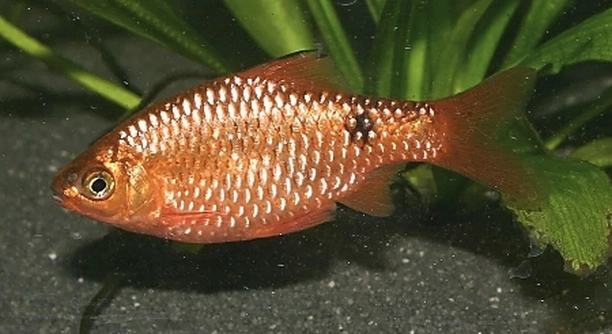
Are your Rosy Barbs often seen schooling together, swimming in unison, or interacting with other fish in the tank? These behaviors can be signs of their social nature and are influenced by several key factors in their environment.
Rosy Barbs are more social when provided with a proper group size, ample swimming space, stable water conditions, a balanced diet, environmental enrichment, gentle tank mates, and a consistent routine. These factors help reduce stress and encourage active interaction.
These small adjustments can lead to noticeable changes in behavior, helping your Rosy Barbs thrive in a more connected and engaging aquarium environment.
A Proper Group Size Encourages Natural Behavior
Rosy Barbs are schooling fish and feel more secure when kept in groups. A group of at least six helps reduce stress and prevents aggressive behavior. When kept alone or in small numbers, they may become shy, inactive, or territorial. In a group, they display natural behaviors like schooling, chasing, and exploring. This creates a more peaceful and active tank environment. Larger groups also help spread out any signs of dominance, making interactions smoother. If possible, keeping a mixed group of males and females can further balance the dynamics. Always ensure your tank is big enough to support the number of fish you have. Crowding them can cause the opposite effect, leading to poor water quality and unhappy fish. By simply keeping the right number of Rosy Barbs together, you allow them to behave more naturally, which helps them feel comfortable and safe in their home.
A balanced group helps each Rosy Barb feel secure. Without this, they may isolate themselves or act aggressively toward others.
Make sure your group has enough females to reduce competition between males. This creates a more peaceful dynamic and prevents unwanted chasing or fighting. Choosing a healthy, active group from the start also encourages more social behavior overall.
Swimming Space Supports Their Activity
Rosy Barbs are active swimmers and need room to move. A long tank with open swimming space helps them feel free and relaxed.
A 30-gallon tank or larger is best for a small group of Rosy Barbs. When space is limited, they may feel trapped or stressed, which leads to hiding or aggressive behavior. A long tank allows them to swim back and forth without bumping into others, which supports their natural schooling habit. Adding plants around the edges and keeping the middle clear gives them room to swim while still offering places to rest. If the tank is too small or cluttered, they can’t interact properly. They may become skittish or territorial, especially if there isn’t enough room to escape from more dominant fish. Providing enough swimming space also supports better oxygen flow and more stable water conditions. These details work together to create a calm and healthy tank that encourages group activity.
Stable Water Conditions Reduce Stress
Rosy Barbs react quickly to changes in their water. Fluctuations in temperature, pH, or ammonia levels can make them anxious and less social. Clean, stable water encourages calm behavior and healthy group interaction.
Keeping the water temperature between 72–78°F and maintaining a steady pH between 6.5–7.5 helps prevent stress. Weekly partial water changes and regular filter maintenance are important. Spikes in ammonia or nitrite levels can cause the fish to hide or become aggressive. Using a good water testing kit helps you monitor conditions before problems begin. Avoid overfeeding, as leftover food can affect water quality. Rosy Barbs are more social when they feel safe, and stable water makes them feel secure enough to interact more. If the tank feels off, they’ll pull away from the group and stay still or near the bottom. Good water quality is the base for their social health.
Avoid adding too many fish at once, especially in a smaller tank. Sudden increases in the bioload make it harder to keep water conditions steady. Always acclimate new fish slowly and test the water before and after. Having a routine schedule for cleaning and testing helps prevent surprises. With stable conditions, Rosy Barbs show more group activity and stay healthier overall.
A Balanced Diet Supports Mood and Energy
Feeding Rosy Barbs a varied and balanced diet helps them stay active and social. A poor diet can lead to low energy, poor color, and signs of stress, which affect how they interact with other fish.
Use a mix of high-quality flakes or pellets along with live or frozen foods like brine shrimp or bloodworms. This gives them the nutrients they need to stay alert and healthy. Feed them once or twice a day in small amounts they can finish within two minutes. Uneaten food harms water quality, which leads to stress. Variety also prevents boredom, especially in more active species like Rosy Barbs. When they feel full and energized, they’re more likely to swim with the group, chase playfully, and explore the tank. A diet that supports energy and color brings out their natural behavior and helps them feel comfortable around others.
Environmental Enrichment Keeps Them Engaged
Adding plants, rocks, and driftwood gives Rosy Barbs places to explore and rest. These items break up the space and make the tank feel more natural, encouraging curious and calm behavior.
When fish feel safe, they’re more likely to interact. Hiding spots help reduce tension during group dynamics or changes.
Gentle Tank Mates Encourage Group Interaction
Rosy Barbs are peaceful but active, so they do best with other calm and fast-moving species. Avoid slow or long-finned fish, as they may nip or chase them. Good tank mates include danios, tetras, or other barbs. Keeping the group peaceful encourages safe interaction and lowers stress levels.
A Consistent Routine Builds Trust
Fish rely on predictable routines. Feeding and lighting schedules help Rosy Barbs feel secure. Sudden changes in their environment or schedule may cause them to become withdrawn or stressed, making them less social with others in the tank.
How many Rosy Barbs should I keep together?
Rosy Barbs are schooling fish, so they feel best in groups of at least six. Smaller groups may cause stress and lead to shy or aggressive behavior. A larger group helps spread out social interactions, reducing tension and encouraging natural schooling. When kept together, they swim more actively and show less hiding. However, always make sure your tank is large enough to support the group size. Overcrowding can cause poor water quality and stress, which affects their health and social behavior. A good rule is a 30-gallon tank or larger for six Rosy Barbs to swim freely and interact comfortably.
What tank size is ideal for Rosy Barbs?
A tank of 30 gallons or more is ideal for a small group of Rosy Barbs. They are active swimmers and need plenty of open space. Longer tanks are better than tall, narrow ones because Rosy Barbs like to swim horizontally. Having enough room reduces stress and aggressive behavior by letting fish escape when needed. Keeping plants and decorations mainly on the sides and back of the tank creates open swimming areas. A cramped tank can cause the fish to become skittish, hide more, or fight over territory. Providing enough space helps maintain their social nature and overall health.
What water parameters are best for keeping Rosy Barbs social?
Rosy Barbs thrive in stable water conditions. The temperature should stay between 72 and 78°F, with a pH level around 6.5 to 7.5. Keeping ammonia, nitrite, and nitrate levels low is essential to reduce stress. Sudden changes in temperature or water chemistry can make the fish anxious and less interactive. Regular partial water changes, good filtration, and careful monitoring of water parameters keep their environment stable. Using a reliable water test kit is a good practice. When water conditions are steady, Rosy Barbs feel safe and show more active schooling and social behaviors.
What should I feed Rosy Barbs to keep them healthy and social?
A varied diet keeps Rosy Barbs energetic and colorful. High-quality flakes or pellets are the base of their diet, supplemented by live or frozen foods like brine shrimp or bloodworms. These provide extra protein and nutrients needed for growth and activity. Feed small amounts once or twice a day, only what they can finish in two minutes. Overfeeding causes leftover food to pollute the tank, stressing the fish. A balanced diet supports their natural behavior, encouraging them to swim and interact more with other fish.
Can Rosy Barbs live with other fish, and which are best?
Yes, Rosy Barbs do well with peaceful, active tank mates. Suitable companions include danios, tetras, and other types of barbs. Avoid slow-moving or long-finned fish, as Rosy Barbs may nip at them. Aggressive or territorial fish should also be avoided to keep the tank peaceful. Choosing compatible species reduces stress and promotes social behavior among all fish. Mixing fish with similar water needs and temperaments ensures a harmonious aquarium where Rosy Barbs can interact freely.
How do I reduce aggression among Rosy Barbs?
Aggression usually happens when the group is too small or the tank is overcrowded. Keeping at least six Rosy Barbs helps spread dominance and lowers fighting. Providing enough space and hiding spots also reduces tension. Avoid mixing Rosy Barbs with aggressive or territorial species. Maintaining good water quality and a consistent routine keeps them calm. Watching for signs of bullying or injury lets you act early. Sometimes rearranging the tank layout can reset territories and reduce conflicts.
Why do Rosy Barbs sometimes hide or stop schooling?
Hiding or breaking from the group can be a sign of stress. Changes in water quality, temperature, or tankmates often cause this. Illness or poor diet may also affect their energy and social behavior. Providing stable water conditions, a balanced diet, and a peaceful environment helps keep them active. If hiding persists, check water parameters and look for signs of disease. Sometimes new fish introductions or sudden changes in light or temperature can temporarily disrupt schooling. Patience and steady care usually bring them back to normal behavior.
How often should I clean the tank to keep Rosy Barbs happy?
Partial water changes of 20-25% once a week help maintain good water quality. Regular filter cleaning ensures proper flow and removes waste buildup. Avoid cleaning the entire tank at once, as this can disturb beneficial bacteria. Keeping the tank clean reduces harmful chemicals that stress fish and affect their social behavior. Removing uneaten food daily prevents water pollution. A clean, stable environment encourages Rosy Barbs to swim actively and interact with their group. Regular maintenance keeps their home comfortable and safe.
Rosy Barbs are naturally social fish that enjoy living in groups and interacting with their tank mates. Creating the right environment for them involves paying attention to several important details. Keeping them in groups of six or more helps them feel secure and encourages natural schooling behavior. Without enough companions, they can become stressed or show signs of aggression. The size of the tank matters too; a spacious aquarium gives them the freedom to swim and explore, which supports their social nature. Along with enough space, stable water conditions are key to their comfort. Sudden changes in temperature or water quality can cause anxiety, making them less likely to interact with each other. Keeping the water clean and parameters steady helps Rosy Barbs stay healthy and active.
Feeding Rosy Barbs a balanced diet also plays a big role in their social behavior. A mix of high-quality flakes or pellets and occasional live or frozen foods like brine shrimp or bloodworms gives them the nutrients they need to stay energetic and colorful. Overfeeding or poor diet can lead to stress and inactivity, which limits how much they interact with other fish. Adding plants, rocks, or driftwood to the tank can make the environment more interesting and reduce stress by providing hiding spots. These natural touches encourage Rosy Barbs to explore and feel safe, helping them stay active and social. Choosing peaceful tank mates that match their energy level keeps the tank calm and allows for better interaction within the group.
Finally, consistency is very important when caring for Rosy Barbs. Keeping a regular routine for feeding, lighting, and tank maintenance builds trust and reduces stress. When the environment is predictable, Rosy Barbs feel more comfortable and behave more naturally. Watching for signs of stress or aggression early on helps you make adjustments before problems get worse. Overall, providing the right group size, space, water quality, diet, and environment supports the social nature of Rosy Barbs. With these simple steps, they can thrive happily and show more active, engaging behavior in your aquarium.

Hello,
If you enjoy the content that we create, please consider saying a "Thank You!" by leaving a tip.
Every little bit helps us continue crafting quality advice that supports the health, happiness, and well-being of pets around the world, for pets of all shapes, sizes, and species.
We really appreciate the kindness and support that you show us!