
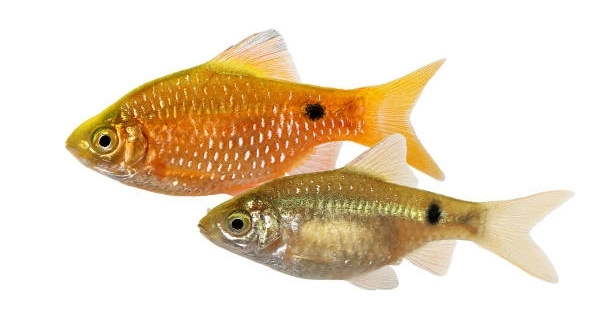
Do you ever find yourself watching your aquarium and noticing that your Rosy Barbs seem to stay near the shadows instead of swimming out in the open?
Rosy Barbs tend to seek shaded areas due to a combination of environmental stress, a natural instinct for protection, and sensitivity to lighting conditions. Their behavior is also influenced by tank setup, water quality, and interactions with other fish.
Some subtle changes in their habitat can make a big difference. Let’s explore how light, tank mates, and environment affect your Rosy Barbs’ comfort and behavior.
Why Rosy Barbs Prefer Dim Areas
Rosy Barbs are active fish, but they often stay close to shadows or hidden areas in the tank. This behavior usually ties back to their instinct for safety. In the wild, shaded spots offer protection from predators and help them feel secure. In home tanks, bright lighting or constant movement around the aquarium can make them uneasy, especially if they don’t have plants or decorations to hide behind. They also tend to avoid areas with strong currents or reflections, which can stress them out. If the lighting is too harsh or the tank setup lacks cover, Rosy Barbs may retreat to darker areas. This doesn’t always mean something is wrong, but it’s a good sign to observe their surroundings. Providing live plants, rocks, or driftwood helps mimic their natural habitat and gives them places to rest and hide when needed, helping them feel more comfortable.
In smaller tanks, a lack of hiding spots can cause Rosy Barbs to become shy. They need space and cover to feel relaxed.
Keeping their space calm and structured encourages more open swimming. If they have proper lighting, tank mates, and enough room, you’ll start seeing them move around more confidently.
How Lighting Affects Their Behavior
Rosy Barbs are sensitive to lighting changes and need a balanced setup. Sudden shifts or overly bright lights can make them feel exposed.
They thrive in soft, diffused light. Strong lighting can make them hide more often, especially if there are no plants or shaded areas available. Using floating plants or adjustable LED lights can help soften the brightness. Lights that mimic natural day and night cycles are best. A timer ensures they get consistent lighting periods, which helps reduce stress. If the tank is placed in direct sunlight, it can create strong glares and temperature spikes, both of which may make the fish feel uncomfortable. Avoid placing tanks near windows or high-traffic areas. Instead, choose a quiet, stable spot with moderate ambient light. Keep in mind that fish don’t need light all day. Eight to ten hours of soft light is enough. Make sure they also have darker periods, similar to nighttime, so they can rest properly and feel secure in their space.
Tank Mates Can Influence Their Behavior
Rosy Barbs may hide more if they feel threatened or overwhelmed by aggressive or fast-moving tank mates. They do best in peaceful communities with enough space for everyone.
If their tank mates are nippy, territorial, or much larger, Rosy Barbs may avoid open areas and stay in shadows to feel safer. Even in peaceful groups, too much activity or competition during feeding time can make them stressed. Choosing calm companions like other barbs, danios, or tetras can help balance the energy in the tank. Schooling them in groups of at least five also encourages natural behavior. When kept alone or in too small a group, Rosy Barbs can become shy and withdrawn. The more secure they feel among compatible tank mates, the more likely they are to swim freely. Watching how they interact with others will give you a better idea of whether their behavior is stress-related.
Territorial fish often chase Rosy Barbs or block access to food and space, causing them to become less active. This stress can lead to more time spent in shadows and corners. Rearranging the tank to break up sightlines or giving each group separate areas with plants or decorations can help lower tension and promote harmony.
Water Quality Plays a Big Role
Poor water conditions can make Rosy Barbs sluggish and more likely to hide. Ammonia spikes, low oxygen, or sudden temperature changes are common reasons they retreat to shaded spots.
Keeping the water clean and stable helps them feel safe. Regular testing and weekly water changes are important for their health.
Tank Layout Can Change Everything
A tank that lacks plants, rocks, or hiding spots often makes Rosy Barbs feel exposed. They need places where they can rest or feel protected. Adding tall plants, driftwood, or caves gives them options beyond just staying in shadows. These elements also help break up strong light and reduce reflections, which can be stressful. Even floating plants can make a big difference by softening light and creating more coverage. An ideal tank layout has open swimming areas as well as shaded zones. This way, Rosy Barbs can explore without feeling unsafe. Changing their environment in small ways can quickly lead to more active and confident behavior.
Shy Behavior Isn’t Always a Problem
Rosy Barbs may act shy when first added to a new tank. Give them time, watch their habits, and make adjustments if needed.
FAQ
Why do my Rosy Barbs stay in one corner of the tank?
This usually happens when they feel stressed or unsafe. It can be caused by poor water quality, sudden lighting changes, or aggressive tank mates. If the corner is shaded or has more cover, they may simply feel more secure there. Always check water parameters first, then look at the tank setup and behavior of other fish. Making a few small adjustments—like softening the lighting or adding plants—can often help them feel more comfortable and start swimming around more.
Do Rosy Barbs need to be kept in groups?
Yes, Rosy Barbs are schooling fish and do best in groups of at least five. When kept alone or in pairs, they can become nervous and may hide more often. Being in a group helps them feel safer and allows them to show more natural and active behavior. In a school, they’re also less likely to get stressed by other tank mates or changes in the environment. If your Rosy Barbs are hiding or acting shy, consider adding a few more to their group to see if it helps.
Is hiding a sign that my Rosy Barb is sick?
It can be, but not always. Fish that suddenly begin hiding more than usual may be sick, especially if this comes with other signs like clamped fins, loss of color, poor appetite, or strange swimming patterns. On the other hand, hiding is also common when fish are first introduced to a new tank or when the tank environment feels unsafe. Watch closely for changes in their behavior or appearance. If something seems off, test the water and consider isolating the fish for closer observation.
How much light do Rosy Barbs actually need?
Rosy Barbs don’t need very strong lighting. About 8 to 10 hours of soft, diffused light per day is enough. Bright, harsh lighting can cause them to feel exposed, making them seek out darker spots. If your lighting is intense, try using floating plants or a dimmable LED light to create a more natural look. Also, having periods of darkness helps them rest and reduces stress. Using a timer can help create a consistent day and night cycle for them.
Will changing the tank layout help them stop hiding?
Yes, the layout of the tank can have a big effect on their behavior. Adding more plants, driftwood, or rocks gives Rosy Barbs places to explore and feel secure. If the tank is too open, they’ll often stick to corners or behind decorations. Even just rearranging things to break up lines of sight can help. The key is to create a balance between open swimming space and cozy, covered areas. A well-planned layout can make a shy Rosy Barb start swimming confidently again.
Can Rosy Barbs be kept with bettas or guppies?
Rosy Barbs are active and can be a bit nippy, especially if they’re not kept in a large enough group. Guppies with long fins and bettas may not be the best companions. While it’s possible in some setups, it’s often safer to pair Rosy Barbs with other fast-moving or semi-active fish that won’t be targeted. Good tank mates include danios, other barbs, or certain types of tetras. If you notice any chasing or fin-nipping, it’s best to separate them before it becomes a problem.
What if my Rosy Barbs are hiding even in a group?
If they’re still hiding despite being in a group, look at other possible stress factors. Check the water quality, make sure the lighting isn’t too strong, and watch how other fish behave around them. Too much movement, loud sounds, or tapping on the glass can also make them nervous. Some Rosy Barbs take time to adjust, especially if they came from a stressful environment. Giving them a quiet space, consistent care, and a few hiding spots can help them come out more often.
Do Rosy Barbs need floating plants or bottom plants?
Both can be helpful. Floating plants are great for creating shade and softening strong lighting. Bottom plants like Java fern, Anubias, or Amazon sword give them cover near the substrate and help define safe spaces. A mix of both gives Rosy Barbs more comfort and encourages them to use the full space in the tank. Floating plants also help reduce glare and create a more natural look, which makes the fish feel less exposed and more at ease in their environment.
Final Thoughts
Rosy Barbs are active, colorful fish, but their behavior can change depending on their environment. If they’re spending most of their time in shadows, it’s often a sign that something in the tank needs attention. This doesn’t always mean something is wrong, but it does mean it’s worth looking into. Things like lighting, tank mates, water quality, and the overall layout of the tank can all play a role. These fish are sensitive to change and tend to hide when they feel unsure or unsafe. By learning to read their behavior, you can make better choices to help them feel secure.
Creating the right setup for Rosy Barbs doesn’t have to be complicated. They prefer tanks with gentle lighting, plenty of plants, and space to swim. They also do much better in groups and in peaceful communities. Small adjustments like adding more hiding spots or softening the light can go a long way in helping them feel more comfortable. It’s also important to keep an eye on other fish in the tank. If certain tank mates are too active or aggressive, Rosy Barbs may not want to leave their hiding spots. Paying attention to these small details can improve both their behavior and overall health.
It’s normal for Rosy Barbs to spend some time in shaded areas, especially if they’re new to the tank or adjusting to changes. But if they’re hiding all the time or acting differently than usual, it’s worth checking on their setup. Simple things like testing the water, rearranging decorations, or even adding a few more fish to their group can help. Watching how your Rosy Barbs move, where they rest, and how they interact with others will give you helpful clues. When they feel safe and at ease, they become more active, show brighter colors, and move around with more confidence. A well-maintained tank, along with a little patience and attention, is usually all it takes to help Rosy Barbs thrive.

Hello,
If you enjoy the content that we create, please consider saying a "Thank You!" by leaving a tip.
Every little bit helps us continue crafting quality advice that supports the health, happiness, and well-being of pets around the world, for pets of all shapes, sizes, and species.
We really appreciate the kindness and support that you show us!