
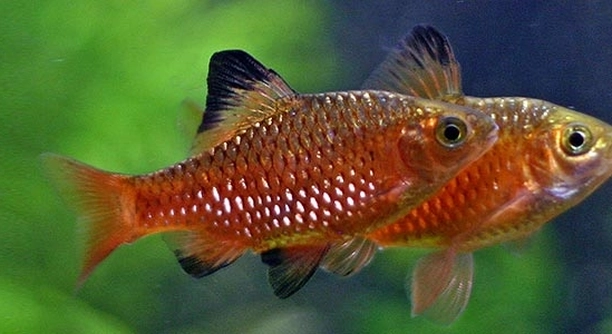
Many gardeners enjoy growing rosy barbs because of their vibrant colors and active behavior. These fish add life to home aquariums but require careful attention to their environment. Overcrowding or adding too many rosy barbs can cause issues for both the fish and their habitat.
Adding too many rosy barbs to an aquarium often results in overcrowding, increased waste production, and heightened stress levels among the fish. These factors can lead to poor water quality, aggressive behavior, and a higher risk of illness within the tank.
Knowing the signs of overcrowding helps maintain a healthy aquarium environment. This article will guide you through what to watch for when caring for your rosy barbs.
Signs of Overcrowding in Your Aquarium
When there are too many rosy barbs in a tank, the fish often seem restless and aggressive. You might notice more chasing or nipping among them. Overcrowding means less space for each fish to swim freely, which can lead to stress and injuries. Water quality tends to worsen because more fish produce more waste, increasing ammonia and nitrite levels. This affects the health of all tank inhabitants. Plants and decorations may also suffer, as fish activity intensifies. It’s important to watch for sudden changes in behavior or appearance, such as faded colors or clamped fins, which can signal distress. Overcrowding reduces oxygen levels, especially in tanks without proper filtration or aeration. Regular water testing and observing your fish daily can help catch problems early. Taking these steps can prevent serious health issues and create a better environment for your rosy barbs to thrive.
Stress and poor water conditions often accompany overcrowding, making fish more vulnerable to disease.
Keeping a balanced number of rosy barbs ensures a peaceful tank and healthier fish. Each fish needs enough room to swim and establish its own space. By avoiding overcrowding, you reduce competition for food and oxygen. Regular monitoring of water parameters and fish behavior helps maintain a stable environment. Adjusting tank size or reducing the number of fish can improve overall wellbeing. Remember, a healthy tank supports bright colors and lively behavior in your rosy barbs. Proper care also means less work fixing problems later on. It’s better to start with fewer fish and add more gradually while checking the tank’s capacity. This approach makes caring for your aquarium more enjoyable and successful in the long run.
Changes in Water Quality and Maintenance Needs
Overcrowding causes water quality to decline faster than usual.
With too many rosy barbs, waste builds up quickly, causing frequent water changes to become necessary. Ammonia and nitrite levels rise, which are harmful to fish health. Increased feeding to support a larger group also adds to waste problems. Filtration systems may struggle to keep water clean, reducing oxygen levels. This can make fish more prone to infections and reduce their lifespan. Maintaining proper water parameters becomes a challenge when the tank is overcrowded. Tank plants may suffer as well because they rely on balanced conditions. Cleaning the tank often becomes more demanding and time-consuming. Fishkeepers may notice cloudy water or unpleasant odors, both signs that the tank is stressed. Using test kits regularly and performing partial water changes helps manage these issues. Proper stocking levels and tank maintenance routines support a stable and healthy environment for rosy barbs and other aquatic life.
Aggressive Behavior Among Rosy Barbs
Aggression increases noticeably when rosy barbs are overcrowded. They may nip fins or chase each other more often.
In a crowded tank, rosy barbs compete for space and food, which raises tension. This competition can lead to injuries and stress, weakening their immune systems. Some fish may become shy or hide more, affecting the natural balance in the tank. Aggression disrupts the peaceful environment, making it harder to care for the fish. Grouping rosy barbs properly and providing enough room reduces conflicts and keeps them active and healthy.
A well-maintained tank with enough space allows the fish to establish territories and reduces aggressive encounters. Hiding places or plants can also help calm the fish. Over time, aggressive behavior tends to decrease when these conditions are met.
Physical Signs of Stress
Stress from overcrowding shows through physical changes in rosy barbs. Colors may fade, and fins could look damaged.
Faded colors mean the fish are under pressure, often from poor water or lack of space. Clamped fins, torn or ragged edges, and small wounds are common signs of stress. These conditions can lead to illness or slower recovery from injuries. Observing these physical changes early helps prevent more serious problems. Stress also lowers the fish’s resistance to diseases like ich or fin rot, which can spread quickly in crowded tanks. Regular health checks and adjusting tank conditions keep rosy barbs looking vibrant and active.
Decreased Appetite
Overcrowded rosy barbs often eat less than usual. Stress and competition for food reduce their interest in feeding.
When fish feel stressed or intimidated by others, they may stop eating regularly. This can lead to weight loss and weaker immune systems. Monitoring feeding habits is important to catch these changes early.
Cloudy Water and Algae Growth
Cloudy water and excess algae are common when too many rosy barbs share a tank. More waste means higher nutrient levels that promote algae blooms. Poor water clarity affects fish health and makes the tank less attractive. Maintaining proper stocking levels and regular cleaning helps keep water clear and balanced.
Reduced Lifespan
Rosy barbs kept in overcrowded conditions tend to have shorter lifespans. Stress and poor water quality take a toll over time, increasing the risk of disease and early death.
Difficulty Maintaining Tank Balance
An overcrowded tank struggles to stay balanced, making fish care more demanding and less enjoyable.
How many rosy barbs should I keep in one tank?
The recommended number of rosy barbs depends on tank size. A general rule is one inch of fish per gallon of water. For example, in a 20-gallon tank, you could keep about 10 rosy barbs if they average two inches each. This ensures enough space for swimming and reduces stress. Overstocking leads to poor water quality and aggressive behavior. It’s better to start with fewer fish and add more gradually, watching how your tank handles the load. Filtration and aeration should also be adjusted based on the number of fish.
What happens if my rosy barbs are overcrowded?
Overcrowding causes stress, which leads to aggressive behavior, poor health, and faded colors. Fish compete for food and space, causing injuries and higher risk of illness. Waste levels rise quickly, making water cloudy and toxic. This can reduce oxygen availability, harming fish further. Overcrowded tanks require more frequent cleaning and water changes to keep conditions stable. Ignoring overcrowding risks losing fish to disease or stress-related problems.
How can I tell if my rosy barbs are stressed?
Signs of stress include faded colors, clamped fins, and unusual hiding. Aggression, loss of appetite, and slow movement are also common indicators. Stress weakens immune systems, making fish prone to infections like fin rot or ich. Monitoring daily behavior and appearance helps catch stress early. Testing water quality regularly ensures a healthy environment. Addressing tank size or improving water conditions often reduces stress quickly.
Can adding plants help reduce overcrowding problems?
Yes, plants create hiding spots and visual barriers, which lower aggression by giving fish spaces to retreat. They also help absorb some waste and improve oxygen levels. While plants do not solve overcrowding itself, they improve tank conditions and fish comfort. Live plants require proper care but add balance to the environment, supporting healthier rosy barbs.
What should I do if I notice aggressive behavior in my rosy barbs?
First, check if the tank is overcrowded. If so, reduce the number of fish or increase tank size. Adding plants or decorations can break lines of sight and give fish places to hide. Ensure feeding is adequate and spread out to reduce competition. Improving water quality and maintaining stable conditions also helps calm aggression. If aggression persists, separating the most aggressive fish might be necessary.
How often should I clean my tank with many rosy barbs?
Tanks with many rosy barbs need more frequent maintenance. Partial water changes of 20-30% should happen weekly or biweekly. Regular cleaning of filters and removing debris help keep ammonia and nitrite levels low. Overcrowding increases waste, so careful monitoring is key. Testing water parameters often is important to avoid harmful spikes.
Will overcrowding affect the lifespan of rosy barbs?
Yes, overcrowding shortens their lifespan. Stress, poor water quality, and injuries weaken fish over time. Healthy tanks with proper stocking support longer, happier lives for rosy barbs. Managing population and tank conditions carefully helps fish live to their full potential.
Is there a way to expand my tank to reduce overcrowding without buying a new one?
While you can add decorations or plants to create more hiding spots, this does not increase actual swimming space. Rearranging the tank layout may make it feel less crowded but won’t solve space limits. The best solution is to upgrade to a larger tank or reduce the number of fish. Proper space is essential for their health and behavior.
Can water testing kits help manage overcrowding issues?
Absolutely. Regular water testing shows levels of ammonia, nitrites, nitrates, and pH. High ammonia or nitrites signal poor water quality caused by overcrowding. Monitoring these values helps catch problems early and guides when to do water changes or reduce fish numbers. Water testing is a simple but vital tool for maintaining a healthy aquarium.
What is the best way to introduce new rosy barbs to avoid overcrowding?
Add new fish slowly, ideally one or two at a time, to give the tank time to adjust. Quarantine new arrivals before adding them to prevent disease spread. Monitor water quality closely after introduction. Avoid adding too many fish all at once, which stresses the tank and existing fish. Gradual introductions keep conditions stable and reduce aggression.
Keeping rosy barbs can be very rewarding, but it requires careful attention to their needs. One of the most important things is to avoid adding too many fish to the tank. Overcrowding causes many problems like stress, aggression, poor water quality, and illness. Each fish needs enough space to swim and live comfortably. When the tank is balanced with the right number of fish, you will notice healthier, more active, and colorful rosy barbs. It is always better to plan the number of fish according to the tank size and stick to it.
Maintaining good water quality is key when caring for rosy barbs. Overcrowding increases waste, which affects the water and can harm the fish. Regular water testing and cleaning are necessary to keep ammonia, nitrites, and nitrates at safe levels. This helps prevent diseases and keeps the fish lively. Adding live plants can improve the tank environment by reducing stress and providing hiding places. Watching the fish daily and knowing the signs of stress will help you respond quickly to any problems.
Taking care of rosy barbs means understanding their behavior and environment. Aggression, faded colors, or loss of appetite are signs that the tank conditions need attention. Reducing the number of fish or upgrading to a larger tank can improve their health and happiness. Keeping a balanced and well-maintained aquarium ensures that rosy barbs can live longer and thrive. With the right care, your tank will be a beautiful and peaceful place for these colorful fish.

Hello,
If you enjoy the content that we create, please consider saying a "Thank You!" by leaving a tip.
Every little bit helps us continue crafting quality advice that supports the health, happiness, and well-being of pets around the world, for pets of all shapes, sizes, and species.
We really appreciate the kindness and support that you show us!