
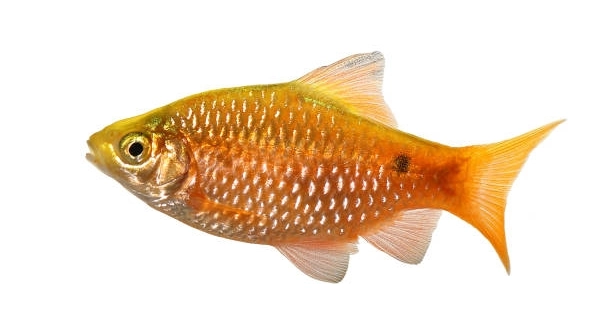
Is your Rosy Barb spending more time near the surface than usual, leaving you unsure whether it’s normal or a cause for concern?
The most common reason Rosy Barbs swim near the top is low oxygen levels in the tank. Fish often move to the surface to access more oxygen-rich water, especially if the environment lacks proper aeration or water flow.
Recognizing why this happens can help you maintain a healthier tank and ensure your Rosy Barb stays active, comfortable, and safe in its aquatic home.
Common Reasons Your Rosy Barb Stays Near the Top
Rosy Barbs are active swimmers, so seeing them hover near the surface can feel off. The most common reason is a lack of oxygen. Warmer water holds less oxygen, and poor circulation or filtration can worsen the issue. Check if your aquarium has proper surface agitation—this helps oxygen enter the water. Another cause could be overcrowding. Too many fish can reduce oxygen levels quickly. Additionally, ammonia or nitrite spikes can irritate your fish and drive them to the top, gasping. Always test your water parameters regularly. It’s also possible they’re just feeding; Rosy Barbs often rise when they expect food, especially if feeding happens at the surface.
Sometimes, your Rosy Barb may be avoiding aggressive tank mates or simply reacting to sudden changes in lighting or temperature.
Adding an air stone or adjusting your filter’s position can often fix the issue. Make sure tank conditions stay stable and balanced.
When to Be Concerned
If your Rosy Barb stays at the top constantly and shows signs of stress like rapid gill movement or clamped fins, something isn’t right.
Consistent surface swimming paired with sluggish behavior or lack of appetite should be addressed quickly. First, test your tank’s water—ammonia, nitrites, and nitrates should all be within safe ranges. Check for temperature spikes or a failing heater. Low oxygen is usually the reason, so increasing aeration should help. Also, inspect your filter to ensure it’s circulating water properly. If your fish is isolated, look for bullying from other tank mates. Rosy Barbs are social and prefer small groups; being alone can lead to stress. If all water conditions are fine and your fish still lingers at the surface, watch for signs of illness—faded color, fin damage, or bloating. In such cases, quarantine the fish and consult a professional. Fixing the issue early helps protect the health of your Rosy Barb and your entire tank.
How Tank Conditions Affect Rosy Barb Behavior
Poor water conditions can make Rosy Barbs act differently. If the temperature is too high or low, or the water chemistry is unstable, your fish may become stressed and stay near the top. Always monitor your tank’s environment closely.
Water temperature should stay between 72°F and 78°F. Sudden fluctuations can affect their energy and breathing. Low oxygen levels are common in tanks with little surface movement. Using an air stone, adjusting the filter output, or adding plants can help increase oxygen. High ammonia or nitrite levels can also make fish feel sick and avoid deeper areas. Always dechlorinate tap water before use. It’s also important to avoid overcrowding. Too many fish create more waste, reducing water quality. When tank conditions are off, your Rosy Barb might hover at the top just to breathe easier. Clean water, steady temperature, and proper aeration all help keep them swimming comfortably at every level.
Regular water testing is essential to track ammonia, nitrites, and pH. A test kit helps you catch issues early. Keep nitrates under control with partial water changes—usually about 25% weekly, depending on your tank’s size and stocking. Make sure your filtration system suits your tank’s size. If your filter’s too small, it can’t keep up. Use a sponge filter or add more circulation if needed. Consider live plants—they help oxygenate water and provide hiding spots. Avoid overfeeding, as leftover food breaks down and harms water quality. Stick to feeding small amounts once or twice a day. Keep lighting on a timer to prevent stress. A consistent, clean tank setup allows your Rosy Barb to thrive and explore every part of the aquarium.
Feeding Habits That May Confuse You
Rosy Barbs often associate the surface with feeding time. If they see you approach the tank, they may swim to the top in anticipation—even when they aren’t hungry. This behavior is normal but can sometimes be mistaken for distress.
It’s easy to confuse begging for food with signs of illness or stress. If your Rosy Barb is active, responsive, and eating well, swimming near the top during feeding times is nothing to worry about. However, overfeeding can cause bloating and water issues. Feed small portions that your fish can finish in about two minutes. Uneaten food should be removed quickly. Use a varied diet of flakes, pellets, and frozen foods to keep your Rosy Barb healthy. Stick to a schedule—feeding once or twice daily is enough. Watch their behavior after feeding. If they become sluggish, you may be feeding too much. A balanced routine supports both their energy and the tank’s health.
Signs Your Rosy Barb Might Be Unwell
If your Rosy Barb stays at the top with rapid gill movement or looks pale, it could be a sign of illness. Watch for clamped fins, loss of appetite, or unusual swimming patterns.
Some illnesses show up as white spots, bloating, or frayed fins. Quarantine if symptoms get worse.
How Tank Mates Can Influence Behavior
Aggressive or nippy tank mates may force your Rosy Barb to avoid certain areas, including the middle or bottom of the tank. Even peaceful species can cause stress if the tank is too small or overcrowded. Choose companions carefully and watch for chasing or fin-nipping. Rosy Barbs are schooling fish and feel safer in small groups, ideally five or more. Isolation can make them anxious and lead to odd behavior. Rearranging tank decor can break up territories and reduce tension. Providing hiding spots also helps. A calm tank dynamic supports better swimming habits and reduces stress-related issues, including surface hovering.
Adjustments That Can Help Right Away
Increase surface agitation with an air stone or by adjusting the filter output. This improves oxygen levels and helps your Rosy Barb feel more comfortable. Make water changes regularly to support a stable environment.
FAQ
Why is my Rosy Barb swimming near the top but looks healthy?
Rosy Barbs often swim near the surface when expecting food. This behavior is common and usually not a concern if they appear active and their fins are open. It’s their way of interacting with their environment, especially during feeding times.
Could low oxygen in the tank cause my Rosy Barb to stay at the top?
Yes, low oxygen is a frequent cause. Fish swim near the surface where oxygen levels are higher. Poor water circulation, overcrowding, or high temperatures reduce oxygen. Adding an air stone or increasing water movement can improve oxygen levels.
What water parameters should I check if my Rosy Barb is gasping at the surface?
Test ammonia, nitrite, nitrate, pH, and temperature. Ammonia and nitrites should be zero, nitrates low. pH should be stable, ideally between 6.5 and 7.5. Temperature around 72°F to 78°F. Spikes or poor readings can stress fish and cause surface swimming.
How often should I perform water changes to prevent my Rosy Barb from gasping?
Partial water changes of about 25% weekly are recommended. More frequent changes may be needed in crowded or heavily stocked tanks. Consistent water changes keep toxins low and oxygen high, helping fish breathe easily throughout the tank.
Can aggressive tank mates make my Rosy Barb stay near the top?
Yes, aggressive or territorial fish can push Rosy Barbs toward the surface to avoid conflict. Nipping or chasing can stress them, causing unusual swimming patterns. Keeping peaceful tank mates and enough hiding spots reduces stress and promotes natural behavior.
Is it normal for Rosy Barbs to swim near the surface at night?
It’s less common but can happen if the tank environment is stressful or oxygen is low. Fish generally rest near the bottom or middle at night. If your Rosy Barb is frequently near the top during rest periods, check water quality and tank conditions.
What signs indicate my Rosy Barb might be sick rather than just swimming at the surface?
Look for rapid gill movement, clamped fins, loss of color, lethargy, or unusual spots or swelling. Reduced appetite or erratic swimming also indicates illness. Surface swimming alone isn’t a sign of sickness unless combined with these symptoms.
Can temperature changes cause my Rosy Barb to swim near the surface?
Yes, sudden temperature shifts can stress fish and affect oxygen levels. Warmer water holds less oxygen, pushing fish to the surface. Maintain a steady temperature between 72°F and 78°F to keep your Rosy Barb comfortable.
Should I feed my Rosy Barb differently if it stays near the top?
No special feeding changes are needed unless your fish shows signs of illness. Feed small, balanced portions once or twice daily. Overfeeding can cause water quality problems, which might worsen surface swimming behavior.
How many Rosy Barbs should I keep together to prevent stress?
Rosy Barbs are schooling fish and do best in groups of five or more. Keeping them in groups reduces stress and encourages natural swimming behavior throughout the tank, not just near the surface.
Can plants help reduce my Rosy Barb’s surface swimming?
Yes, live plants improve oxygen levels and provide hiding places. Plants break up territories and make fish feel safer. This often reduces surface gasping caused by stress or low oxygen in the tank.
What equipment changes can improve my Rosy Barb’s comfort?
Consider adding an air stone or increasing filter flow to improve water movement and oxygenation. Upgrading your filtration system to suit your tank size also helps maintain water quality. Proper lighting and stable temperature support healthy behavior.
When should I seek professional help for my Rosy Barb?
If surface swimming is accompanied by illness signs or persists despite good water quality and tank conditions, consult an aquatic vet or experienced hobbyist. Early diagnosis can prevent serious health problems.
Can water conditioners affect my Rosy Barb’s swimming habits?
Some water conditioners can temporarily reduce oxygen levels or stress fish if overdosed. Always follow product instructions carefully and choose conditioners designed for freshwater tropical fish.
Is it okay for Rosy Barbs to swim near the surface occasionally?
Yes, occasional surface swimming is normal, especially during feeding or when exploring. Consistent surface swimming with other signs of stress is when you should take action.
Final Thoughts
Observing your Rosy Barb swimming near the top of the tank can feel worrying at first. However, this behavior is often a natural response to conditions in the aquarium. The key reasons usually involve water quality and oxygen levels, which are easy to manage with some regular care. Understanding your fish’s environment helps you provide the right conditions so they remain comfortable and healthy. Paying attention to tank size, water parameters, and tank mates can prevent many common issues that cause surface swimming. Maintaining a balanced environment ensures your Rosy Barb can swim freely at all levels of the tank.
Keeping your aquarium clean and well-maintained is essential. Regular water testing helps catch problems before they affect your fish. Partial water changes and proper filtration keep toxins like ammonia and nitrites at safe levels. Adding equipment like air stones or adjusting filters can increase oxygen flow, which often solves surface swimming caused by low oxygen. Also, keeping a steady temperature and avoiding overcrowding reduces stress on your fish. Remember, Rosy Barbs are active swimmers who enjoy a well-oxygenated tank with plenty of room and peaceful companions. This makes a big difference in their overall behavior and health.
If you notice any unusual signs like rapid breathing, clamped fins, or lack of appetite alongside surface swimming, it is important to act quickly. These signs may indicate illness or poor water conditions that need attention. Early intervention can save your fish from more serious health issues. Observe your Rosy Barb closely and adjust tank care as needed. Providing a stable, clean, and oxygen-rich environment helps your fish thrive and reduces the chances of surface swimming becoming a concern. With the right care, your Rosy Barb will stay lively, colorful, and enjoy exploring every part of its home.

Hello,
If you enjoy the content that we create, please consider saying a "Thank You!" by leaving a tip.
Every little bit helps us continue crafting quality advice that supports the health, happiness, and well-being of pets around the world, for pets of all shapes, sizes, and species.
We really appreciate the kindness and support that you show us!