
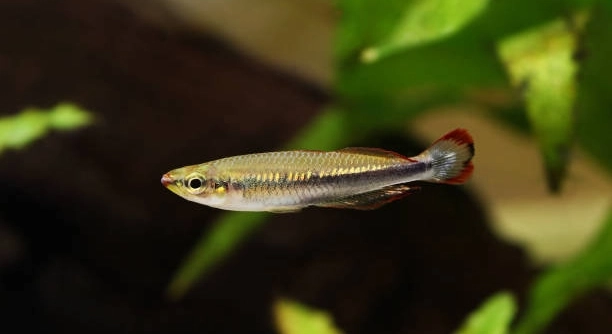
Caring for rainbowfish means understanding the details that help them feel at ease in their aquatic home. A calm environment supports stability, helping them thrive with steady routines and gentle conditions around them each day.
Rainbowfish feel secure when their environment provides stable water parameters, consistent lighting, and sufficient plant cover. These factors reduce stress and support natural behaviors, allowing them to maintain calm responses while adapting more effectively to their surroundings and social interactions.
Exploring how their environment shapes comfort will offer helpful insight into creating a space that keeps rainbowfish settled and supported.
Environmental Stability
Creating a stable environment for rainbowfish starts with paying attention to the simple details that shape their daily comfort. I like keeping things calm and predictable for them, since they respond best when their tank feels steady and familiar. Clean water, gentle movement, and consistent light patterns help them feel safe without any sudden changes disrupting their sense of balance. Live plants provide natural shelter, and open swimming space allows them to move freely without feeling crowded. When these elements come together, rainbowfish settle into a relaxed rhythm that supports their health and confidence. Maintaining stability is not complicated, but it does require regular care and a steady routine that keeps their surroundings reliable. This sense of security grows stronger over time, creating an atmosphere that supports peaceful behavior and smooth interactions in the tank. These small choices make their habitat feel genuinely safe every single day for them too.
A secure rainbowfish tank depends on consistent conditions that support calm behavior. Stable water quality, steady lighting, and natural hiding areas reduce stress and help them feel grounded. When their environment remains predictable, they gain confidence and interact more comfortably within their space, each and every time they move around.
As rainbowfish grow accustomed to a balanced setup, their behavior becomes noticeably smoother and more expressive. They move with ease, explore their space without hesitation, and develop a stronger presence in the tank. I find that when their surroundings stay predictable, they display brighter colors and more coordinated schooling patterns. These signs reflect real comfort, showing that their needs are being met in a consistent way. With a stable environment guiding their daily routine, rainbowfish settle into a calm rhythm that supports healthier habits and a more peaceful atmosphere overall in their tank each and every single gentle passing day.
Social Comfort
Rainbowfish feel more secure when surrounded by compatible companions that match their temperament and activity level. Calm, balanced groups help reduce tension and support natural schooling behavior. A peaceful social structure encourages steady patterns that keep them relaxed and comfortable during daily movement within the tank in their shared space.
Building a secure social setting for rainbowfish involves keeping their group size appropriate while ensuring the tank remains calm and balanced. These fish thrive when surrounded by others that share similar energy levels, giving them a sense of structure that supports smooth interactions. I like observing how their confidence grows when they are placed in a group that suits their natural behavior, since this reduces competition and encourages steady schooling. Adequate space plays an important role, allowing them to move freely without crowding or tension. When their environment feels open and stable, they interact in a more coordinated way that reflects comfort and familiarity. Consistent routines help strengthen these patterns, offering predictable cues that shape how they respond to one another. Over time, the group becomes more synchronized, creating a peaceful atmosphere that benefits every rainbowfish in the tank. With thoughtful care and attention to their social needs, these fish develop calm habits that support long term stability and healthier behavior overall. This steady balance strengthens their confidence and supports smoother movement, offering predictable interactions that keep daily behavior calm. A stable social environment reinforces their comfort and helps them remain secure as they adapt to gentle routines each day.
Physical Layout
Rainbowfish rely on a well arranged tank that supports free movement and natural shelter. I focus on giving them open swimming space paired with calm areas so they can retreat when needed. This balance helps maintain steady behavior and reduces unnecessary stress in their daily routine.
A thoughtful layout helps rainbowfish feel grounded by giving them structure without restricting their movement. I use plants to create gentle barriers that offer comfort while still keeping the tank open enough for smooth swimming. They seem more at ease when they can glide through open areas, then settle behind greenery when they want quiet moments. Hardscape pieces like smooth rocks or driftwood add stability to the environment, creating additional hiding areas that feel natural to them. With these elements in place, their behavior becomes more fluid, and they move confidently through every part of the tank instead of sticking to one small corner.
Keeping the tank layout consistent also strengthens their sense of security. Rainbowfish dislike sudden changes, so I avoid rearranging decorations unless absolutely necessary. Once they become familiar with the placement of plants and structures, they develop a calmer rhythm throughout the day. I notice they explore more freely when everything stays predictable, showing brighter colors and smoother schooling patterns. This familiar setup makes each part of the tank feel safe, allowing them to swim, rest, and interact without uncertainty. By giving them a layout they can rely on, their comfort grows steadily and reflects in their gentle, peaceful behavior.
Light and Movement
Rainbowfish feel safer under lighting that remains soft and predictable. Sudden brightness can easily unsettle them, so I keep their light transitions gradual and steady. Pairing this with gentle water movement helps create a stable atmosphere that supports calm reactions throughout their daily routine.
A balanced lighting schedule helps rainbowfish maintain steady behavior, especially when the changes occur slowly rather than abruptly. I keep their light cycle consistent every day, giving them time to adapt as the tank brightens or dims. Gentle filtration also contributes to their comfort, preventing harsh currents that might push them around. Rainbowfish respond well to soft flow, swimming smoothly without feeling overwhelmed by movement. When light and flow remain controlled, they explore the tank with more confidence, displaying brighter colors and natural patterns. I also avoid placing the tank in bright or noisy areas, since unpredictable disturbances can disrupt their calm rhythm. By supporting gentle light and movement, their environment stays peaceful, allowing them to settle into comfortable habits that keep stress low and stability high.
Feeding Routine
Rainbowfish respond well to a feeding schedule that stays steady each day. I keep their portions small so they never feel overwhelmed or rushed. This consistency helps them remain calm, and they begin to anticipate meals without showing anxious or frantic behavior around the tank.
Offering a balanced diet also keeps their stress levels low. I use high quality flakes, small pellets, and occasional frozen foods to give them variety without excess. When feeding stays predictable, they approach the surface with relaxed movements. This routine builds a sense of stability that supports their overall comfort and confidence.
Water Quality Management
Maintaining clean water is one of the most reliable ways to help rainbowfish feel secure. I keep up with regular water changes, avoiding sudden shifts that could unsettle them. Gentle filtration and stable parameters give them a dependable environment that feels safe. When everything stays steady, they move confidently, show brighter colors, and interact more smoothly. I check levels frequently so I can adjust early rather than letting problems grow. This careful attention keeps their habitat predictable, allowing them to settle into calm patterns that support long term well being without unnecessary disruptions in their routine.
Temperature Control
Rainbowfish thrive when temperature changes remain subtle and controlled. I keep their tank within a comfortable range and avoid abrupt fluctuations. Consistent warmth helps them stay relaxed, and their behavior stays smoother when the temperature remains steady throughout the entire day.
FAQ
What kind of tank setup makes rainbowfish feel secure?
Rainbowfish thrive in a tank that balances open swimming space with hiding areas. I always include live plants, smooth rocks, and driftwood to create gentle shelters. They feel calmer when they can explore freely but retreat to a safe spot when needed. A consistent layout without frequent rearrangement helps them adapt and reduces stress.
How important is water quality for their comfort?
Water quality is essential. I perform regular partial water changes and monitor parameters like pH, hardness, and ammonia levels. Sudden changes can unsettle rainbowfish, so keeping water stable and clean is key. Gentle filtration supports circulation without creating strong currents that could overwhelm them.
Do rainbowfish need companions to feel secure?
Yes, rainbowfish are schooling fish, and they feel safer in groups. I usually keep at least six together to support natural schooling behavior. Compatible group members reduce aggression and create a predictable social structure that lowers stress. Crowding or mismatched temperaments can cause tension and nervous behavior.
What feeding routines help reduce stress?
Regular, small meals work best. I feed them twice a day with high-quality flakes, pellets, and occasional frozen foods. Consistency in timing and portion size prevents frantic feeding and helps rainbowfish anticipate meals calmly. Varied food also keeps them healthy and engaged without overwhelming them.
How should lighting and water movement be managed?
Soft, predictable lighting and gentle water flow help rainbowfish feel secure. I maintain a consistent light schedule to mimic natural day-night cycles. Strong currents or abrupt changes in brightness can stress them, so I keep transitions gradual and the tank area calm.
Can temperature changes affect their sense of security?
Yes, rainbowfish are sensitive to sudden temperature fluctuations. I keep the tank within their ideal range and avoid rapid changes. Stable warmth supports relaxed behavior, consistent swimming patterns, and overall well-being. They adjust better when the temperature remains predictable each day.
How do decorations impact their comfort?
Decorations provide shelter and create a structured environment. I use plants, rocks, and driftwood to offer hiding spots while keeping open areas for swimming. A predictable arrangement helps rainbowfish explore confidently without feeling threatened, supporting natural behaviors like schooling and resting.
Is tank size important for their security?
Absolutely. I provide enough space for free swimming and group interaction. Crowded tanks increase stress and reduce comfort. A larger tank with open swimming zones and structured hiding spots allows rainbowfish to establish safe patterns and reduces territorial conflicts.
How do rainbowfish react to sudden changes in their environment?
They become anxious and may hide or dart around when changes occur. I minimize disturbances like moving decorations, abrupt lighting shifts, or irregular feeding. Maintaining predictable routines helps rainbowfish remain calm and confident, allowing them to settle naturally into the tank environment.
Are there signs that rainbowfish are feeling secure?
Yes, secure rainbowfish swim confidently, display vibrant colors, and school smoothly with others. They explore the tank without hiding excessively and react calmly to gentle interactions. Observing these behaviors helps me ensure their habitat remains stable, comfortable, and supportive of their well-being.
How can I encourage rainbowfish to adapt to new environments?
Introducing them gradually into a well-prepared tank is key. I acclimate them slowly to water conditions, maintain stable parameters, and avoid sudden disturbances. Providing plants, hiding spots, and compatible companions helps them settle. Patience and consistent routines ensure they adjust confidently without unnecessary stress.
What maintenance routines support their security long-term?
Regular water testing, gentle filtration upkeep, stable feeding schedules, and consistent temperature control all support long-term security. I monitor their behavior closely, adjusting only when needed to maintain balance. Predictable routines keep rainbowfish comfortable, healthy, and less prone to stress or sudden behavioral changes.
How does social hierarchy affect their comfort?
A balanced group reduces tension. I watch for aggressive behavior and remove incompatible fish if necessary. When hierarchy is stable, rainbowfish school smoothly, interact calmly, and avoid unnecessary stress. Maintaining compatible companions ensures their social environment supports steady behavior and confidence in the tank.
Do seasonal changes impact rainbowfish security?
They can if temperature or light schedules shift abruptly. I adjust heaters and timers gradually to mimic natural changes. Keeping environmental cues predictable helps rainbowfish maintain calm behavior, regardless of seasonal differences outside the tank. Stability in their immediate surroundings is more important than outside conditions.
Can stress from other species affect rainbowfish security?
Yes, tankmates with aggressive or very active behavior can unsettle them. I select companions that match their energy level and temperament. Peaceful species help maintain calm schooling, reduce hiding, and allow rainbowfish to express natural behaviors confidently without disruption.
How do I know if the tank is truly secure for them?
Consistent, calm behavior is the best indicator. Rainbowfish that swim openly, show vibrant coloration, school well, and explore freely are comfortable. Predictable routines, stable water, and a balanced social group all contribute to their sense of security and overall well-being.
What small adjustments can enhance their comfort?
Adding extra plants, creating more hiding spots, softening lighting, or gently adjusting water flow can improve their security. I pay attention to how they respond and make incremental changes, ensuring the tank remains predictable while meeting their needs for comfort and stability.
How often should I monitor their behavior?
Daily observation is ideal. I watch for signs of stress, changes in swimming patterns, or hiding tendencies. Frequent monitoring allows me to maintain a stable environment and adjust routines or tank conditions before problems escalate, keeping rainbowfish confident and secure.
Does consistent human interaction matter?
Yes, gentle and predictable interaction helps them adapt to presence without causing stress. I avoid sudden movements and feed carefully, letting them observe and learn routines. Over time, this fosters calmness and familiarity in their surroundings.
Can I use plants to boost their sense of security?
Live or artificial plants create essential hiding areas and reduce open exposure. I place them strategically to allow safe retreats while keeping swimming paths clear. This balance helps rainbowfish feel sheltered yet free to move confidently around the tank.
How does schooling behavior influence security?
Schooling provides confidence and protection. I maintain adequate group sizes so they can coordinate movement naturally. When schooling patterns are steady, rainbowfish feel safer, reduce stress, and exhibit more natural, relaxed behaviors. A cohesive group is a cornerstone of their security in the tank.
What role does diet variety play in comfort?
A varied diet keeps them healthy without overwhelming their digestive system. I provide flakes, pellets, and occasional frozen foods in measured portions. Predictable feeding times and consistent variety support steady behavior and reduce anxiety around meals.
How long does it take for rainbowfish to feel secure in a new tank?
It depends on preparation and care. With stable water, compatible companions, structured layout, and predictable routines, they usually settle within a few days to a couple of weeks. Patience and observation help ensure they adjust safely and confidently.
How do I handle tank cleaning without stressing them?
I clean gently, performing partial water changes and avoiding sudden, drastic alterations. I remove debris slowly and keep decorations stable. Minimizing disruption allows rainbowfish to remain calm while maintaining a healthy and secure environment.
Can noise or vibrations affect their security?
Yes, loud sounds or consistent vibrations can stress them. I place the tank in a quiet area and avoid sudden disturbances. A stable, calm environment reinforces their sense of safety and promotes natural, relaxed behaviors.
Is it necessary to test water daily?
Daily testing isn’t required, but frequent checks help maintain stability. I monitor key parameters regularly, adjusting as needed to prevent fluctuations that could unsettle them. Consistency keeps rainbowfish comfortable and reduces stress over time.
Do rainbowfish respond to tank mates being stressed?
Yes, stressed tank mates can trigger anxious behavior. I observe interactions carefully and separate aggressive or overly nervous fish to maintain a calm, secure group. Predictable social dynamics are essential for overall comfort.
How can I tell if feeding schedules are effective?
Rainbowfish approach food calmly and consume it steadily without frantic movement. They remain relaxed before and after meals, showing confidence in their environment. Consistent timing reinforces a sense of security and routine that supports their comfort.
Are there long-term benefits to maintaining a secure tank?
Absolutely. Steady behavior, vibrant coloration, healthy growth, and natural schooling patterns all result from consistent care. A secure environment reduces stress, improves lifespan, and allows rainbowfish to display their natural behavior with confidence and ease.
What’s the most overlooked factor in rainbowfish security?
Small, consistent routines like gradual lighting changes, gentle water flow, and predictable feeding often make the biggest difference. I’ve noticed these minor details create a sense of stability that larger efforts alone can’t provide. Consistency is key to keeping them calm and secure.
How do I address aggressive behavior without disrupting security?
I separate aggressive fish temporarily and monitor interactions closely. Adjusting group size or rearranging hiding spots carefully reduces tension without creating sudden disruptions. Maintaining a calm environment allows rainbowfish to return to natural schooling and confident behavior quickly.
What role does water temperature play in stress levels?
Stable water temperature supports relaxed swimming and consistent activity. I avoid sudden heating or cooling, as fluctuations can cause anxiety. Predictable warmth helps rainbowfish maintain steady behavior and feel secure in their daily routine.
How do I balance schooling needs with space limitations?
I ensure the tank is large enough to accommodate their group size comfortably. Sufficient open swimming space and scattered hiding spots allow coordinated movement without crowding, supporting calm interactions and reducing stress from territorial disputes.
Can subtle adjustments improve security over time?
Yes, small, gradual changes like adding new plants or adjusting flow gently help them adapt without stress. I always monitor their response, making sure modifications enhance comfort rather than create instability. Predictable adjustments maintain a sense of safety.
How important is observation in maintaining a secure tank?
Daily observation is critical. I watch for color changes, hiding, or unusual movements. Monitoring behavior helps identify problems early, allowing timely adjustments that maintain stability, calmness, and a secure environment for rainbowfish.
Does water hardness affect their comfort?
Yes, rainbowfish respond best to stable water hardness within their ideal range. I monitor and adjust slowly when needed. Consistent water chemistry supports predictable behavior and reduces stress in the tank.
How do I integrate new rainbowfish without causing stress?
Gradual acclimation, stable water, and temporary separation help new fish adjust. I introduce them slowly to existing companions and observe interactions carefully to maintain calm and reduce stress during integration.
Are there signs that the tank setup needs improvement?
Frequent hiding, erratic swimming, faded colors, or reduced schooling indicate discomfort. I review layout, water quality, temperature, and social structure to restore stability, ensuring rainbowfish remain calm and secure.
How can I make them feel secure during maintenance?
I perform gentle, predictable routines like partial water changes and soft cleaning. Avoiding sudden disturbances ensures they remain calm while I maintain a clean and healthy environment.
What small environmental factors can affect security?
Noise, light intensity, tank vibrations, and nearby activity all impact comfort. I manage these factors to minimize stress and maintain a peaceful, predictable habitat for rainbowfish.
Is schooling instinct strong enough to reduce stress alone?
Schooling helps, but it works best in a stable environment with adequate space, hiding spots, and predictable routines. I balance social dynamics with environmental factors to ensure full comfort.
How do I maintain security during illness or treatment?
I separate affected fish, maintain stable water, and follow gentle treatment protocols. Predictable routines and minimal disturbances help them recover while keeping stress low.
Can decorations be rearranged safely?
Yes, but I do it gradually and sparingly. Sudden changes can unsettle rainbowfish, so I plan rearrangements carefully and observe their reactions to ensure continued comfort.
Do rainbowfish adapt quickly to a secure tank?
With stable conditions and predictable routines, they usually adapt within days to weeks. Consistency and patience help them settle confidently, displaying natural behavior and reduced stress.
How do I encourage confidence in shy rainbowfish?
Providing hiding spots, gentle light, and calm companions allows shy fish to explore gradually. I give them space and time, letting them build confidence without pressure.
Can sudden feeding changes cause stress?
Yes, abrupt changes in diet or feeding times can unsettle rainbowfish. I keep portions, timing, and food type consistent, introducing variety gradually to support comfort.
What’s the best way to monitor stress in rainbowfish?
I watch color vibrancy, schooling behavior, swimming patterns, and hiding tendencies. Calm, confident movement and bright colors indicate security, while erratic or withdrawn behavior signals potential stress.
How often should tank decorations be cleaned?
I clean decorations during regular water changes but avoid full removal or major alterations. Gentle cleaning preserves familiarity and supports a stable environment that keeps rainbowfish comfortable.
Do rainbowfish feel secure in tanks with other species?
Yes, if companions are peaceful and compatible. I avoid aggressive or very active fish, as they can trigger stress. Choosing the right mix supports calm interactions and stable behavior.
How does light duration affect comfort?
A predictable light cycle helps regulate daily activity. I keep on/off times consistent, allowing rainbowfish to adjust naturally. Sudden changes or irregular lighting can disturb their calm patterns.
What’s the role of plants in daily security?
Plants provide retreat areas and reduce open exposure. I use them to create safe zones while keeping swimming paths open. Their presence supports calm, confident movement and natural behaviors.
Can water changes be stressful?
Yes, if done suddenly. I perform partial, gradual changes to maintain stable parameters. This method supports comfort while keeping water clean and safe.
How do I keep schooling behavior consistent?
I maintain appropriate group size, space, and compatible companions. Predictable routines and stable surroundings allow rainbowfish to coordinate movement confidently and reduce stress in the tank.
Are there quick fixes for nervous rainbowfish?
Adding hiding spots, adjusting light, or softening flow can help. I make small, gradual changes to restore stability without causing additional stress.
How long does it take for adjustments to improve security?
With careful, gradual changes, improvements are usually seen within days. Observing behavior ensures the adjustments are effective and maintain a calm environment.
Do rainbowfish respond to owner presence?
Yes, predictable, gentle interaction helps them feel safe. I avoid sudden movements and maintain a steady routine to reduce anxiety and encourage calm behavior.
How can I maintain social balance in the group?
Monitoring interactions and removing aggressive fish when necessary keeps schooling smooth. Predictable group dynamics promote confidence and reduce stress across the tank.
Can water pH fluctuations affect security?
Yes, rainbowfish prefer stable pH levels. I monitor regularly and adjust slowly to maintain a consistent environment that supports calm behavior.
What’s the simplest way to keep them secure?
Stable water, consistent routines, gentle flow, predictable light, compatible companions, and a structured layout together create a comfortable, low-stress environment for rainbowfish.
Are small tanks ever acceptable?
Only if there is sufficient space for schooling and hiding. I prefer larger tanks to reduce stress and allow natural behavior, ensuring confidence and comfort.
How can I encourage natural behavior?
Providing plants, open swimming areas, steady routines, and calm companions allows rainbowfish to express schooling, resting, and exploring behaviors naturally and confidently.
Do rainbowfish ever outgrow security needs?
No, maintaining stable conditions, consistent care, and predictable routines remains important throughout their lifespan to ensure ongoing comfort and healthy behavior.
How do I handle new tankmates without disruption?
Gradual introduction, temporary separation, and close observation prevent stress. I ensure all fish are compatible and maintain predictable routines during integration.
Can minor disturbances be tolerated?
Yes, minor noise or movement is generally tolerated if overall conditions remain stable. Consistency in water, light, and feeding outweigh occasional small disturbances.
What’s the role of observation in adjusting routines?
Observation lets me detect subtle stress signals. I adjust feeding, flow, or layout incrementally, maintaining security while supporting natural, calm behavior.
How do I know when their environment is ideal?
Confident swimming, vibrant colors, smooth schooling, and calm reactions indicate the tank setup supports their sense of security effectively.
Final Thoughts
Creating a secure environment for rainbowfish is about focusing on consistent, steady care. I have learned that simple routines and stable conditions make the biggest difference. Clean water, proper temperature, and gentle filtration are not just technical requirements; they are the foundation for their comfort. When these basic needs are met, rainbowfish show calm behavior and bright colors. They swim confidently, interact smoothly with companions, and explore their space without hesitation. Maintaining stability in these areas does not require complicated steps, but it does demand attention and regular care. Small, predictable actions, like consistent feeding times or gentle water changes, build trust in the environment. Over time, this trust shows in their daily behavior, making the tank a space where they feel safe and secure. I have noticed that once their habitat becomes predictable, the rainbowfish become more relaxed, display natural behaviors, and seem genuinely at ease in their surroundings.
The social aspect of their environment also plays a significant role in their overall sense of security. Rainbowfish are naturally schooling fish, and they benefit from being in groups that match their temperament and activity level. I make sure their companions are compatible and the group size is appropriate for the tank space. When their social environment is balanced, they form steady schooling patterns, reduce aggressive behavior, and feel more confident. This reduces stress significantly, as each fish knows its place and can move without fear of sudden conflict. I also focus on providing hiding spots and plants throughout the tank so that shy or smaller fish have areas to retreat. These small touches allow each fish to regulate its comfort level while maintaining interaction with the group. By carefully balancing social dynamics alongside environmental factors, the rainbowfish develop a calm, confident routine that supports their long-term well-being. The combination of stable water, predictable lighting, and a harmonious group creates a strong sense of safety for all the fish in the tank.
Observing their behavior is an essential part of ensuring their ongoing security. I spend time watching how they swim, interact, and respond to daily routines. Any changes, such as unusual hiding, erratic swimming, or dull coloration, signal that adjustments may be needed. I make gradual, thoughtful changes when necessary, whether it’s adjusting water parameters, rearranging plants slightly, or modifying feeding routines. These careful actions prevent unnecessary stress and reinforce their comfort. Over the years, I have realized that providing rainbowfish with a secure, predictable environment leads to healthier, more active fish that display their natural beauty and behavior. Stability, careful observation, and a focus on their needs create a space where rainbowfish not only survive but thrive. Their calm presence in the tank reflects the careful planning and attention that go into creating a habitat that feels safe, steady, and supportive every day.

Hello,
If you enjoy the content that we create, please consider saying a "Thank You!" by leaving a tip.
Every little bit helps us continue crafting quality advice that supports the health, happiness, and well-being of pets around the world, for pets of all shapes, sizes, and species.
We really appreciate the kindness and support that you show us!