
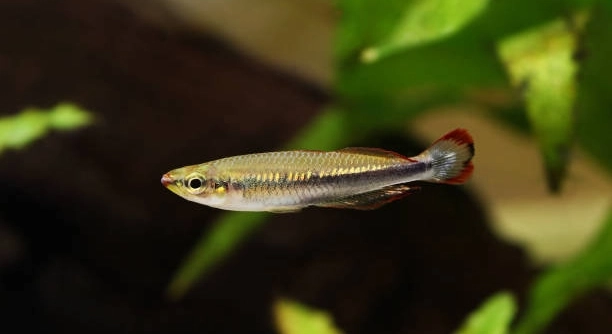
Rainbowfish are small, colorful freshwater fish often admired for their shimmering scales and active behavior. Observing them in aquariums reveals fascinating interactions with their surroundings and other fish. Their responses to movement and environment are subtle but noticeable.
Rainbowfish can detect sound and vibrations through their lateral line system. This sensory system allows them to sense water movements, pressure changes, and low-frequency vibrations, helping them navigate, avoid predators, and communicate within their environment effectively.
Understanding how rainbowfish perceive vibrations can improve aquarium care and enhance their overall well-being. Their sensitivity to sound and movement offers insights into natural behaviors and environmental interactions.
How Rainbowfish Sense Vibrations
Rainbowfish rely on their lateral line system to detect vibrations in the water. This system consists of tiny sensory organs along their sides, which pick up changes in water pressure caused by movement or nearby activity. Even slight ripples can trigger a response. Observing rainbowfish in an aquarium shows them reacting quickly to sudden changes, darting away or investigating new objects. This sensitivity is not only for survival but also helps them interact socially. Schooling behavior often relies on detecting movement from other fish to stay coordinated. Their responses may seem subtle, but they are consistent. Vibrations from pumps, filters, or even tapping the glass can provoke reactions. Over time, rainbowfish can distinguish between harmless disturbances and potential threats, adapting their behavior accordingly. Understanding these responses helps aquarists provide a stable environment, reducing stress and promoting healthy behavior patterns. This makes them more active and vibrant, enhancing the aquarium experience.
Their vibration sensitivity is crucial for communication and safety within their habitat.
Rainbowfish also use vibrations to locate food. Small insects or larvae moving in water produce ripples, guiding their attention. By detecting these subtle signals, rainbowfish can feed efficiently, even in low-visibility conditions. This ability demonstrates their adaptation to natural habitats where water clarity varies. Additionally, vibration detection helps avoid predators. Quick reactions to changes in water pressure increase survival chances, showing how finely tuned their senses are. For aquarium keepers, providing gentle water flow mimics natural conditions, stimulating natural behavior. Avoiding sudden loud noises or rough handling helps maintain their comfort. Over time, rainbowfish can even learn patterns of movement in their environment, showing recognition of familiar sounds and vibrations. Observing them respond to daily routines highlights their intelligence and adaptability, adding a dynamic element to aquarium care. Proper understanding of their sensory abilities ensures healthier, more engaged fish, making their behavior easier to appreciate and manage.
Differences Between Rainbowfish and Other Fish
Not all fish detect vibrations the same way. Rainbowfish have a highly developed lateral line compared to many species.
Some fish rely more on sight or smell, while rainbowfish integrate multiple senses. Their schooling behavior benefits from vibration detection, keeping the group coordinated. Predatory fish often have less refined lateral lines, depending on stealth or ambush. Environmental factors also play a role. In clear waters, sight may dominate, but rainbowfish in murky conditions rely heavily on vibration. This versatility allows them to adapt to varied habitats and increases survival rates. Aquarists can observe distinct differences in reactions: rainbowfish quickly respond to water disturbances, while other fish may ignore minor changes. Understanding these distinctions helps in creating mixed-species aquariums that minimize stress. Additionally, vibration sensitivity can guide feeding strategies. Recognizing which fish react to movement ensures equitable food distribution. In essence, rainbowfish demonstrate a balanced approach to sensory input, combining sight, movement detection, and social cues. This makes them engaging and resilient aquarium inhabitants, offering insights into aquatic adaptation.
How Environmental Factors Affect Vibration Detection
Water movement and clarity influence how well rainbowfish detect vibrations. Strong currents or murky water can either enhance or hinder their sensitivity. Aquariums with stable conditions allow rainbowfish to respond more consistently to subtle vibrations, reducing stress and encouraging natural behavior.
Temperature changes can also impact their lateral line function. Warmer water increases metabolism, making fish more alert and reactive to disturbances. Conversely, colder water slows their responses, and subtle vibrations may go unnoticed. The presence of other fish can create background movement, affecting how rainbowfish interpret signals. Adjusting flow, temperature, and population density helps maintain a balanced environment for optimal sensory function. Observing these factors ensures rainbowfish remain active and healthy.
Light levels and noise from external sources further influence vibration detection. Sudden changes in lighting or loud sounds can startle rainbowfish, triggering rapid movement or hiding behavior. Providing a consistent environment supports their natural responses and overall well-being, allowing them to thrive in aquariums.
Training and Stimulating Rainbowfish
Rainbowfish respond to repeated stimuli over time, showing the ability to learn patterns in vibrations. Gentle tapping or movement near the tank can elicit predictable reactions if repeated consistently.
Creating small routines, like feeding at the same time and location, helps them anticipate movement-related signals. This encourages natural foraging and exploration behavior. Interactive elements such as floating objects or gentle water currents can stimulate their senses, keeping them engaged and reducing stress. Over time, rainbowfish may recognize familiar vibrations and distinguish them from random disturbances. Consistency and observation are key to effectively stimulating their natural responses and maintaining a healthy aquarium environment.
Stimulating rainbowfish through vibration-based activities not only supports physical health but also mental engagement. They benefit from varied, predictable environmental cues that mimic natural conditions. By observing their reactions to movement and sound, aquarists can tailor care routines, providing an enriched habitat that encourages activity, social interaction, and overall well-being. This approach ensures that rainbowfish remain alert, responsive, and thriving in captivity, reflecting their natural adaptability and intelligence.
Common Misconceptions About Rainbowfish Hearing
Rainbowfish do not hear like humans. They rely on vibrations and pressure changes rather than traditional auditory cues. Many assume they respond to sound directly, but their reactions are tied to water movement sensed through their lateral line system.
External noises above the water surface have limited impact. Only vibrations that transfer into the water will affect their behavior. Misunderstanding this can lead to unnecessary concern about sounds in the room or environment. Recognizing how they detect changes ensures proper care and reduces stress caused by misinterpreted reactions.
Interaction With Other Fish
Rainbowfish coordinate with other fish using vibration detection. Their lateral line allows them to sense movements nearby, maintaining school formation and social harmony. Quick adjustments help avoid collisions and manage group dynamics efficiently.
This system also allows subtle communication. Slight shifts in position or tail movement create detectable ripples that others respond to. It is especially important in feeding or when avoiding perceived threats. Understanding these interactions aids in setting up compatible tank mates and maintaining a calm, healthy aquarium environment.
Aquarium Setup Tips
Provide stable water flow for consistent vibration detection. Avoid sudden, strong currents.
Consistent lighting and gentle background noise help rainbowfish remain comfortable and responsive to subtle water movements.
FAQ
Can rainbowfish actually hear sounds above the water?
Rainbowfish cannot hear sounds like humans do. They respond to vibrations transmitted through water rather than air. Noise above the water surface has minimal impact unless it creates ripples or pressure changes that travel into the tank. Their lateral line system is specifically designed to detect these underwater disturbances.
How sensitive are rainbowfish to vibrations?
Rainbowfish are highly sensitive to small changes in water movement. The lateral line system detects subtle shifts in pressure, allowing them to sense nearby movement, predators, or food. Even gentle ripples from floating objects or other fish can trigger a reaction, which is why calm and stable tank conditions are essential.
Can vibration stress rainbowfish?
Yes. Constant or strong vibrations can stress rainbowfish, causing erratic swimming, hiding, or reduced feeding. Pumps, filters, or tapping the glass can create disturbances they perceive as threats. Maintaining gentle water flow and avoiding sudden, loud impacts helps reduce stress and keeps them healthy.
Do rainbowfish respond differently in groups versus alone?
Rainbowfish are schooling fish, so they rely on vibrations from others to maintain formation. Alone, they may react more cautiously to water disturbances since they lack social cues. Observing them in groups shows more coordinated responses, while single fish may appear more jittery or hesitant.
Can rainbowfish distinguish between harmless and threatening vibrations?
Over time, rainbowfish can differentiate between harmless movements and potential threats. They learn to ignore routine disturbances like filter flow while reacting to sudden changes or strong ripples that could indicate predators. This adaptation helps them conserve energy and avoid unnecessary stress.
How do vibrations help with feeding?
Rainbowfish use vibration cues to locate food. Tiny insects, larvae, or sinking flakes create pressure waves in the water that guide their attention. This ability allows them to feed effectively even in low-visibility conditions. Regular feeding routines also help them recognize patterns of vibration associated with mealtime.
Does tank setup affect vibration detection?
Yes. The size, shape, and flow of the aquarium influence how vibrations travel. Tanks with uneven water flow or too much background noise can confuse rainbowfish, making them less responsive or stressed. Smooth water currents, proper filtration, and minimal external disturbances support natural behavior.
Can rainbowfish be trained to respond to vibrations?
To some extent, yes. Repeated stimuli, like gentle tapping at consistent times or locations, can create predictable reactions. Over time, they may anticipate movement associated with feeding or interaction, showing recognition of familiar vibrations and demonstrating cognitive adaptation.
Are there differences between rainbowfish species in vibration sensitivity?
Some species have slightly more developed lateral line systems than others, making them more responsive to subtle changes. Environmental factors, natural habitat, and schooling behavior influence sensitivity. Knowing the specific needs of each species helps maintain optimal care and reduce stress in mixed-species aquariums.
What are signs of overstimulation from vibrations?
Erratic swimming, constant hiding, or reduced feeding are common indicators. If rainbowfish frequently dart around or avoid certain areas of the tank, vibrations may be too strong or inconsistent. Adjusting flow, reducing tapping, and maintaining a stable environment can help restore calm behavior.
Can vibrations replace other senses for rainbowfish?
While important, vibrations do not replace sight or smell. Rainbowfish integrate multiple senses to navigate, find food, and communicate. Vibration detection complements vision and olfaction, especially in murky or low-light conditions, making it a crucial part of their survival toolkit.
How do vibrations influence social behavior?
Schooling, mating displays, and territory awareness are guided by subtle water movements. Rainbowfish interpret these vibrations to maintain cohesion and avoid conflicts. In a well-maintained aquarium, this natural communication contributes to healthy social interactions and reduces aggressive behavior.
Do external sounds like music affect rainbowfish?
Music above the tank generally has little direct effect. Only vibrations transmitted into the water through the tank structure will influence them. Heavy bass or physical impact on the aquarium can create stress-inducing vibrations, so keeping the environment stable is recommended.
How often should I check for stress caused by vibrations?
Daily observation is ideal. Watch for changes in swimming patterns, feeding habits, or hiding frequency. Minor adjustments to water flow, decorations, or noise levels can make a significant difference in maintaining comfort and reducing stress caused by vibrations.
Can adding decorations help with vibration control?
Yes. Plants, rocks, or substrate can diffuse vibrations, creating a more stable environment. Proper placement reduces sudden pressure changes and provides hiding spots, allowing rainbowfish to feel secure while still maintaining sensitivity to important water movements.
Is vibration sensitivity important for breeding?
Absolutely. Rainbowfish use vibrations to detect potential mates and coordinate spawning behavior. Gentle water movement supports natural courtship, while sudden disturbances can disrupt mating activities. A stable environment encourages successful breeding and natural reproductive behavior.
Do all fish react the same way to vibrations as rainbowfish?
No. Some species rely more on sight or smell, and their lateral line systems may be less developed. Rainbowfish are particularly responsive to water movement, making them more sensitive to subtle changes compared to many other aquarium fish species.
Can vibrations indicate tank problems?
Yes. Irregular patterns in rainbowfish behavior can signal issues like strong currents, overactive filters, or overcrowding. Observing how they react to daily water movements provides insight into potential problems and helps maintain a healthy tank environment.
Are younger rainbowfish more sensitive than adults?
Juvenile rainbowfish often react more strongly to vibrations. Their lateral line system is still developing, and they are more cautious around disturbances. Adults typically respond with more controlled behavior, having learned to differentiate between harmless and threatening vibrations.
How do vibrations help with predator avoidance?
Vibrations alert rainbowfish to nearby threats. Changes in water pressure caused by larger fish or sudden movements trigger rapid responses, such as darting or schooling. This early detection is crucial for survival both in aquariums and natural habitats.
Can vibrations affect overall health?
Yes. Constant stress from excessive or inconsistent vibrations can weaken the immune system, reduce feeding efficiency, and impact growth. Maintaining a stable environment with controlled water flow ensures rainbowfish remain healthy, active, and responsive without unnecessary stress.
Are there tools to measure vibrations in aquariums?
Specialized sensors can track water movement and pressure changes, helping aquarists identify excessive disturbances. While not commonly needed for home tanks, understanding vibration levels can guide adjustments in flow, filtration, and tank setup for optimal fish welfare.
Does tank placement in a room matter for vibrations?
Yes. Tanks near high-traffic areas or heavy machinery may transmit unwanted vibrations. Placing aquariums on stable surfaces away from frequent disturbances helps maintain a calm environment and supports the rainbowfish’s natural sensitivity to water movement.
How long does it take rainbowfish to adapt to a new tank?
Adaptation varies, but generally a few days to a week allows them to adjust to new water conditions and environmental vibrations. Providing consistent conditions and minimizing sudden disturbances accelerates their comfort and normal behavior patterns.
Can vibrations affect feeding schedules?
Yes. Rainbowfish learn to associate specific movement patterns with feeding. Irregular vibrations may confuse them, reducing appetite or causing stress. Maintaining consistent feeding cues, including gentle water movement, reinforces positive behaviors and ensures proper nutrition.
Do rainbowfish react differently to natural versus artificial vibrations?
They can distinguish between familiar and unfamiliar patterns over time. Natural, gentle water movement is comforting, while abrupt artificial vibrations may trigger stress responses. Observing reactions allows aquarists to optimize conditions and maintain a healthy, natural-feeling environment.
Are there signs that vibrations are beneficial?
Active swimming, coordinated schooling, and attentive feeding indicate positive responses. Rainbowfish that interact with gentle water movement demonstrate engagement, alertness, and comfort, reflecting proper environmental conditions and healthy sensory function.
Can vibrations be used to encourage exercise?
Yes. Controlled water currents or gentle movement of floating objects stimulate natural swimming and foraging behaviors. This provides physical activity, promotes muscle development, and supports overall health, keeping rainbowfish active and engaged in their habitat.
How can I reduce unnecessary vibrations in my tank?
Stabilize pumps and filters, avoid tapping the glass, and place the tank away from heavy foot traffic or appliances. Soft substrate and decorations can absorb minor vibrations, creating a calm environment conducive to natural behavior.
Do rainbowfish respond to human interaction through vibrations?
Light tapping or hand movement in the water can trigger predictable reactions. Over time, they may recognize harmless interactions, responding calmly while still maintaining sensitivity to important environmental vibrations.
Is vibration sensitivity consistent throughout their lifespan?
Generally, yes. Young fish may be slightly more reactive, while adults show controlled responses. Sensitivity persists throughout life, helping them navigate, avoid threats, and maintain social behavior. Proper care ensures their lateral line remains functional and effective.
Can overcrowding affect vibration perception?
Yes. Too many fish increase background movement, making it harder for rainbowfish to interpret specific vibrations. This can lead to stress or missed feeding cues. Maintaining appropriate stocking levels supports clear communication and natural responses within the group.
Do rainbowfish respond to vibrations from other aquatic animals?
Yes. Movements from snails, shrimp, or other tank inhabitants create detectable ripples. Rainbowfish use these cues to assess activity in the tank, avoid collisions, and interact socially, demonstrating the sensitivity and adaptability of their lateral line system.
Can vibrations indicate illness?
Changes in reaction patterns, such as reduced responsiveness to water movement, may signal illness or weakness. Observing deviations from normal vibration responses helps identify health issues early, allowing timely intervention.
How does tank size affect vibration detection?
Larger tanks may disperse vibrations more, requiring stronger or more noticeable movements for detection. Smaller tanks amplify changes, making rainbowfish more reactive. Balancing tank size with population and flow ensures manageable and natural stimulation levels.
Does water hardness or chemistry influence sensitivity?
Extreme changes in water composition can affect sensory perception. Rainbowfish prefer stable, moderately soft to slightly hard water. Maintaining consistent parameters supports proper function of their lateral line system and overall health.
Are there behavioral cues to observe for vibration reactions?
Rapid darting, schooling adjustments, sudden stops, or attentive orientation toward a disturbance are common indicators. Watching these cues helps understand environmental impact and optimize tank conditions for natural behavior.
Can vibrations affect breeding behavior?
Yes. Gentle water movement and consistent environmental cues encourage courtship displays and spawning. Excessive or erratic vibrations can disrupt mating, making stable conditions essential for reproductive success.
How do decorations impact vibration perception?
Rocks, plants, and substrate absorb or diffuse water movement, reducing sudden pressure changes. This provides a stable environment while still allowing rainbowfish to detect meaningful vibrations, supporting comfort and natural behavior.
Is vibration detection linked to survival instincts?
Absolutely. Detecting predators, locating food, and coordinating with others relies heavily on vibration sensitivity. It is a critical survival tool both in the wild and in captivity, demonstrating the importance of maintaining stable, responsive environments.
Can vibrations indicate tank maintenance issues?
Abnormal reactions may point to overactive filters, leaks, or pump problems. Observing rainbowfish responses can help identify and correct maintenance concerns, ensuring a safe and stable habitat.
Do rainbowfish have limits to vibration detection?
Yes. Extremely high-frequency or weak signals may go unnoticed. Their lateral line is most effective for low-frequency vibrations, which correspond to natural environmental cues like predator movement, food, or schooling interactions.
Can vibrations be used as enrichment?
Controlled stimuli, like gentle currents or moving objects, provide mental and physical engagement. This encourages exploration, coordination, and natural behaviors, enhancing their well-being and reducing stress in a captive environment.
Do rainbowfish communicate through vibrations?
Indirectly, yes. Movements within a school create ripples that others detect. This helps maintain group cohesion, coordinate swimming patterns, and signal attention or alertness, supporting social structure and survival.
Are rainbowfish more sensitive to vibrations at certain times of day?
Activity levels influence sensitivity. During active periods, such as feeding or daylight hours, they respond more readily. At rest or nighttime, reactions may be subdued, reflecting natural rhythms and energy conservation.
Can vibration detection be improved with tank adjustments?
Yes. Optimizing water flow, minimizing external disturbances, and providing naturalistic hiding spots enhance perception. Stable, consistent conditions allow rainbowfish to respond effectively to meaningful environmental cues.
Do vibrations affect sleep or rest patterns?
Excessive disturbances can disrupt rest, causing stress or fatigue. Calm, stable water supports natural rest periods, contributing to overall health, alertness, and proper response to important vibrations during active hours.
Is vibration detection more critical in certain species of rainbowfish?
Some species inhabiting flowing rivers or predator-rich environments rely more on vibrations. Understanding species-specific needs helps provide tailored care, ensuring sensitivity is maintained and natural behaviors are supported.
Can vibrations be used to monitor fish activity?
Yes. Observing reactions to routine disturbances or subtle movements provides insight into activity levels, alertness, and health. Deviations from normal responses can indicate stress, illness, or environmental issues.
Are there long-term effects of poor vibration conditions?
Chronic overstimulation or insufficient stimulation can lead to stress, weakened immune systems, and reduced natural behavior. Maintaining proper conditions supports healthy development and a balanced, engaged aquarium environment.
Do rainbowfish show individual differences in vibration sensitivity?
Yes. Personality, age, and health influence reactions. Some fish are more cautious or reactive, while others are confident and adaptive. Observing individuals helps tailor care and understand behavioral variations within a school.
How important is vibration for survival in the wild?
Extremely important. Detecting predators, prey, and environmental changes depends on vibration sensitivity. It allows rainbowfish to navigate complex habitats, coordinate with groups, and avoid danger effectively.
Can vibrations indicate tank temperature issues?
Indirectly. Changes in swimming behavior or responsiveness may signal stress from unsuitable temperatures, affecting their ability to react to water movement. Monitoring reactions helps identify temperature-related concerns.
Do rainbowfish react differently to short versus long vibrations?
Short, sudden vibrations trigger rapid responses, while prolonged, gentle movement is interpreted as normal water flow. Differentiating these patterns is part of their adaptation to varied environmental cues.
Can vibrations affect aggression?
Yes. Overstimulation from strong or erratic vibrations may increase irritability or territorial behavior. Controlled, stable conditions reduce unnecessary aggression and support peaceful interactions within the tank.
How do rainbowfish react to vibrations from outside the aquarium?
Only vibrations that transfer into the water affect them. Tapping, loud footsteps, or machinery vibrations transmitted through surfaces may elicit responses, while distant sounds generally have no direct impact.
Can vibrations affect coloration or appearance?
Stress from excessive or inconsistent vibrations may dull colors temporarily. A stable, calm environment helps maintain bright, healthy coloration, reflecting overall well-being and reduced stress.
Do rainbowfish require vibration enrichment regularly?
Providing occasional controlled stimuli encourages natural behavior, foraging, and activity. Overstimulating should be avoided, but consistent, gentle interaction supports mental and physical health.
Can vibrations affect growth in young rainbowfish?
Yes. Stress from strong or constant disturbances can reduce feeding efficiency and energy allocation, impacting growth rates. Calm, stable conditions promote proper development and healthy maturation.
Are there signs that rainbowfish are ignoring vibrations?
Lack of reaction to normal water movement, reduced schooling coordination, or sluggish behavior can indicate desensitization or stress. Observing patterns helps identify potential issues and optimize the environment.
Can vibrations help identify tank hierarchy?
Subtle movements and ripple responses can indicate dominance or submission within a group. Observing how individuals react to each other’s motion provides insight into social dynamics and group structure.
Do rainbowfish respond to vibrations differently during breeding?
Yes. Courtship and spawning involve sensitivity to subtle water movements. Stable vibrations encourage mating behavior, while sudden disturbances may disrupt reproductive activities, emphasizing the need for a calm environment.
Are artificial vibration devices useful for rainbowfish?
Controlled devices mimicking natural water movement can provide enrichment. However, they should be gentle and predictable to avoid stress, supporting natural activity and social interaction.
Do rainbowfish rely more on vibrations in low-light conditions?
Yes. Reduced visibility increases dependence on the lateral line to detect movement, navigate, and locate food. Vibrations become a primary sensory tool when vision is limited.
How quickly do rainbowfish respond to vibrations?
Responses are immediate, often within seconds, reflecting high sensitivity. This rapid reaction supports predator avoidance, schooling coordination, and environmental awareness.
Can vibrations affect reproduction success?
Stable, gentle vibrations support natural courtship and spawning. Excessive or erratic movement may disrupt mating, reduce fertilization, or stress adults, highlighting the importance of controlled conditions.
Do vibrations influence energy levels?
Yes. Constant overstimulation can deplete energy, while a calm, gently varied environment promotes natural activity, efficient feeding, and overall vitality.
Can vibrations help detect illness early?
Changes in responsiveness, such as sluggish reactions or unusual hiding, may signal health problems. Observing vibration responses provides a non-invasive method to monitor well-being.
Are rainbowfish sensitive to vibrations from other tanks nearby?
Only if the vibrations transfer through shared surfaces or strong water movement. Generally, distant activity has minimal impact unless the tank structure conducts vibrations effectively.
Can vibrations influence stress hormones?
Chronic strong or unpredictable vibrations can elevate stress hormone levels, affecting immune function, behavior, and health. Controlled conditions help maintain balanced hormone levels and reduce stress-related issues.
Do rainbowfish show curiosity through vibration responses?
Yes. Subtle investigative movements toward new objects or ripples indicate curiosity, engagement, and active sensory processing. These responses reveal natural exploration behavior and mental stimulation.
Can vibration sensitivity change over time?
Age, health, and environment influence sensitivity. Younger fish may be more reactive, while adults adjust responses based on experience. Consistent care maintains effective sensory function throughout life.
Are vibrations important for schooling behavior?
Absolutely. Detecting the movements of nearby fish keeps the group coordinated, reduces collisions, and maintains social cohesion. It is a key element of their survival and social structure.
Can vibrations affect feeding hierarchy?
Yes. Fish that detect food-related ripples faster may have feeding advantages. Ensuring fair distribution and controlled flow prevents dominance issues and supports group health.
Do rainbowfish prefer natural vibrations over artificial ones?
They respond most comfortably to natural, gentle water movement. Artificial vibrations should mimic these patterns carefully to avoid stress and encourage natural behavior.
Can vibrations indicate environmental stressors?
Erratic or overly sensitive reactions often signal stress from temperature, water chemistry, or overcrowding. Monitoring responses helps identify and correct issues quickly.
Do rainbowfish use vibrations to detect human presence?
Indirectly. Gentle movement in water may trigger attention, but they do not recognize humans in the same way as visual cues. Repeated harmless interactions can reduce startle responses over time.
Are there long-term benefits of proper vibration conditions?
Yes. Stable, controlled vibrations support natural behavior, social cohesion, feeding efficiency
Rainbowfish are fascinating creatures with a unique ability to detect vibrations in their environment. This sense is largely facilitated by their lateral line system, a series of sensory organs along their sides that pick up changes in water pressure and movement. Unlike humans, rainbowfish do not hear in the conventional sense, but their responsiveness to underwater vibrations is vital for survival, communication, and daily activities. In aquariums, understanding this ability can make a significant difference in their care. Providing a stable environment with gentle water flow, minimal sudden disturbances, and consistent feeding routines allows rainbowfish to thrive and display natural behaviors. Observing their reactions to water movement reveals subtle yet meaningful interactions, both with each other and with objects in their surroundings.
Maintaining proper vibration conditions is essential for the overall health and well-being of rainbowfish. Excessive or unpredictable vibrations can cause stress, leading to erratic swimming, hiding, or reduced feeding. Stress over time can weaken the immune system and affect growth, especially in juvenile fish. On the other hand, controlled, gentle water movement can act as enrichment, encouraging natural swimming patterns, schooling behavior, and active foraging. Social interactions within a group rely heavily on vibration detection, helping them coordinate movement, avoid collisions, and establish subtle social hierarchies. Providing decorations such as plants, rocks, and substrate can help diffuse strong ripples and create a calmer environment, reducing unnecessary stress while still allowing rainbowfish to detect important changes in their surroundings.
Proper care and attention to their sensory needs not only improve the quality of life for rainbowfish but also enhance the aquarium experience. By understanding how vibrations affect behavior, aquarists can anticipate their reactions, set up suitable tank environments, and create routines that support feeding, breeding, and social interaction. Observing their responses to water movement allows insight into their well-being, revealing signs of stress, illness, or discomfort early on. Over time, rainbowfish may even learn to recognize familiar patterns and differentiate between harmless and significant disturbances, showcasing their adaptability and intelligence. Creating an environment that respects their sensitivity to vibrations ensures that they remain healthy, active, and vibrant, allowing their natural behaviors to flourish and making their care both rewarding and engaging.

Hello,
If you enjoy the content that we create, please consider saying a "Thank You!" by leaving a tip.
Every little bit helps us continue crafting quality advice that supports the health, happiness, and well-being of pets around the world, for pets of all shapes, sizes, and species.
We really appreciate the kindness and support that you show us!