
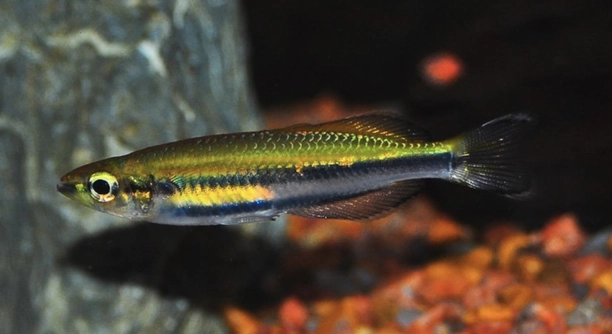
Do you ever find yourself admiring the vibrant colors of rainbowfish and wondering how to keep them healthy all year long? Maintaining the right environment for these lively fish can feel both exciting and challenging.
Rainbowfish require a consistent temperature range between 74°F and 78°F to thrive, making the use of a heater essential year-round in most home aquariums. Stable warmth supports their metabolism, immune system, and overall well-being.
Maintaining proper warmth ensures your rainbowfish remain active, colorful, and healthy, providing a strong foundation for long-term care in your aquarium.
Why Rainbowfish Need Stable Temperatures
Rainbowfish are tropical fish that thrive in stable, warm water. Sudden temperature changes can stress them, making them more prone to illness. In home aquariums, room temperatures often fluctuate, especially during seasonal shifts. A reliable heater helps maintain the proper range of 74°F to 78°F, ensuring the fish remain active and display their vibrant colors. Without stable warmth, rainbowfish may eat less, become lethargic, or lose their color intensity. Even small drops in temperature can weaken their immune systems, increasing susceptibility to common diseases. A heater with a thermostat is ideal because it provides consistent control and reduces the risk of overheating. Monitoring the water temperature daily allows for quick adjustments if necessary. Some owners supplement with aquarium lights that produce gentle heat, but these cannot replace a proper heater. By providing a stable environment, you are supporting the natural behaviors, breeding, and overall health of rainbowfish in a home tank setting.
Using a heater consistently prevents stress and supports long-term health for rainbowfish, keeping them active and colorful in your aquarium.
Rainbowfish react to temperature shifts more noticeably than many other species. They may hide more often or swim sluggishly, signaling that their environment is too cold. Over time, inconsistent temperatures can shorten their lifespan. Regularly checking the thermometer and adjusting the heater ensures a safe and comfortable habitat. A steady environment also encourages feeding and social interactions among the fish, making your aquarium more vibrant and lively.
Choosing the Right Heater for Your Tank
Not all heaters are the same, and selecting the correct size is important.
When picking a heater, consider the size of your tank and the number of rainbowfish. Small heaters may not maintain proper warmth in larger tanks, while oversized units can overheat the water. Submersible heaters are often preferred because they provide even heat distribution. Look for heaters with reliable thermostats and built-in safety features like automatic shut-off. Some heaters are adjustable, allowing you to fine-tune the temperature as needed. Position the heater near a filter or water flow to help circulate heat evenly. Regularly inspect the heater for damage or malfunction, especially after cleaning or water changes. Combining a heater with a thermometer ensures precise monitoring. With the right heater, rainbowfish remain healthy, active, and display their natural colors throughout the year. Temperature consistency promotes breeding and reduces stress, making it an essential investment for any aquarium owner.
Maintaining Consistent Water Temperature
A stable water temperature keeps rainbowfish healthy and reduces stress. Sudden drops or spikes can lead to illness and lower activity levels in your fish.
Temperature fluctuations impact rainbowfish behavior and physiology. When water is too cold, their metabolism slows, leading to reduced appetite and sluggish movement. Warmer-than-normal water can increase aggression or stress, potentially causing long-term health issues. Consistent heating helps the fish maintain natural behavior patterns, proper feeding, and social interactions. It also supports the immune system, making rainbowfish less prone to common diseases like ich or fin rot. Using a reliable heater with a thermostat ensures minimal variation and prevents unexpected temperature swings.
Daily monitoring of water temperature allows immediate correction if changes occur. Even slight fluctuations can affect fish mood, activity, and overall health. Combining a thermometer with a quality heater ensures the environment stays within the ideal range, supporting your rainbowfish’s energy, coloration, and longevity. Consistency is key for a thriving aquarium.
Tips for Heater Placement
Heater placement affects water circulation and temperature consistency. Position the heater where water flow distributes warmth evenly.
Placing the heater near the filter or where water movement is strong ensures heat spreads throughout the tank. Avoid placing it in corners or behind decorations where water may be stagnant, causing uneven temperatures. Submersible heaters work best when fully immersed and away from direct contact with gravel or plants to prevent damage. Proper placement allows all fish to experience the same environment, reducing stress and supporting healthy behavior. Adjust the heater as needed to maintain consistent warmth, and double-check with a thermometer to confirm even distribution.
Regularly inspecting and cleaning the heater prevents buildup and ensures accurate performance. Mineral deposits or algae can affect functionality and temperature regulation. Secure the heater to prevent movement, and keep it away from sharp decorations that could puncture or damage it. Monitoring water flow and circulation alongside heater placement creates a stable environment, supporting the fish’s natural activity and vibrant colors. Properly positioned heaters reduce hotspots or cold zones, making the tank safe and comfortable year-round.
Seasonal Temperature Changes
Seasonal shifts can make maintaining aquarium temperature tricky. Winter chills and summer heat waves may require adjustments to the heater.
Even small fluctuations in room temperature can affect water warmth. Monitoring and adjusting the heater ensures rainbowfish remain comfortable and stress-free throughout the year.
Signs Your Heater May Not Be Working
A malfunctioning heater can be harmful to rainbowfish, causing stress or illness. Watch for sudden changes in behavior, sluggish swimming, or faded coloration, which may indicate the water is too cold or unevenly heated.
Using a Thermometer Effectively
A thermometer provides accurate readings, helping you track water temperature and ensure your heater maintains the ideal range for rainbowfish.
FAQ
Do rainbowfish survive without a heater?
Rainbowfish may survive short periods without a heater if the room temperature stays near their preferred range of 74°F to 78°F. However, prolonged exposure to cooler water can stress them, reduce appetite, and weaken their immune system, increasing susceptibility to illness. Maintaining a stable temperature is strongly recommended.
What is the ideal temperature range for rainbowfish?
Rainbowfish thrive in water consistently between 74°F and 78°F. Temperatures below this range can slow metabolism and growth, while temperatures above it can stress the fish, potentially causing aggression or health problems. Consistent warmth promotes activity, feeding, and natural coloration.
Can I use a heater with a thermostat?
Yes, heaters with built-in thermostats are ideal. They automatically regulate water temperature, preventing sudden drops or spikes. This ensures the aquarium stays within the proper range and reduces stress on rainbowfish. Regular checks with a separate thermometer are recommended for accuracy.
How do I know if my heater is failing?
Signs include unusual fish behavior, such as hiding, lethargy, or reduced appetite, along with inconsistent thermometer readings. Visible damage, cracks, or unusual noises from the heater also indicate potential malfunction. Replace or repair immediately to avoid harming the fish.
Should I adjust the heater during summer months?
Even in summer, indoor temperatures can fluctuate. Air conditioning or heat waves can cause water temperature swings. Adjusting the heater as needed keeps water stable and prevents stress. Consistent monitoring is essential regardless of season.
Is it safe to leave the heater on 24/7?
Yes, leaving a heater on continuously is safe and necessary for tropical fish like rainbowfish. Constant warmth maintains metabolism, encourages feeding, and supports immune health. Ensure the heater has safety features like automatic shut-off to prevent overheating.
Do different species of rainbowfish need different temperatures?
Most rainbowfish species share similar temperature preferences, typically 74°F to 78°F. Minor variations may exist between species, but maintaining the recommended range covers most types in a community tank. Research specific species if keeping rare varieties.
Can a heater improve breeding success?
Yes, stable water temperature encourages natural behaviors, including breeding. Rainbowfish are more likely to spawn when the environment remains consistent, supporting egg development and fry survival. A reliable heater is essential for reproductive health.
How often should I check the heater?
Daily monitoring is ideal, especially for new setups or during extreme weather. Inspect the heater weekly for wear, buildup, or damage. Combining visual checks with thermometer readings ensures accurate, consistent temperature control.
Are submersible heaters better than clip-on heaters?
Submersible heaters provide even heat distribution and are easier to hide within the tank, reducing risk to fish. Clip-on or external heaters may not circulate warmth as effectively, potentially causing uneven temperatures. Submersible heaters with thermostats are generally preferred.
Can heaters fail even if they look fine?
Yes, heaters can malfunction internally. A heater may appear intact but fail to maintain temperature. Thermometer readings and observing fish behavior are key indicators. Replace or test faulty units immediately to ensure a safe environment.
Is it necessary to have a backup heater?
A backup heater can be helpful in case of primary heater failure, especially in large tanks or during extreme weather. While not always required, it provides peace of mind and ensures continuous stable temperature for rainbowfish.
Do aquarium lights provide enough heat?
Standard aquarium lights produce minimal warmth and are insufficient as a primary heat source. They can complement a heater but cannot replace it. Relying solely on lighting risks inconsistent temperatures and stressed fish.
What happens if the water gets too cold overnight?
Sudden drops in temperature overnight can stress rainbowfish, reduce feeding, and lower immune function. Even a few degrees below the ideal range can trigger lethargy or color fading. A heater with a thermostat prevents these nighttime fluctuations.
Can I turn the heater off during short absences?
Turning off the heater for brief periods is not recommended. Even a few hours can cause temperature swings. Consistent operation is crucial to maintain stability and protect fish health.
How do I safely clean a heater?
Unplug the heater before cleaning. Gently remove mineral buildup or algae with a soft cloth. Avoid abrasive materials or soaking in chemicals, which can damage the heater and harm fish. After cleaning, recheck functionality and water temperature before returning the heater to the tank.
Do rainbowfish need heaters in tropical climates?
In tropical regions, room and water temperatures may naturally remain within their preferred range. However, seasonal or daily fluctuations still occur. Using a heater ensures stability and prevents stress during cooler nights or sudden weather changes.
Can a malfunctioning heater cause diseases?
Yes, inconsistent or low temperatures weaken the immune system, making rainbowfish more susceptible to infections like ich, fin rot, or bacterial diseases. Maintaining a stable environment is a preventive measure to reduce health risks.
How do I choose the right wattage heater?
Heater wattage should match tank size. A common guideline is 3–5 watts per gallon of water. Oversized heaters can overheat, while undersized units may fail to maintain proper temperature. Always combine with a thermometer to verify accuracy.
Are there signs rainbowfish prefer warmer or cooler spots?
Rainbowfish may swim near the heater if water feels too cold or avoid it if water is too warm. Observing their behavior can help adjust placement or temperature to maintain comfort and stability.
How long does it take for a heater to stabilize a tank?
Depending on tank size and initial temperature, stabilization can take several hours to a day. Using a thermometer to track gradual changes ensures the tank reaches and maintains the ideal range safely.
Maintaining a stable and suitable environment for rainbowfish is essential for their health and longevity. One of the most important aspects of their care is keeping the water temperature consistent, which is why using a heater is often necessary. Rainbowfish are tropical fish that thrive in temperatures between 74°F and 78°F, and even small fluctuations can cause stress or illness. A heater with a reliable thermostat helps maintain this ideal range, ensuring that the fish remain active, colorful, and healthy. Daily monitoring of the water temperature with a thermometer allows you to quickly spot any changes and make adjustments, preventing potential problems before they affect the fish. By providing a stable temperature, you are supporting their natural behaviors, feeding habits, and immune system, all of which contribute to a longer, healthier life.
Choosing the right heater and placing it properly in the aquarium are also critical for maintaining an even temperature throughout the tank. Submersible heaters are often preferred because they provide consistent heat and are easy to position where water flow can distribute warmth effectively. Avoid placing the heater in corners or behind decorations where water may be stagnant, as this can create hot or cold spots that stress your rainbowfish. Regular inspection and cleaning of the heater prevent buildup and potential malfunctions, ensuring that it continues to operate safely and accurately. Combining a heater with a thermometer and observing your fish’s behavior allows you to make sure all areas of the tank remain comfortable. Consistent heating also supports breeding, encourages feeding, and helps maintain vibrant coloration.
Even in regions with warmer climates or during summer months, maintaining a heater can still be beneficial. Room temperatures and weather conditions can fluctuate, and relying solely on ambient warmth may not provide the stable environment rainbowfish need. Using a heater ensures that the aquarium remains within the proper range at all times, preventing stress caused by sudden temperature changes. Monitoring water temperature, adjusting heater settings as needed, and observing your fish regularly will help you catch potential problems early. Providing a consistent environment allows rainbowfish to thrive, display their natural colors, and maintain healthy activity levels. Overall, a heater is a small but essential investment that directly impacts the well-being and happiness of your rainbowfish, giving you the confidence that they are safe, comfortable, and properly cared for in your home aquarium.

Hello,
If you enjoy the content that we create, please consider saying a "Thank You!" by leaving a tip.
Every little bit helps us continue crafting quality advice that supports the health, happiness, and well-being of pets around the world, for pets of all shapes, sizes, and species.
We really appreciate the kindness and support that you show us!